
A garment can look correct during development and still go wrong during bulk production. Shrinkage may change the finished measurements, bulk color may differ from the approved reference, fit can drift across sizes, sewing defects can multiply on the line, or a perfectly acceptable garment can still reach the buyer with the wrong labels, assortment, or packing.
These garment production problems do not all come from the same place. Some originate in fabric behavior. Others begin with unclear specifications, weak sample-to-production handover, pattern or grading issues, machine settings, operator variation, uncontrolled material lots, finishing conditions, communication gaps, or production problems that are simply detected too late.
For buyers, the important question is therefore not only, “What defect did we find?” It is also: Where did the problem originate? When should it have been detected? What control should have prevented it? What evidence proves the correction worked?
This guide explains the garment production problems buyers commonly face from material approval through cutting, sewing, finishing, packing, and shipment. It also shows why early production control matters and how a manufacturing partner can reduce the risk of small deviations becoming bulk-order failures.
Quick Answer: Common Garment Production Problems Buyers Face
The most common garment production problems fall into several connected groups: material and color variation, shrinkage, measurement and fit problems, workmanship defects, sample-to-bulk differences, finishing issues, and packing errors. The strongest control system does not wait until final inspection to discover them. It establishes clear approved references, checks high-risk production stages early, records deviations, and corrects recurring causes before the problem spreads through bulk production.
| Problem | What the Buyer Notices | Main Control Stage |
|---|---|---|
| Shrinkage | Garment becomes shorter, narrower, or distorted after washing | Fabric testing and development |
| Measurement deviation | Bulk garments fall outside the approved measurement specification | Sampling and inline control |
| Color mismatch | Bulk color differs from the approved reference | Lab dip and bulk color approval |
| Shade variation | Garments or individual panels do not visually match | Dye-lot, shade, and cutting control |
| Fabric inconsistency | Handfeel, appearance, GSM, or performance varies | Fabric inspection and testing |
| Fit or grading problems | Base size fits but other sizes do not perform consistently | Pattern, fit, and size-set approval |
| Sewing defects | Puckering, open seams, skipped stitches, or poor workmanship appear | First output and inline QC |
| Sample-to-bulk mismatch | Bulk production differs from the approved sample | Pre-production and first-output control |
| Washing or finishing problems | Shape, shade, handfeel, or appearance changes unexpectedly | Finishing and post-process checks |
| Packing errors | Wrong labels, ratios, quantities, or carton information are found | Packing audit and final inspection |
The table is only a high-level view. In practice, the same production problem can have more than one cause. A short body length, for example, may come from pattern dimensions, fabric shrinkage, cutting, sewing, or measuring method. That is why production problems should be investigated by cause rather than treated only as visible defects.
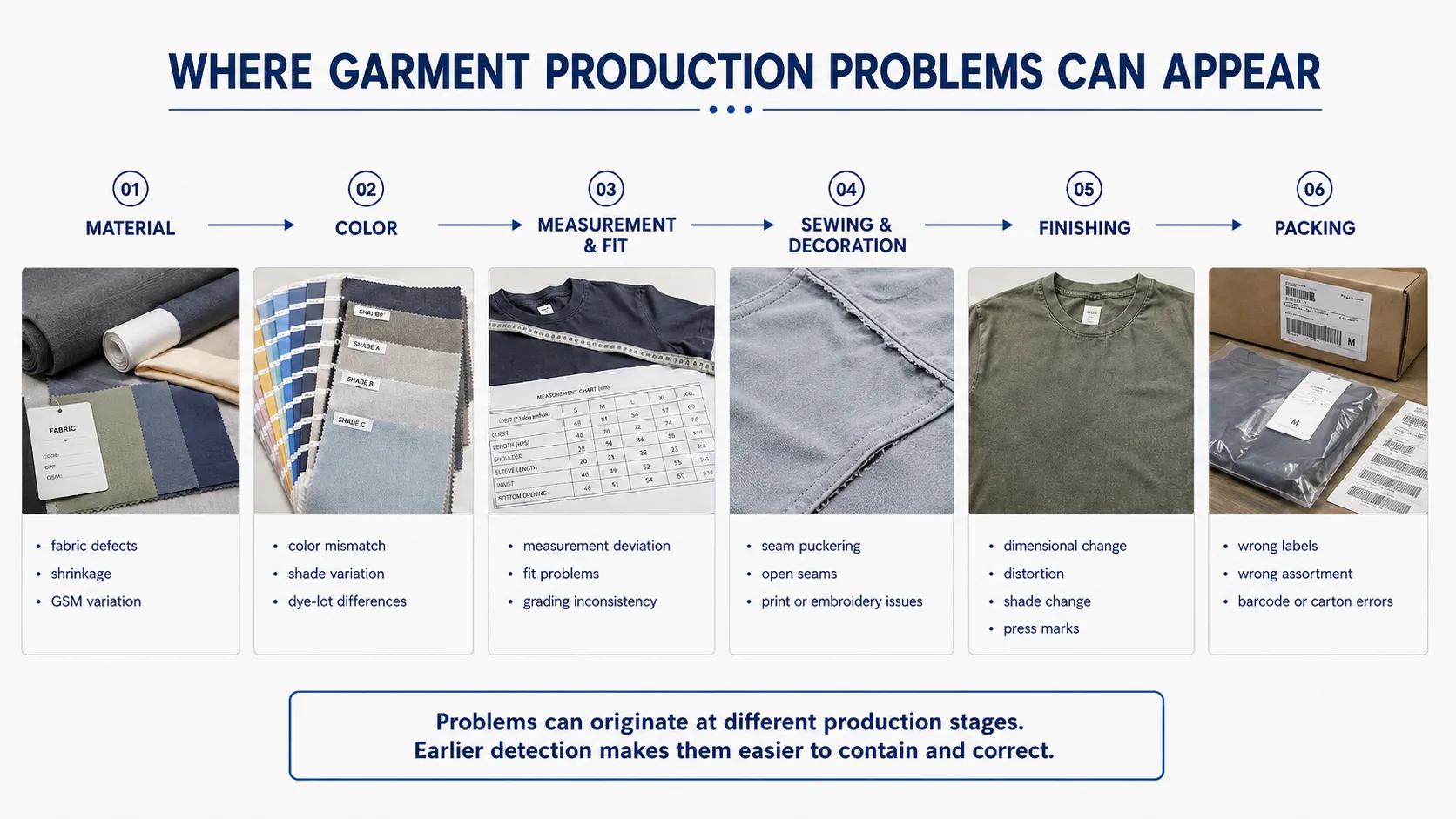
Table of Contents
Why Garment Production Problems Can Still Happen After Samples Are Approved
An approved sample creates an important reference, but it does not automatically guarantee consistent bulk production. Development normally involves a limited number of samples, materials, operators, and processes. Bulk production introduces more fabric rolls, more dye lots, more machines, more operators, more handling, and a much larger number of garments, so the opportunity for variation increases significantly.
The correct principle is:
Sample approval establishes the standard. Production control protects that standard during bulk manufacturing.
A pre-production (PP) sample that measures correctly does not guarantee that every bulk garment will remain within tolerance. An approved lab dip does not prevent different bulk lots from being mixed. Correct sewing on one sample does not prevent machine settings, stitch formation, or operator methods from changing when full production starts.
The approved standard therefore has to be transferred into production through clear instructions, physical references, measurement methods, first-output checks, inline controls, reports, and escalation rules.
A strong pre-production handover should clarify:
- Which sample is the final approved production reference
- Which tech-pack and measurement-chart revision is current
- Which fabric, shade, and trim standards are approved
- Which construction details are critical
- Which operations create the highest risk
- What must be checked during first output
- What should trigger immediate correction
- What evidence is required before shipment
The gap between approval and repeatable bulk execution is where many garment production issues begin. For a deeper review of what should be confirmed before a sample becomes the production standard, use our Sample Approval Checklist covering fit, measurements, stitching, artwork placement, and packaging.
Fabric, Color, and Material Problems Buyers Commonly Face
Material-related problems often begin before sewing starts, yet their effect may not become visible until washing, fitting, finishing, or final inspection. Buyers should therefore treat fabric, color, and trims as production-control inputs rather than isolated purchasing items. The five issues below are among the most common ways material variation can affect the finished garment.
1. Shrinkage and Dimensional Change
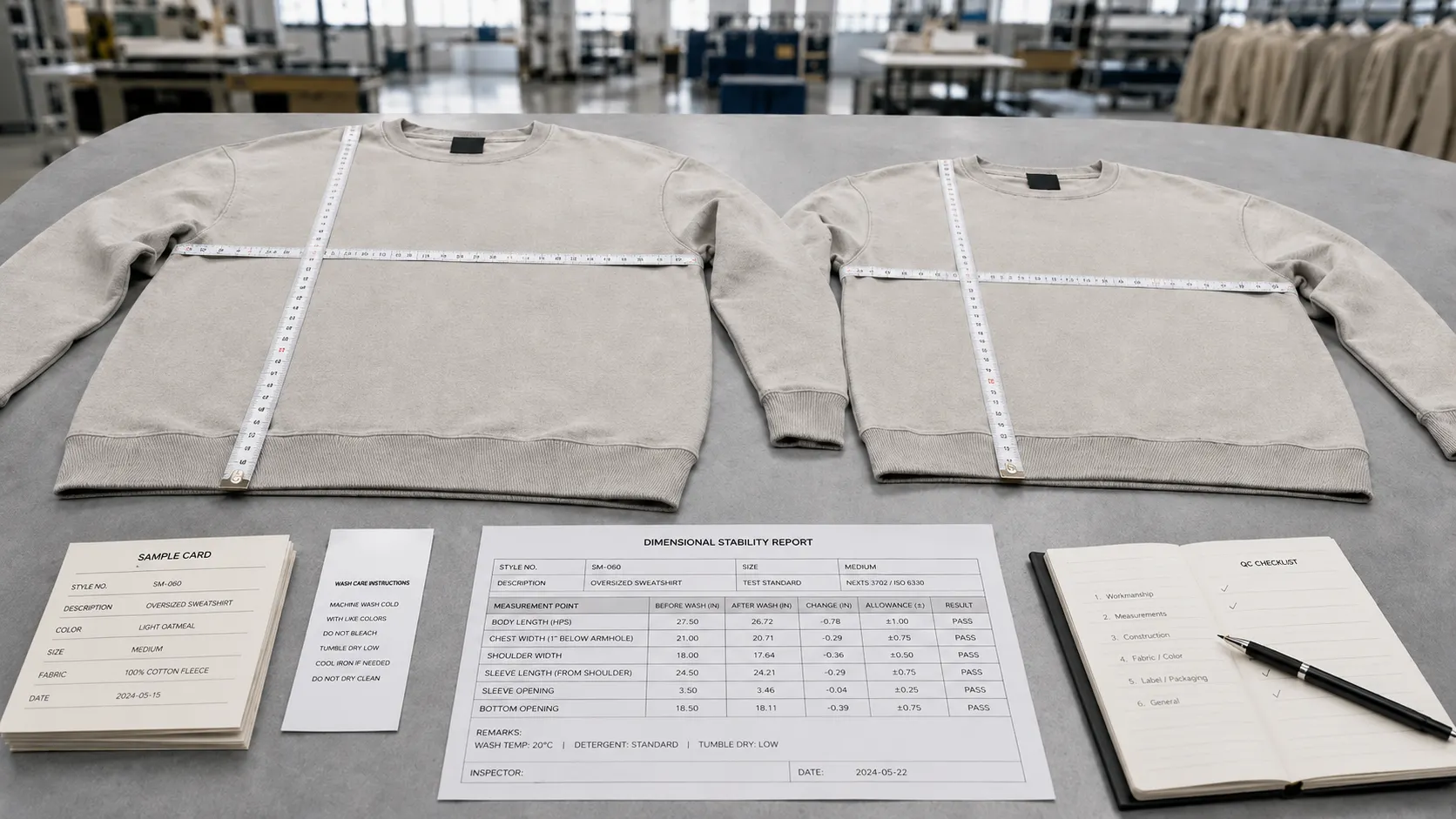
Shrinkage is one of the most visible garment production problems because a garment may measure correctly before washing but become shorter, narrower, twisted, or otherwise distorted afterward. The change may affect body length, chest width, sleeve length, inseam, or several dimensions at the same time.
Shrinkage is fundamentally a dimensional-stability issue. Standards such as ISO 5077 provide methods for determining dimensional change after washing and drying, while ISO 6330 specifies domestic washing and drying procedures used for textile testing. The important practical lesson for buyers is that a shrinkage result is meaningful only when the testing conditions are clearly defined.
Why Shrinkage Problems Happen
Shrinkage can originate from the fabric itself or from the way the garment is processed. It may also become a larger problem when the expected dimensional change was never considered during pattern development or bulk-production planning.
Possible causes include:
- Fabric that has not reached sufficient dimensional stability
- Differences between development fabric and bulk fabric
- Insufficient fabric relaxation before cutting
- Washing or drying conditions that differ from the development assumption
- Finishing processes that alter dimensions
- Pattern allowances that do not account for expected dimensional change
- Fabric structure, fiber composition, or construction behaving differently after laundering
Simply making every garment larger is not a reliable solution. The production team first needs to understand what the fabric actually does under the agreed care or test conditions.
What Shrinkage Means for the Buyer
Shrinkage becomes a buyer problem when the finished garment no longer matches the intended fit or approved measurements. It can also create disagreement when buyer and manufacturer use different wash conditions or measurement methods.
Potential consequences include:
- Failed post-wash measurements
- Fit complaints
- Size inconsistency
- Customer returns
- Rework or replacement
- Delayed shipment approval
- Disputes about whether the garment met the specification
How Shrinkage Should Be Controlled
The strongest control starts before bulk cutting. Where shrinkage is relevant, the fabric should be tested using an agreed method and the result should be reviewed against the pattern and finished measurement requirements.
Useful controls may include:
- Defined wash and drying procedure
- Pre- and post-wash measurement records
- Fabric relaxation
- Dimensional-stability testing
- Pattern compensation where technically appropriate
- Confirmation using bulk-representative fabric
- Post-process checks where washing or finishing changes dimensions
The buyer should be able to see the basis for the approved dimensional assumption rather than receiving only a verbal statement that the fabric is “within shrinkage.”
RYZEAL’s role: where shrinkage is relevant, the production-control process can coordinate the approved test basis, dimensional records, material information, and required production adjustments so the expected finished measurements are understood before shipment.
For a deeper technical explanation of shrinkage testing and other fabric-performance checks, see our Fabric Testing Basics: Shrinkage, Color Fastness, Pilling, Spirality guide.
2. Color Mismatch
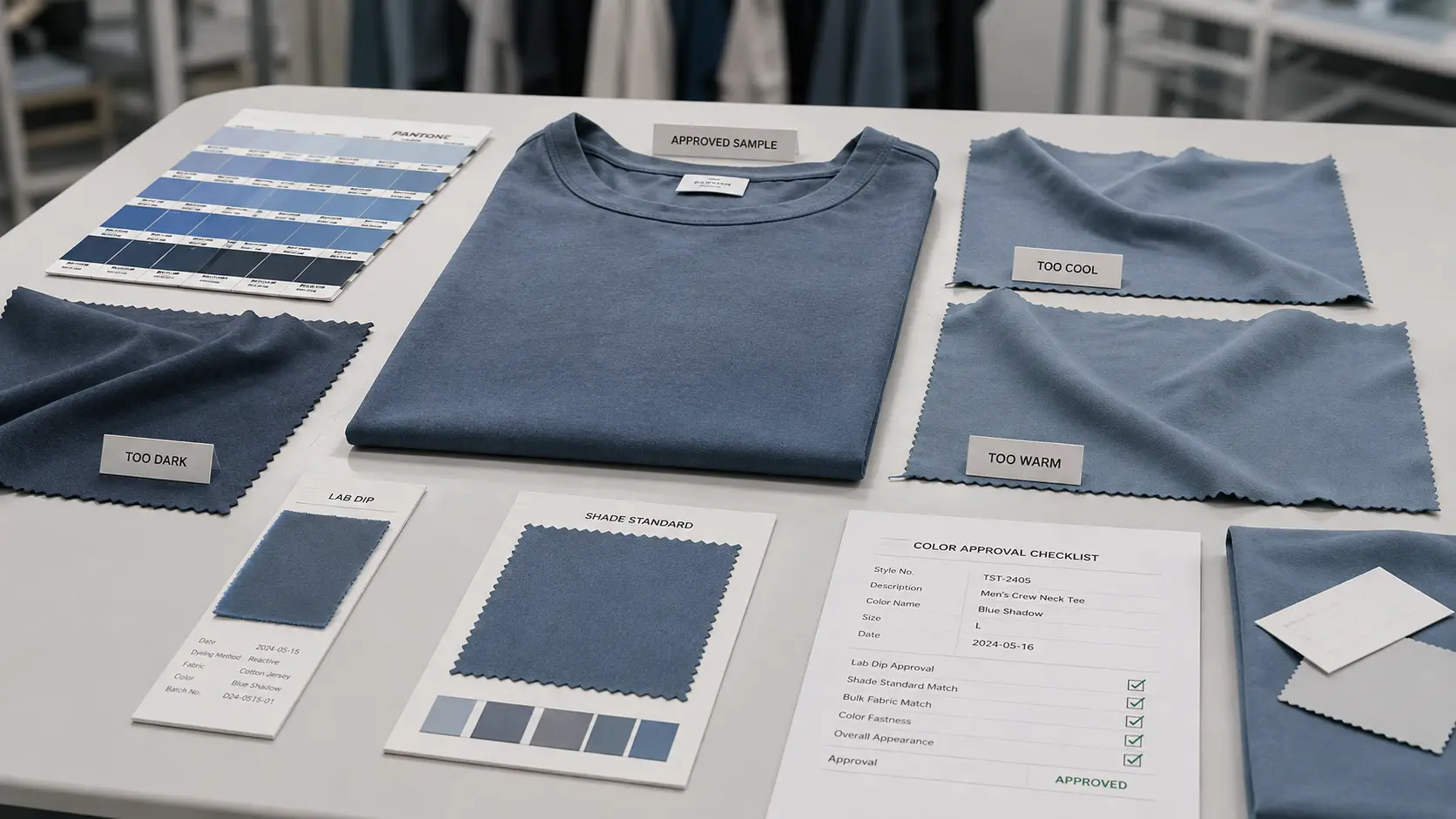
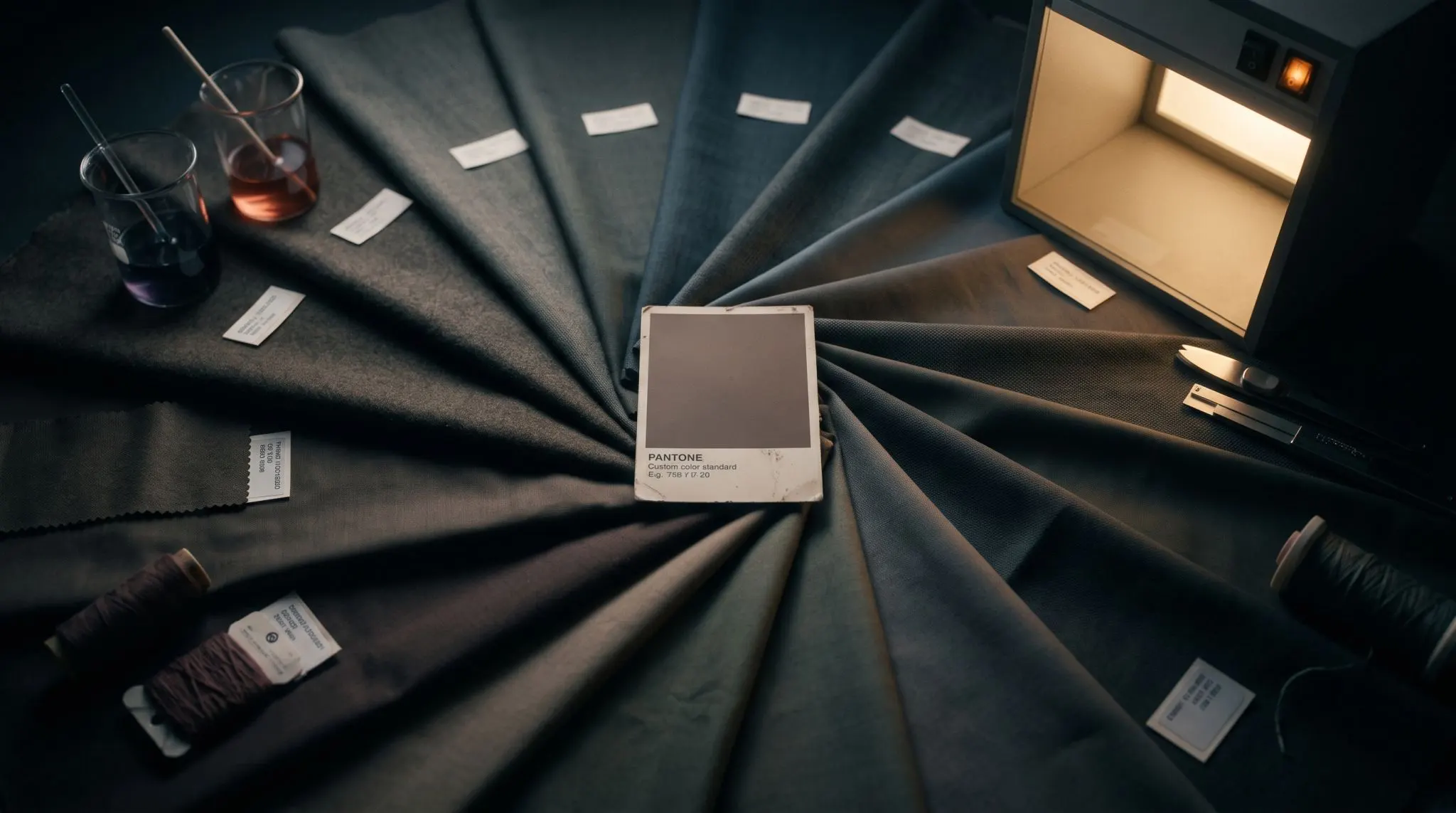
Color mismatch occurs when the production shade does not match the reference that the buyer approved. The difference may be obvious, such as a bulk color looking significantly warmer or darker, or subtle enough that it appears acceptable under one light source but different under another.
Color control requires a defined reference and consistent evaluation conditions. A Pantone reference may guide initial development, but once a lab dip or physical color standard is approved, production teams need to work against that approved reference.
Why Color Mismatch Happens
Color can change between development and bulk because dyeing is influenced by material, process, scale, and finishing. Differences can also appear when the approved reference itself is unclear or when teams evaluate color differently.
Common causes include:
- Lab-scale and bulk dyeing differences
- Variation in raw material or fiber composition
- Finishing changing the perceived color
- Different dye lots
- Incorrect or outdated approved reference
- Different viewing conditions
- Unclear or overly broad color-tolerance criteria
- Communication errors around Pantone or physical standards
What Color Mismatch Means for the Buyer
Color is often a brand-critical requirement. A visible mismatch can make a garment unacceptable even when measurements and sewing are technically correct.
Potential effects include:
- Rejected bulk
- Rework, re-dyeing where technically feasible, or replacement
- Delayed approvals
- Assortment inconsistency
- Retail display inconsistency
- Buyer claims
How Color Should Be Controlled
The process should clearly establish what constitutes an approved color and how bulk production will be compared with it.
Useful controls may include:
- Approved lab dip
- Approved physical shade reference
- Controlled visual evaluation
- Instrumental color measurement where specified
- Bulk shade review
- Clear approval comments
- Defined lot identification
A vague message such as “make it slightly darker” is difficult to reproduce consistently. A documented approved standard gives the production team a stable reference.
For a deeper explanation of lab dips, shade standards, bulk color review, and common color-control risks, see our Color Approval System: Lab Dips, Bulk Shade Control, and Risk Points guide.
3. Shade Variation Within the Same Order
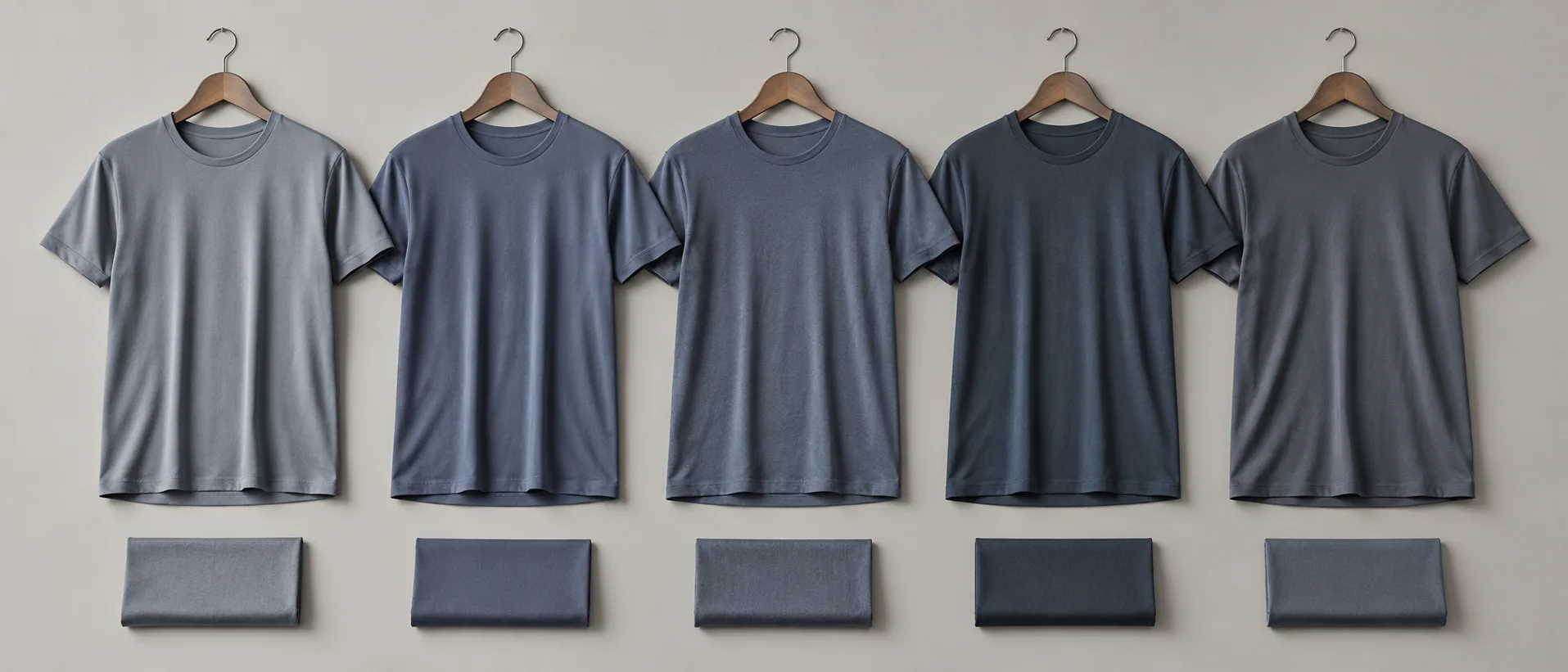
Shade variation is different from simple color mismatch. A bulk fabric can be reasonably close to the approved color but still contain visible differences between rolls, garments, or even panels within the same garment.
This problem becomes particularly serious when different fabric lots are mixed during cutting or when shade control is not maintained through production.
Why Shade Variation Happens
Shade variation usually relates to lot management and process consistency rather than only the target color itself.
Possible causes include:
- Different dye lots
- Fabric-roll variation
- Poor shade segregation
- Mixing panels from different shade groups
- Finishing differences
- Reprocessing
- Weak bundle or roll identification
What Shade Variation Means for the Buyer
Visible shade variation can make products look inconsistent even when each individual shade might be acceptable on its own.
The buyer may see:
- One garment darker than another
- Front and back panels that do not match
- Sleeves that differ from the body
- Different cartons containing noticeably different shades
How Shade Variation Should Be Controlled
Where shade consistency is important, control should begin before sewing.
Possible controls include:
- Shade grouping
- Approved shade band where appropriate
- Fabric-lot identification
- Controlled spreading and cutting
- Panel grouping
- Bundle identification
- Finished-garment shade review
The practical point is simple: once visibly different panels have been sewn together, the correction options become much more limited.
4. Fabric Quality Inconsistency
Fabric quality inconsistency occurs when bulk material does not remain stable in properties that matter to the garment. A fabric can vary in appearance, weight, handfeel, stretch, recovery, width, or performance even when it carries the same general specification.
The problem is important because fabric defects rarely remain isolated to the fabric stage. They often become measurement, fit, workmanship, washing, or appearance problems later.
Common Fabric Problems
Typical fabric-related production problems include:
- GSM variation
- Handfeel changes
- Bowing
- Skewing
- Spirality
- Pilling tendency
- Holes
- Barre effect
- Streaking
- Surface defects
- Width variation
- Stretch or recovery inconsistency
- Lot-to-lot variation
How Fabric Problems Affect the Finished Garment
Different fabric behaviors create different downstream risks.
Examples:
- Dimensional instability can create measurement failures.
- Spirality can twist side seams after washing.
- Poor recovery can affect fit.
- Surface defects may become visible only after cutting.
- GSM variation can change handfeel and appearance.
- Width variation can disrupt cutting efficiency.
- Pilling may appear only after wear or laundering.
How Fabric Quality Should Be Controlled
The control plan should focus on the properties that are critical for the specific product rather than applying the same tests to every fabric.
A premium T-shirt, stretch legging, denim jean, and padded jacket will not have identical material requirements.
The buyer should therefore ask:
Which fabric characteristics are critical for this product, and how will they be verified before cutting?
For a deeper guide to choosing fabric by GSM, composition, construction, and performance requirements, see our Fabric Selection for Clothing Manufacturing: GSM, Composition, Construction, Performance guide.
5. Trim and Accessory Problems
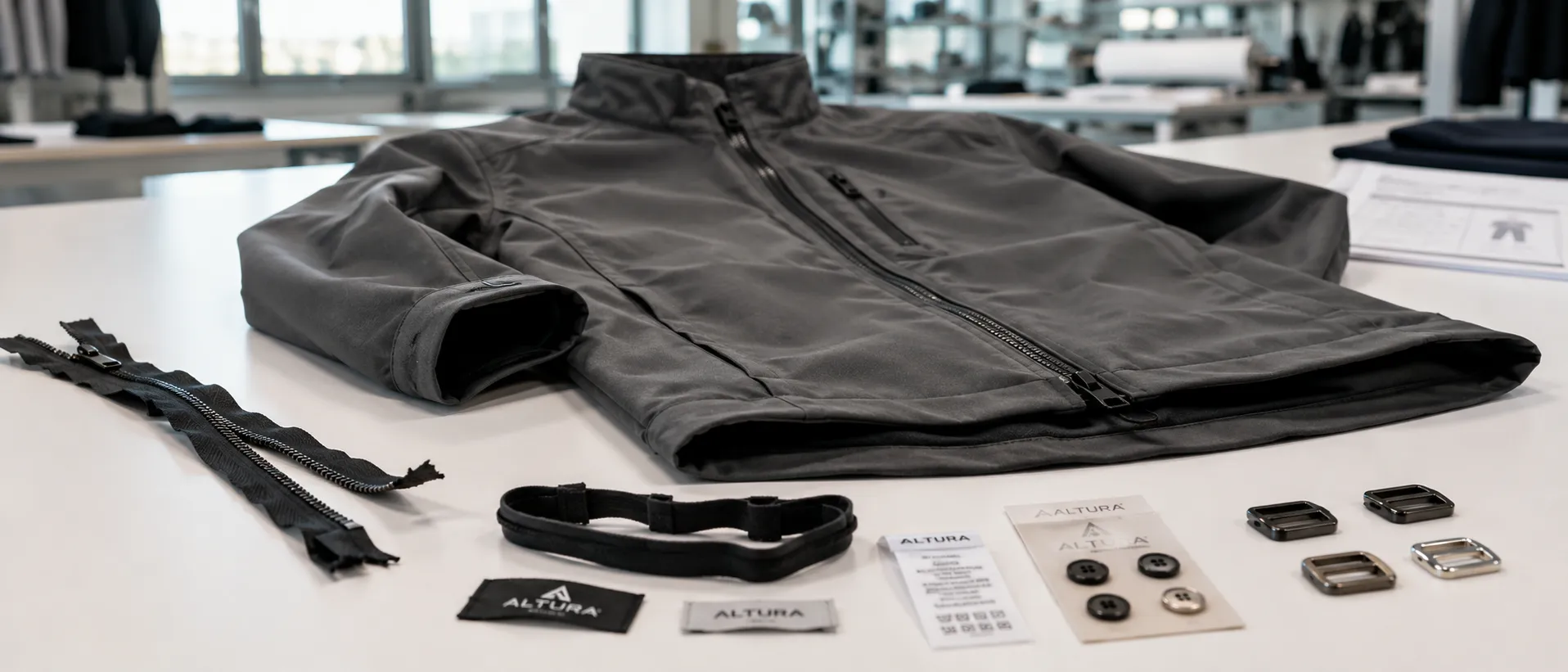
Trims and accessories may be physically small, but they can carry critical functions such as fastening, stretch, branding, identification, or compliance information. A garment can therefore pass fabric and sewing checks and still become unacceptable because of one incorrect or weak component.
Common trim problems include zipper failure, weak elastic, incorrect buttons, wrong labels, color mismatch, hardware finish variation, and unapproved substitution.
Why Trim Problems Happen
Trim problems often begin when specifications are incomplete or when the bulk component is not verified against the development reference.
Possible causes include:
- Different bulk supplier
- Unapproved substitution
- Color variation
- Incorrect dimensions
- Wrong logo or artwork
- Weak functional performance
- Washing or finishing affecting the trim
- Poor attachment
How Trims Should Be Controlled
The production team should be able to answer:
→ What is the approved component?
→ Is there a physical or documented reference?
→ Can substitution happen without buyer approval?
→ Does function need testing?
→ Does the trim survive relevant washing or finishing?
→ Are color, dimensions, branding, and placement correct in bulk?
A zipper failure on one sample is inconvenient. The same zipper failure repeated through a large order becomes a serious production and commercial problem.
Measurement, Fit, and Construction Problems
Measurement, fit, and construction problems can look similar to buyers but may have very different root causes. A garment can fail the measurement chart because of shrinkage or sewing, meet its measurements but still fit poorly, or fit correctly in one size while the grading fails across the size range. The sections below separate these problems so they can be controlled at the correct stage.
6. Measurement Deviations and Tolerance Issues
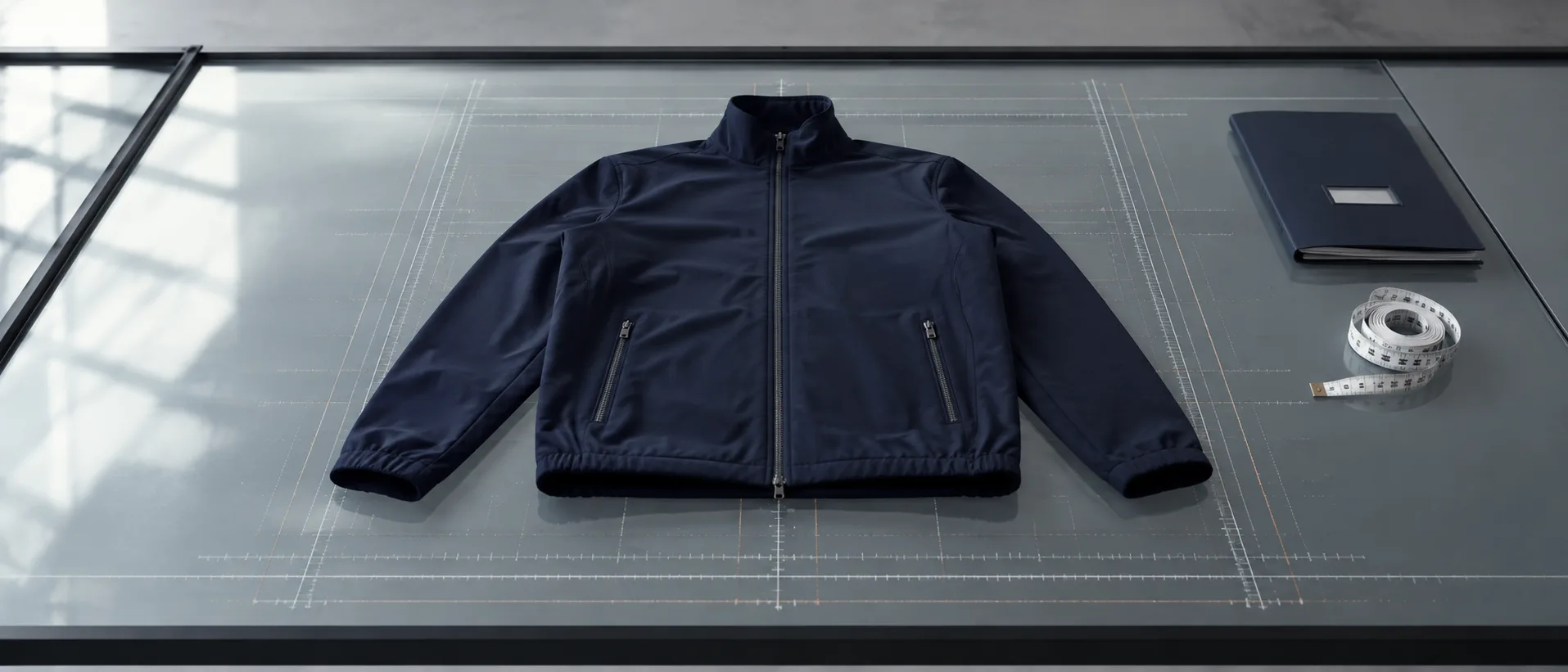
A detailed measurement chart does not automatically prevent measurement problems. Buyer and manufacturer must also agree on how each point of measurement is taken, when the garment is measured, what tolerance applies, and which document revision controls production.
When these details are inconsistent, teams can disagree even while measuring the same garment.
Why Measurements Go Outside Tolerance
Possible causes include:
- Incorrect POM interpretation
- Pattern error
- Cutting variation
- Sewing allowance variation
- Stretching during sewing
- Fabric relaxation
- Shrinkage
- Wrong measuring technique
- Measurement at inconsistent production stages
- Outdated tech-pack revision
- Production drift during bulk
A repeated short body length across many pieces may indicate a pattern, cutting, or shrinkage problem. Random variation may point more strongly toward sewing or process inconsistency.
How Measurement Control Should Work
A useful measurement record should identify:
→ Size
→ Point of measurement
→ Specification
→ Tolerance
→ Actual measurement
→ Pass/fail result
→ Comments where necessary
The same measurement method should be used during development and production so results remain comparable.
For a deeper explanation of POMs, measurement methods, tolerances, and how brands can reduce fit disputes, see our Measurement and Tolerance Guide: How Brands Avoid Fit Disputes.
7. Fit Problems
Fit is broader than measurement compliance. A garment may remain within individual measurement tolerances and still look or feel wrong because the relationship between those measurements, the pattern, and the fabric is incorrect.
Fit therefore needs to be approved visually and functionally, not only numerically.

Why Fit Problems May Happen:
- Pattern balance
- Shoulder slope
- Neck opening
- Armhole shape
- Sleeve shape
- Rise
- Crotch curve
- Ease
- Fabric stretch
- Fabric recovery
- Fabric drape
- Construction method
A neck opening may technically measure correctly yet still appear too large because of neckline shape, rib recovery, or fabric behavior.
How Fit Should Be Controlled
Buyers and manufacturers should separate two questions:
1. Does the garment measure to the agreed specification?
2. Does the garment achieve the approved fit and appearance?
Both questions should be resolved during development and represented in the approved production standard.
8. Size Grading Inconsistency
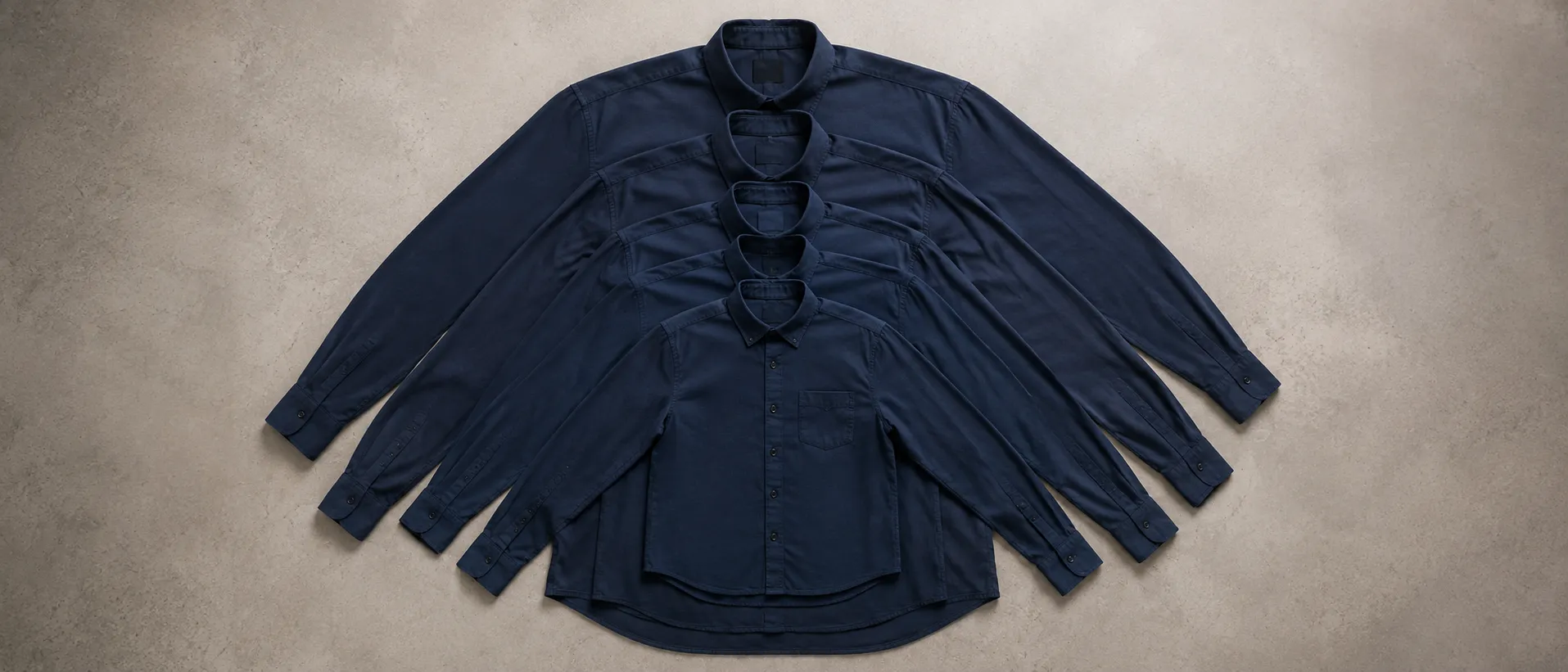
Size grading problems occur when the base size works but smaller or larger sizes do not maintain the intended proportion, fit, or measurement progression. Approving size M does not automatically prove that XS or XXL will work correctly.
This is why size-set approval can be important for styles where grading risk is significant.
Where Grading Problems May Appear:
→ Neck width
→ Shoulder
→ Armhole
→ Sleeve opening
→ Chest
→ Waist
→ Hip
→ Rise
→ Crotch
→ Inseam
→ Garment length
How Size Grading Should Be Controlled
Pattern progression should be checked against the measurement chart and the intended fit.
Where required, a size set can help confirm:
- Measurement progression
- Pattern balance
- Proportion
- Fit across the range
- Consistency between adjacent sizes
The goal is to discover grading problems before the full size range enters bulk cutting.
9. Sewing and Workmanship Defects
Sewing and workmanship problems are among the most recognizable garment defects because they are visible on the finished product. However, repeated sewing defects are not always caused simply by careless operators. Machine setup, construction choice, thread, fabric behavior, and control frequency can all affect the result.
Common problems include open seams, skipped stitches, broken stitches, seam puckering, uneven topstitching, loose threads, raw edges, twisting, poor attachment, and needle damage.
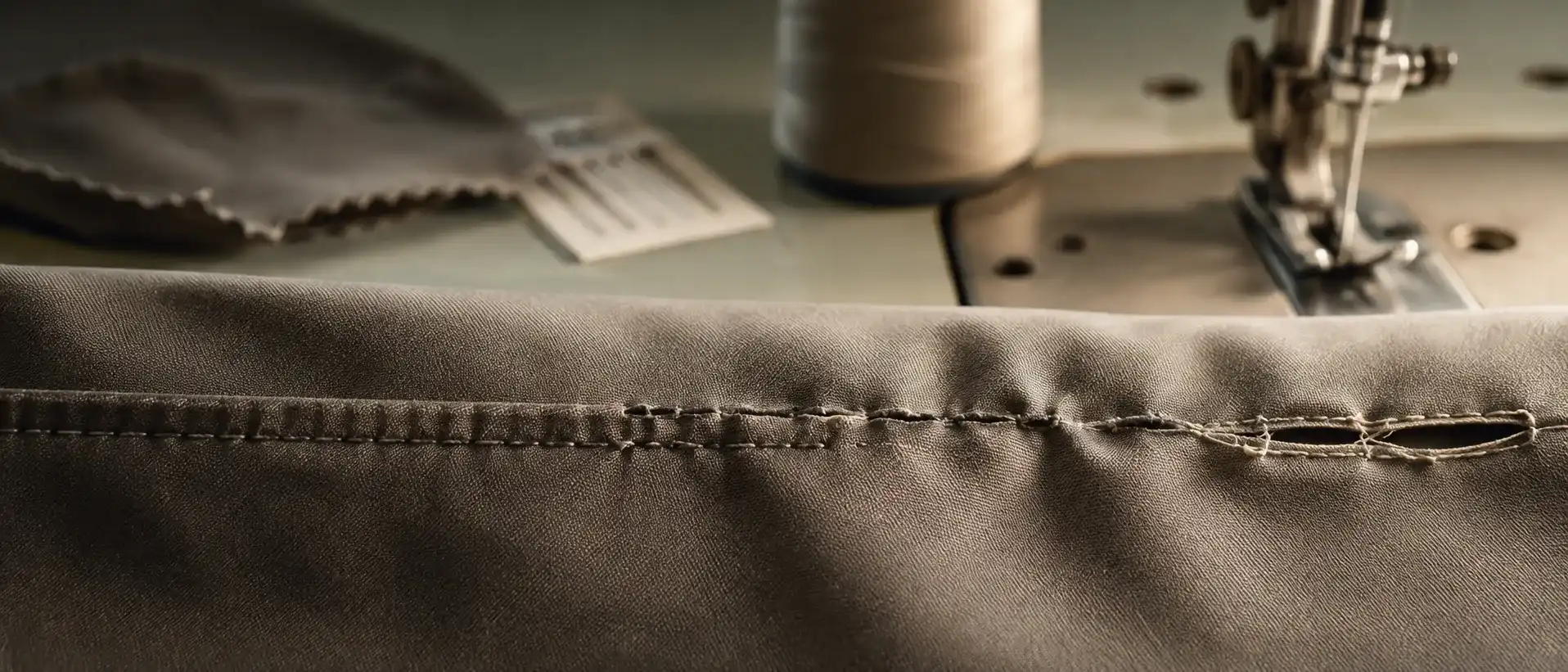
Why Sewing Defects Happen
Possible causes include:
- Incorrect stitch or seam type
- Wrong stitch density
- Thread-tension problems
- Needle selection
- Machine setup
- Feed problems
- Fabric behavior
- Handling
- Operator method
- Insufficient training
- Missing early inspection
Puckering Defects and Open Seam Defects
A puckering defect may result from material behavior, feeding, thread tension, seam construction, or pressing. An open seam defect may come from stitch failure, inadequate seam allowance, incorrect operation, or another construction problem.
The correct response is not simply to repair each affected garment.
The production team needs to determine why the defect is repeating and correct the active cause.
How Sewing Problems Should Be Controlled
Useful controls can include:
- Approved workmanship standard
- First-output approval
- Inline checks
- Critical-operation checkpoints
- Machine-setting verification
- Defect classification
- Immediate feedback
- Re-inspection after correction
For a deeper look at common sewing, fabric, and workmanship defects and how they should be prevented during production, see our Common Defects in Knit/Woven/Denim and How Factories Prevent Them guide.
10. Print, Embroidery, and Decoration Problems
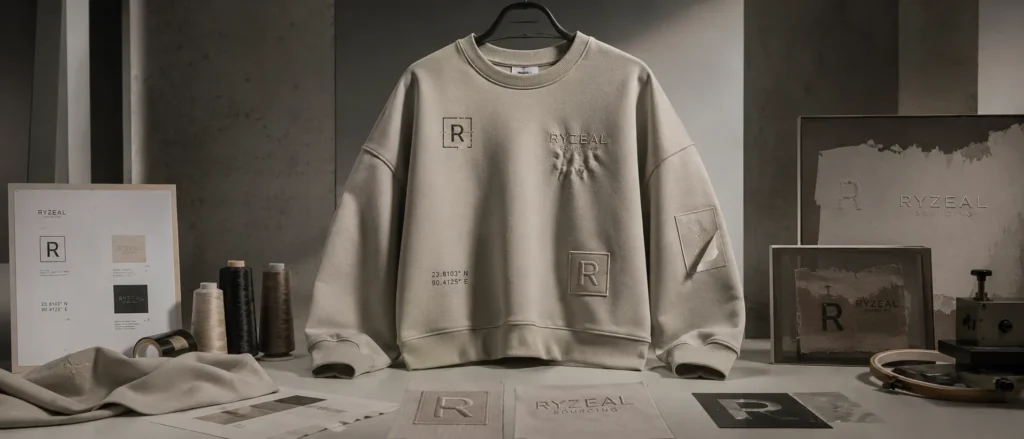
Printing, embroidery, embossing, transfers, and other decoration methods create an additional production stage where a technically correct garment can become unacceptable. Problems may affect appearance, durability, placement, or even damage the underlying fabric.
The production standard should therefore control both the artwork and the physical execution method.
Common Printing Problems
Printing problems may include:
- Incorrect placement
- Wrong artwork size
- Cracking
- Peeling
- Bleeding
- Migration
- Inconsistent coverage
- Wrong color
- Heat marks
- Pressure marks
Common Embroidery Problems
Embroidery problems may include:
- Puckering
- Incorrect placement
- Wrong thread color
- Excessive or insufficient density
- Distortion
- Backing problems
- Fabric damage
How Decoration Problems Should Be Controlled
The artwork file alone is not enough.
Production may need:
- Approved strike-off
- Approved placement
- Approved size
- Approved color
- Confirmed technique
- Bulk-representative material
- First-output verification
Processes involving heat, pressure, washing, or chemicals should be evaluated against the actual garment material because the same decoration method can behave differently on different fabrics.
Production Problems That Turn Small Errors Into Large Claims
Some production problems become expensive not because the original defect is unusually severe, but because the process allows it to repeat across hundreds or thousands of garments. This section focuses on the transition from approved development into bulk manufacturing, where weak handover, weak first-output control, or late detection can turn a manageable issue into a shipment-level problem.
11. Approved Sample vs Bulk Production Mismatch
One of the most frustrating garment production problems for buyers occurs when the development sample was approved but the bulk product does not reproduce it.
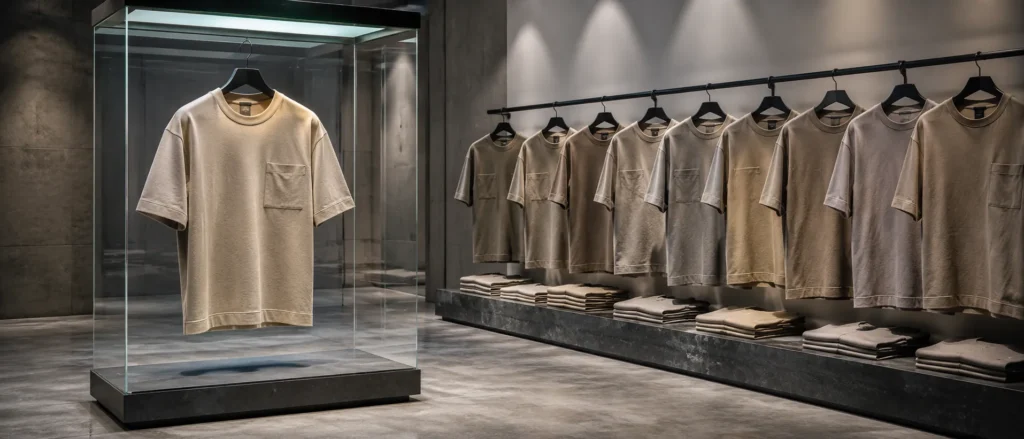
The buyer may have approved fabric, lab dip, artwork, fit, size set, and PP sample, yet the finished bulk can still differ.
Why Sample-to-Bulk Mismatch Happens
Possible causes include:
- Different fabric lot
- Material substitution
- Different trims
- Different production machines
- Different operators
- Different production line
- Old specification revision
- Weak pre-production handover
- Approval comments not reaching the line
- Bulk process changes
- Missing first-output verification
The problem is not that sample approval was unnecessary. The problem is that the approved standard was not translated into repeatable bulk execution.
How Sample-to-Bulk Risk Should Be Controlled
The PP sample should function as an active production reference.
Before production accelerates, first output should be checked for critical points such as:
- Measurements
- Construction
- Material
- Artwork
- Trims
- Workmanship
- Finishing
- Overall appearance
A strong PP and first-output process helps confirm that the actual line is producing the approved product.
12. Small Problems Multiplying During Bulk Production
A defect on one garment and the same defect on 2,000 garments represent very different levels of production risk. The first may be isolated. The second shows that the process allowed the same problem to repeat.
This is why production control should focus on trends rather than only individual defective pieces.
Why Repeated Problems Spread
Common causes include:
- Incorrect machine settings
- Wrong operation method
- Misunderstood specification
- Pattern or cutting error
- Repeated material problem
- Lack of early feedback
- Poor containment
- No verification after correction
How Repeat Defects Should Be Controlled
A useful response is:
Detect → Contain → Correct the Process → Verify the Next Output → Continue When Stable
Inline inspection matters because the production line can still be adjusted. The purpose is not simply to count defects; it is to identify repeating patterns while the correction scope is still manageable.
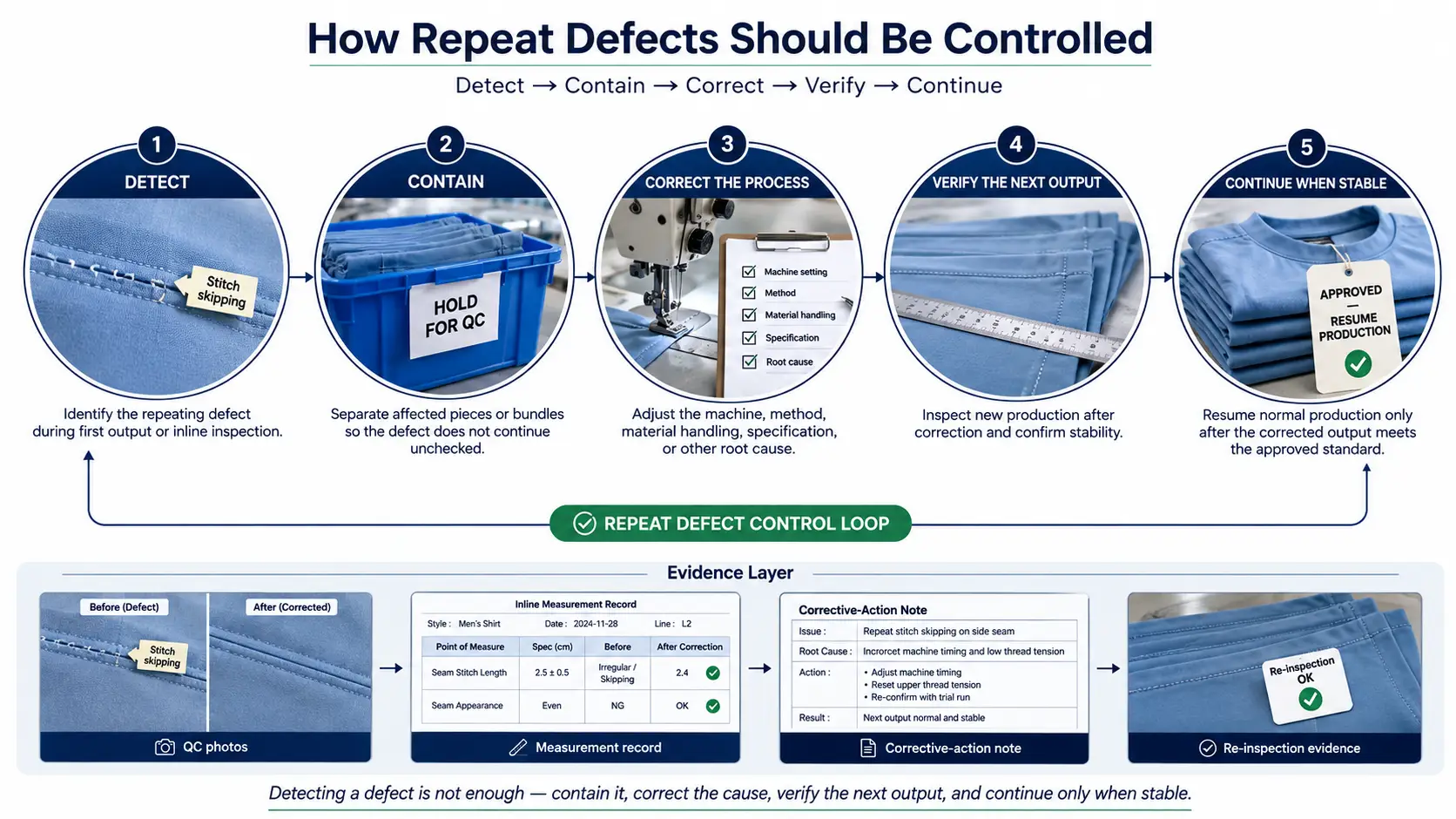
For a deeper explanation of how first-output checks stop repeat defects before production reaches full volume, see our Line Pilot and First Output Approval: How to Stop Defects Early guide.
13. Washing and Finishing Problems
Washing and finishing can materially change the garment after sewing. A garment that looked correct before finishing can emerge with different measurements, shade, handfeel, surface appearance, or trim performance.
Finishing should therefore be treated as part of product quality rather than only presentation.

Common Washing and Finishing Problems
Potential issues include:
- Unexpected shrinkage
- Shape distortion
- Shade change
- Uneven wash effect
- Handfeel variation
- Stains
- Creases
- Pressing damage
- Shine marks
- Trim damage
- Surface inconsistency
Why Finishing Problems Happen
Possible causes include:
- Process variation
- Wash temperature or time
- Mechanical action
- Chemical variation
- Drying conditions
- Pressing temperature
- Pressure
- Fabric sensitivity
- Trim sensitivity
How Finishing Should Be Controlled
Where finishing materially changes the garment, development should establish the expected finished standard.
Useful controls may include:
- Approved wash reference
- Defined process
- Post-wash measurements
- Appearance check
- Shade check
- Trim-function check
- First-batch review
For washed products, the finished reference should guide approval rather than relying only on the pre-wash garment.
14. Problems Discovered Too Late
Sometimes the main production failure is not the defect itself. It is the fact that the defect was not identified until most of the order had already been completed.
The later a systematic problem is discovered, the fewer correction options remain and the larger the affected quantity may be.
Early Detection vs Late Detection
A measurement problem found during first output may involve a small number of garments.
The same problem discovered after sewing completion may require widespread alteration.
A packing mistake identified before cartons are sealed may be simple to correct.
The same mistake found after delivery may become a warehouse or buyer claim.
The relationship is straightforward:
Earlier detection
→ smaller containment area
→ more correction options
→ less disruption
Later detection
→ larger rework scope
→ greater delivery risk
→ fewer practical options
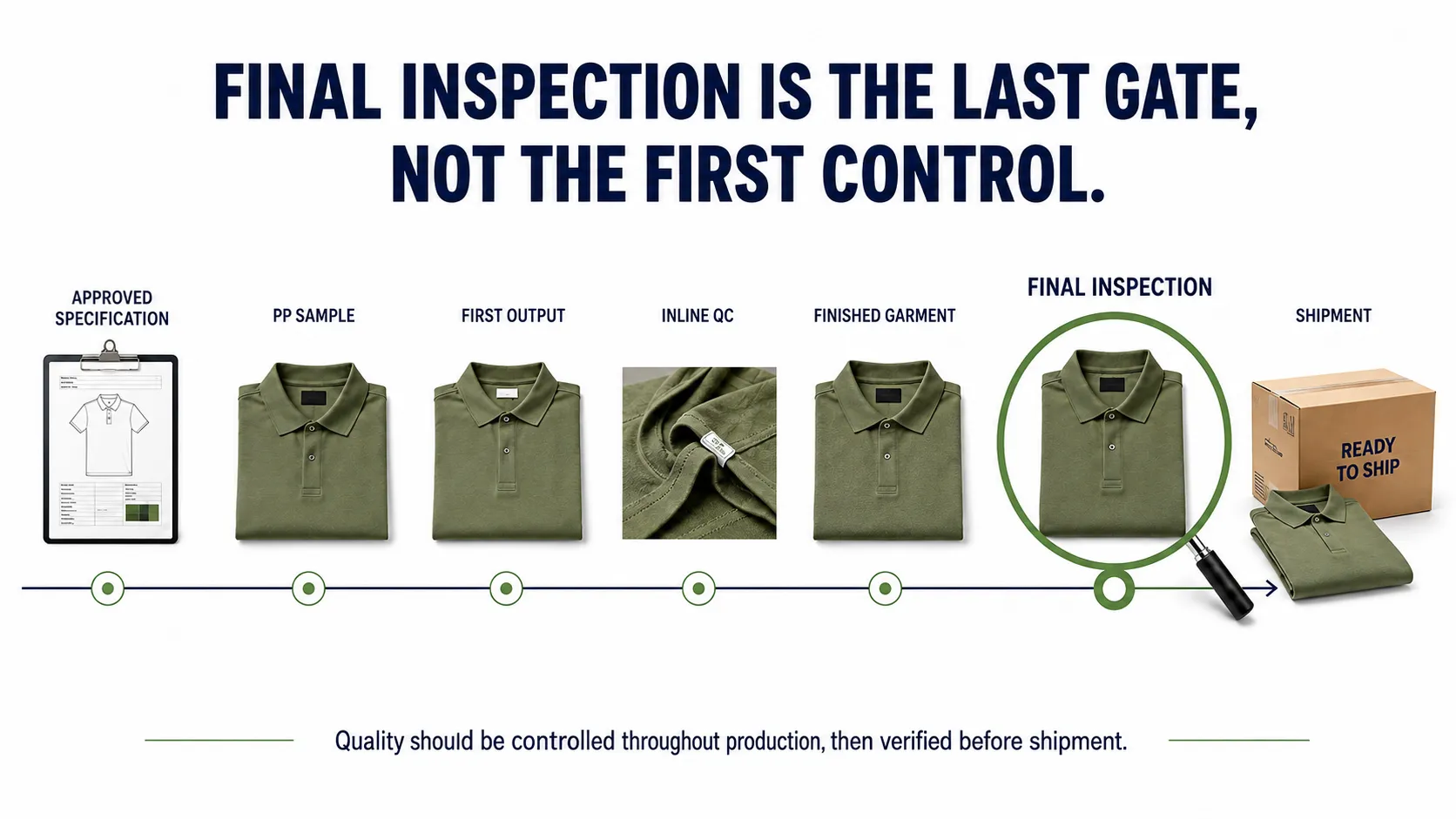
Why Final Inspection Is Not Enough
Final inspection remains important, but it should confirm shipment readiness rather than discover every systemic production problem for the first time.
Sampling-based final inspection helps make shipment decisions, but it does not replace:
- Development control
- PP approval
- First output
- Inline inspection
- Corrective action
Packing and Shipment Problems
Production risk does not end when sewing and finishing are complete. Packing, labeling, assortment, and carton errors can make an otherwise acceptable garment shipment commercially incorrect. For buyers working with multiple SKUs, destinations, size ratios, or retailer-specific requirements, these final-stage controls are especially important.
15. Packing, Labeling, and Assortment Errors
A garment can be perfectly sewn and still become a defective shipment if it is packed incorrectly.
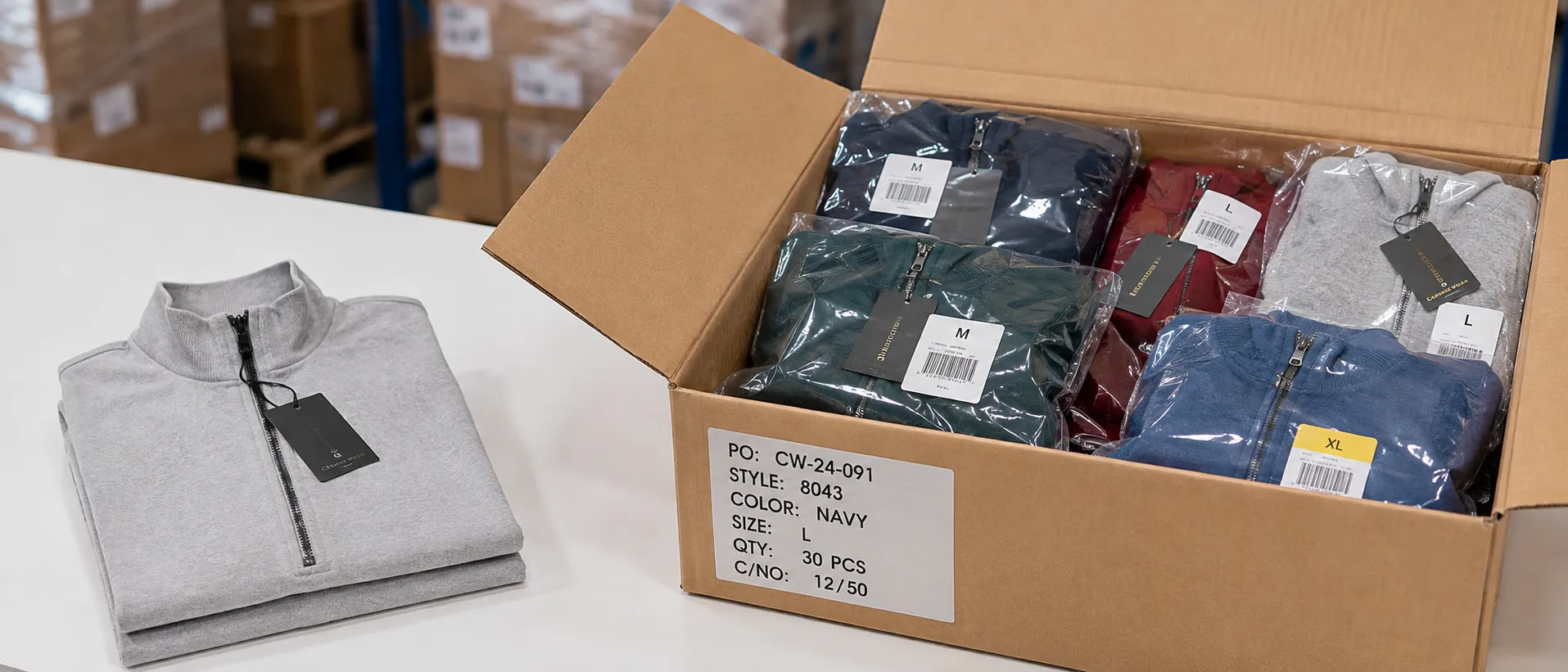
Potential problems include:
- Wrong size ratio
- Wrong color ratio
- Mixed styles
- Missing units
- Wrong barcode
- Incorrect hangtag
- Incorrect care label
- Incorrect country-of-origin labeling
- Wrong polybag
- Incorrect folding
- Missing protective materials
- Wrong carton marks
- Weak cartons
- Incorrect carton quantities
- Wrong packing method
Why Packing Problems Happen
Packing problems often come from:
- Unclear packing instructions
- Wrong packing-list version
- Manual assortment errors
- Label mix-ups
- Incorrect barcode data
- Poor segregation
- Weak final verification
How Packing Should Be Controlled
Before shipment release, the packing audit should verify the physical shipment against the approved PO and packing requirements.
Possible evidence includes:
- Assortment checks
- Label photographs
- Barcode verification where required
- Carton marks
- Packing-list comparison
- Carton quantity verification
- Final packing photographs
Packing is part of production quality because the buyer receives the complete shipment, not only the sewn garment.
For a deeper guide to checking measurements, workmanship, packing, labels, assortment, and carton quality before shipment release, see our Final Inspection Checklist: Measurements, Workmanship, Packing, Carton Quality guide.
A Production Problem Is Not Always a Factory Workmanship Problem
Production problems should not automatically be described as factory workmanship failures. The visible symptom may originate in buyer specifications, fabric behavior, development decisions, patterns, communication, production execution, or packing instructions. Correct diagnosis matters because the wrong diagnosis leads to the wrong corrective action.
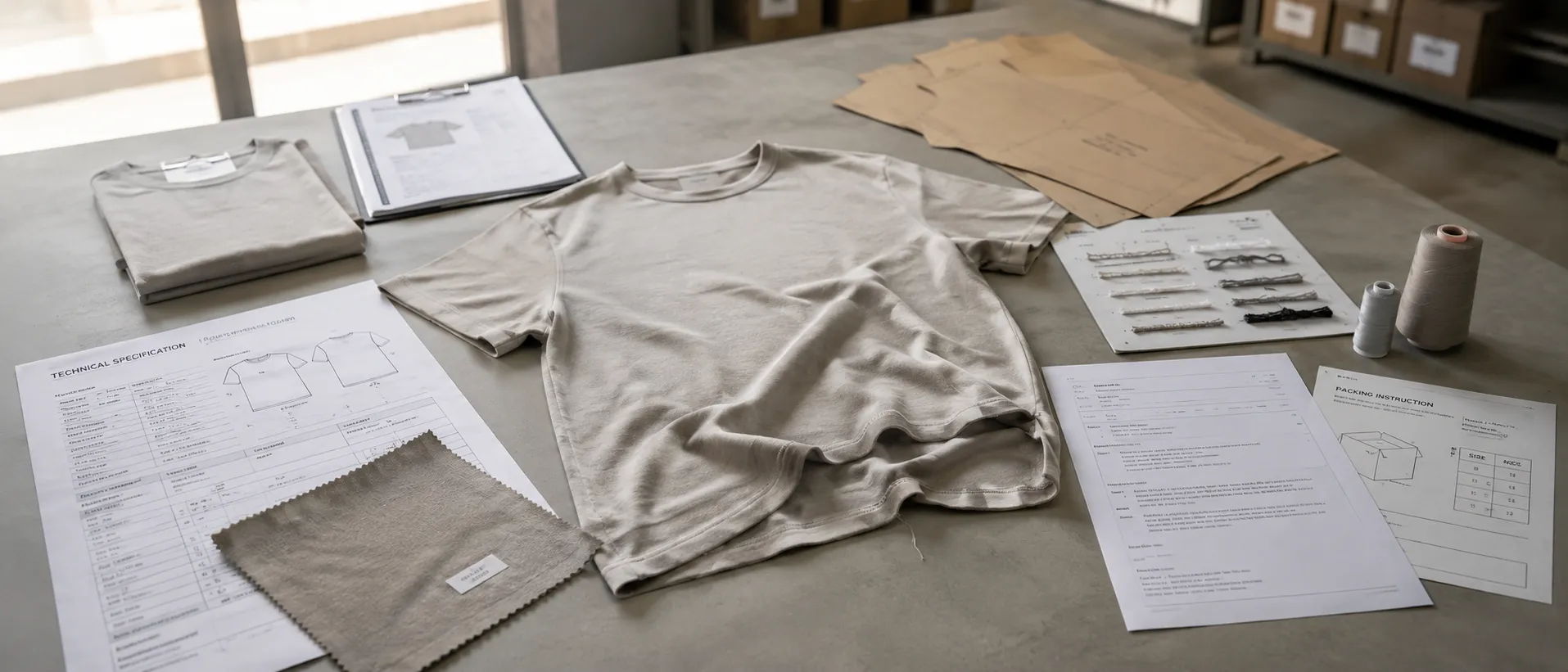
| Source of Problem | Example |
|---|---|
| Buyer specification | Measurement point or instruction is ambiguous |
| Material behavior | Fabric shrinks more than expected |
| Development approval | Shade tolerance was never clearly locked |
| Pattern or grading | Size progression creates poor fit |
| Factory execution | Incorrect sewing method or machine setting is used |
| Communication | An outdated tech-pack revision reaches production |
| Production control | A repeat defect is identified too late |
| Packing instruction | Assortment or labeling requirement is unclear |
If fabric shrinkage caused a measurement failure, telling the sewing operator to work more carefully will not solve it.
If the approved pattern is wrong, final inspection cannot repair the underlying fit system.
If an old tech-pack revision was used, the corrective action needs stronger document control as well as correction of the affected garments.
A professional root-cause approach therefore asks:
- What exactly failed?
- Where did the variation begin?
- Why did the existing control not detect it?
- What must change immediately?
- What will prevent recurrence?
This distinction also separates correction from corrective action.
Repairing defective units is correction.
Changing the process so the same problem does not continue is corrective action.
For a deeper explanation of containment, root-cause analysis, rework, replacement, and how corrective actions should be verified before closure, see our Corrective Action Workflow: Root Cause, Rework, Replacement, Claim Handling guide.
How RYZEAL Sourcing Manages Garment Production Problems and Production Risks
RYZEAL SOURCING operates as a single manufacturing partner through a vetted factory network, matching each product with the most suitable production route while managing sampling, approvals, quality control, production monitoring, and shipment readiness. The goal is not to claim that garment production problems can never occur. The goal is to make specifications, approvals, checkpoints, evidence, and escalation more controlled so problems can be identified and managed before they become shipment-level failures.

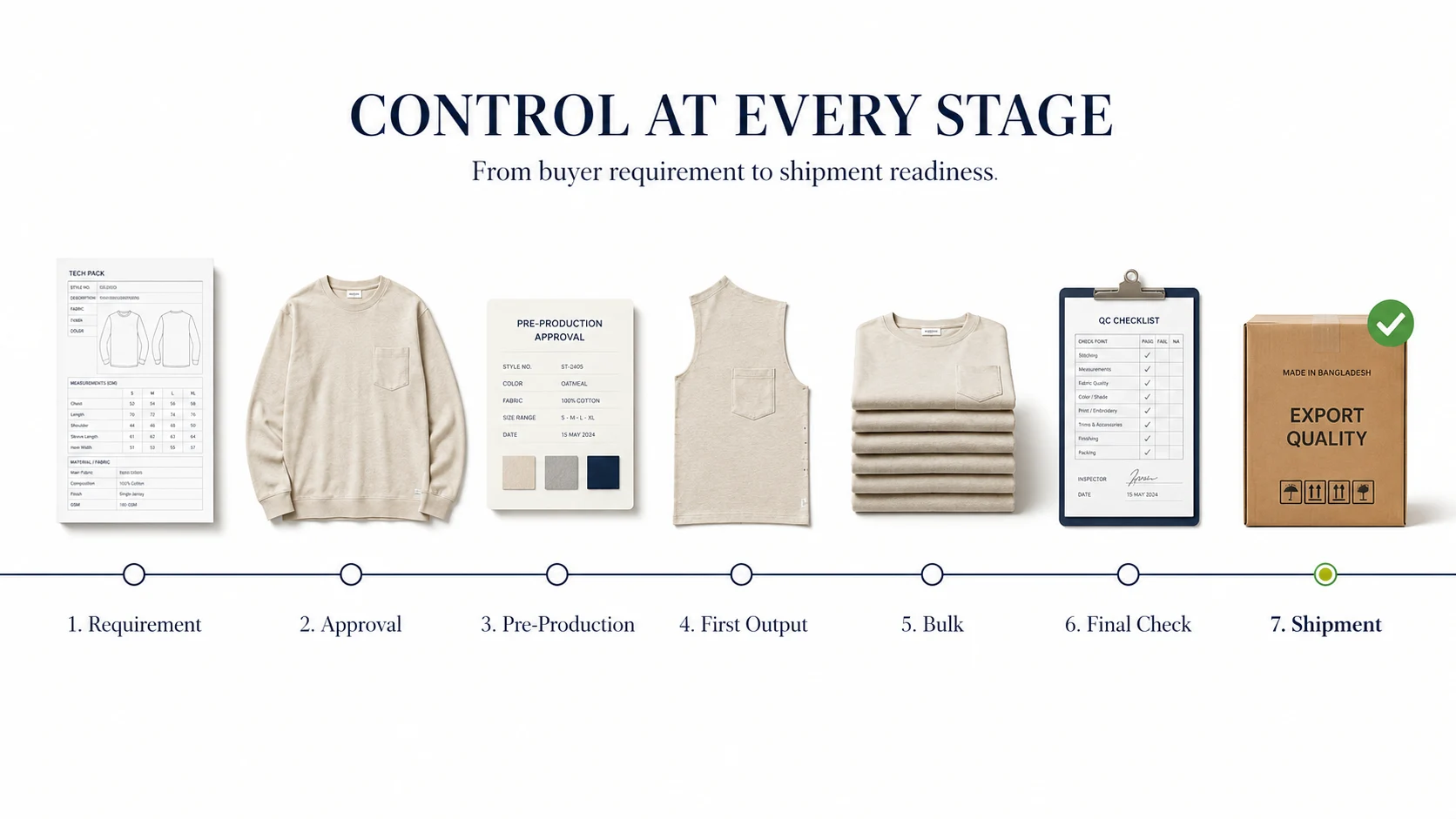
1. Requirement Review
Production control begins with understanding what the buyer actually requires. A clear requirement review reduces the chance that ambiguity enters development and later becomes a bulk-production dispute.
Depending on the product, the review may cover:
- Tech pack
- Reference garment
- Measurement chart
- Fabric specification
- Trims
- Artwork
- Color standards
- Testing requirements
- Packing instructions
- Target-market requirements
The earlier an unclear requirement is identified, the easier it is to resolve.
2. Development and Approval Control
Development approvals convert the buyer’s expectations into production references. These references should be documented clearly enough that the production team can reproduce them later.
Depending on the style, relevant approvals may include:
- Fabric
- Lab dips
- Strike-offs
- Measurements
- Fit
- Construction
- Trims
- Size set
- PP sample
- Packaging references
The objective is to reduce interpretation once production begins.
3. Pre-Production Alignment
Before bulk production starts, the approved requirements need to reach the actual production team. A strong pre-production alignment process helps prevent approved information from remaining only in emails or development files.
Relevant items may include:
- Approved sample
- Approved materials
- Measurement chart
- Workmanship requirements
- Artwork
- Trim references
- Finishing
- Packing
- Critical risk points
The production team should understand what is approved, what cannot be changed without permission, and what requires additional attention.
4. Early Production Control
The first production output is one of the best opportunities to confirm that development has been translated correctly into bulk execution.
The focus should be on critical characteristics such as:
- Measurements
- Workmanship
- Material
- Artwork
- Trims
- Construction
- Appearance
If something is wrong, the response should be to contain the issue, correct the active cause, and verify the next output before production volume increases.
5. Bulk Production Monitoring
Once the line is stable, production monitoring focuses on consistency. The exact checkpoints depend on the garment and risk level, but the purpose remains the same: detect trends early rather than wait for final inspection.
Relevant areas may include:
- Measurements
- Workmanship
- Shade
- Materials
- Artwork
- Finishing
- Production progress
- Repeated defects
- Corrective actions
A small deviation can be manageable when identified early. The same deviation can become a claim when repeated across bulk.
6. Final Verification
Final verification confirms that finished production and packing match the approved requirements before shipment readiness is established.
Checks may cover:
- Workmanship
- Measurements
- Appearance
- Labels
- Assortment
- Packing
- Cartons
- Quantities
The inspection should refer back to approved specifications rather than introducing new standards at the end of production.
7. Corrective Action When Something Goes Wrong
When a production problem occurs, the objective should be to protect the current order and reduce the chance of recurrence.
A practical corrective loop is:
Contain → Investigate → Correct → Verify → Prevent Recurrence
Reworking defective garments may protect the shipment, but rework alone does not prevent the same cause from continuing.
What Buyers Can Do to Reduce Production Risk Before Bulk Starts
Manufacturers carry major responsibility for production execution, but buyers also influence how controllable the order becomes. Clear specifications, timely approvals, controlled document revisions, and complete packing instructions make it easier for production teams to reproduce the intended product consistently.
Before releasing bulk, buyers should confirm:
- Final tech-pack revision
- Approved measurement chart
- Defined tolerances
- Approved materials
- Approved trims
- Approved color reference
- Artwork size and placement
- Approved sample status
- Testing requirements
- Packaging instructions
- Delivery requirements
- Who has authority to approve changes
If an important change happens after PP approval, confirm:
What changed? Who approved it? Which document was updated? Does the production team have the same revised information?
That discipline can prevent many clothing production problems before they become bulk claims.
Frequently Asked Questions About Garment Production Problems
The following questions summarize the main concerns buyers commonly have when trying to understand production risk. They are intentionally concise so readers and search systems can extract clear answers without losing the practical context explained throughout the article.
What Are the Most Common Garment Production Problems Buyers Face?
Common garment production problems include shrinkage, measurement deviations, color and shade variation, fabric inconsistency, fit and grading problems, sewing defects, decoration problems, sample-to-bulk mismatch, washing and finishing issues, late defect detection, and packing errors. The exact risks depend on the product, fabric, construction, finishing, and production process.
Why Can Bulk Garment Production Differ From an Approved Sample?
Bulk production introduces larger material quantities, different lots, more operators, machines, handling, and process variation than development sampling. A strong pre-production handover and first-output check help confirm that bulk is reproducing the approved standard rather than merely referring to it.
What Causes Garment Shrinkage After Washing?
Garment shrinkage can result from fabric dimensional behavior, washing and drying conditions, finishing, relaxation, or inadequate compensation during product development. The result should be evaluated using an agreed wash or testing procedure so buyer and manufacturer are comparing the same conditions.
Why Do Garment Measurements Go Outside Tolerance During Bulk Production?
Possible causes include pattern or cutting variation, sewing handling, fabric relaxation, shrinkage, inconsistent measuring methods, and production drift. The first step is to determine whether the problem is systematic or isolated and then identify where the variation entered the process.
What Causes Color Mismatch and Shade Variation in Garments?
Color mismatch can result from differences between development and bulk dyeing, material response, finishing, or evaluation conditions. Shade variation within the same order may also result from dye-lot differences, roll variation, or uncontrolled lot mixing.
What Sewing Defects Commonly Appear During Garment Production?
Common sewing defects include puckering, open seams, skipped stitches, broken stitches, uneven topstitching, loose threads, poor attachments, and needle damage. Repeated defects should trigger investigation of construction, machine settings, thread, fabric behavior, method, and production control.
Why Should Garment Production Problems Be Detected During Inline Inspection?
Inline inspection identifies problems while production can still be corrected. Early detection limits the affected quantity and gives the production team more options to contain the issue, correct the process, and verify the next output before the same problem spreads across bulk.
What Should Buyers Verify Before Garments Are Released for Shipment?
Buyers should verify the agreed final-inspection scope, measurements, workmanship, appearance, labeling, assortment, packing, quantities, and any required corrective actions. Final verification should be based on the approved specifications and references rather than subjective expectations introduced at shipment stage.
Final Takeaway: Preventing Garment Production Problems Requires Control at the Right Stage
Garment production problems are rarely managed well by waiting until the shipment is complete and expecting final inspection to discover everything. Different problems need to be controlled where they originate: shrinkage during material and development control, shade during dye-lot management, fit during pattern and sample approval, workmanship during first output and inline production, and packing before shipment release.
The same principle applies when something goes wrong. The most useful question is not simply:
“Who made the mistake?”
A stronger production-control approach asks:
Where did the problem begin? Why was it not detected earlier? What needs to be corrected now? What control will prevent it from happening again?
That is how production moves from reactive defect finding to controlled manufacturing.
Planning an Apparel Order?
If you are preparing a garment order and want to review material, measurement, approval, production, or quality risks before bulk moves forward, book an appointment with RYZEAL SOURCING to discuss the key control points for your product.
Connect with RYZEAL SOURCING
 English
  Chinese
  French
  Dutch
Dutch  Japanese