How UK Fashion Brands Are Rethinking Apparel Manufacturing
UK fashion buyers operate in one of the world’s most trend-sensitive, competitive, and commercially demanding apparel markets. Many brands search for an Apparel Manufacturer UK, garment manufacturers UK, British clothing manufacturers, UK clothing manufacturers, or clothing manufacturers suppliers because they want better communication, quality control, sampling support, and dependable production. But the UK fashion supply chain is not purely local. It is deeply connected to overseas sourcing, international manufacturing, import planning, compliance expectations, retail margin pressure, and fast-moving consumer demand. For UK brands, wholesalers, retailers, private-label businesses, and startups, the real challenge is not only finding a clothing manufacturer. It is choosing a manufacturing route that protects quality, controls cost, supports scalability, and keeps production commercially realistic.
The UK Fashion Market Runs on Global Supply Chains
The UK apparel market has a long history of design, retail, branding, and fashion influence, but modern UK fashion is strongly connected to global production. Many UK brands design locally, sell through stores or online platforms, and manufacture through overseas supply chains. This is not unusual. It is part of how the modern UK fashion industry operates.
The Office for National Statistics reported that UK goods imports increased by £2.6 billion, or 5.8%, in October 2024, with non-EU imports rising by £1.4 billion, or 6.9%. Within that increase, the ONS specifically noted that the rise in non-EU miscellaneous manufactures imports was mainly because of increased clothing imports from Bangladesh. This is important because it directly shows how Bangladesh already participates in the UK apparel import system. (Source: Office for National Statistics, 2024)
For UK buyers, this means overseas manufacturing is not a secondary or unusual option. It is already part of the country’s clothing supply reality. A clothing supplier, clothing wholesaler, or apparel manufacturer serving the UK must understand how global sourcing works, because many products sold in the UK are manufactured outside the UK.
This does not reduce the importance of UK clothing manufacturers. Local manufacturers still play a valuable role in sampling, premium collections, small-batch production, quick replenishment, and “Made in UK” positioning. But for commercial-scale production, many brands need wider manufacturing access. T-shirts, hoodies, sweatshirts, joggers, polo shirts, uniforms, activewear, children’s clothing, woven shirts, denim, and private-label garments often require a deeper production base than one local factory can provide.
A UK brand may start by looking for local manufacturers because local search feels safer. But after comparing production cost, MOQ, machinery, fabric availability, category coverage, and scaling potential, many buyers also explore overseas options. The best sourcing decision is not always local or overseas. It depends on the product, order quantity, quality expectation, price target, and long-term growth plan.
Why UK Buyers Still Search for Local Manufacturing First
UK buyers search for garment manufacturers UK, British clothing manufacturers, garment manufacturers Manchester, and UK apparel manufacturers for practical reasons. Local production can offer easier communication, shorter travel distance, faster physical sample review, and better control for small production runs. For designer labels, premium capsule collections, made-to-order products, or urgent sampling, local manufacturing can be a strong option.
A startup brand may prefer local sampling because it wants to test fit and construction before committing to bulk production. A boutique label may choose British clothing manufacturers because “Made in UK” supports its brand identity. A small fashion business may work with a local clothes manufacturer because the first order is too small for overseas production.
But local production is not always suitable for every business model. UK operating costs can be high, and many local factories are better suited for small or specialist production rather than large-scale price-sensitive orders. When buyers need commercial pricing, broader fabric sourcing, multiple product categories, or scalable bulk capacity, overseas manufacturing becomes more practical.
This is especially relevant for UK buyers in competitive categories such as streetwear, activewear, gymwear, children’s clothing, casualwear, uniforms, and private-label basics. These products often compete on both quality and price. If the production cost is too high, the final retail or wholesale price may become difficult to sustain.
That is why UK brands need to understand where each production route fits. Local factories may be excellent for development, sampling, premium niche products, or short runs. Bangladesh manufacturing can be useful for scalable apparel production, cost control, and category depth. A strong sourcing strategy does not dismiss local manufacturing. It uses local and overseas options intelligently based on buyer needs.
Post-Brexit Pressure and the Need for Smarter Sourcing
The UK fashion sector also faces trade complexity, especially for smaller businesses. According to The Guardian, UK clothing and footwear exports to the EU fell from £7.4 billion in 2019 to £2.7 billion in 2023, with small and medium-sized businesses especially affected by additional trade friction and paperwork after Brexit. (Source: The Guardian)
This matters for sourcing because UK brands are already dealing with margin pressure, documentation requirements, shipping complexity, and changing retail conditions. When a business is managing design, sales, inventory, marketing, and fulfillment, production problems can become expensive very quickly.
A delayed sample can delay a launch. A wrong fabric can damage customer trust. Weak stitching can increase returns. Poor packaging can affect retail presentation. Unclear export documentation can slow shipment. For SMEs and startups, these issues can be harder to absorb than for large retailers.
This is why UK buyers need more than a supplier name from a search result. They need a structured production route. A clothing manufacturer should help review product details, suggest suitable fabric, develop samples, explain realistic MOQs, guide costing, control quality, and coordinate shipment. For UK buyers searching for clothing manufacturers for startups or wholesale apparel manufacturers, the real value is not only manufacturing capacity. It is production control.
A smarter sourcing strategy should ask: Which product should be sampled locally? Which product should be manufactured overseas? Which supplier can handle the fabric and construction? What certifications are needed? What is the realistic production timeline? How can quality be checked before shipment?
For UK buyers, Bangladesh becomes relevant because it offers a mature RMG production ecosystem and already has a strong connection with UK apparel imports. The next question is how Bangladesh can support UK brands in a reliable and commercially useful way.
Why Bangladesh Is a Serious Manufacturing Option for Apparel Manufacturer UK Buyers
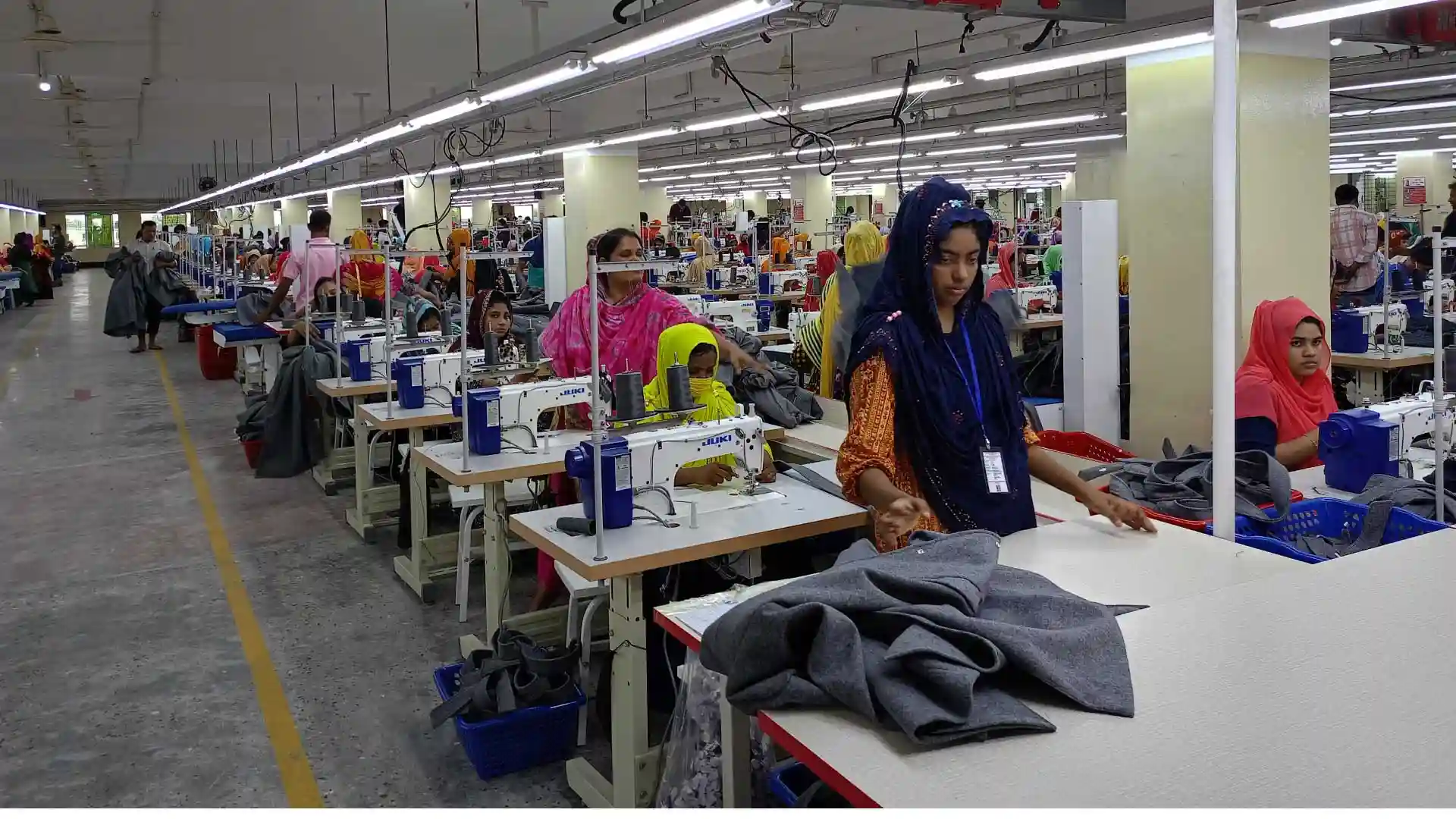
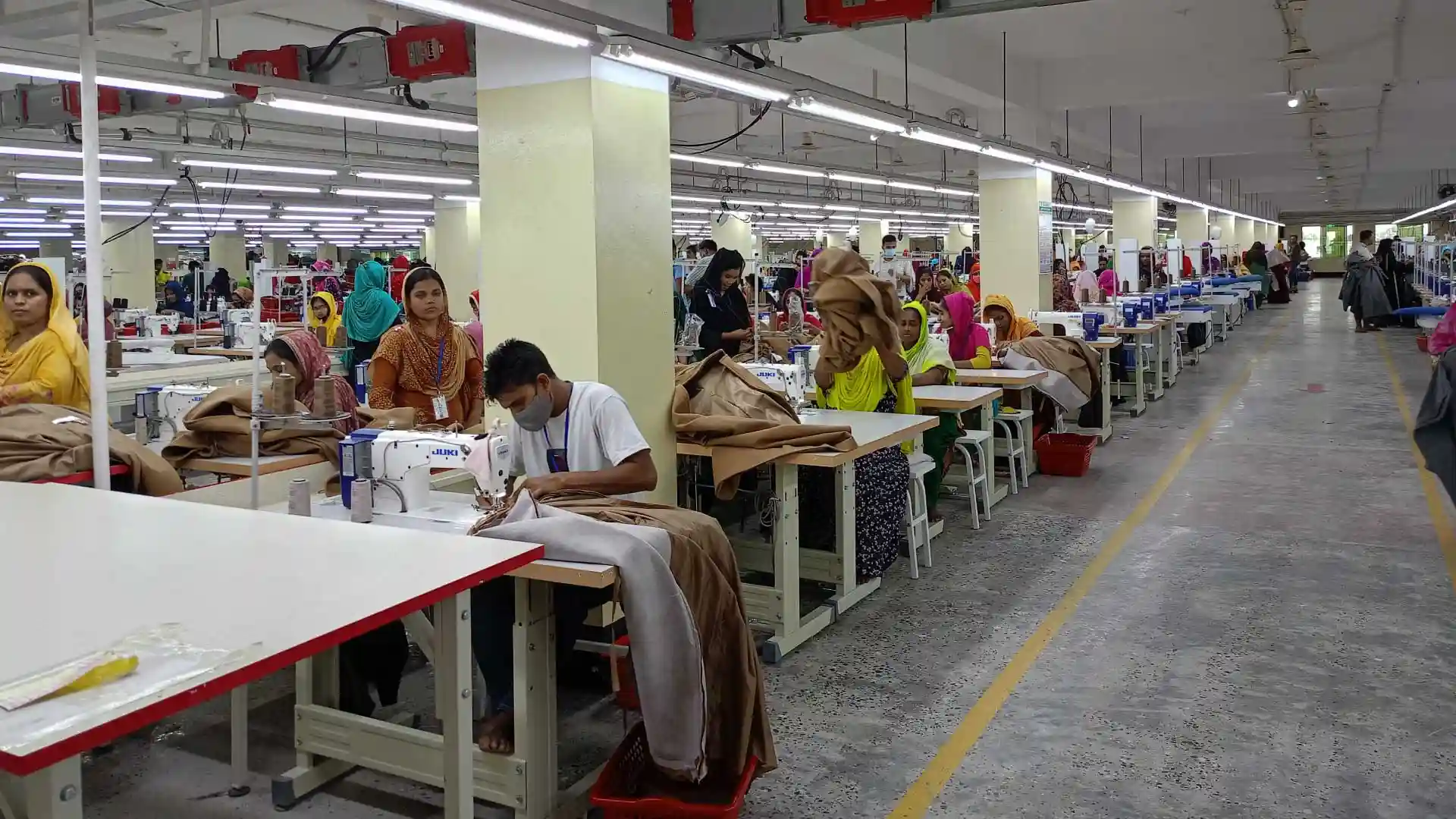
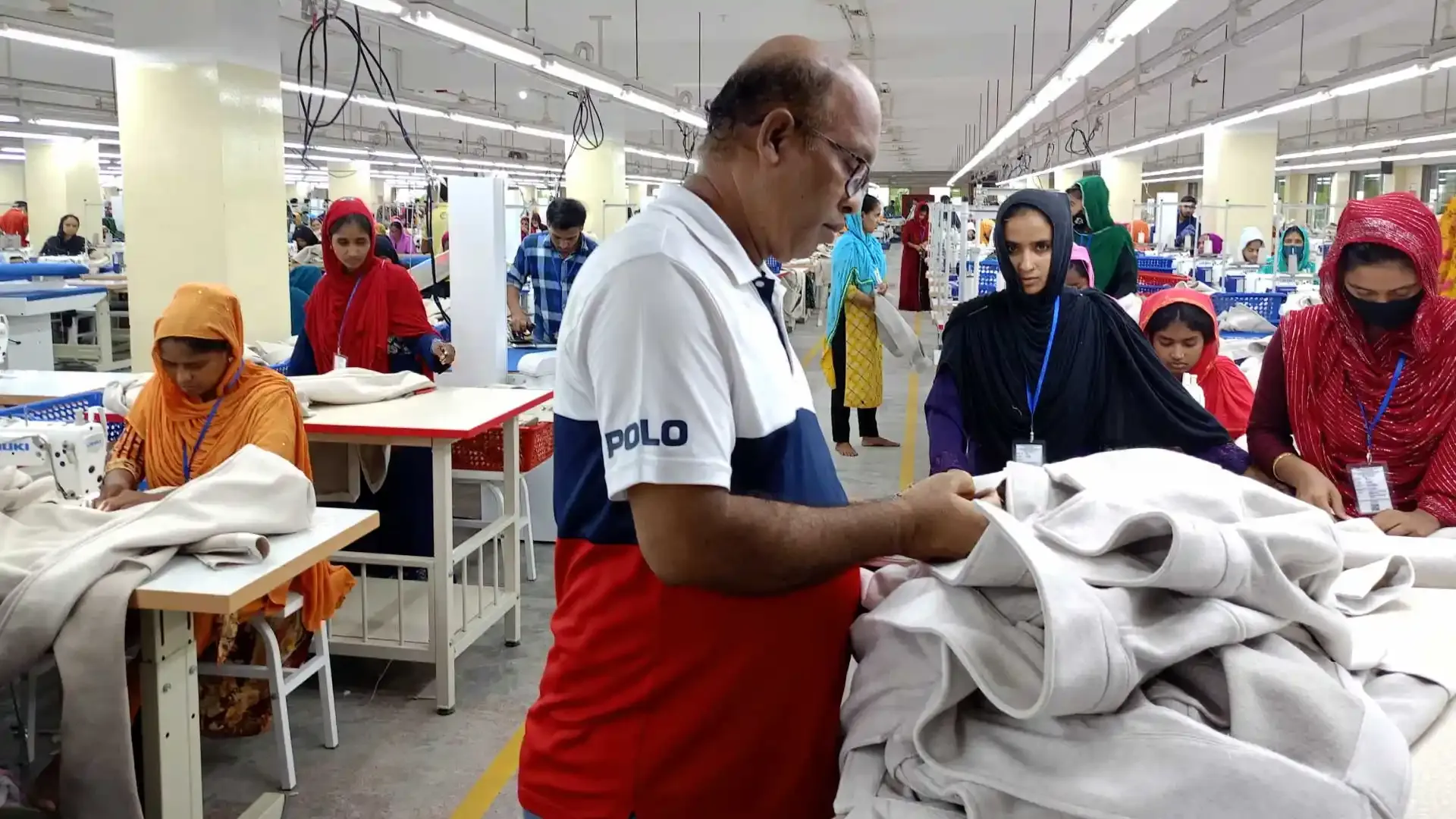
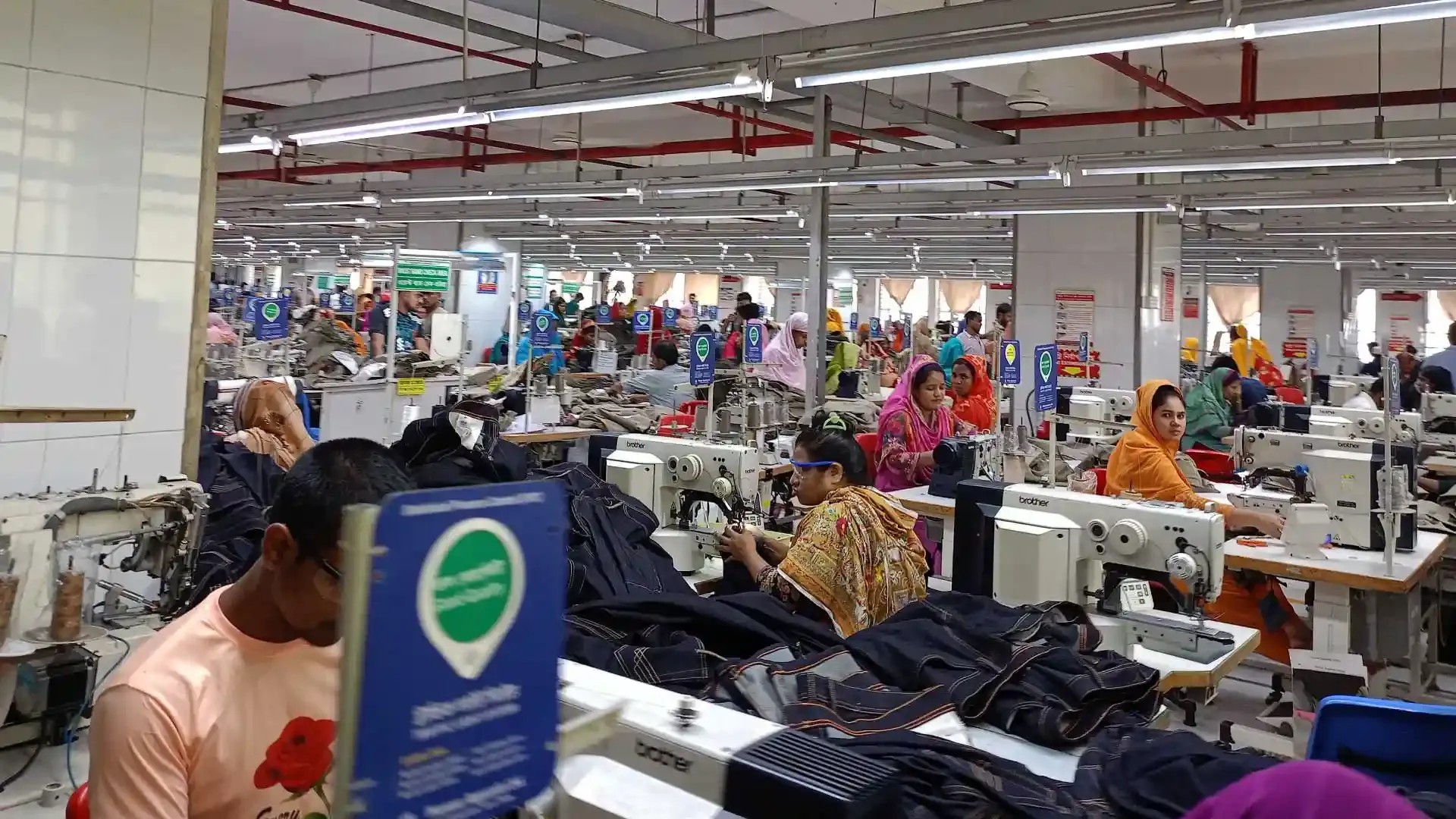
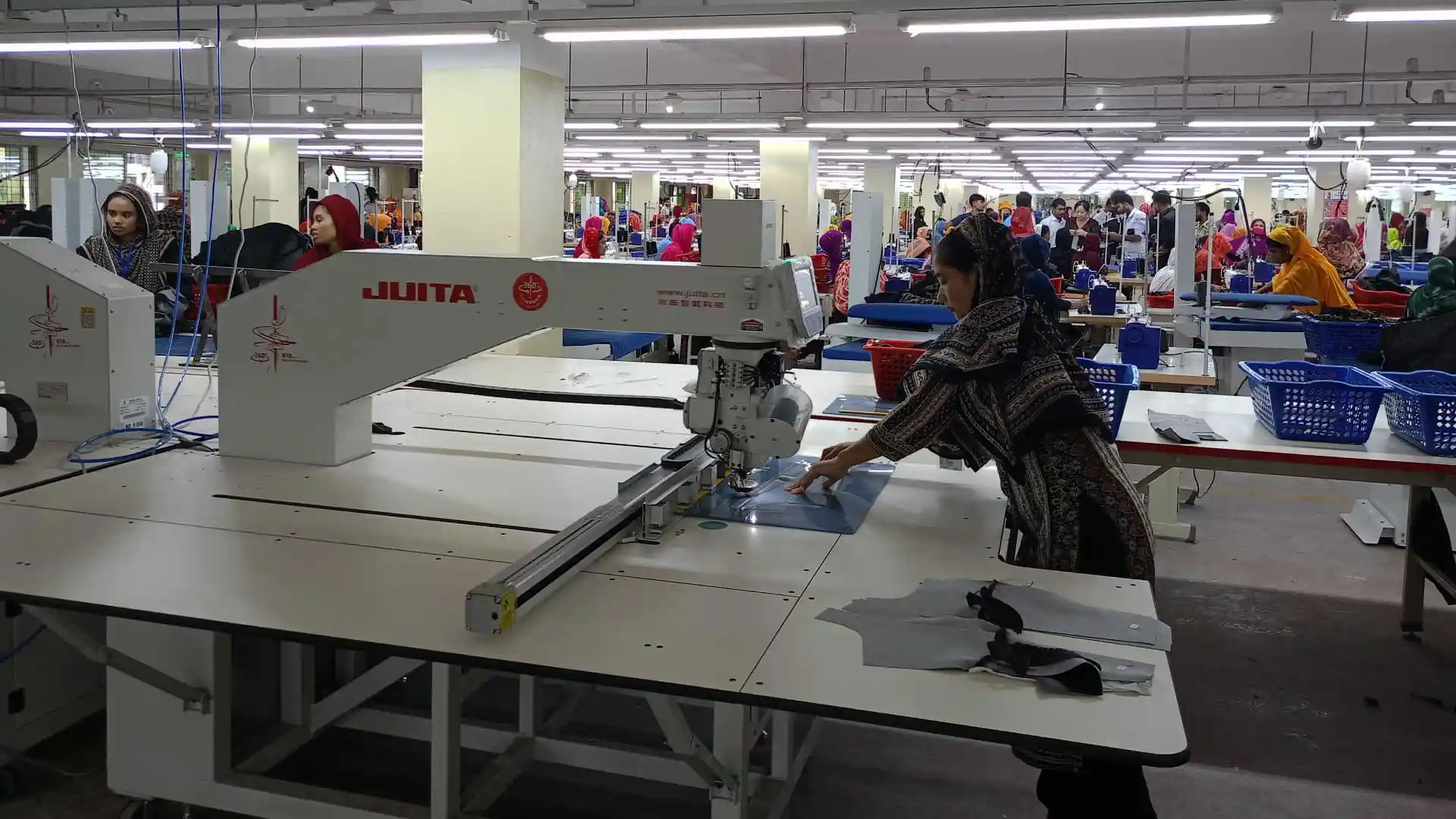
For UK buyers searching for an Apparel Manufacturer UK brands can work with, Bangladesh offers a practical manufacturing route beyond local production. The country is already connected to the UK apparel supply chain, and it has decades of experience producing garments for international markets. Bangladesh is not only a low-cost production base. It is a large apparel manufacturing ecosystem with knitwear, woven garments, denim, sweaters, activewear, uniforms, and casualwear capability. For UK brands, importers, wholesalers, and private-label businesses, Bangladesh can provide scale, price competitiveness, and export-ready production when managed through the right manufacturing partner.
Bangladesh Is Already Connected to the UK Apparel Supply Chain
Bangladesh is not a random sourcing option for UK buyers. It already plays a visible role in the UK import system. As noted by the Office for National Statistics, the rise in UK non-EU miscellaneous manufactures imports in October 2024 was mainly due to increased imports of clothing from Bangladesh. That means Bangladesh garments are already part of the UK’s active import movement.
This is important for UK brands because sourcing becomes easier when a country already has export experience with the destination market. Bangladesh exporters understand international buyer requirements, shipment coordination, documentation, carton packing, quality control expectations, and production timelines. This does not mean every factory is suitable for every UK buyer, but it does mean the country has a strong base for export-oriented apparel manufacturing.
Bangladesh is also one of the world’s major apparel exporters. The Bangladesh Investment Development Authority describes Bangladesh as the second-largest exporter of ready-made garments worldwide. In 2024, the sector recorded USD 38.48 billion in RMG export earnings.
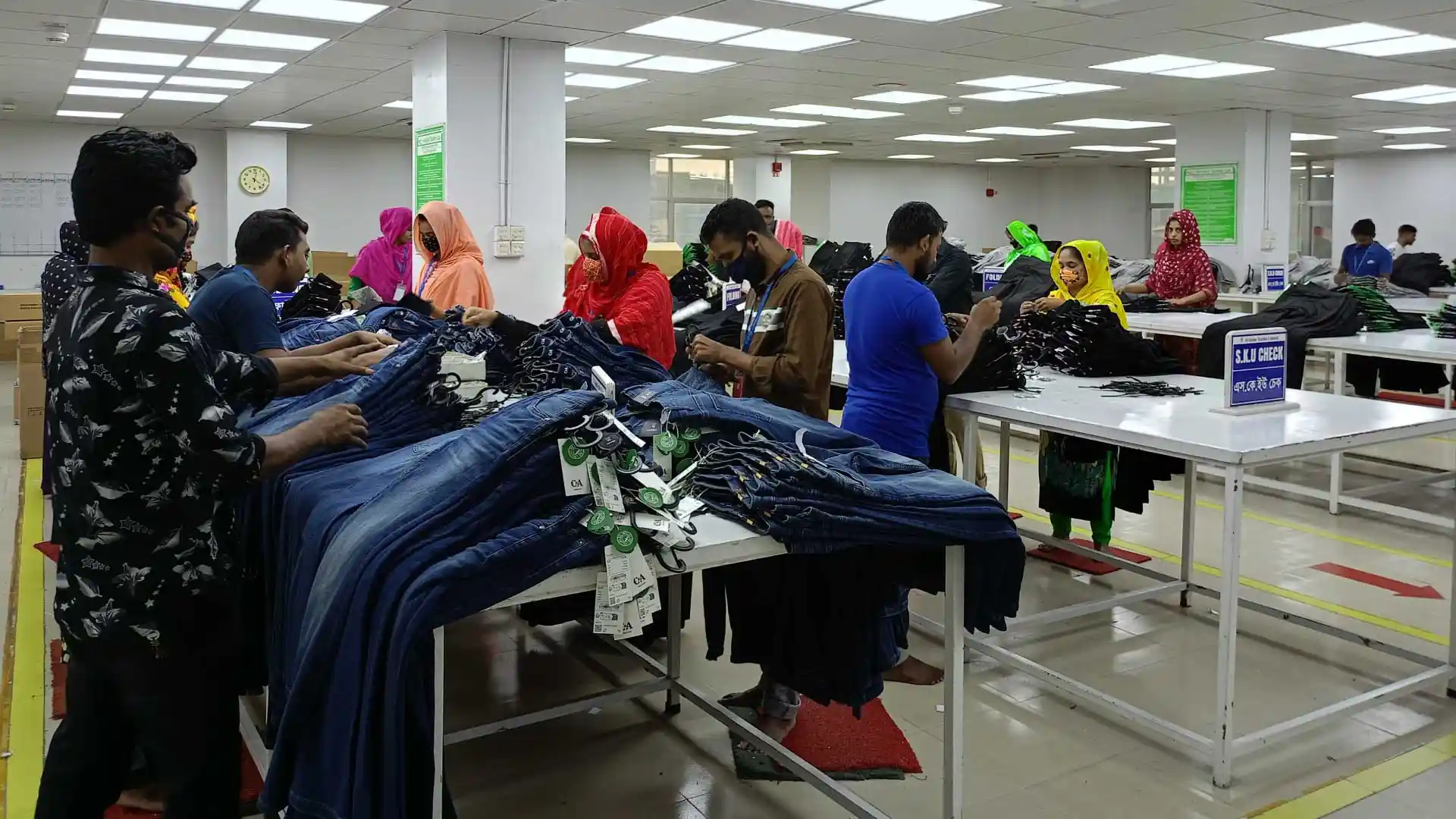
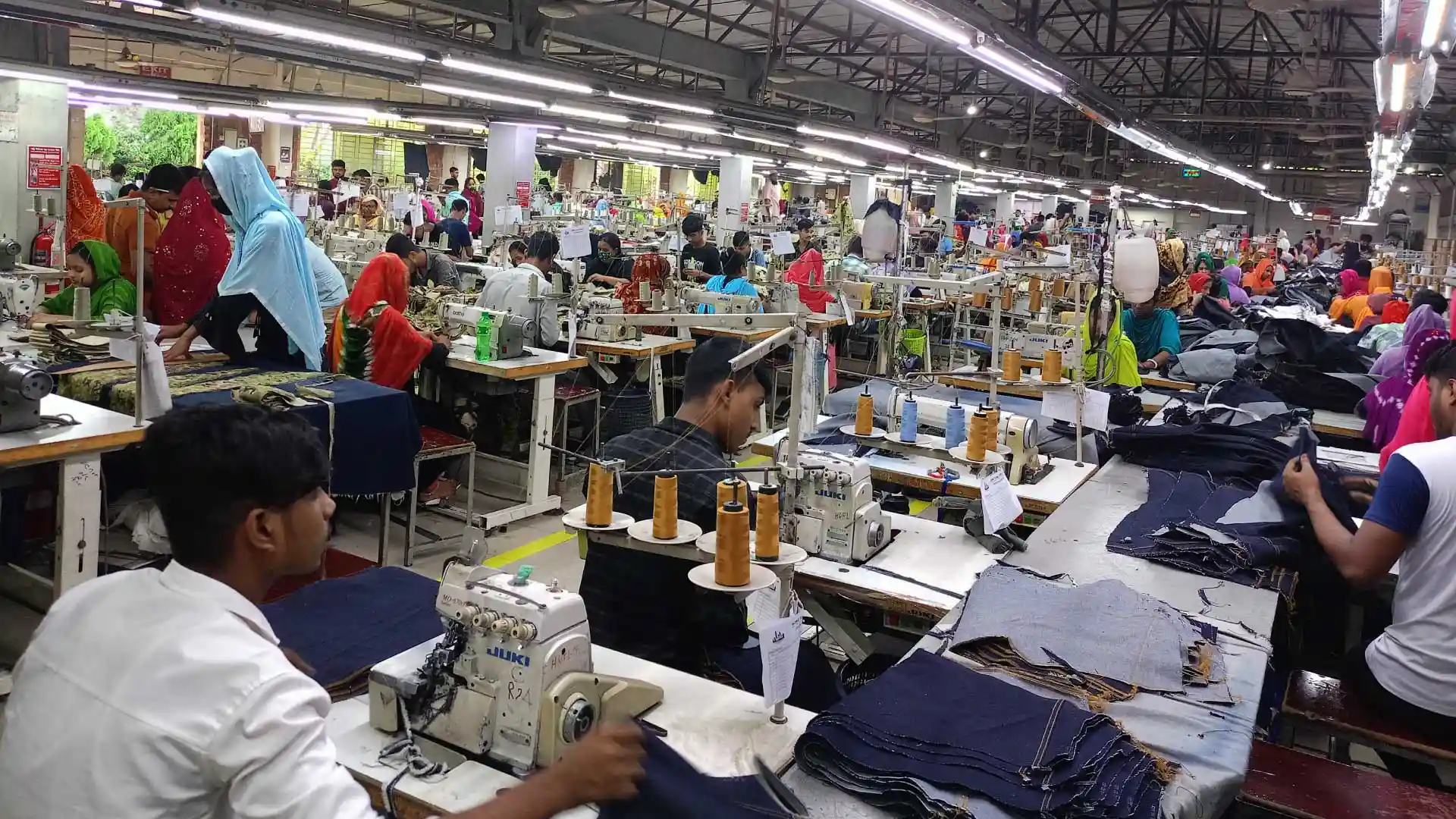
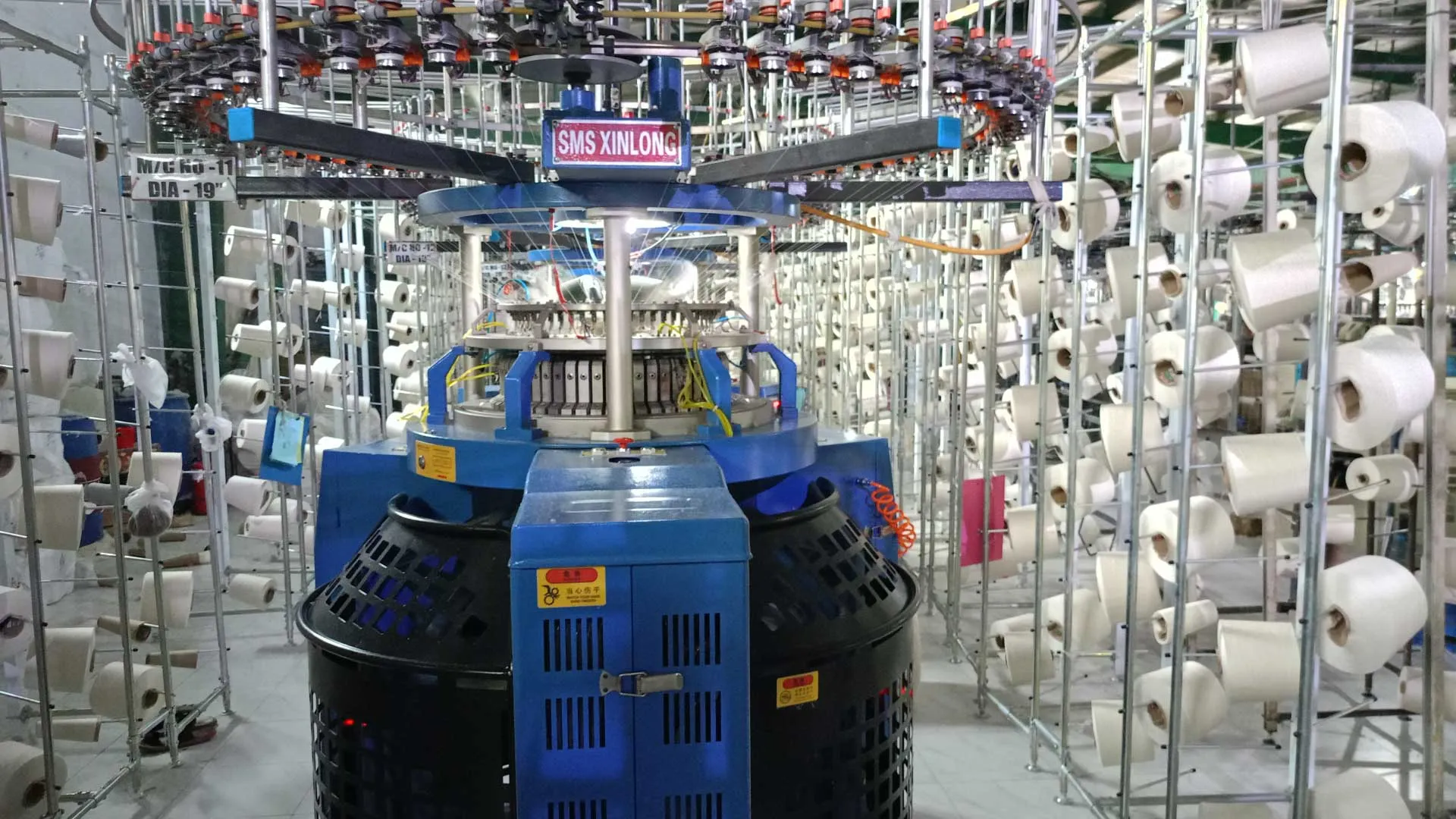
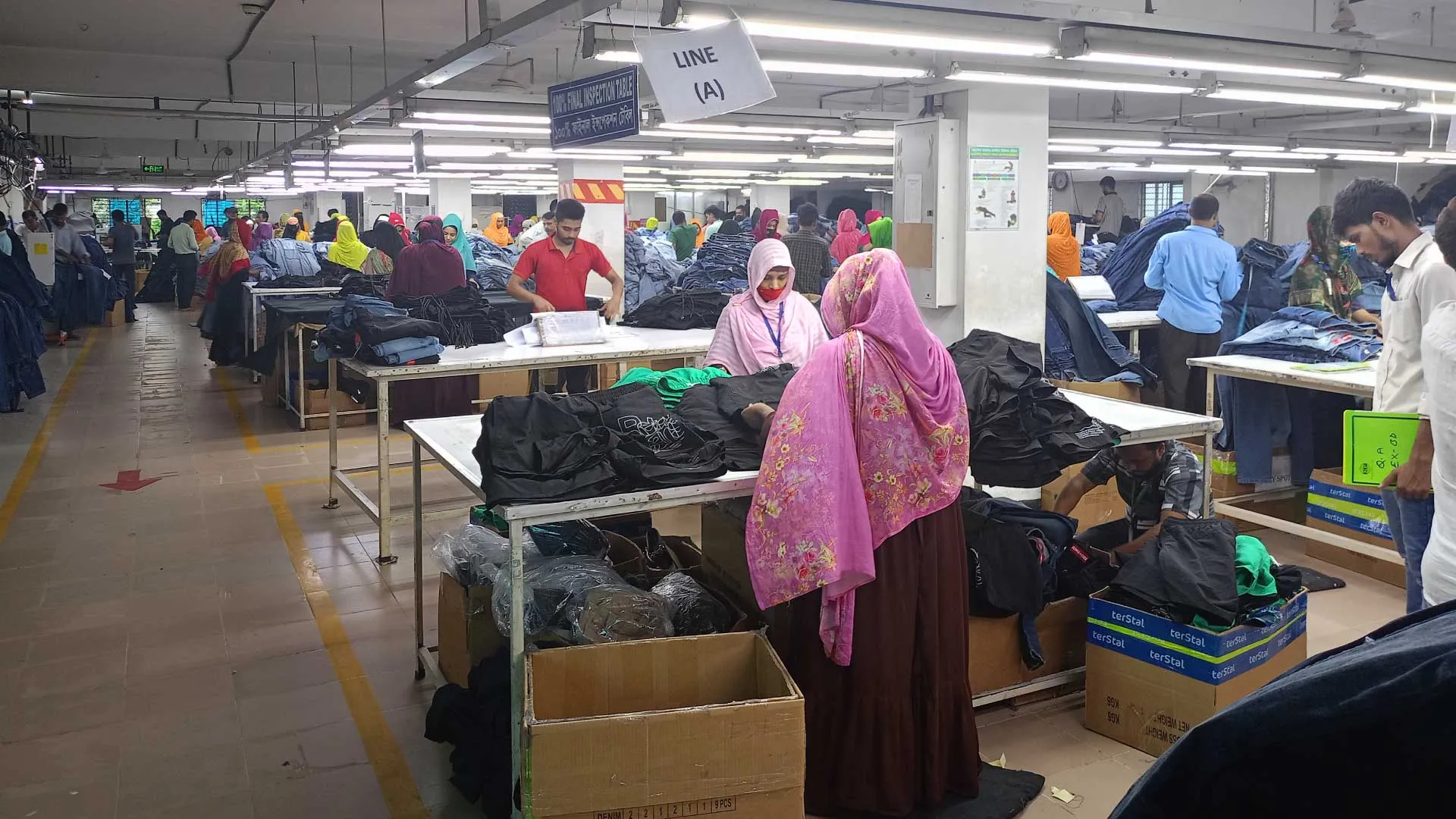
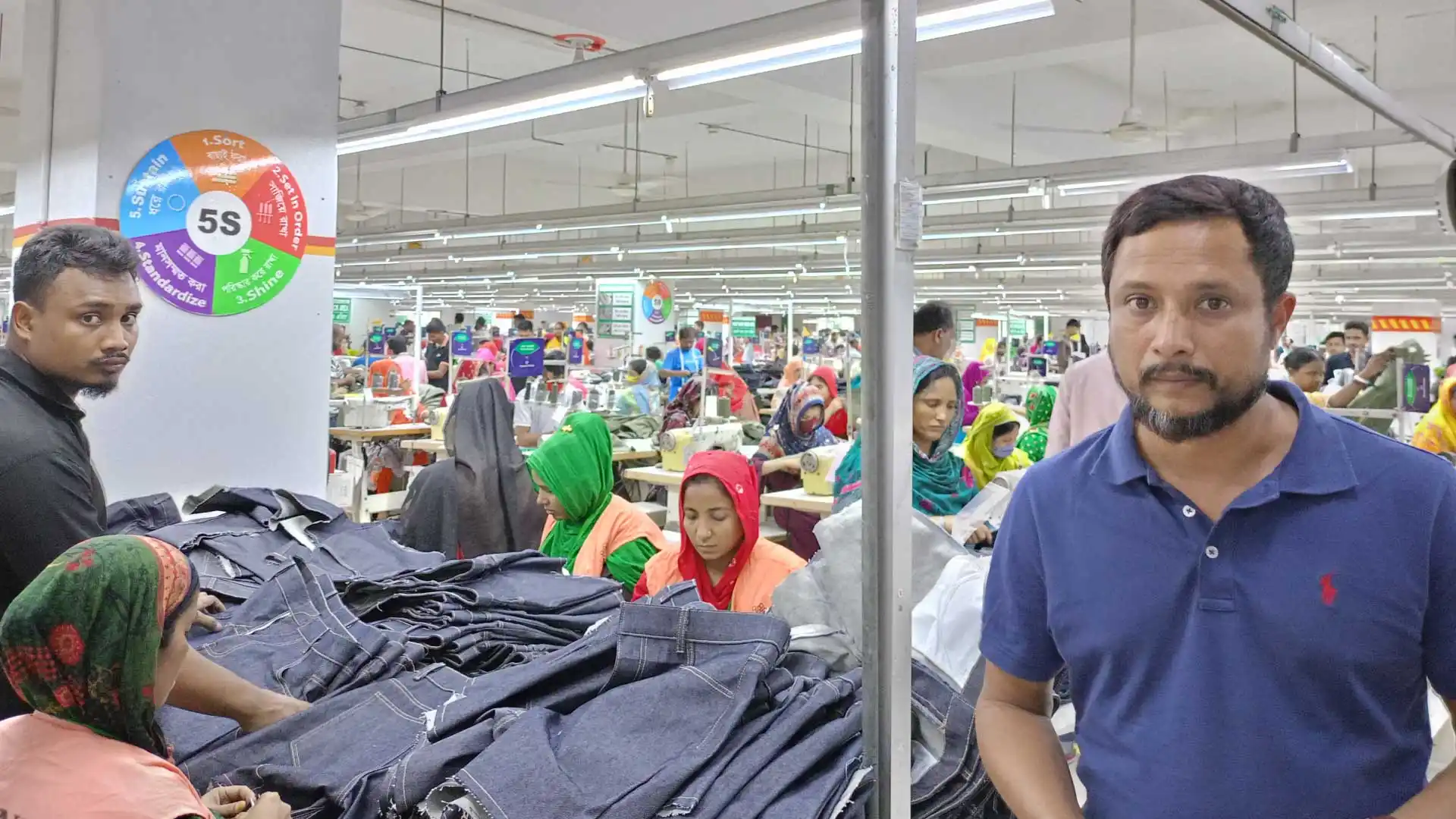
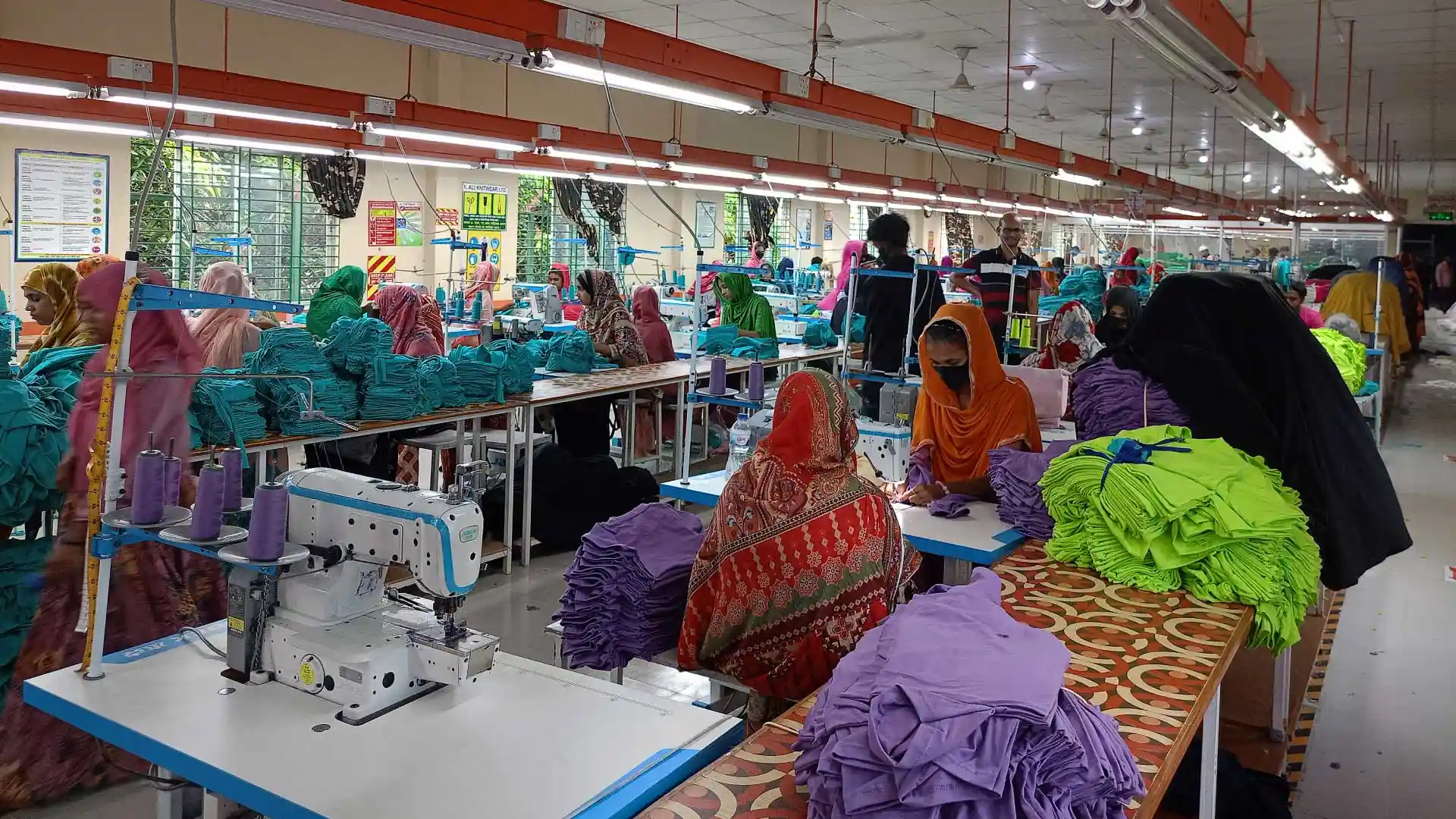
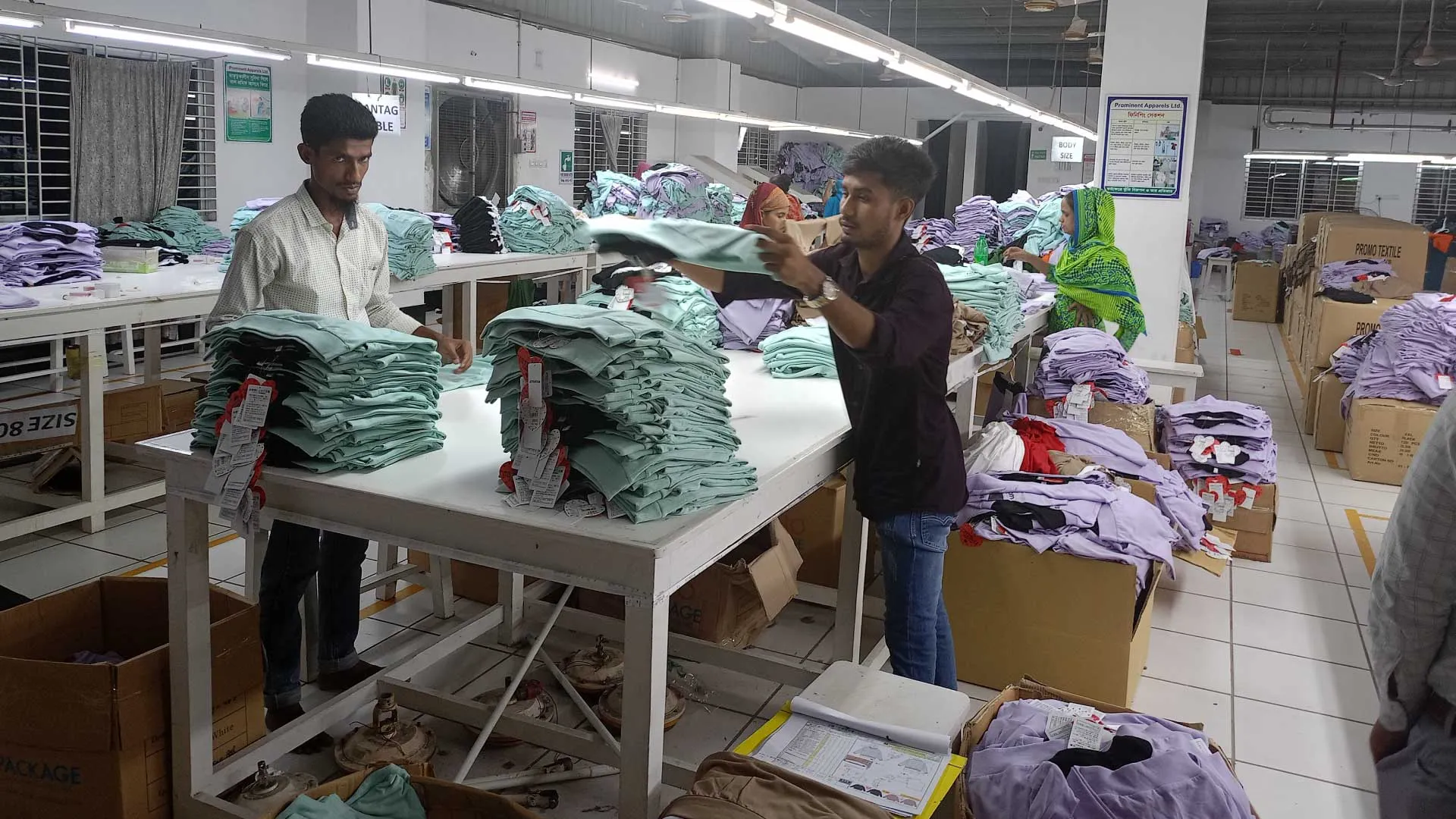
For UK buyers, this scale creates confidence. A developed RMG ecosystem includes more than sewing factories. It includes fabric mills, dyeing units, washing plants, printing and embroidery facilities, trims suppliers, packaging suppliers, inspection teams, commercial documentation, and freight forwarding support. These supporting systems matter because successful garment production depends on many linked processes.
A UK buyer looking for Bangladesh apparel manufacturers or an apparel manufacturer in Bangladesh may not know which factory is suitable for their product. One factory may be strong in T-shirts and hoodies. Another may be better for woven shirts, trousers, denim, or uniforms. Another may fit compliance-focused programs. This is why working with a manufacturer that understands factory matching and production coordination is important.
Bangladesh’s RMG Scale Supports UK Product Categories
Bangladesh’s strength is not limited to one product category. BIDA reports that Bangladesh’s 2024 RMG exports included USD 20.52 billion in knitwear and USD 17.95 billion in woven garments. These two figures show that Bangladesh has strong capacity across both major apparel categories. (BIDA)
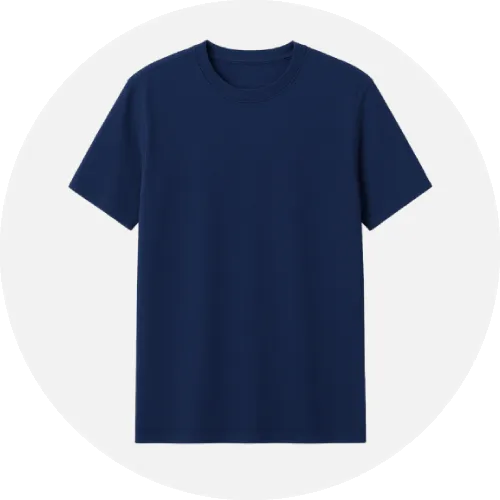
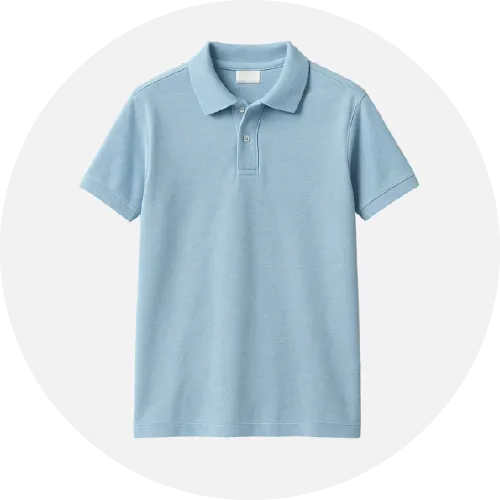
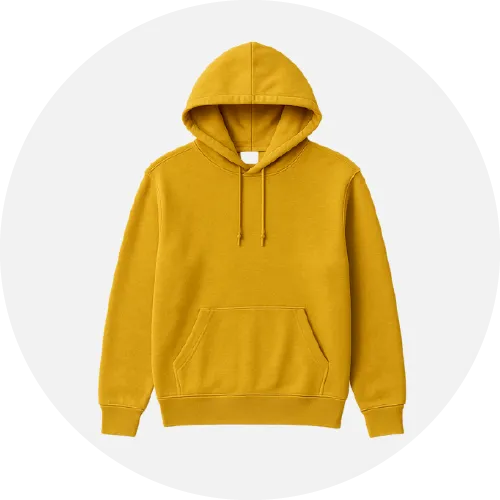
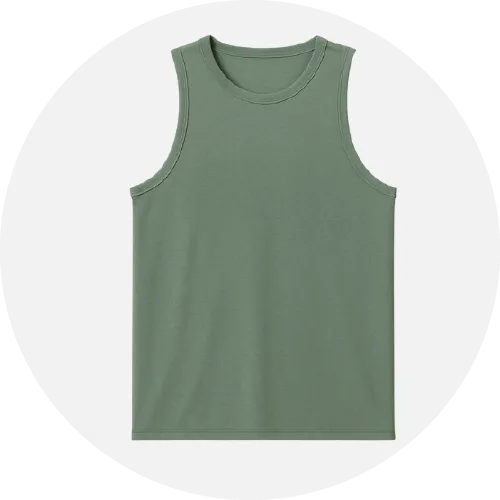
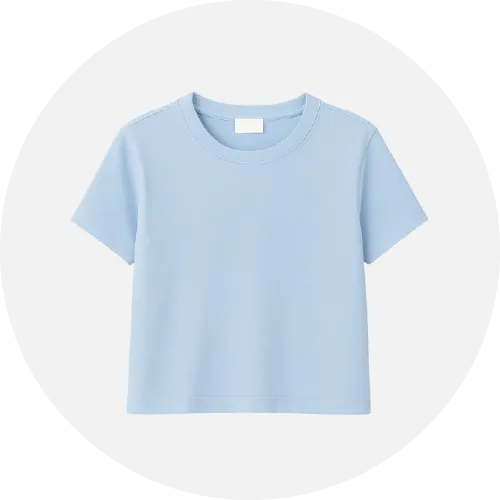
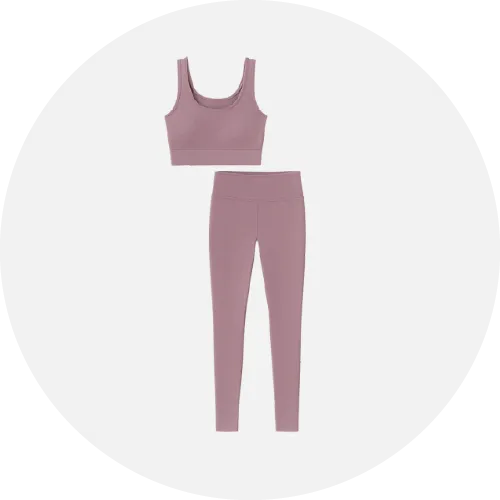
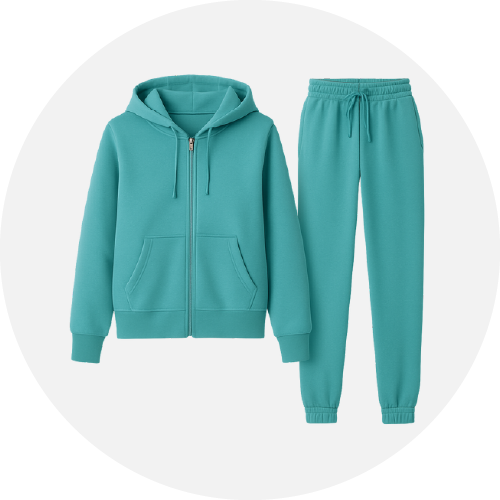
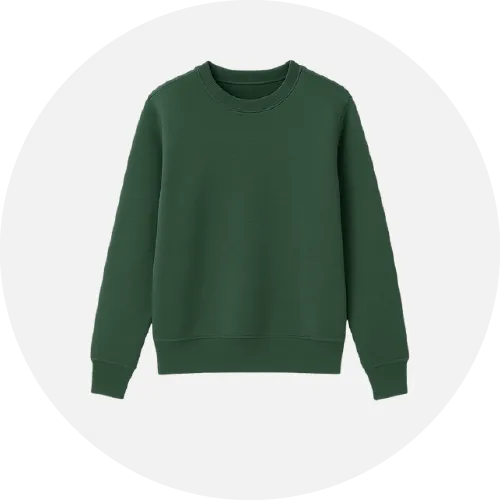
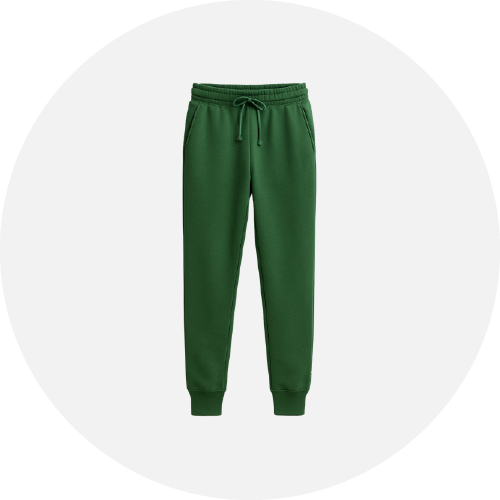
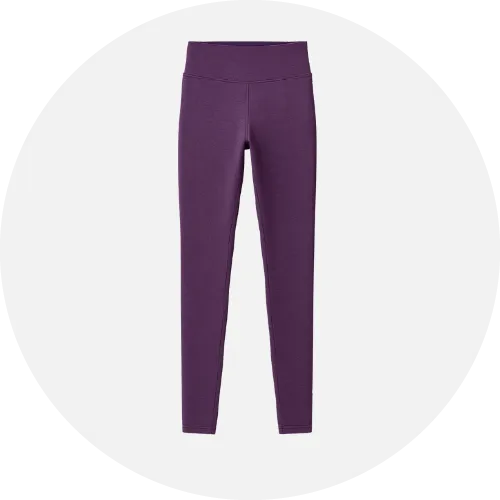
For UK buyers, knitwear capability is highly relevant. T-shirts, polo shirts, hoodies, sweatshirts, joggers, leggings, tank tops, gymwear, sportswear, and casual basics are all important product categories for UK fashion and retail. Buyers searching for t shirt garment manufacturers, t shirt clothing manufacturers, sports clothing manufacturers, or gym clothing manufacturers need more than simple stitching. They need control over fabric GSM, composition, shrinkage, color fastness, print durability, rib quality, stitching strength, and measurement tolerance.
Woven capability is also important for UK retailers and private-label buyers. Woven shirts, trousers, jackets, children’s clothing, uniforms, casual pants, workwear, denim, and outerwear require different production skills. Pattern accuracy, trims, buttoning, zipper quality, washing, finishing, pressing, and packing all affect the final product.
This category range makes Bangladesh useful for UK buyers who want to develop full collections rather than single-item orders. A brand may begin with hoodies and T-shirts, then expand into joggers, polos, denim, or sportswear. A clothing wholesaler may need multiple styles across different price points. A private-label buyer may need repeated production across seasons. One factory may not be ideal for all of these needs, but Bangladesh’s wider manufacturing ecosystem can support different production routes.
That is why the right manufacturing partner is important. A buyer should not choose a factory only because it offers a low price. The correct production route depends on product type, fabric, MOQ, compliance needs, finishing method, packaging, lead time, and target market. Bangladesh can be very effective when these decisions are managed carefully.
Green Factories, Compliance, and Responsible Sourcing Expectations
UK buyers increasingly care about responsible sourcing, not only price. Retailers, DTC brands, and private-label buyers must think about product quality, worker safety, environmental claims, documentation, and supplier reliability. Bangladesh has made major progress in green garment manufacturing and compliance-focused production.
BGMEA reported in August 2025 that Bangladesh reached 258 LEED-certified green garment factories, describing this as a milestone in the country’s sustainability progress. (BGMEA) This is a strong signal for international buyers, especially those who want to source from factories with stronger environmental standards.
However, this point should be used responsibly. Not every factory in Bangladesh has every certification. Certification availability depends on product type, buyer requirement, order quantity, target price, and selected factory. A responsible manufacturer should never overpromise. Instead, the buyer’s compliance requirement should be reviewed before selecting the production route.
For UK buyers, Bangladesh can support different levels of sourcing needs. Some buyers may need competitive production for basics. Some may require audited factories. Some may need OEKO-TEX fabric, recycled materials, or specific social compliance documentation. Some may prioritize cost and speed, while others may prioritize sustainability and traceability.
This flexibility matters because UK brands are not all the same. A startup streetwear brand has different needs from a supermarket supplier. A sportswear label has different needs from a school uniform buyer. A clothing supplier selling to multiple retailers may need several factory types.
Bangladesh’s RMG ecosystem offers scale, but scale alone is not enough. Buyers need correct factory selection, clear sampling, cost planning, quality control, and export support. That is where RYZEAL SOURCING can help UK buyers access Bangladesh manufacturing in a more structured way.
How RYZEAL SOURCING Supports UK Buyers as a Bangladesh-Based Apparel Manufacturer
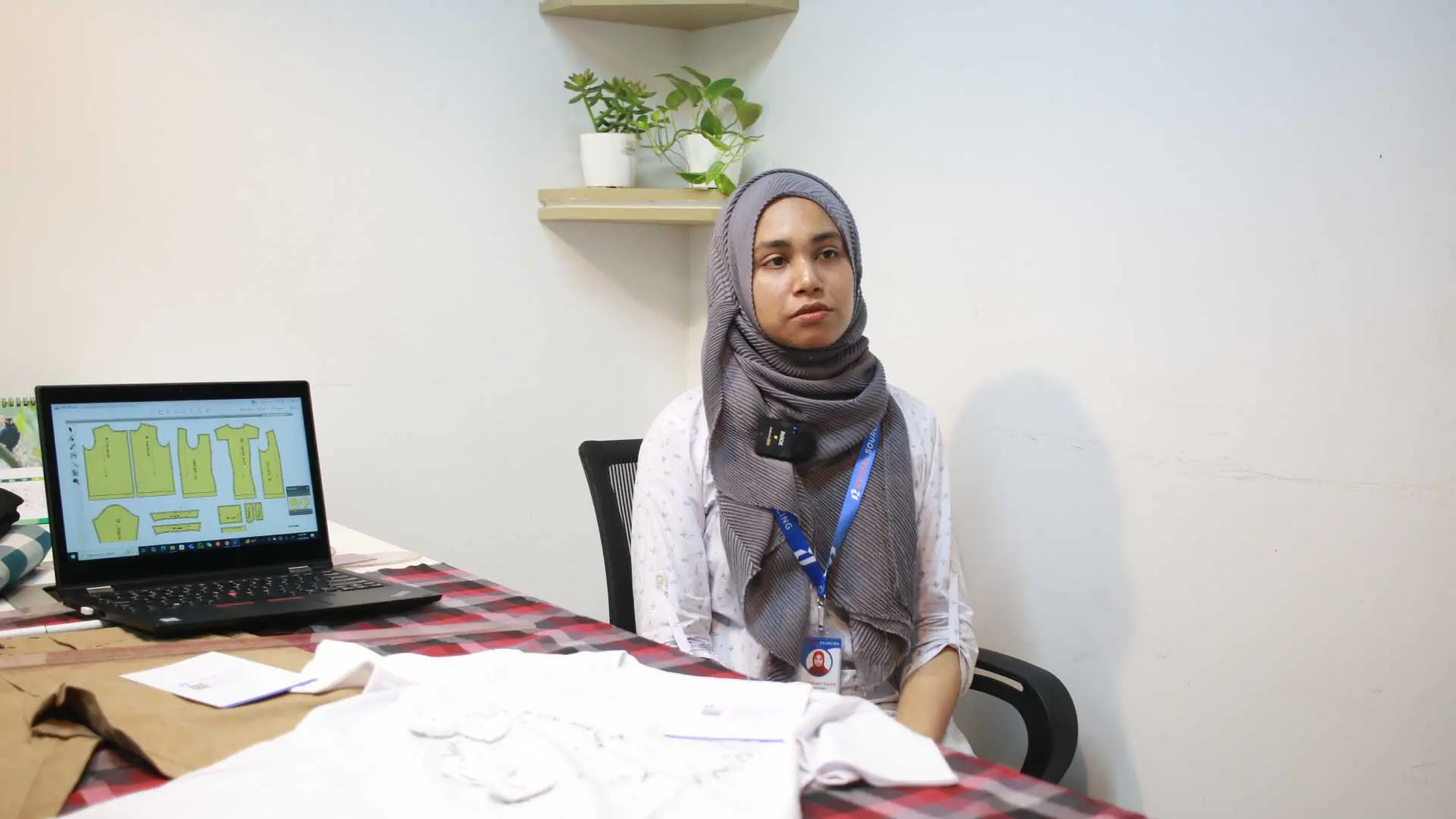
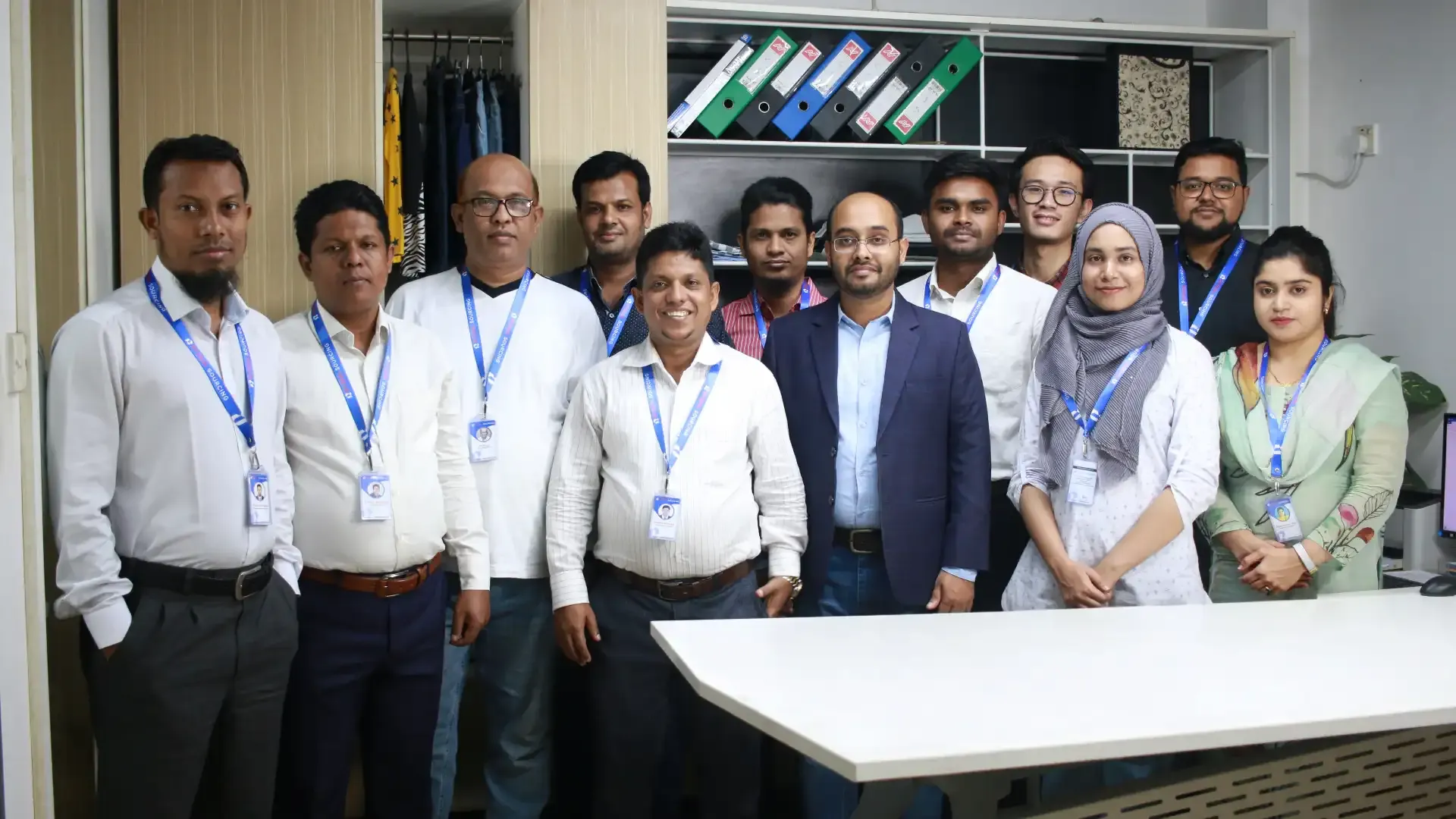
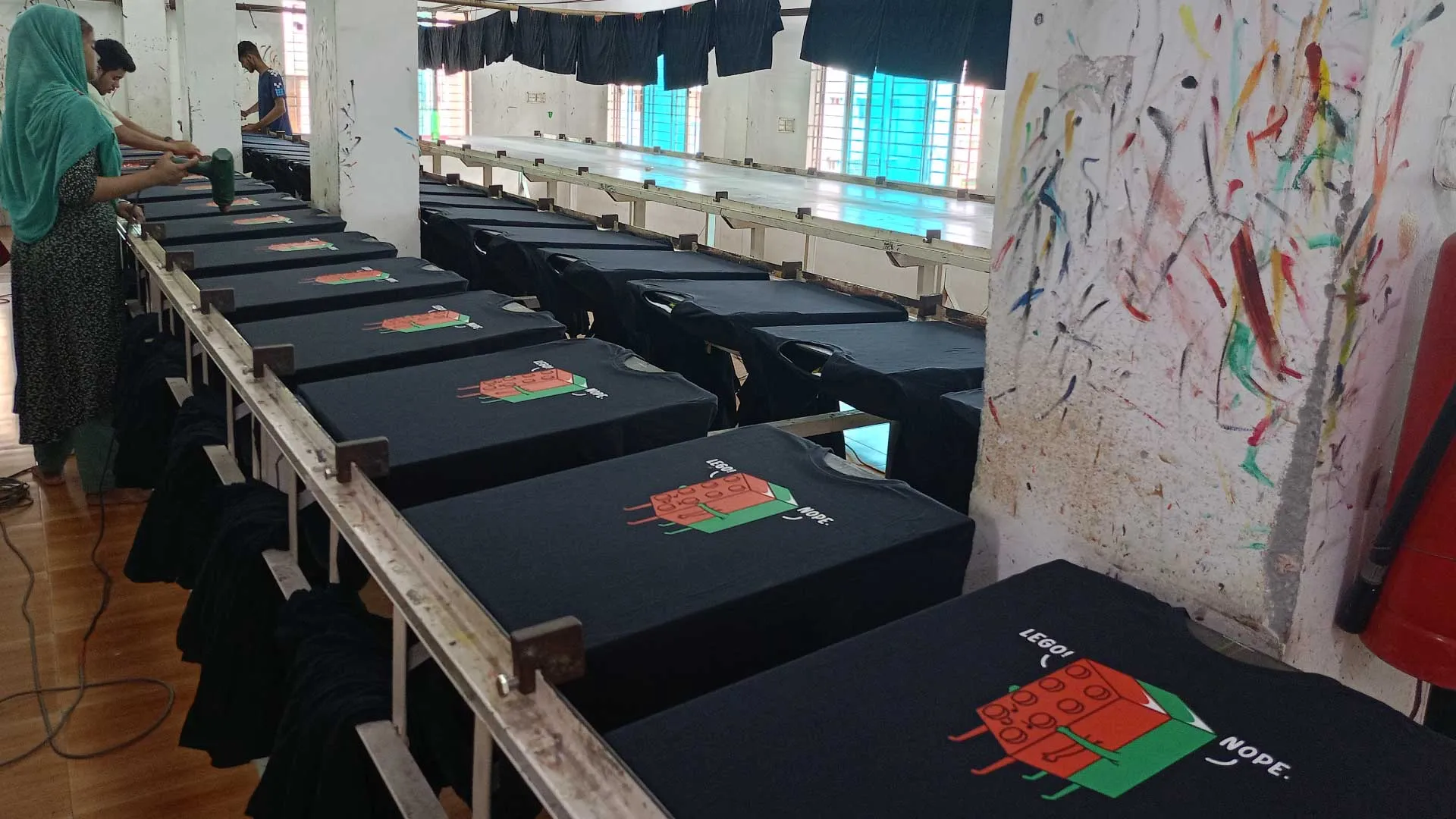
For buyers searching for an Apparel Manufacturer UK brands can work with beyond local production, RYZEAL SOURCING offers a Bangladesh-based custom apparel manufacturing route with structured support. RYZEAL SOURCING manufactures custom garments in Bangladesh for UK brands, retailers, wholesalers, importers, startups, and private-label buyers. When buyer requirements go beyond one factory’s category or capacity, RYZEAL also supports production through selected partner factories. This gives UK buyers a practical way to access Bangladesh manufacturing without trying to manage the full factory network alone.
Why UK SMEs and Startups Need More Than a Factory Name
Many UK SMEs and startups begin their sourcing journey by searching for clothing manufacturers suppliers, clothing manufacturers for startups, garment manufacturers UK, or UK clothing manufacturers. But finding a factory name is only the beginning. A buyer still needs to know whether the supplier can handle the product correctly, meet the target quality, support the right MOQ, and deliver on time.
This is especially important in the UK market, where fashion competition is intense and product launches are often tied to seasons, campaigns, online drops, wholesale deadlines, or retail delivery windows. A late shipment can affect sales. A poor sample can delay marketing. A wrong fabric can damage the whole product concept. Weak quality control can create returns and customer complaints.
Startups often face a different problem from established brands. They may not have a full tech pack, production team, fabric knowledge, or sourcing office. They may have reference images, design ideas, size expectations, and a target price, but they need help converting those ideas into production-ready garments. Large factories may not have time to guide them through every detail.
This is why UK buyers need more than a low-cost clothing supplier. They need a manufacturer that can review the product, explain what is realistic, support sampling, guide fabric selection, and manage quality before bulk production. For a clothing wholesaler or private-label buyer, the need may be even more technical because repeat production, packaging, labelling, carton ratios, and shipment timing all affect commercial success.
A reliable Bangladesh-based manufacturer can make this process easier. The buyer gets access to overseas manufacturing, but with a structured process that reduces confusion. That structure is where RYZEAL SOURCING adds value.
Manufacturer First, Partner Factory Support When Needed
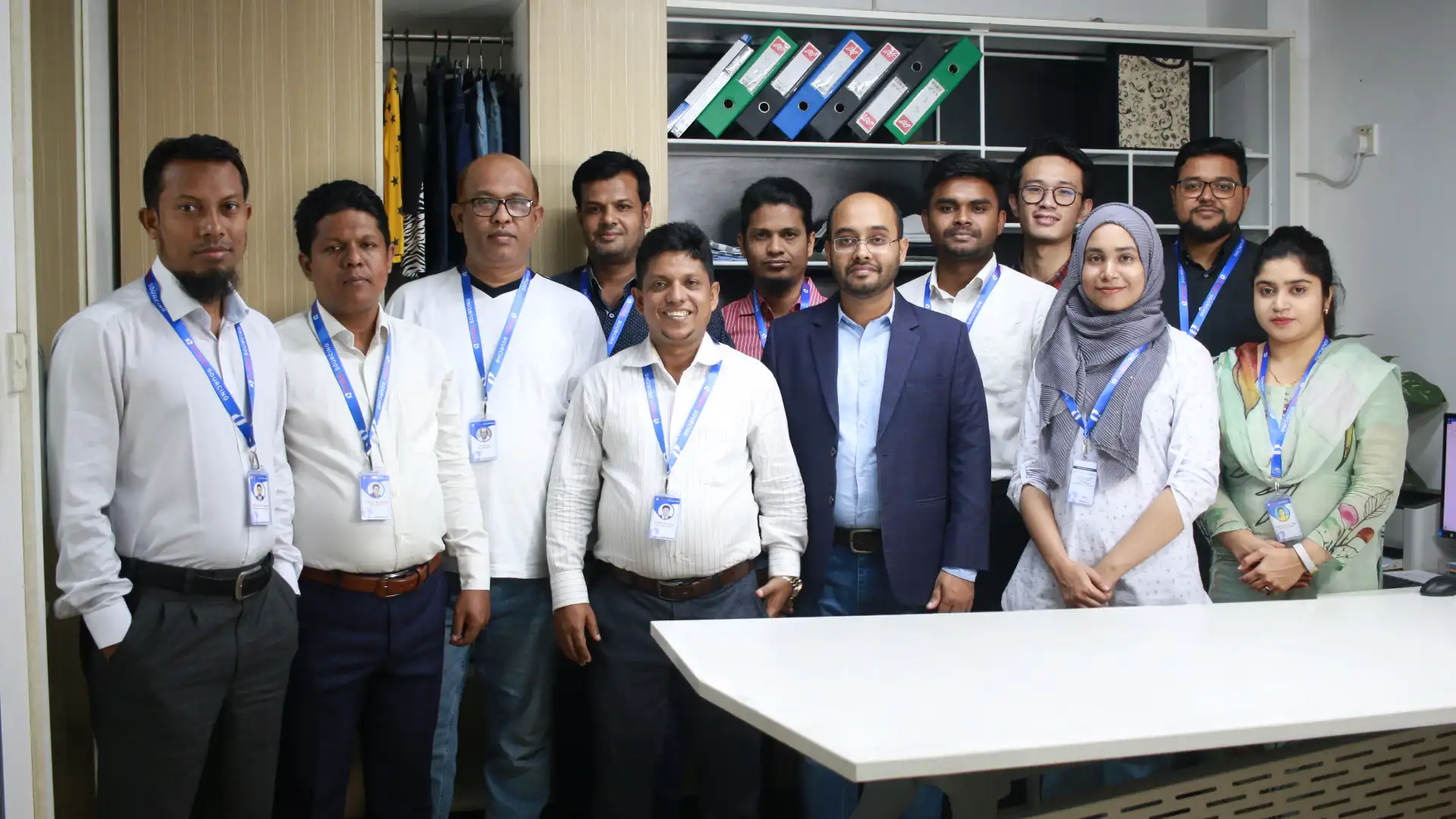
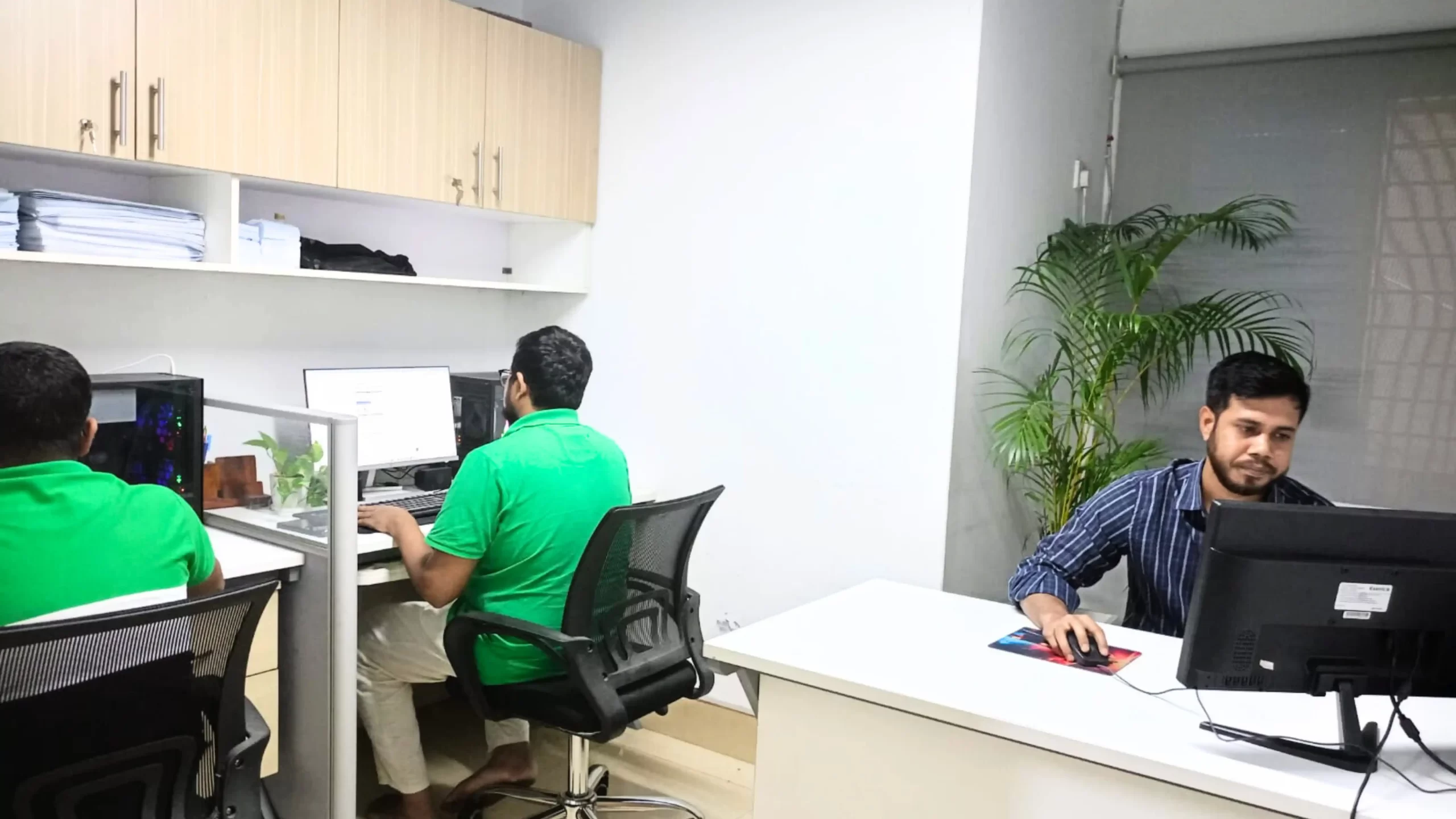
RYZEAL SOURCING is primarily a Bangladesh-based custom apparel manufacturer serving UK buyers. We manufacture clothing items through our own production capacity and support buyers with product development, fabric sourcing, sampling, costing, production follow-up, quality checking, and export coordination.
At the same time, apparel manufacturing is broad. One factory cannot be the best solution for every product category, fabric type, finishing process, compliance requirement, or production scale. A UK buyer may need T-shirts today, tracksuits next season, sportswear later, and children’s clothing after that. Another buyer may need a certified production route. Another may need price comparison across several suitable factories before confirming bulk.
That is why RYZEAL SOURCING also works through selected partner factories when wider capability is needed. This model allows UK buyers to benefit from RYZEAL’s manufacturer identity while also accessing a wider Bangladesh production network.
This is different from simply acting as a middleman. RYZEAL SOURCING understands garment production from a manufacturer’s point of view. When a product fits our production capacity, we manufacture directly. When the buyer’s requirement needs another specialization, we help match the product with a suitable partner factory and coordinate the process.
For example, a UK streetwear brand may need heavyweight hoodies with specific GSM, rib, drawcord, wash, and print quality. A sportswear buyer may need stretch fabric, moisture-management performance, and strong seam construction. A children’s clothing buyer may need safer trims, size consistency, and careful finishing. A wholesale apparel buyer may need pricing discipline, repeat-order support, and delivery planning.
Each of these needs requires a different manufacturing approach. RYZEAL SOURCING helps UK buyers choose the right route instead of forcing every product into one factory.
A Practical Bangladesh Production Route for UK Fashion Businesses
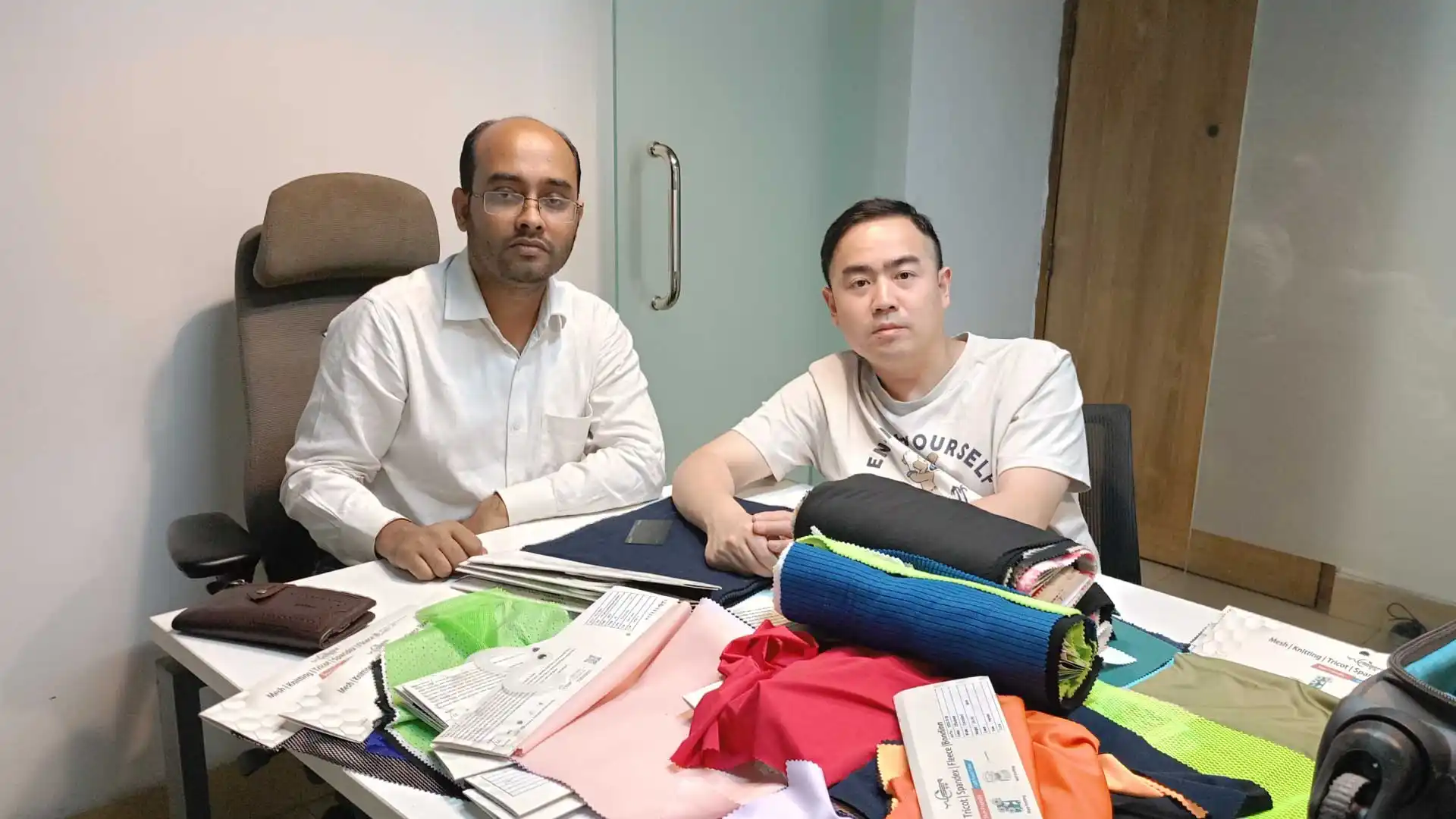
A good production route starts with clear information. UK buyers can share a tech pack, reference sample, fabric requirement, GSM, color standard, artwork, size chart, trims details, label instructions, packaging method, and target quantity. With these details, RYZEAL SOURCING can review the product more accurately and guide the buyer toward a realistic costing and production plan.
Our support includes product development, fabric sourcing, trims sourcing, sample development, costing guidance, factory matching when required, production follow-up, quality control, compliance coordination, and export shipment support. This structure helps UK buyers reduce risk before bulk production begins.
For buyers comparing UK clothing manufacturers, garment manufacturers UK, sports clothing manufacturers UK, or wholesale apparel manufacturers, RYZEAL SOURCING offers a different option. We do not present ourselves as a local UK manufacturer. We provide Bangladesh-based custom apparel manufacturing support for UK buyers who want cost-effective, scalable, and export-ready garment production.
This approach can support different buyer types. A startup may need guidance from first sample to first bulk order. A DTC brand may need reliable repeat production. A wholesaler may need multiple styles and competitive pricing. A private-label buyer may need factory matching, compliance options, and packaging support. A growing fashion brand may need Bangladesh capacity to scale beyond local production.
Bangladesh’s RMG sector already has scale, export experience, and category depth. But UK buyers need a partner who can help them use that ecosystem properly. RYZEAL SOURCING helps make Bangladesh manufacturing more accessible by combining direct manufacturing capability with partner factory support when broader production needs arise.
For UK fashion businesses, the goal should not be to choose the cheapest factory. The goal should be to choose the right production route for product quality, price, timeline, compliance, and long-term growth. If Bangladesh fits that strategy, RYZEAL SOURCING can help you manufacture, inspect, and export garments with more confidence.