Reliable Bangladesh Clothing Manufacturers For South Africa
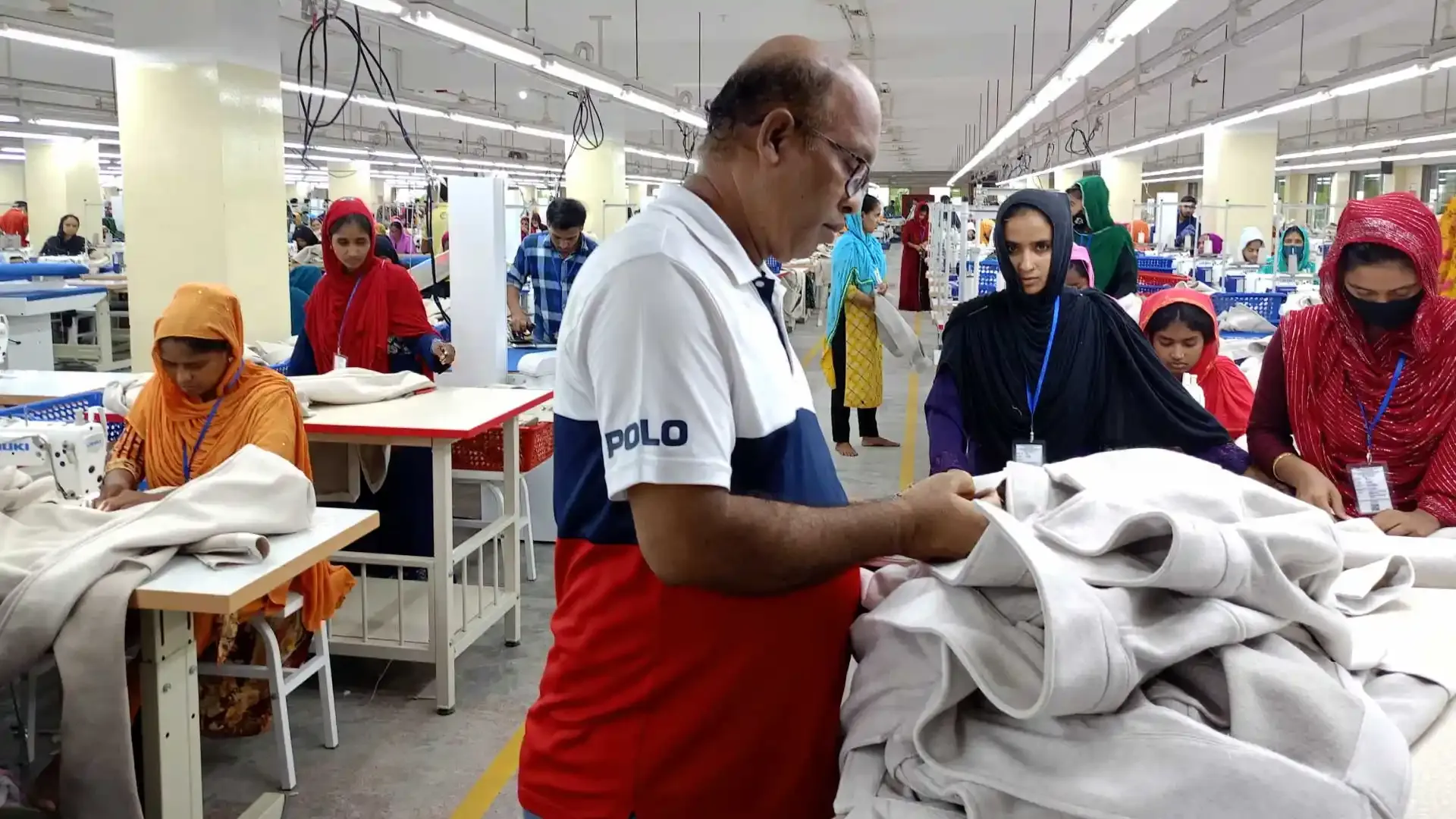
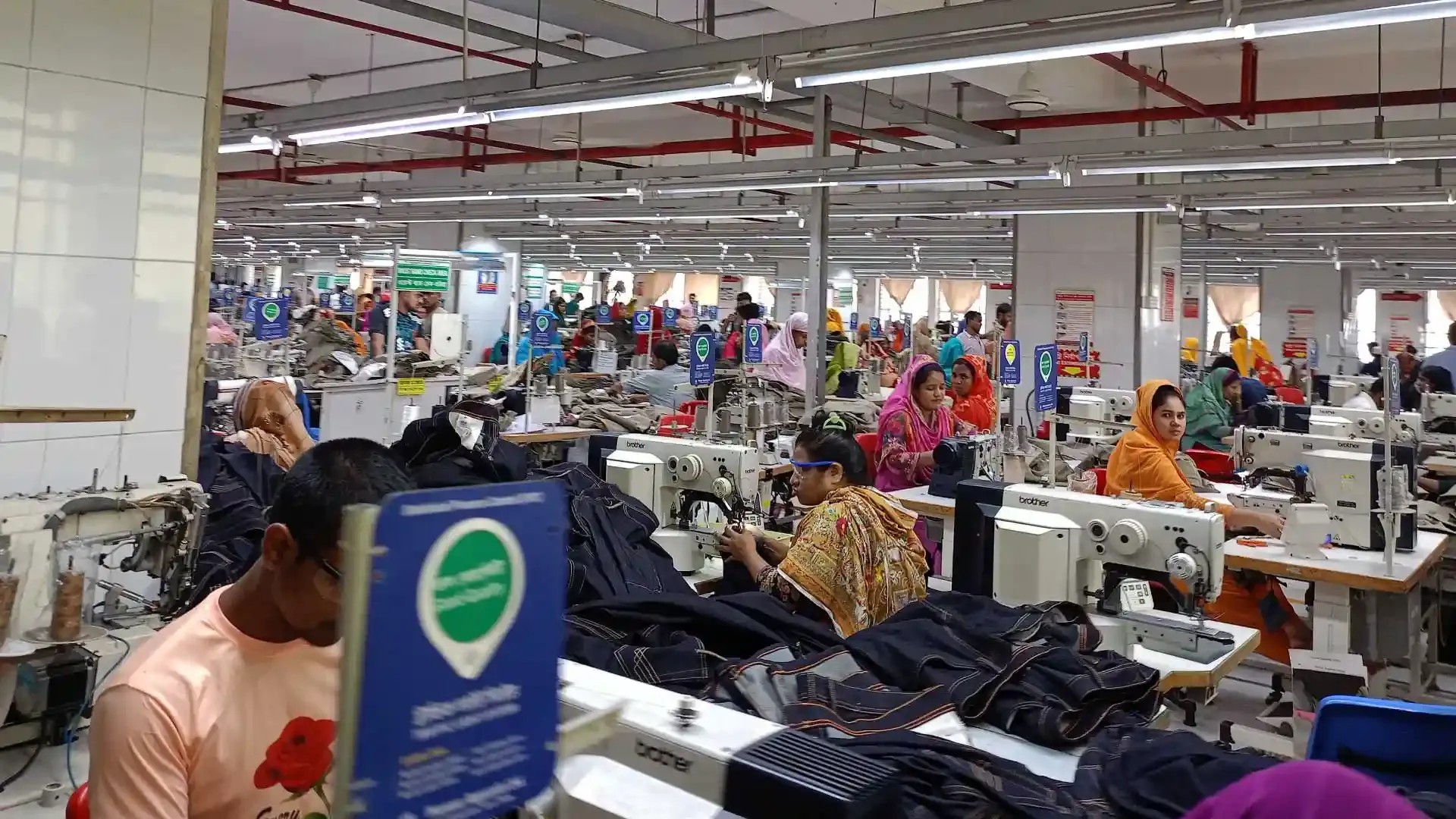
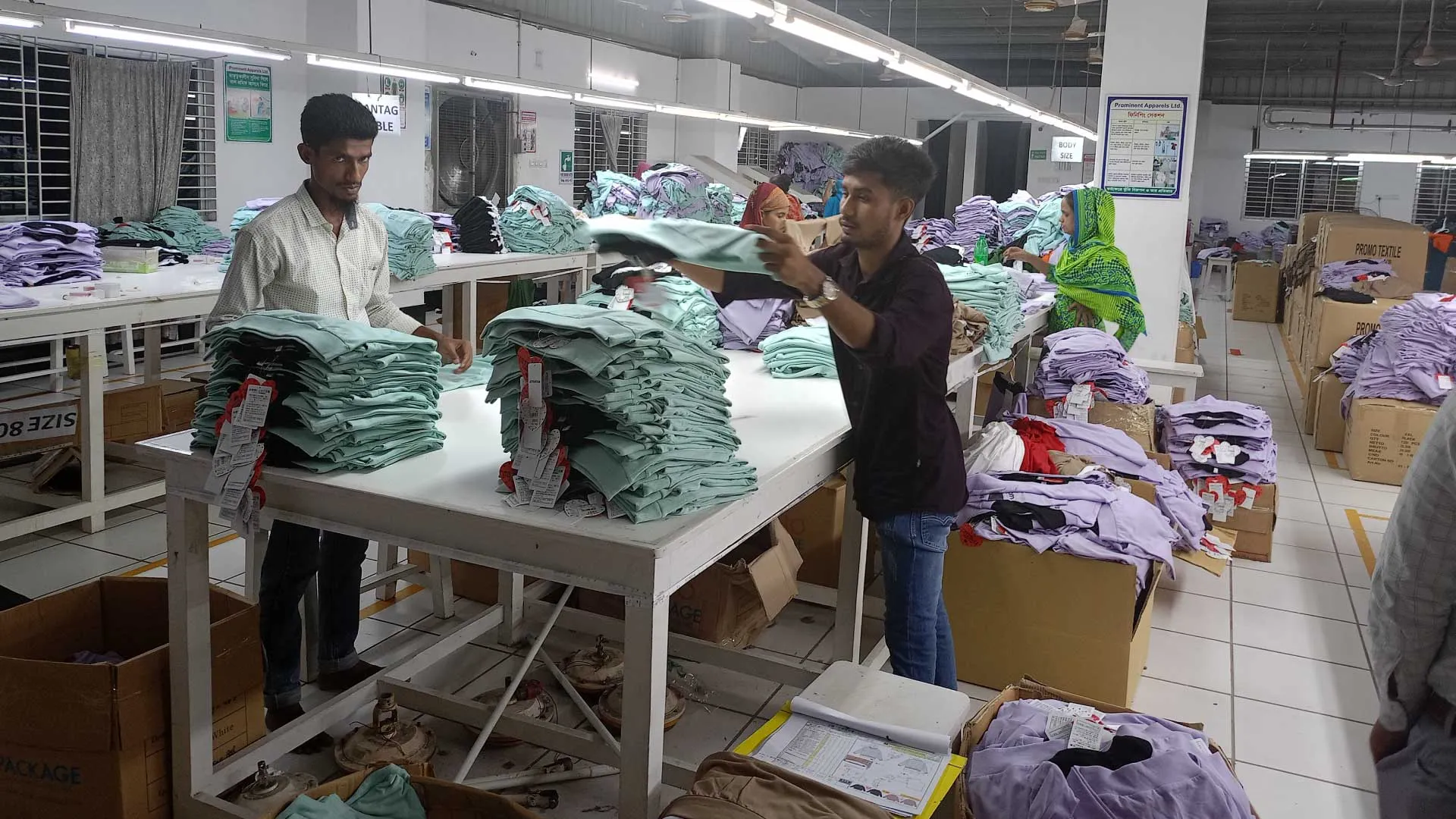
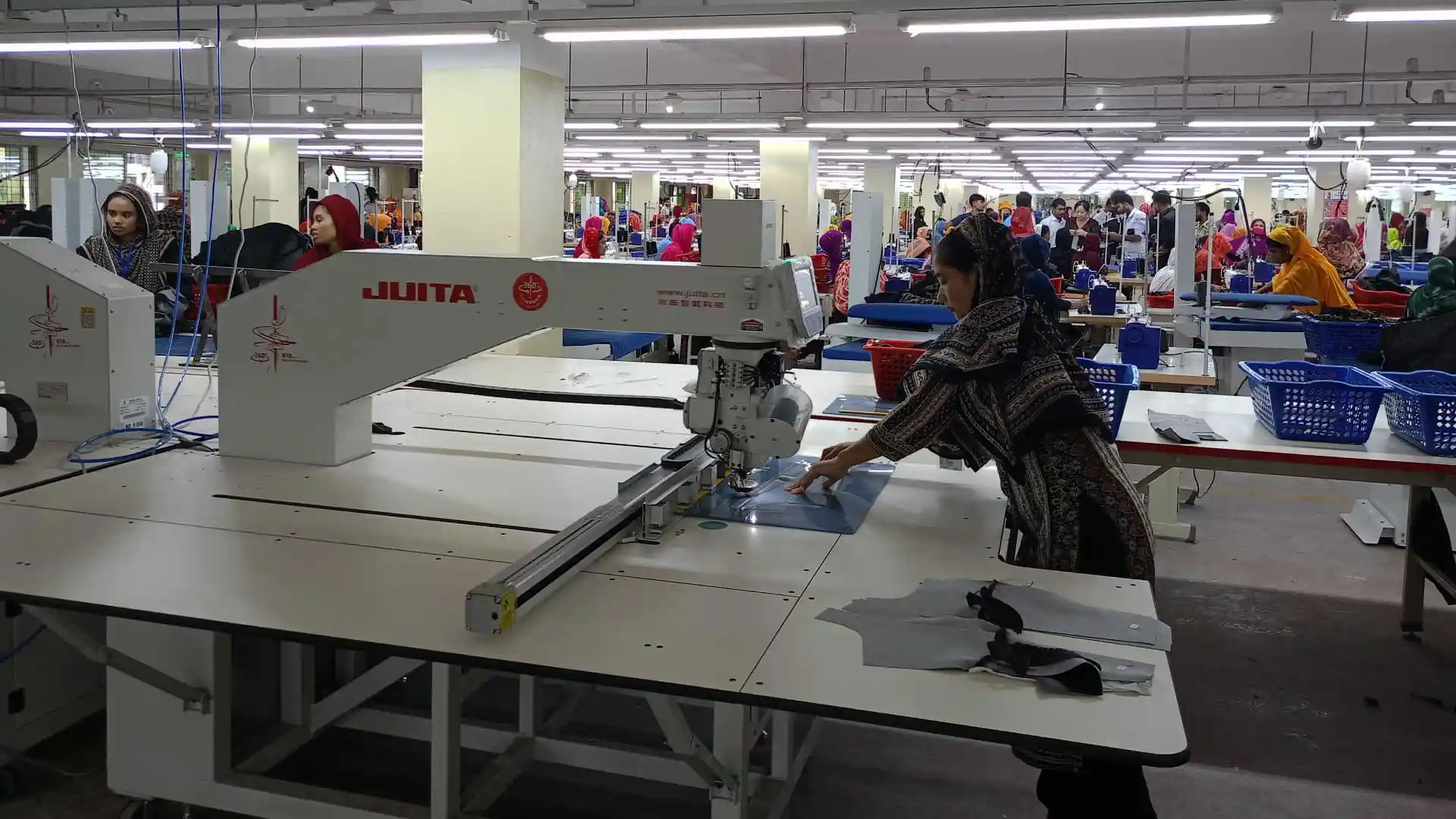
RYZEAL SOURCING manufactures custom apparel in Bangladesh for South African fashion brands, retailers, startups, importers, wholesalers, and private-label businesses. For buyers searching for Bangladesh Clothing Manufacturers that can support reliable production beyond local manufacturing limits, we offer a practical route for product development, fabric sourcing, sampling, competitive costing, quality control, compliance coordination, and export shipment. With our own production capacity and selected partner factory network, we help South African apparel businesses develop cost-effective, scalable, and market-ready clothing collections from Bangladesh.

The Nelson Mandela Statue reflects South Africa’s spirit of resilience, leadership, and progress. These values also connect with the country’s growing fashion and retail sector, where brands need reliable production partners to turn creative ideas into quality garments. Inspired by this forward-looking spirit, RYZEAL SOURCING supports South African apparel buyers with custom clothing manufacturing, sourcing guidance, sampling, quality control, and scalable garment production from Bangladesh.
About Us
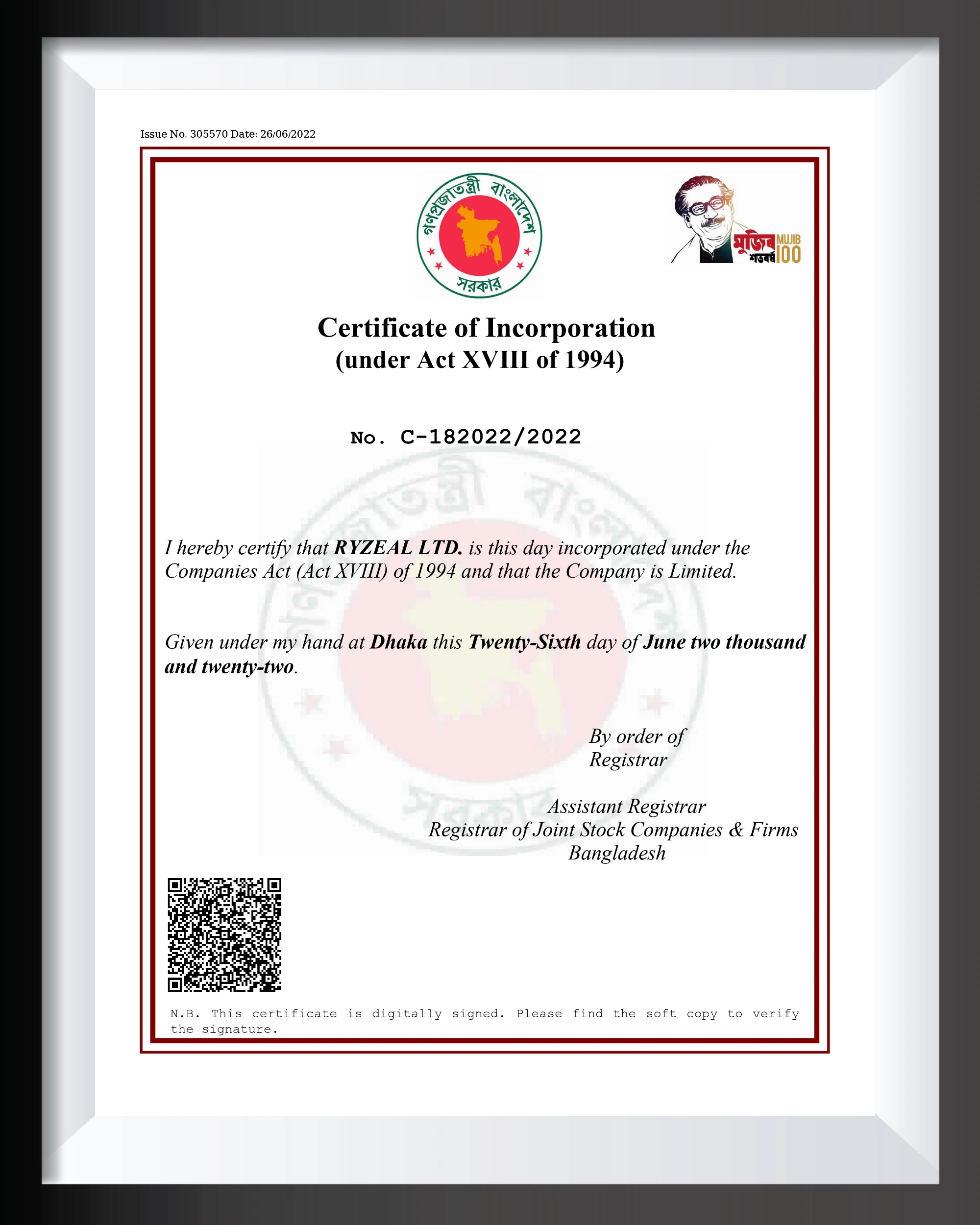
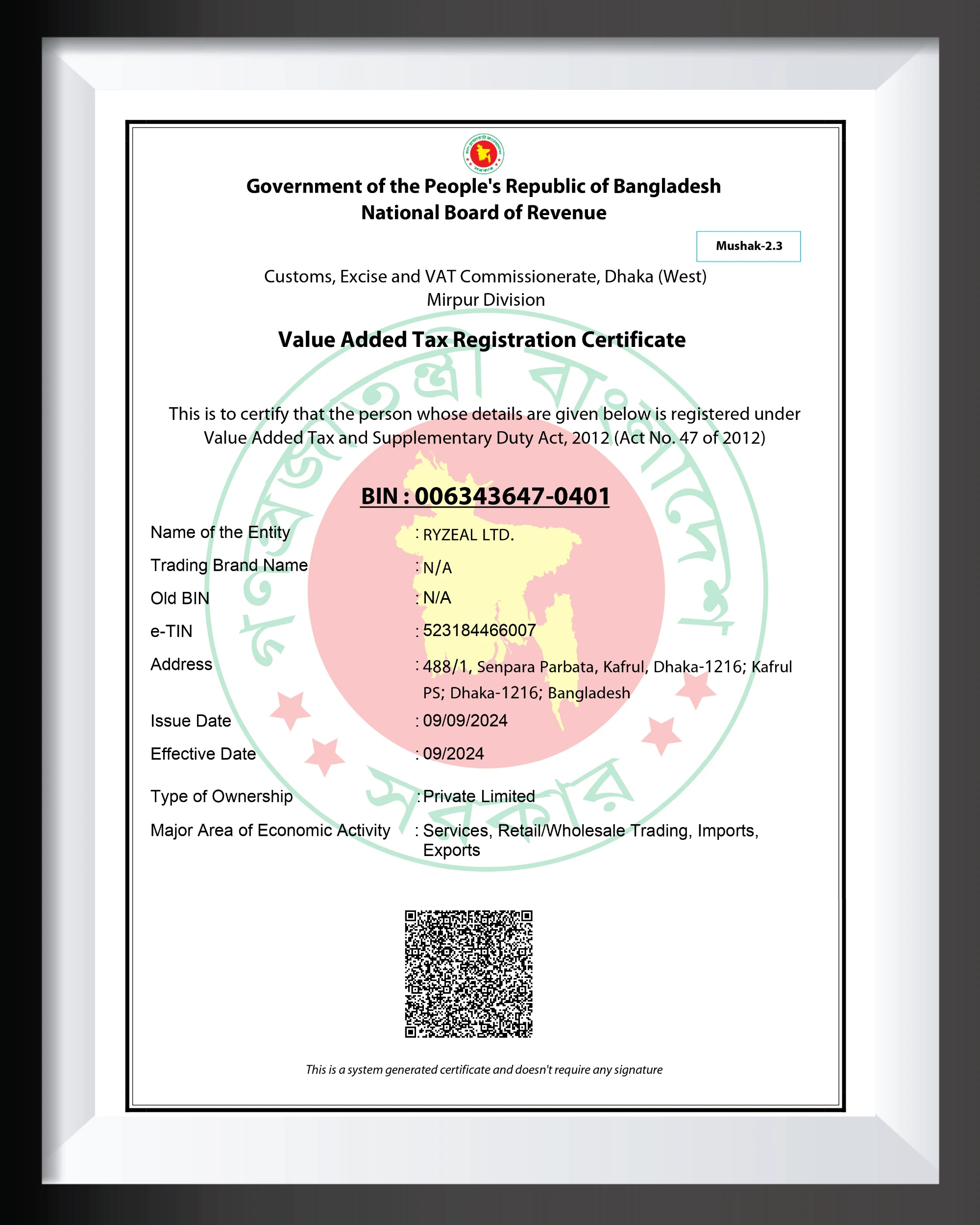
RYZEAL SOURCING (Trade Name of RYZEAL LTD.) is a Bangladesh-based apparel manufacturing and sourcing partner and garments buying house – helping brands, wholesalers, retailers, importers, and clothing businesses manufacture clothing in Bangladesh. We manage production through a vetted network of specialized garment manufacturers selected according to product type, materials, quantity, quality, compliance, and market requirements. Our network supports knit, woven, denim, sweater, activewear, workwear, and other apparel categories, while one RYZEAL team coordinates development, sourcing, sampling, production follow-up, quality control, compliance, and shipment.
We don’t just deliver products – we help build brands.
Our Products
Custom fabrics, colors, sizes, labels, and packaging supported
RYZEAL SOURCING manufactures custom apparel in Bangladesh for South African brands, retailers, startups, importers, wholesalers, and private-label buyers. We support product categories such as T-shirts, polo shirts, hoodies, sweatshirts, tracksuits, activewear, leggings, trousers, crop tops, tank tops, yoga wear, and casual apparel. For buyers searching for Bangladesh Clothing Manufacturers with export-ready production support, we help with fabric sourcing, sample development, sizing, trims, labeling, packaging, production follow-up, quality control, and shipment coordination. Our goal is to help South African fashion businesses access reliable, cost-effective, and scalable apparel manufacturing through Bangladesh.
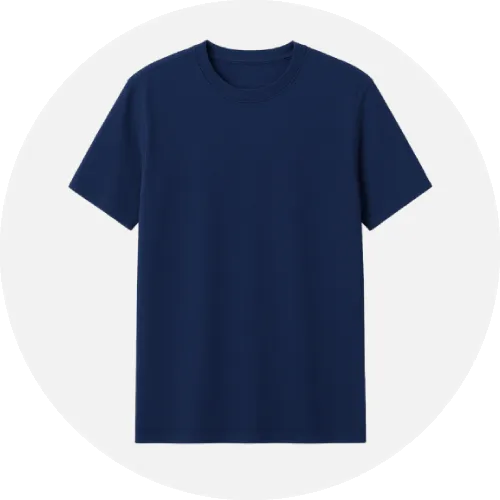
T-Shirt
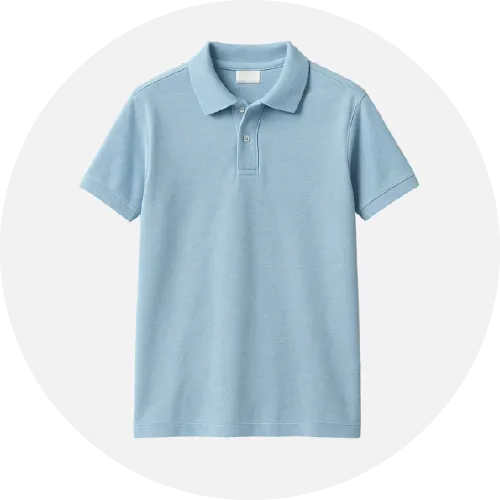
Polo Shirt
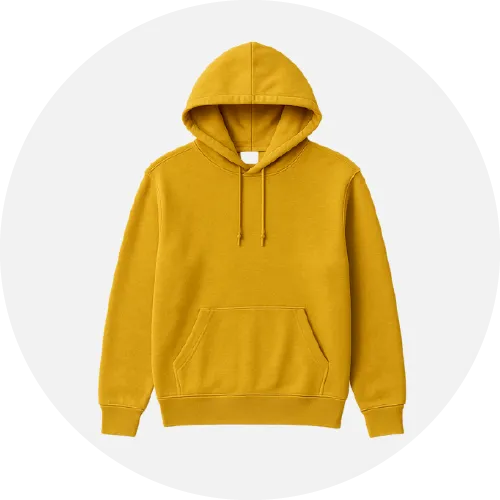
Hoodies
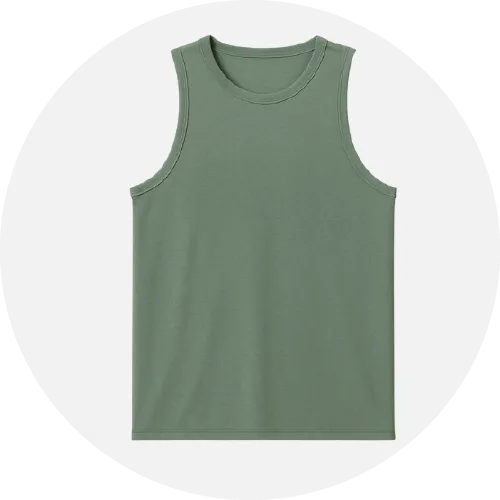
Tank Tops
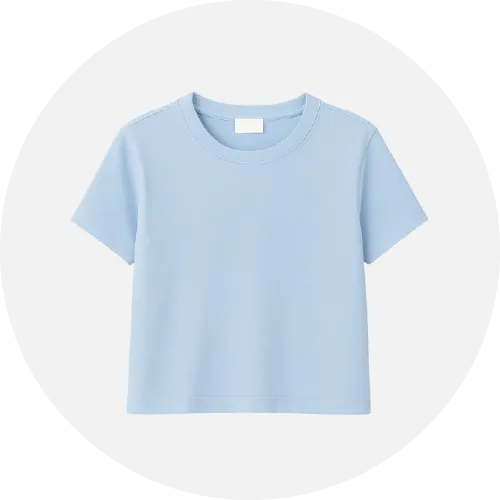
Crop Tops
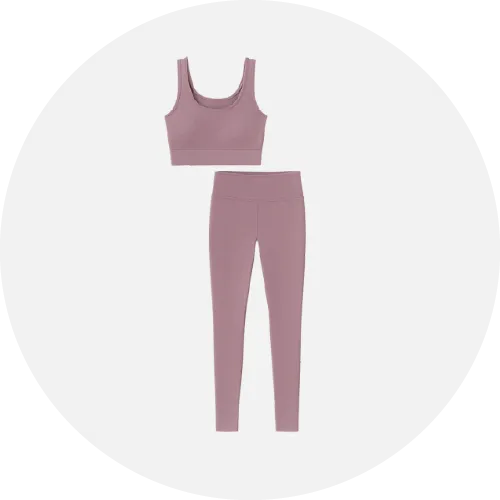
Yoga Wear
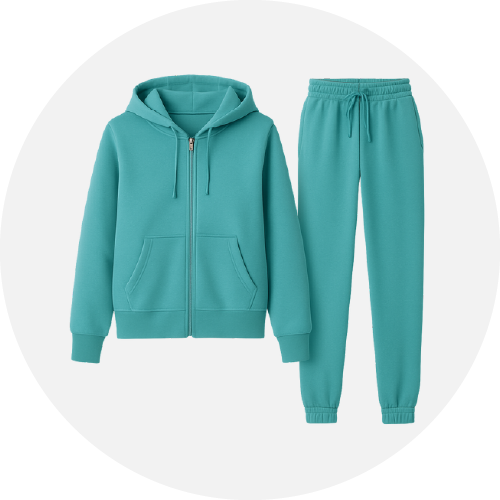
Tracksuit
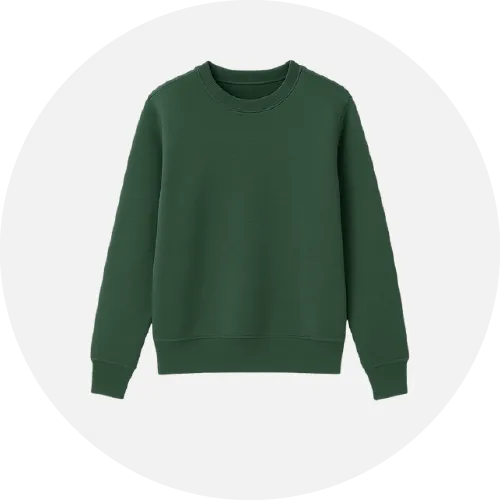
Sweatshirt
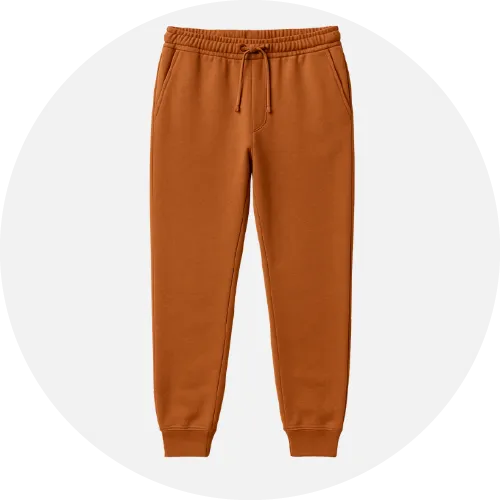
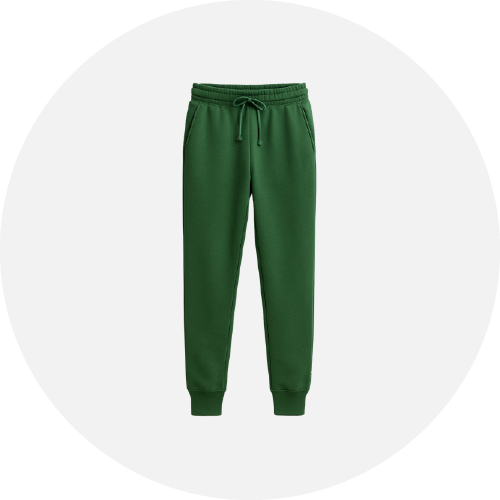
Trouser
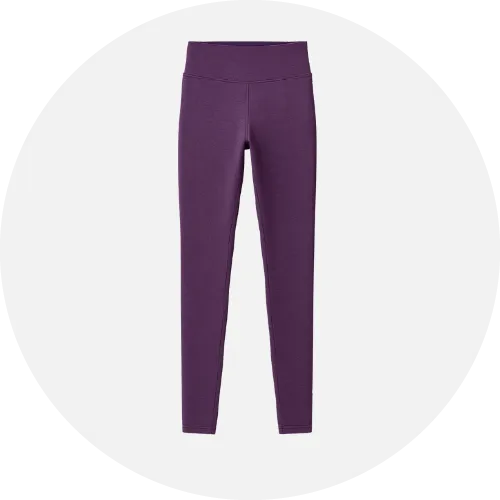
Leggings
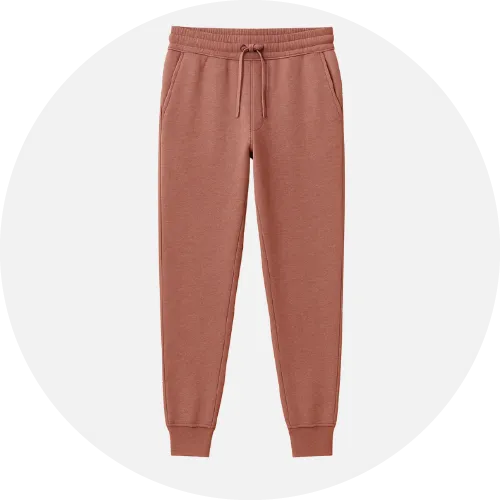
Active Wear
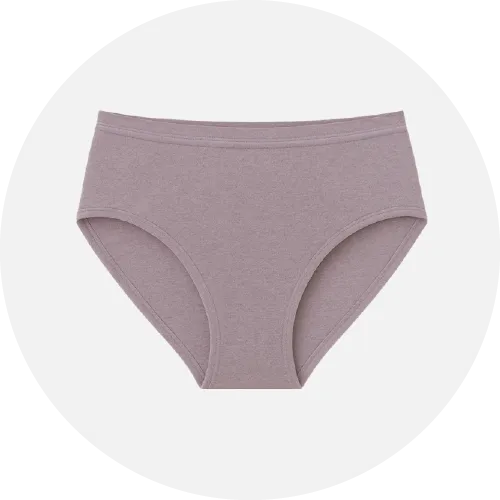
Panty
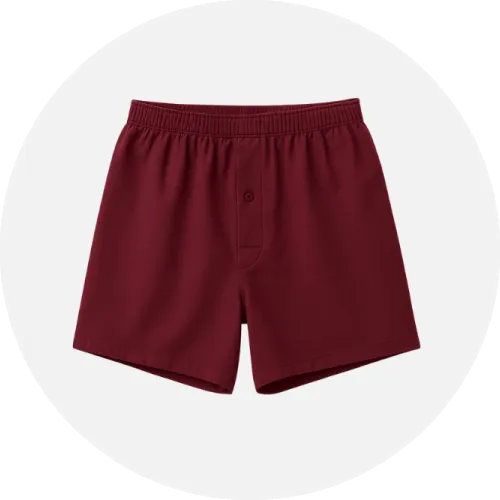
Boxer
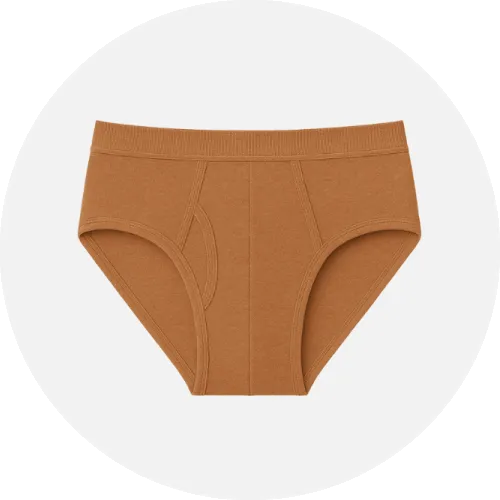
Brief
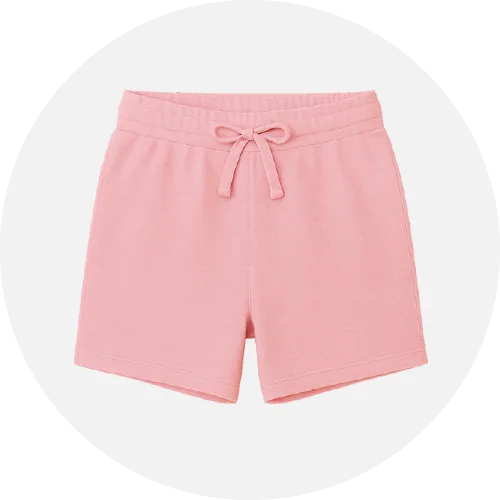
Shorts
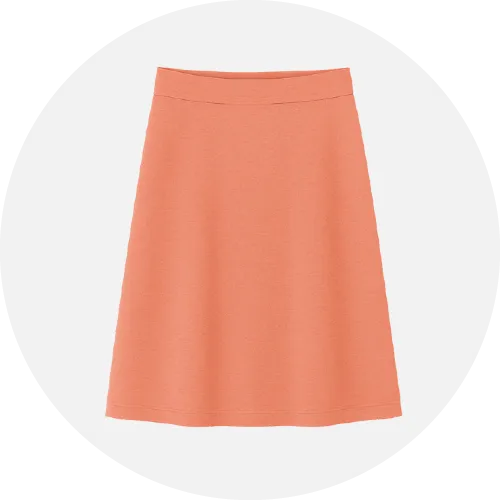
Skirt
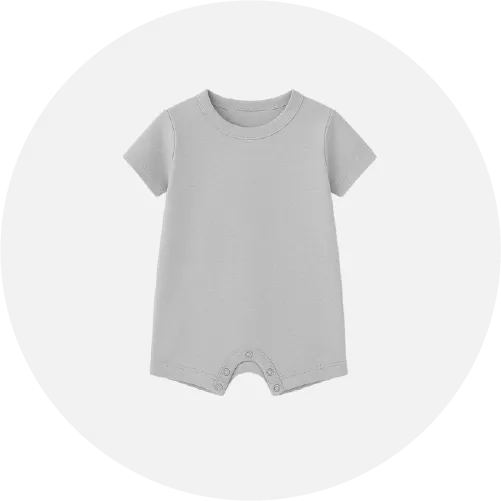
Kid's Rompers
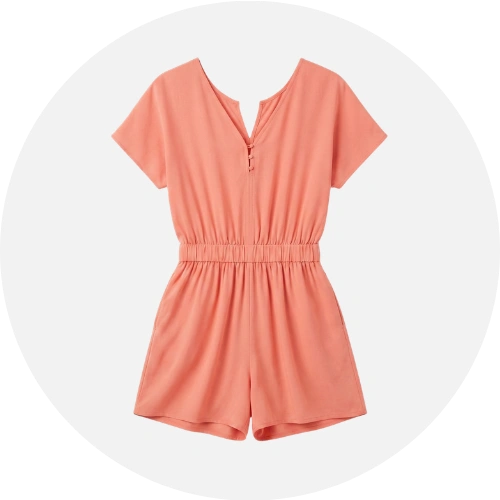
Rompers
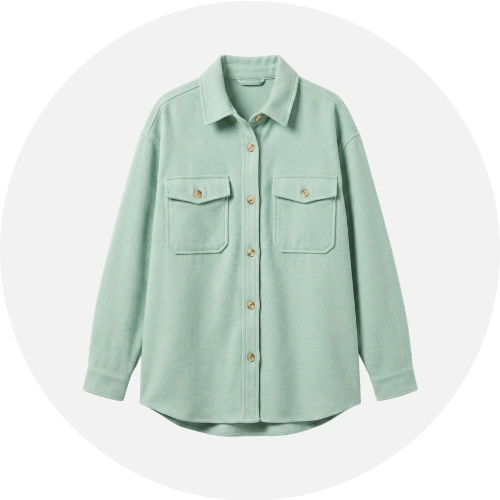
Shirts & Shackets
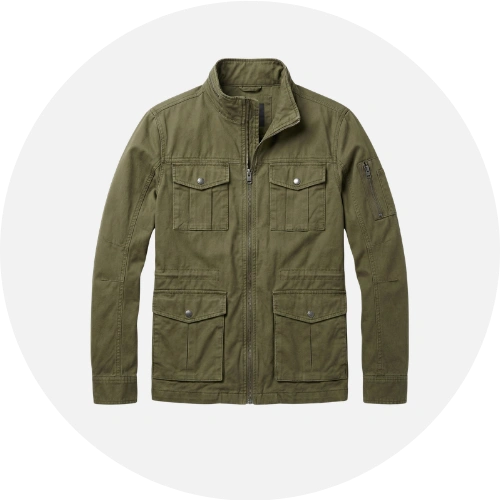
Jackets
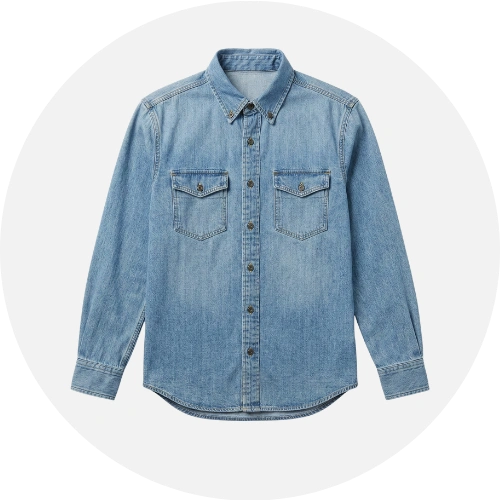
Denim Wear
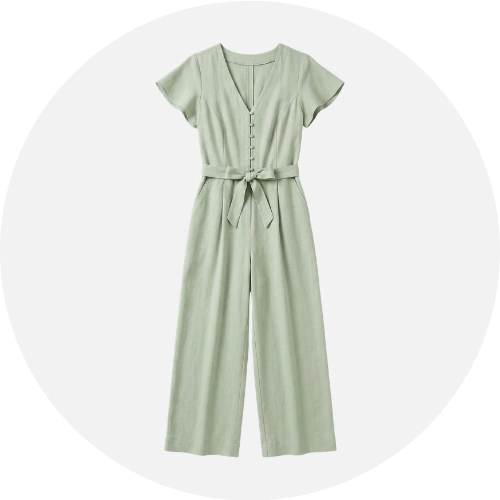
Jumpsuits
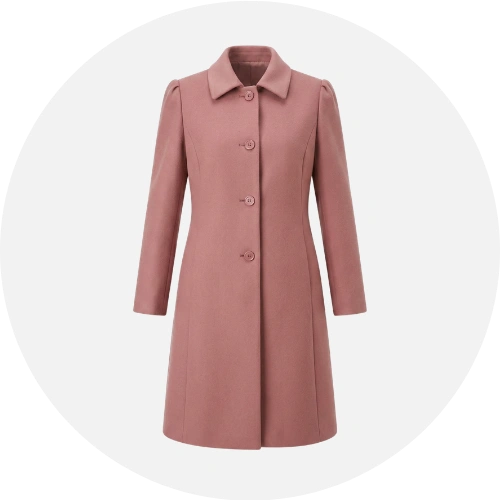
Coats
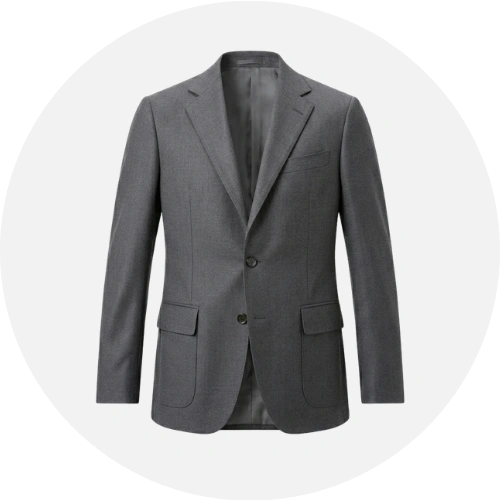
Blazers
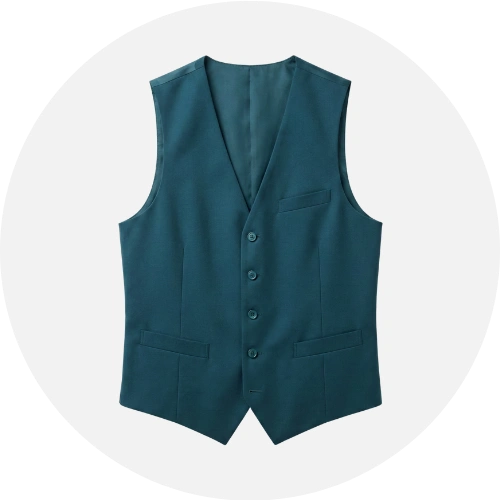
Vests
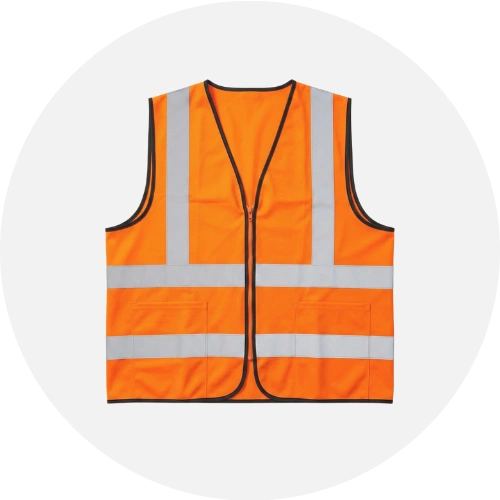
Workwear
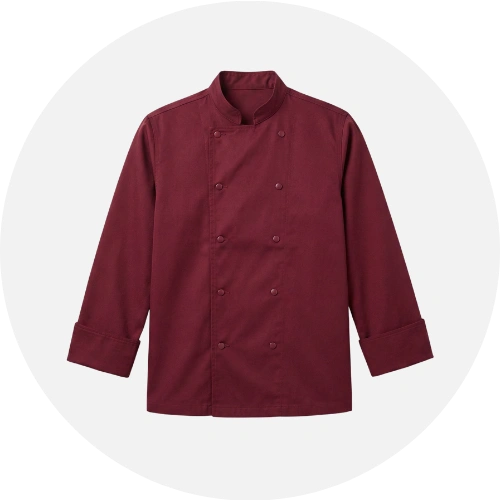
Uniforms
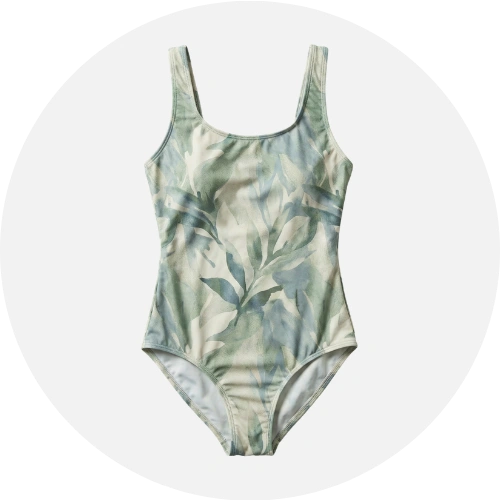
Swim Wear
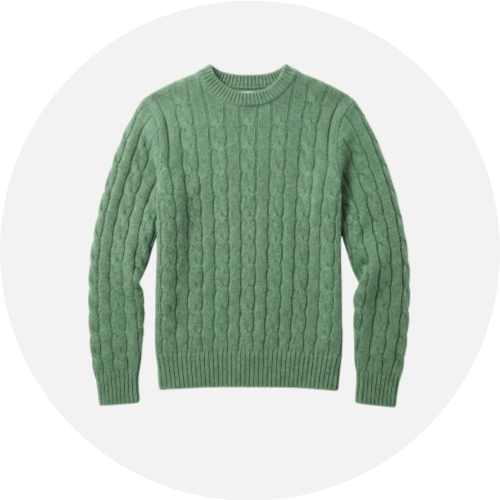
Sweaters
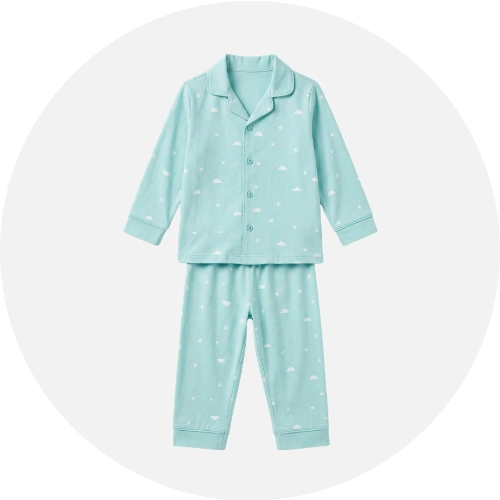
Sleepwear
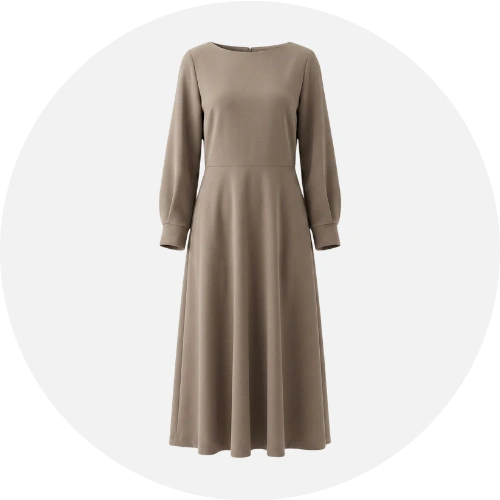
Women's Dress & Sets
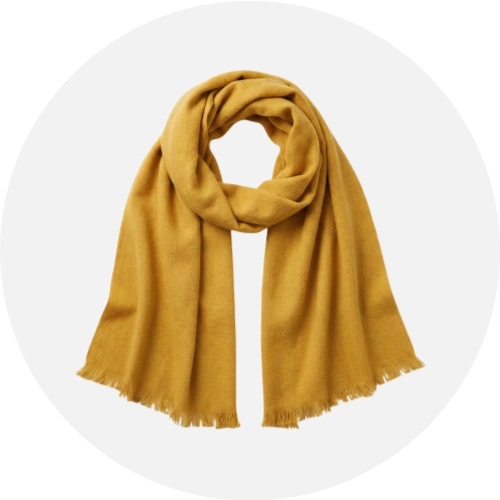
Accessories & Others
Our Services
End-to-End Apparel Sourcing & Manufacturing Support
Product Design & Development
We turn ideas, sketches, references, or tech packs into production-ready garment designs with clear style, fit, fabric, and manufacturing direction.
Fabric & Material Sourcing

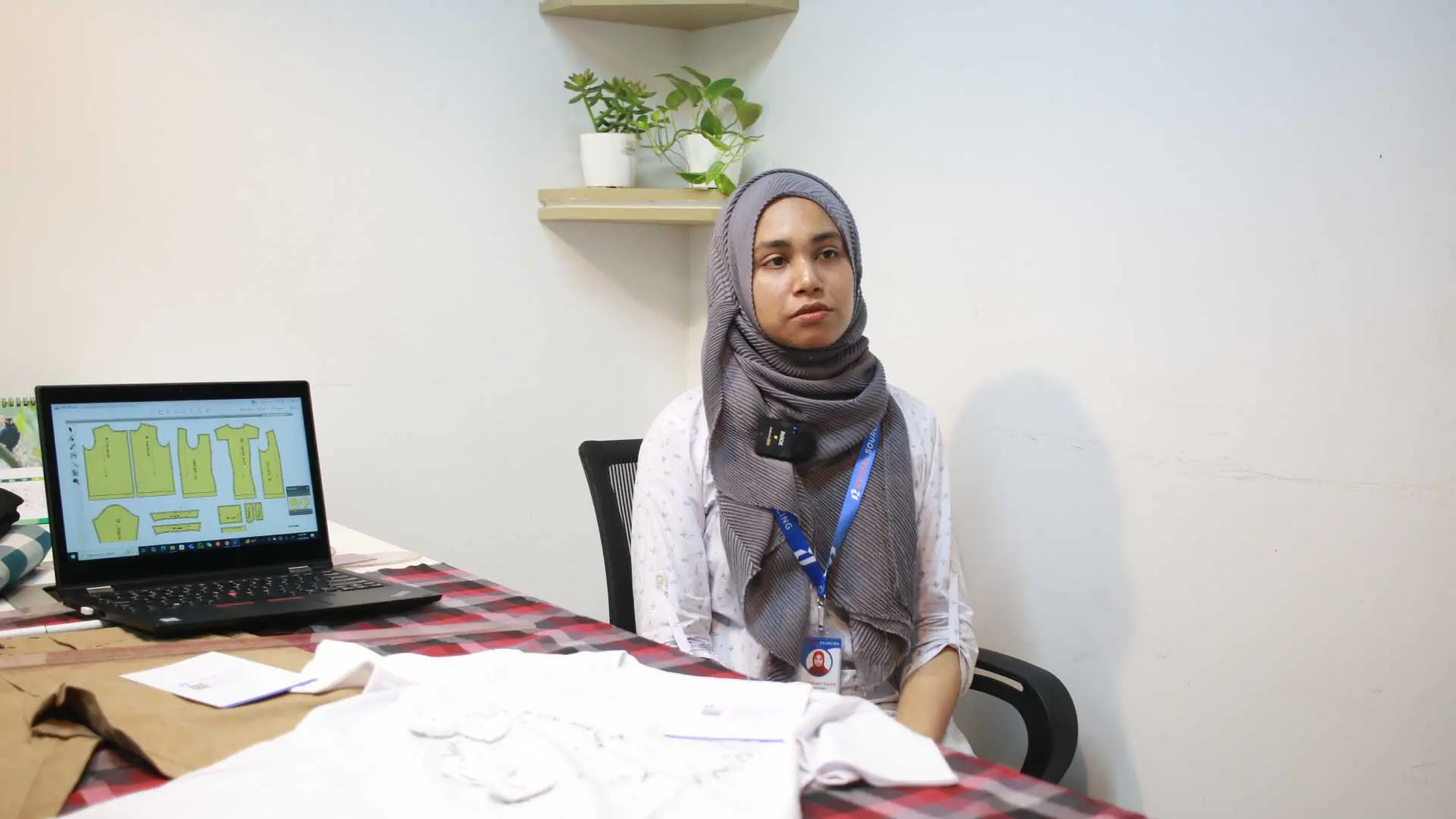
Pattern Making & Sampling

Bulk Production
Quality Assurance

Compliance Management
Logistics & Shipping

Merchandising & Reporting
How It Works: Simple, Transparent Apparel Manufacturing Process
STEP 1 – Share Your Design or Requirement
Send us your tech pack, reference images, or product idea. Our merchandising team reviews feasibility, fabric options, and customization requirements.
STEP 2 – Costing, MOQ & Timeline Confirmation

STEP 3 – Sampling & Approval
STEP 4 – Bulk Production & Shipment
From Concept to Shipment: Our Workflow
1. Contact Ryzeal
2. Confirm Design
3. Fabric Selection
4. Fabric Inspection
5. Cutting
6. Embroidery
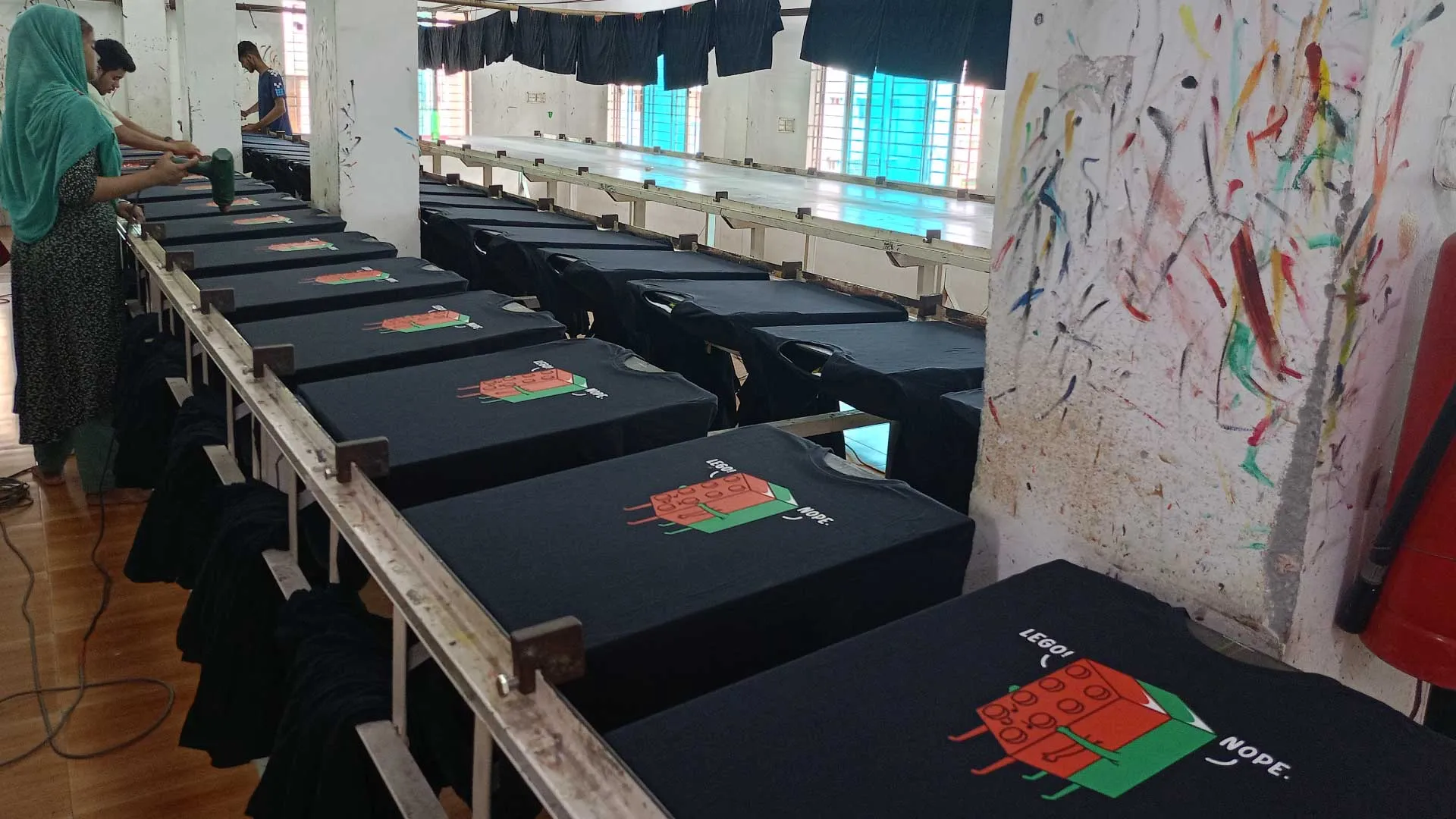
7. Printing
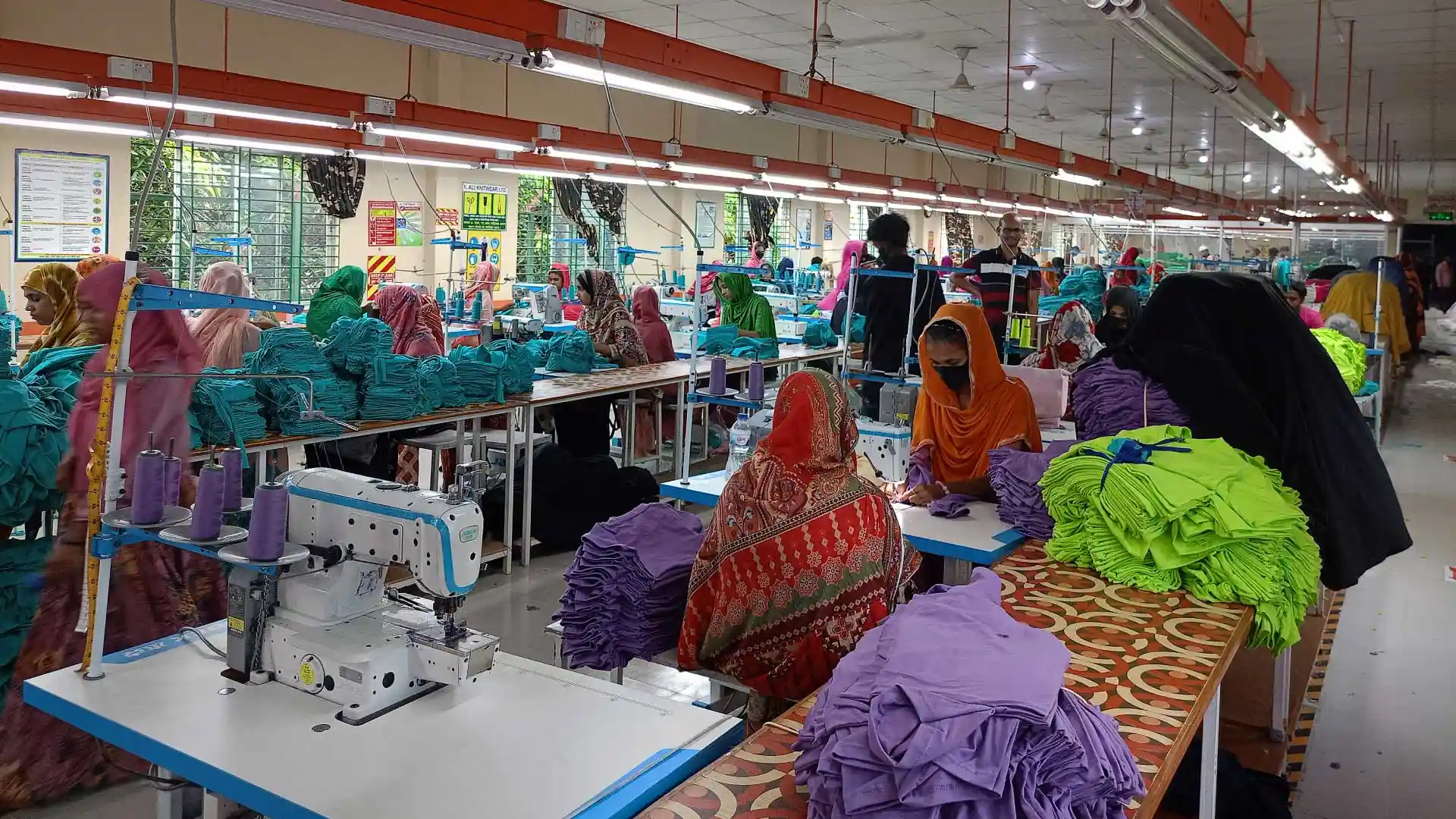
8. Sewing
9. Ironing
10. Finishing
11. Packaging
12. Shipping
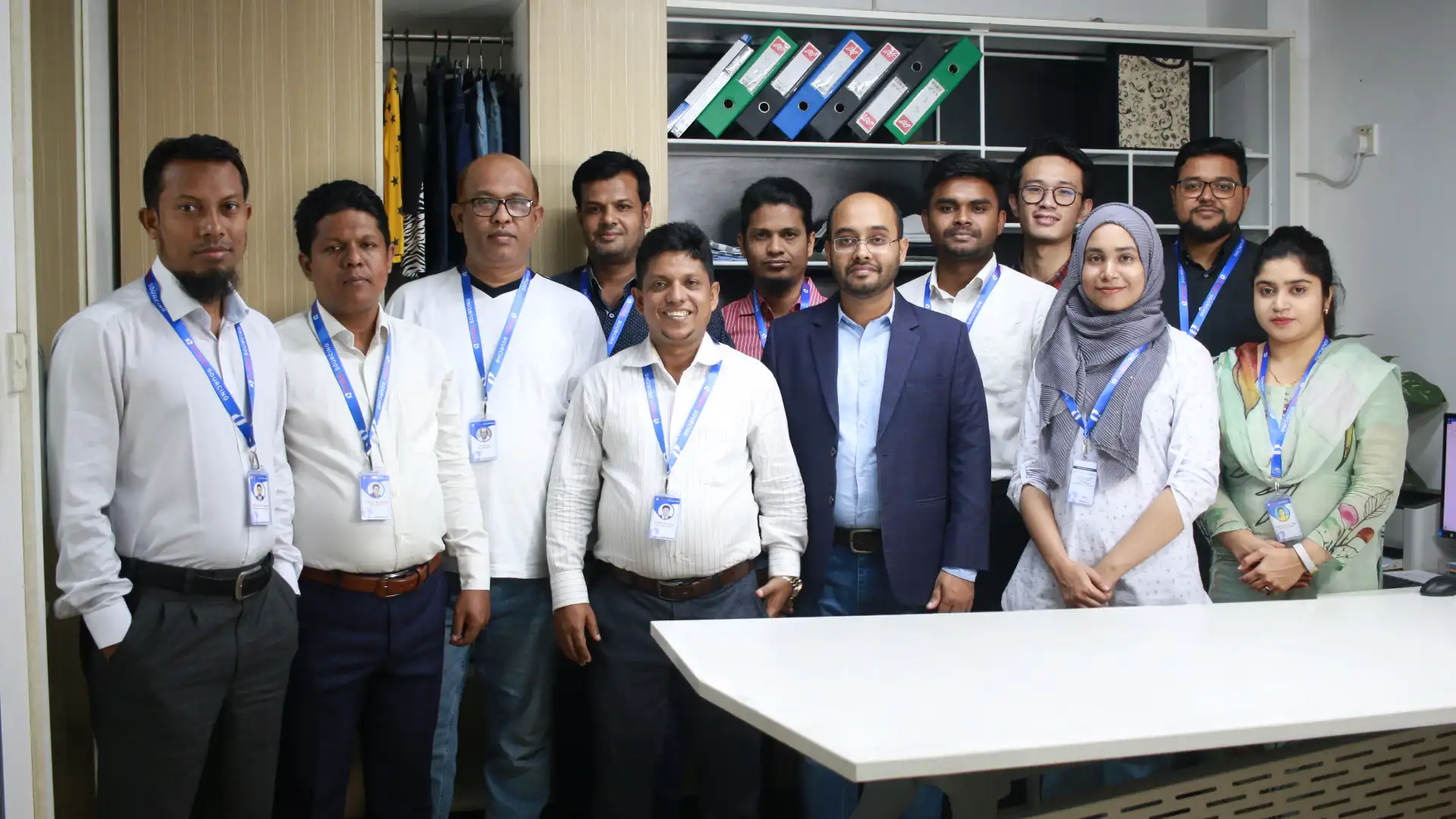
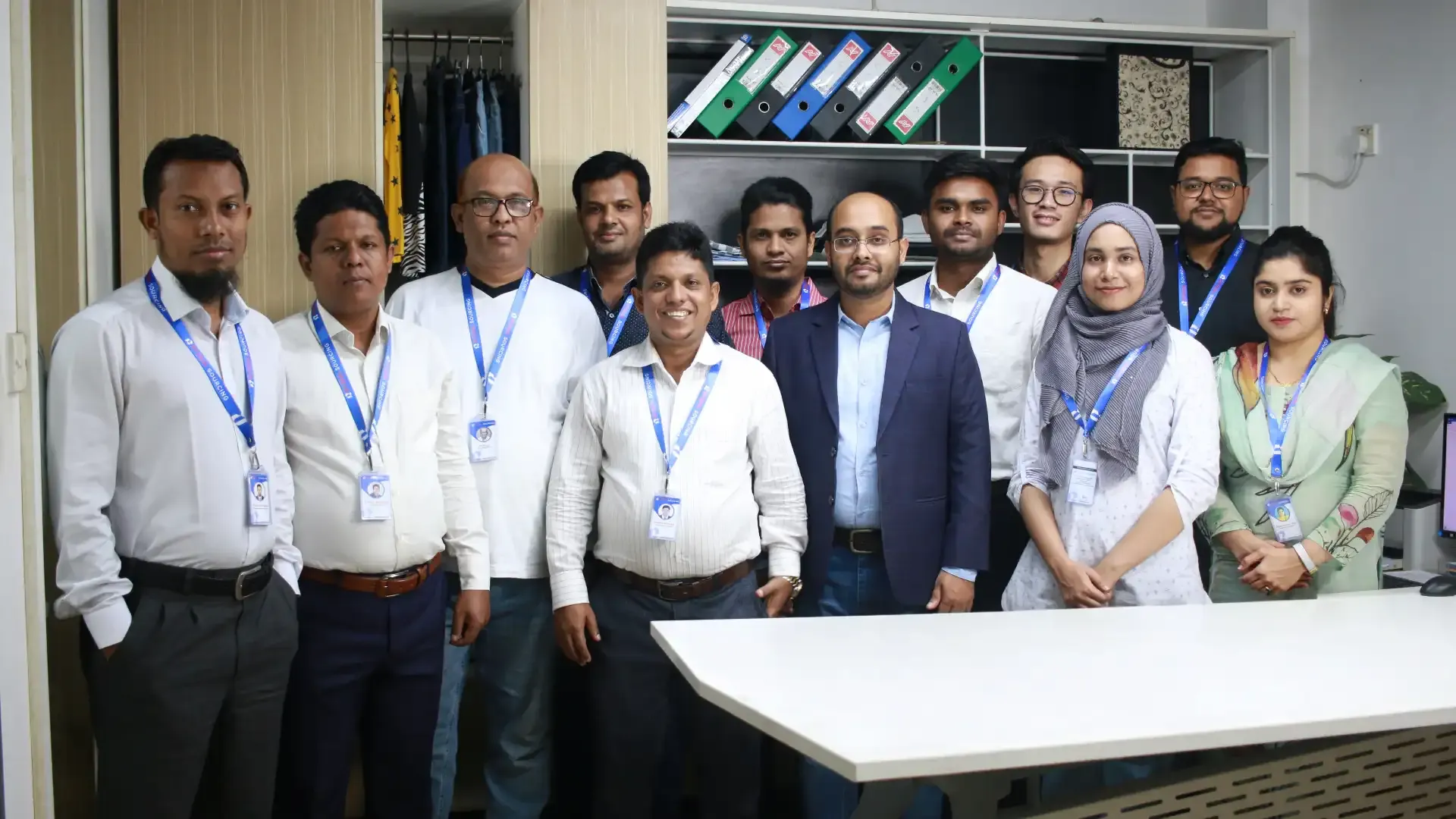
Team RYZEAL: Committed to Your Apparel Success

Matiur Rahman
Managing Director
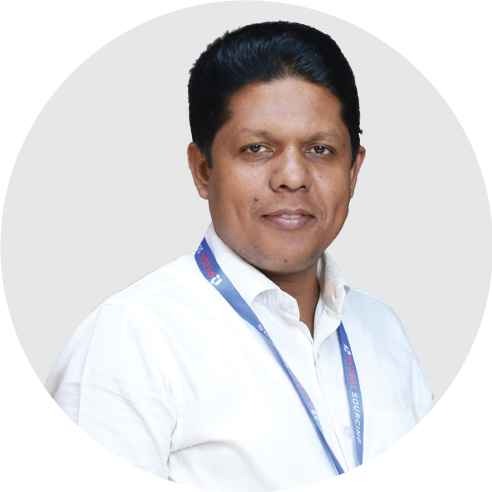
Amirul Muminin
Executive Director
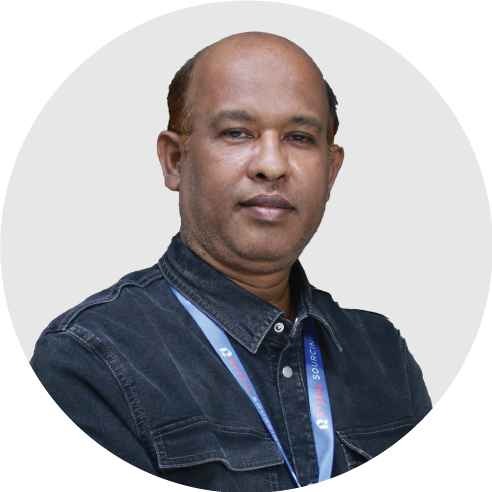
Ali Azam
Director

Md Abdul Kadir
Director

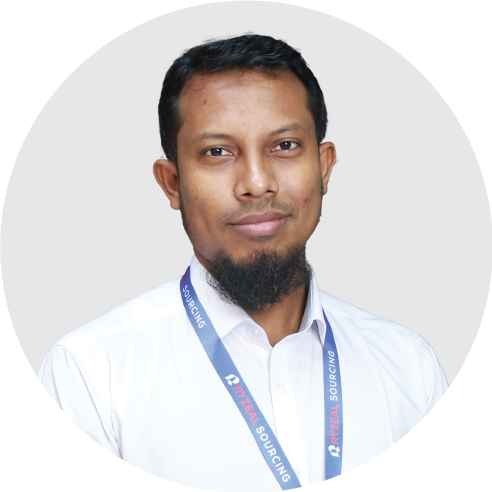
Imamul Mottakin
Head of Quality
Mohammad Helal
Commercial Manager

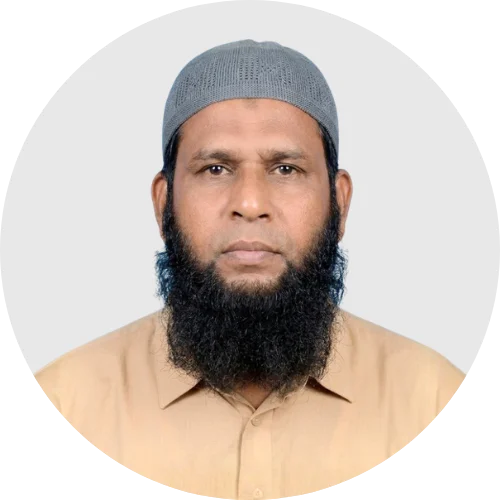
Abu Hanif
Head of Sourcing
Md. Kamruzzaman
Merchandising Manager

Rasel Mia
Merchandiser

Kazi Naserul Hoque
Assistant Merchandiser

Nazmul Hossain Niloy
Assistant Merchandiser
Abir Hasan Himel
Executive Digital Growth
Mahjabeen Sayed
Fashion Designer

Abdus Salam
IT Executive
Abida Jaman Rita
Fashion Designer

Abdur Rahman
Accountant

Md Janik Rana Jony
Quality Control
Why Choose Bangladesh and RYZEAL SOURCING?
Bangladesh has earned global trust as a competitive apparel manufacturing destination, serving many international brands with large-scale production capacity, skilled labor, and strong export experience. Yet for smaller brands and SME buyers, working directly with large factories can be challenging because many production units prioritize high-volume orders and offer limited flexibility.
RYZEAL SOURCING is built to make Bangladesh manufacturing more accessible. We help buyers benefit from competitive pricing, reliable factory expertise, flexible MOQ planning, organized sample development, quality control, and scalable production support. Whether you are starting small or planning future growth, our role is to connect your brand with the right manufacturing solution in Bangladesh.
Bangladesh Manufacturing Advantage
Why South Africa Brands Work With RYZEAL SOURCING
Transparent Costing & Realistic MOQs
Clear pricing with no hidden surprises, plus MOQ guidance based on product type, fabric, trims, and production complexity.

Structured Sampling Process
From tech pack review to final approval, we follow a clear sampling process to keep development organized and on track.
Dedicated Production Team
Our merchandising team actively manages factory coordination, timelines, and reporting so nothing falls through the cracks.
Certified & Responsible Factories
We work with compliant, audited manufacturing partners aligned with global standards and ethical production practices.

Strong Quality Control System
We monitor fabric sourcing, production, and final inspection to ensure consistent quality shipment after shipment.
Flexible Production Scale
We support both small trial orders and scalable bulk production, helping brands start carefully and grow with confidence.

Reliable Lead Times
Clear schedules, production follow-up, and coordinated logistics help you meet delivery targets with better confidence.

Long-Term Partnership
We focus on repeat production, stable partnerships, and helping brands expand sustainably - not one-off deals.
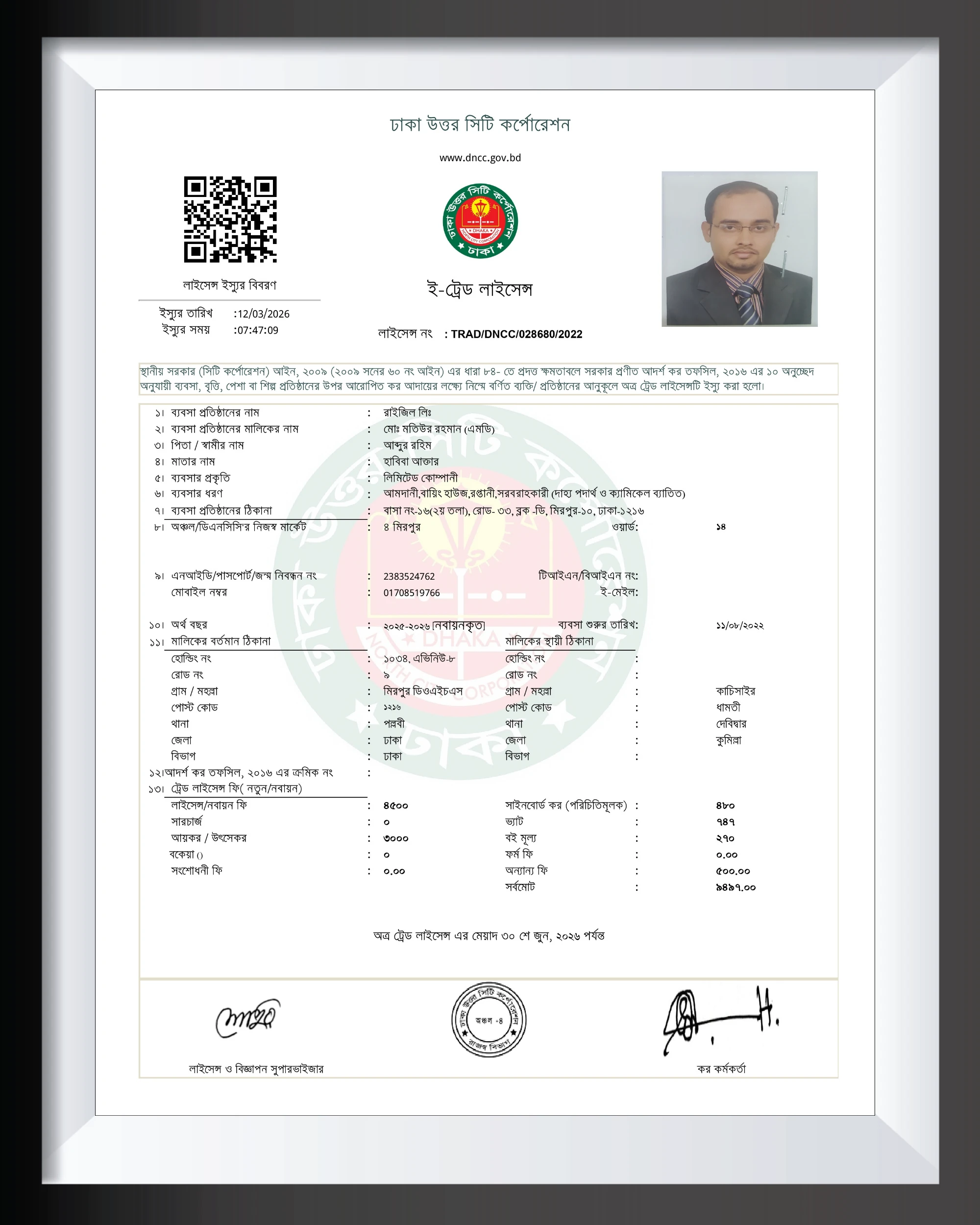
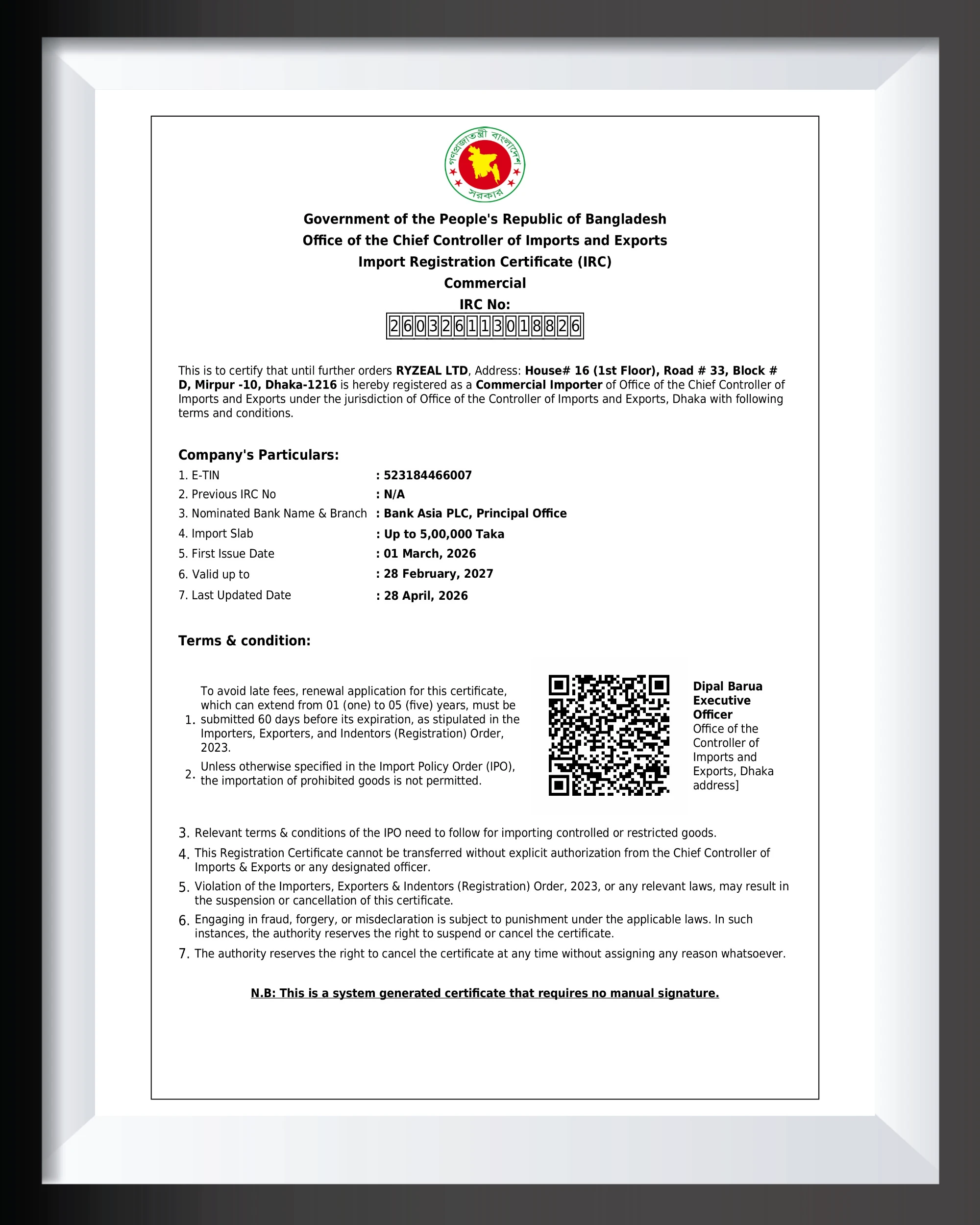
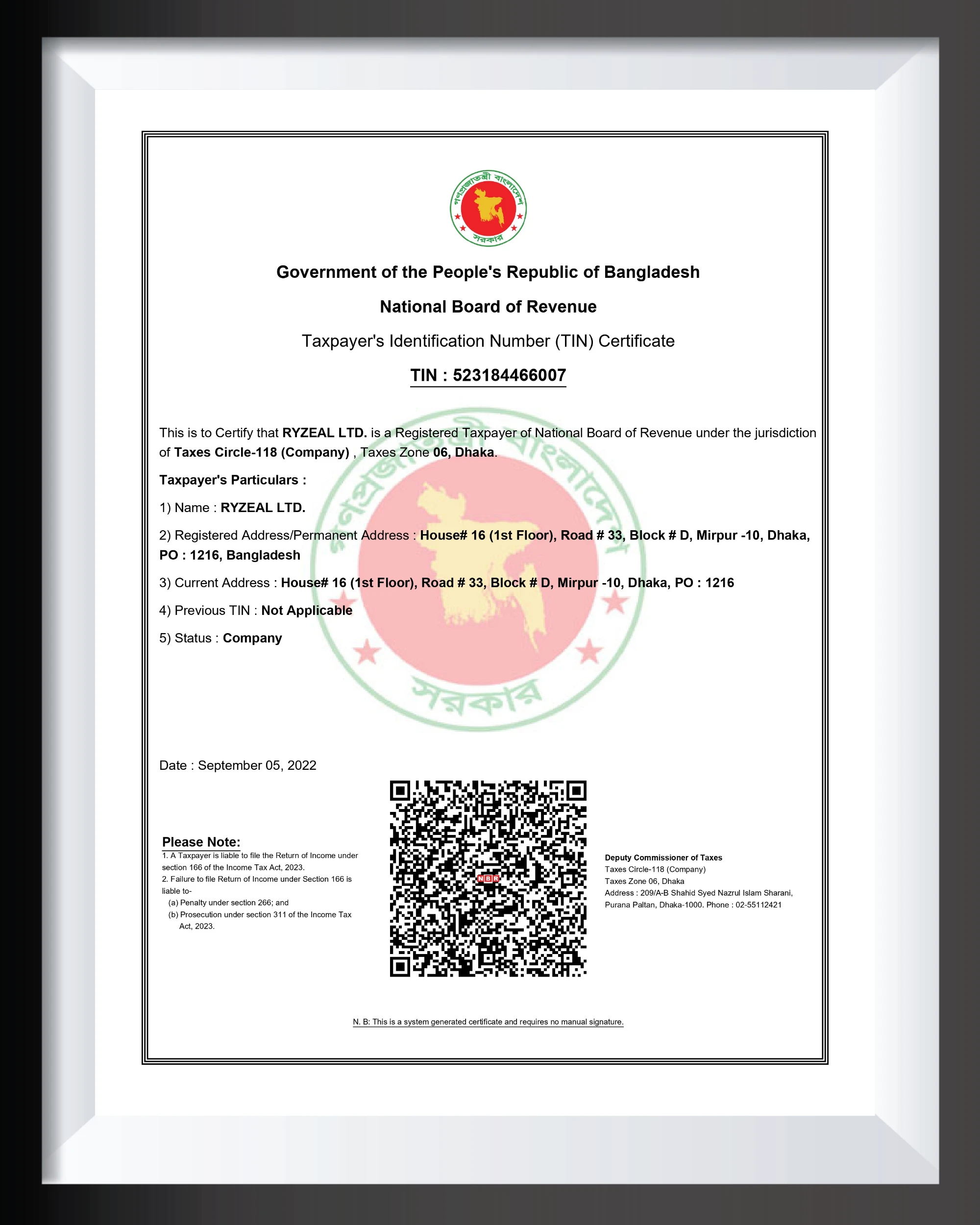
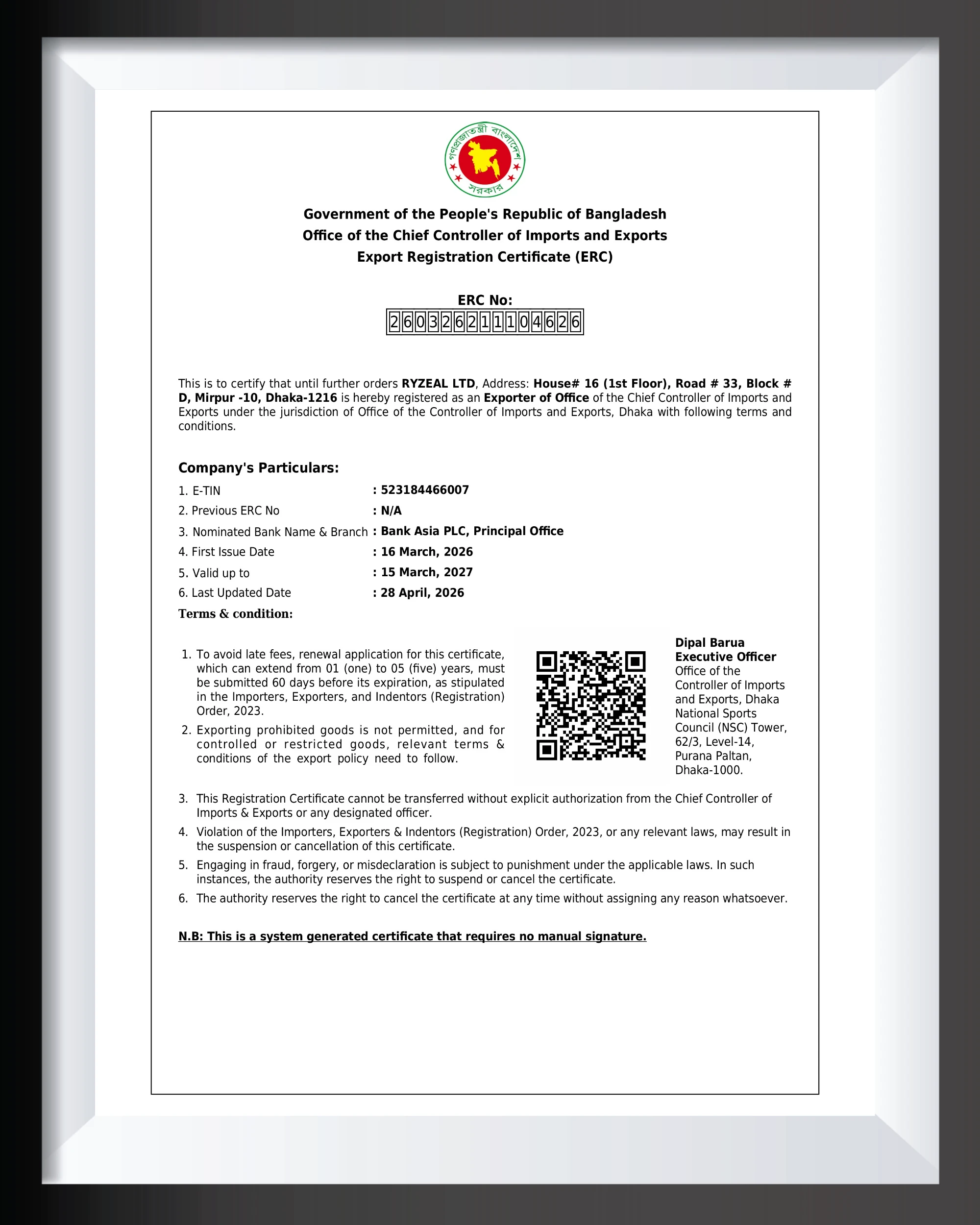
Manufacturing Unit Certifications










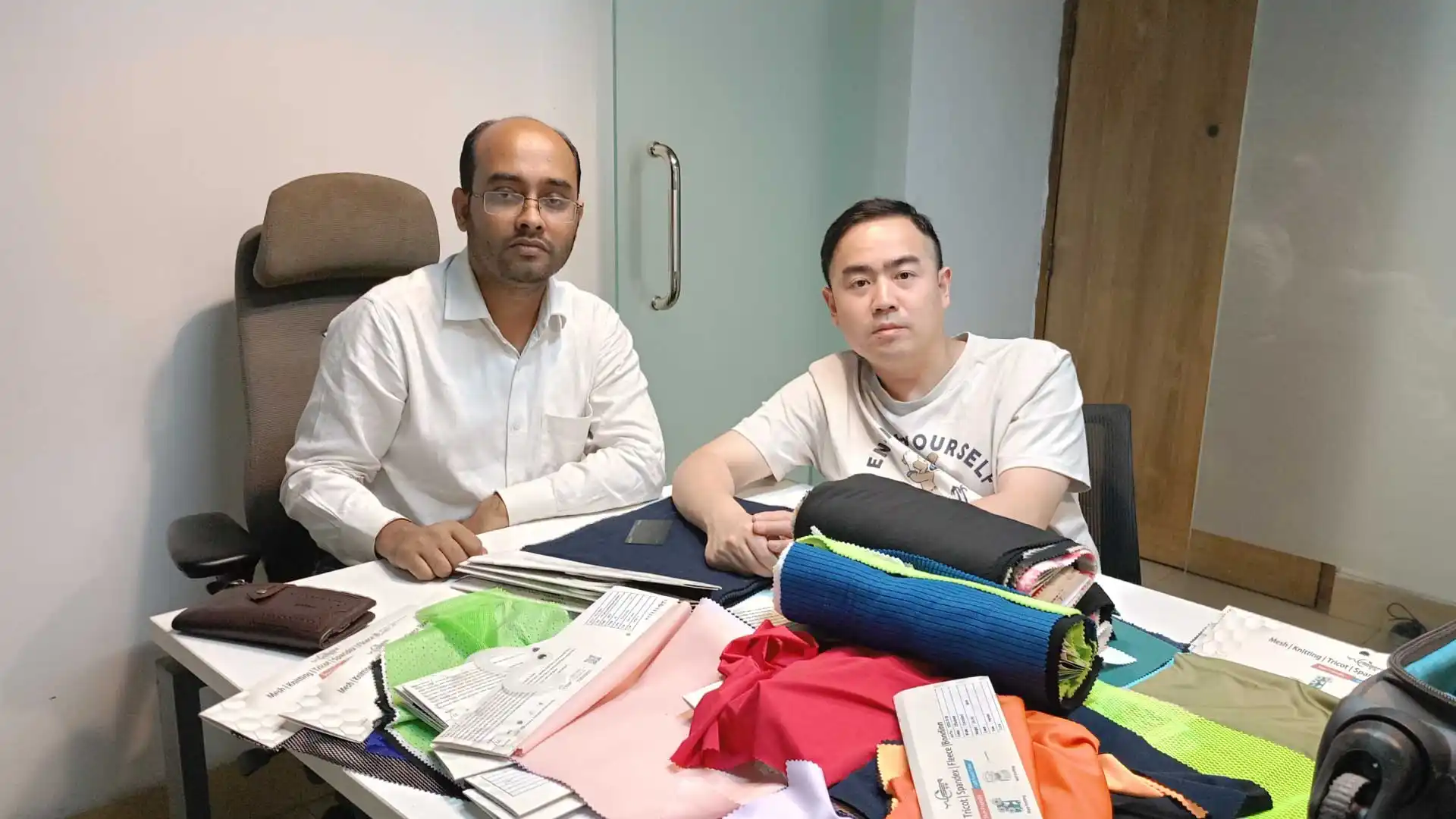
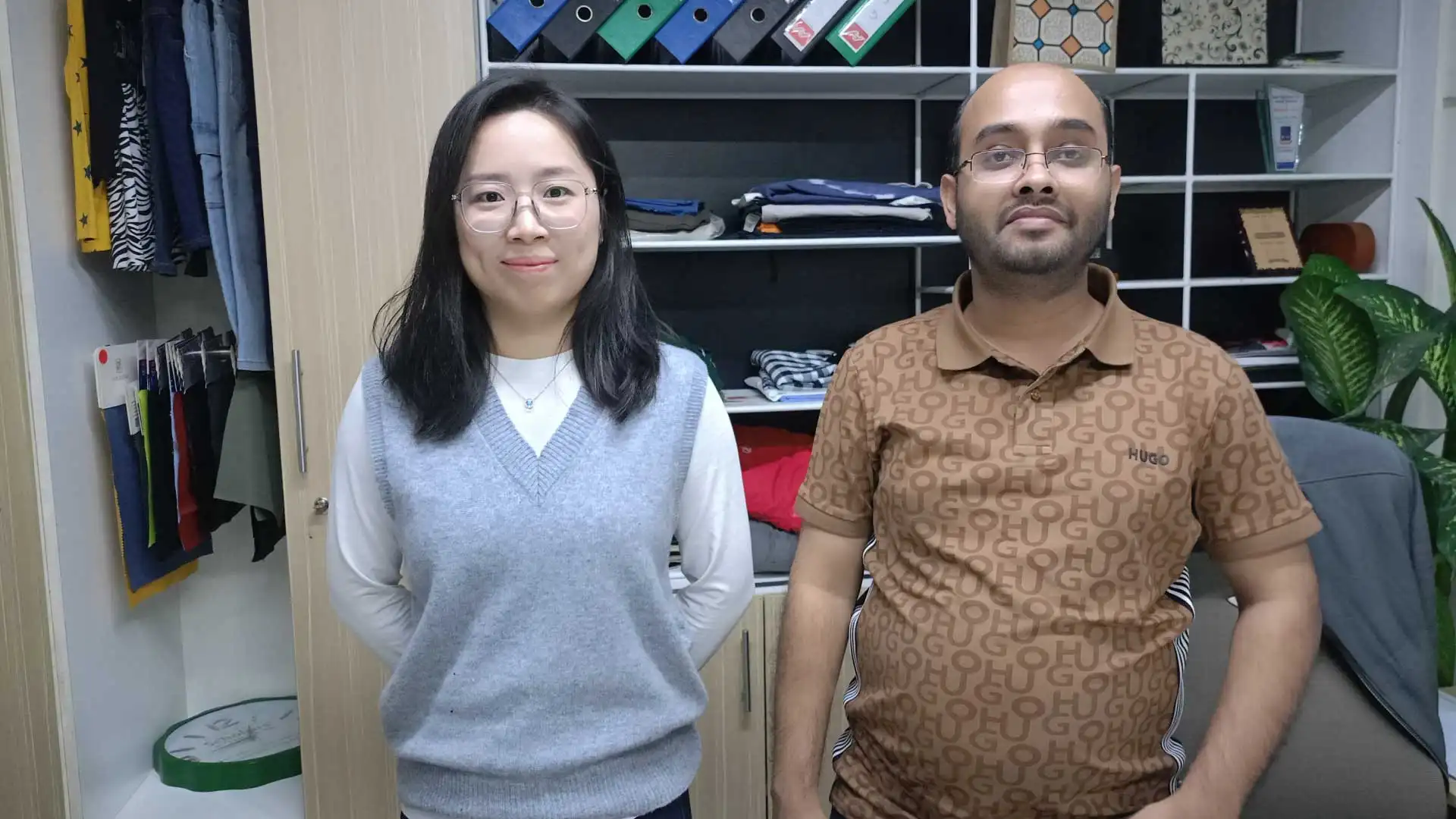
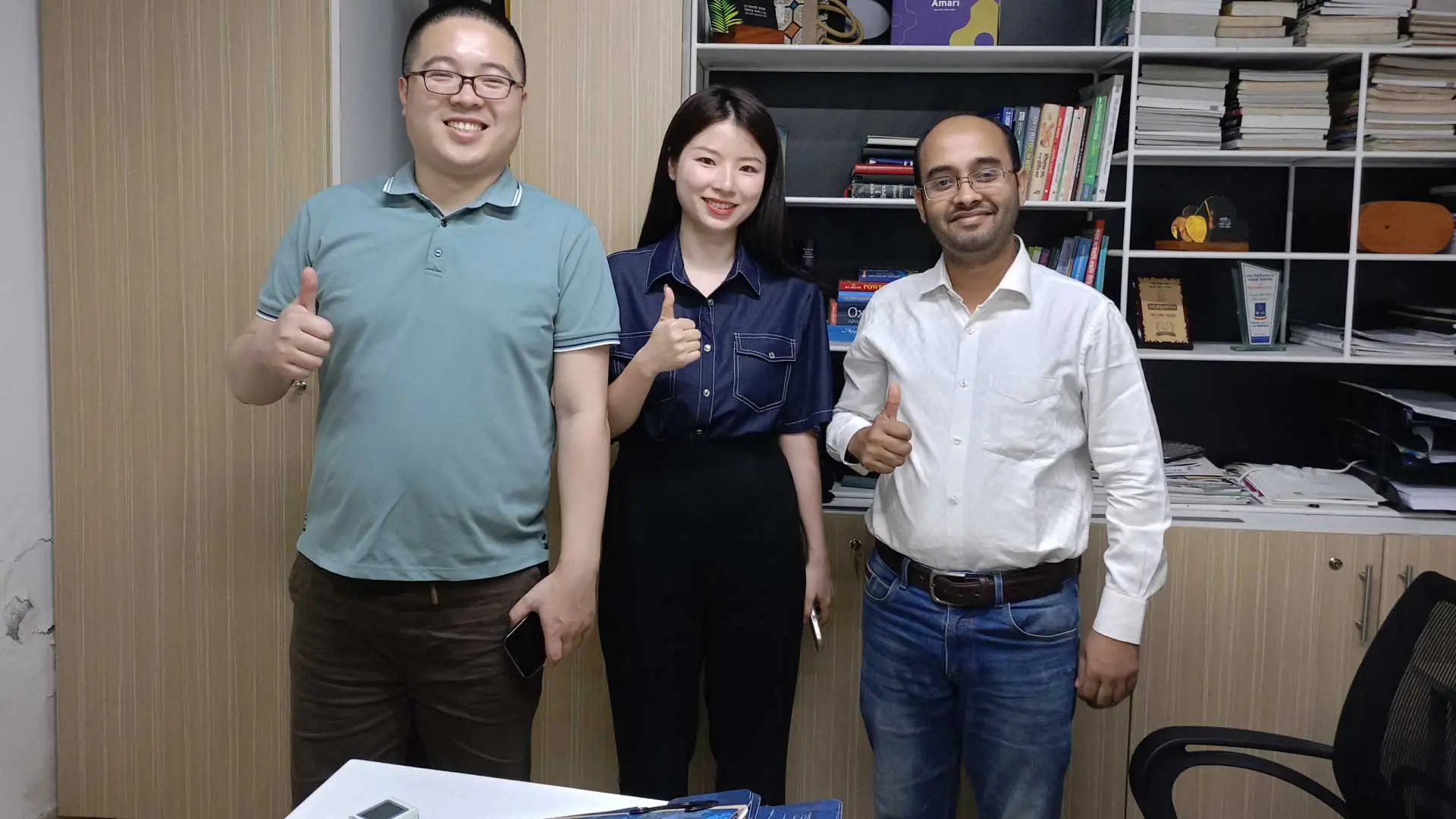
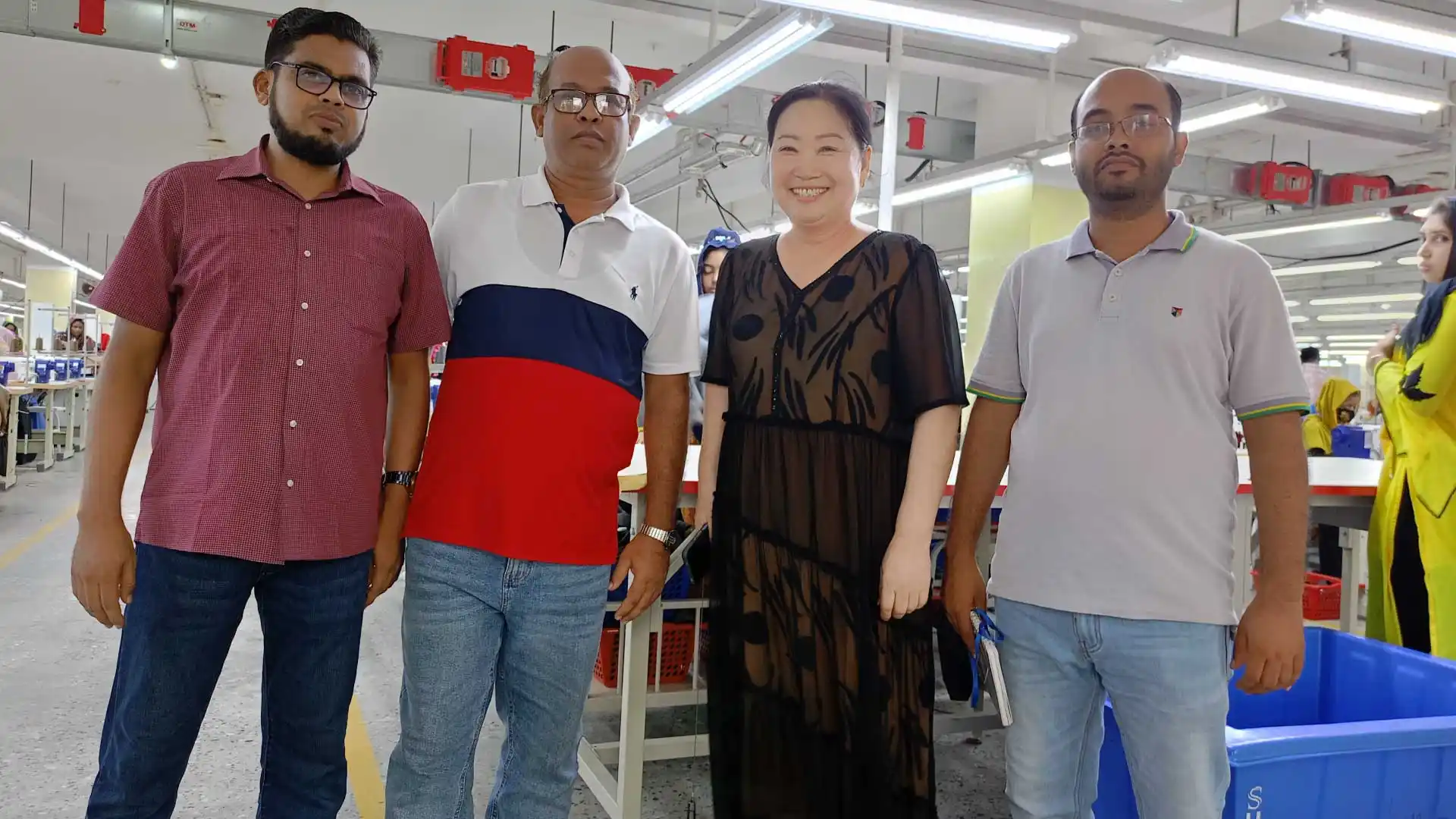
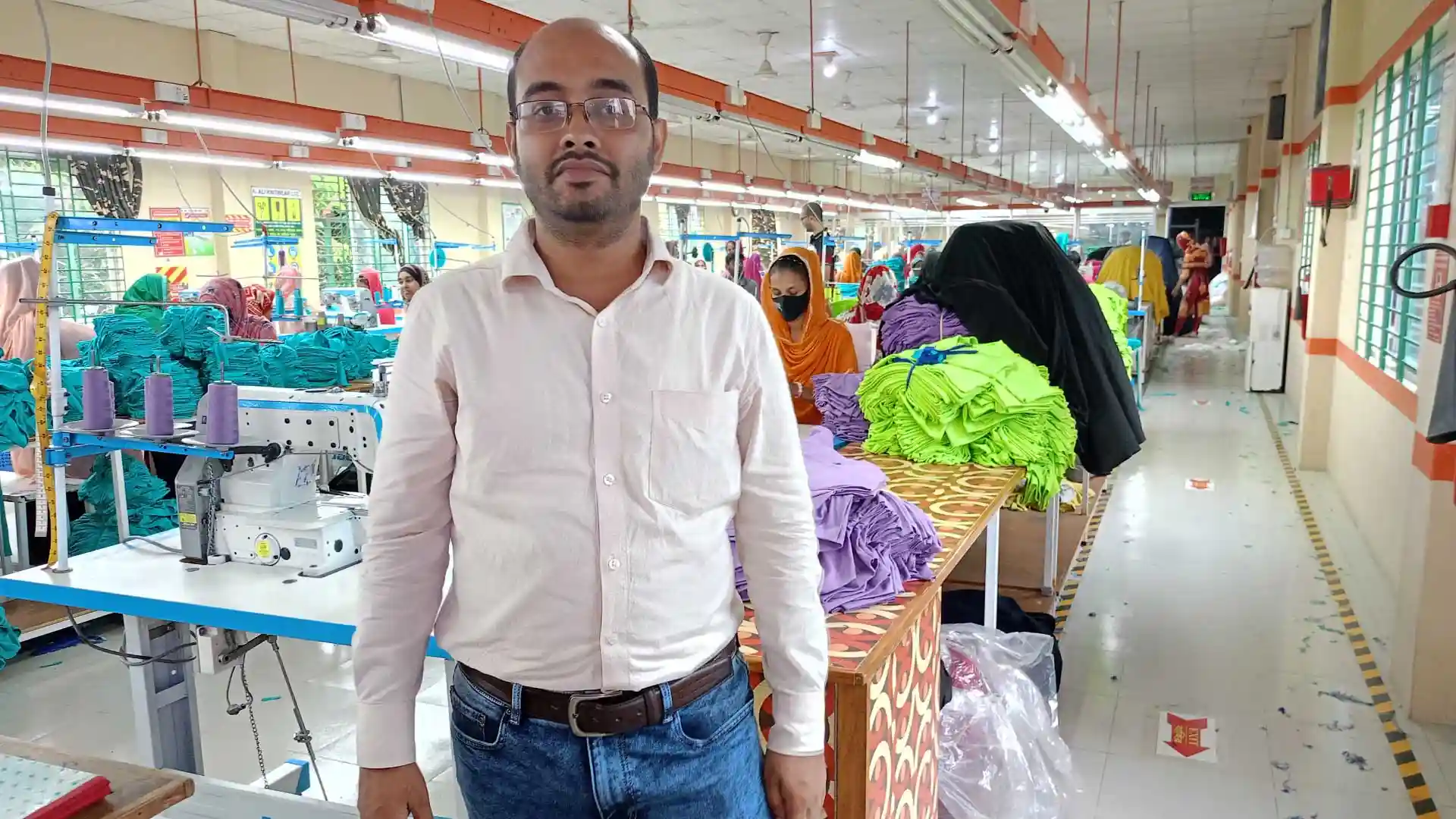
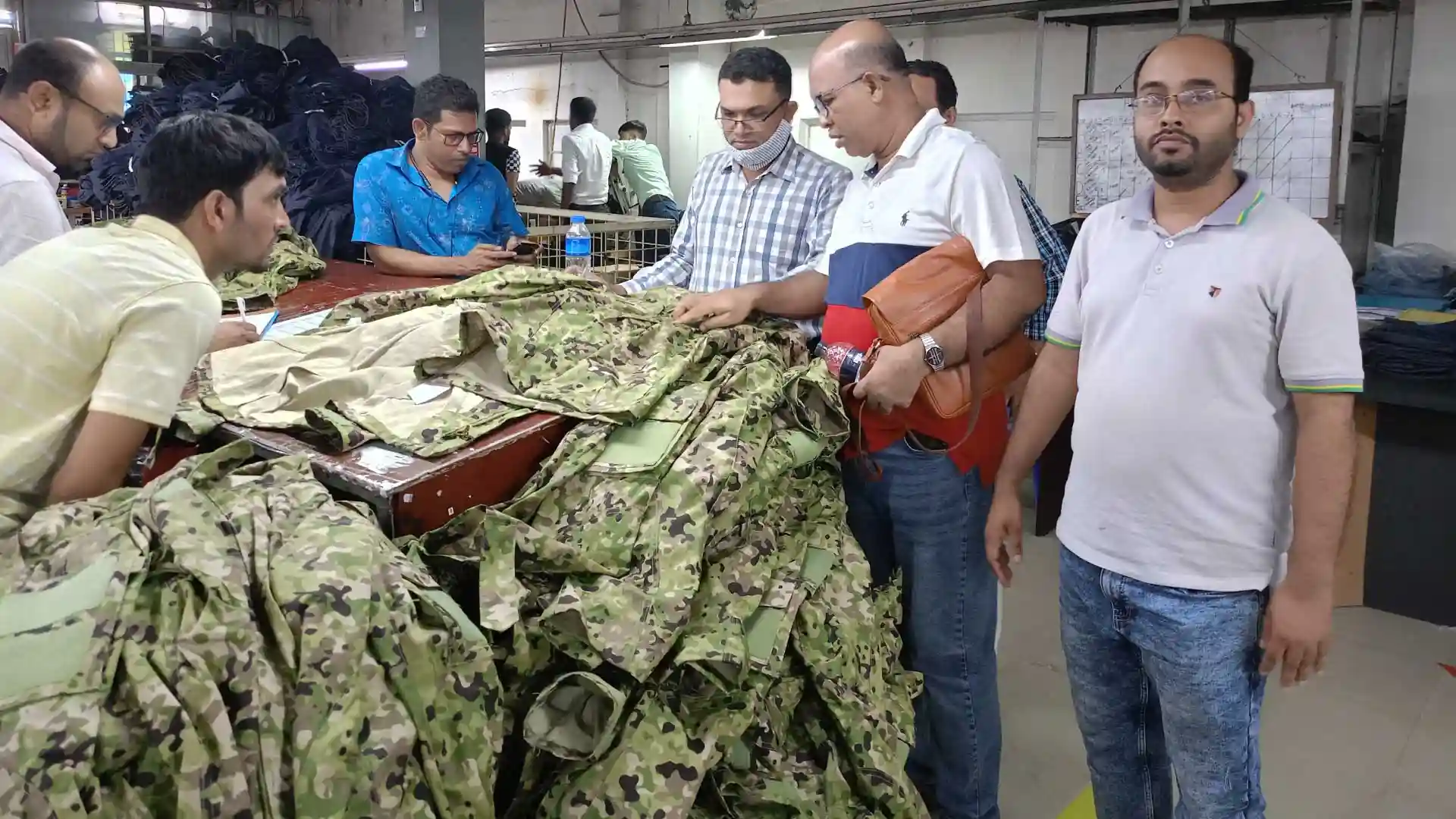
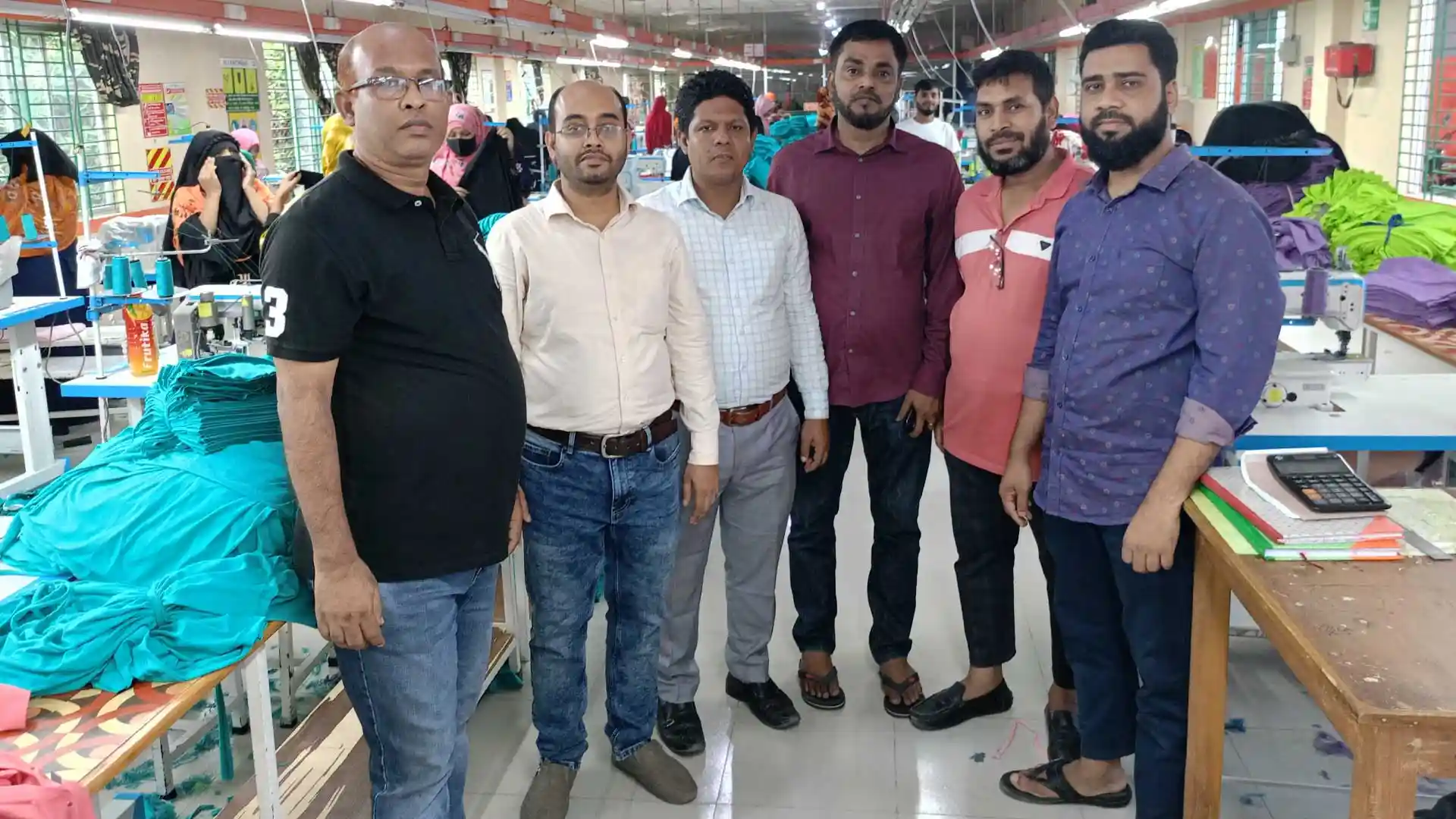
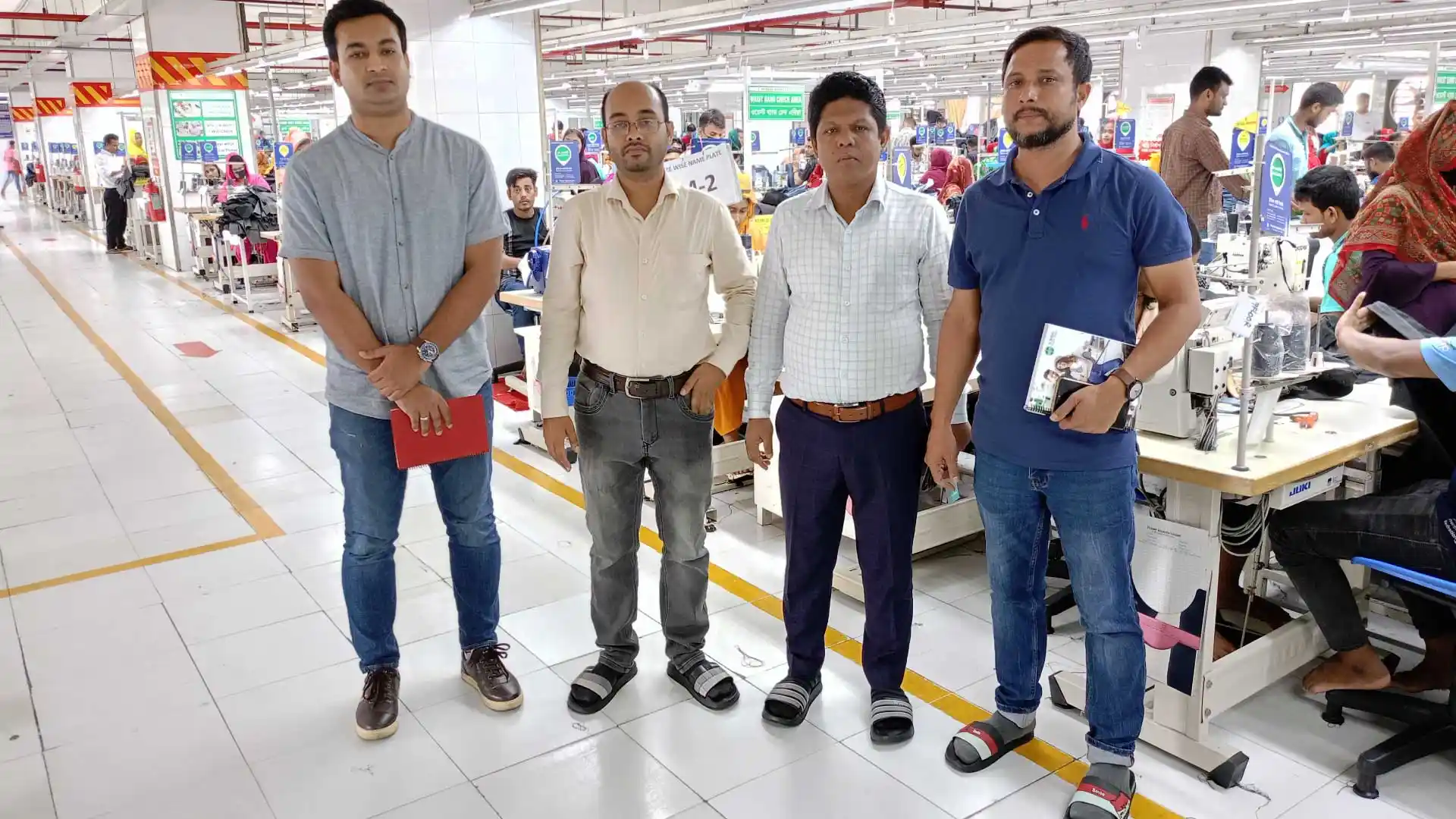
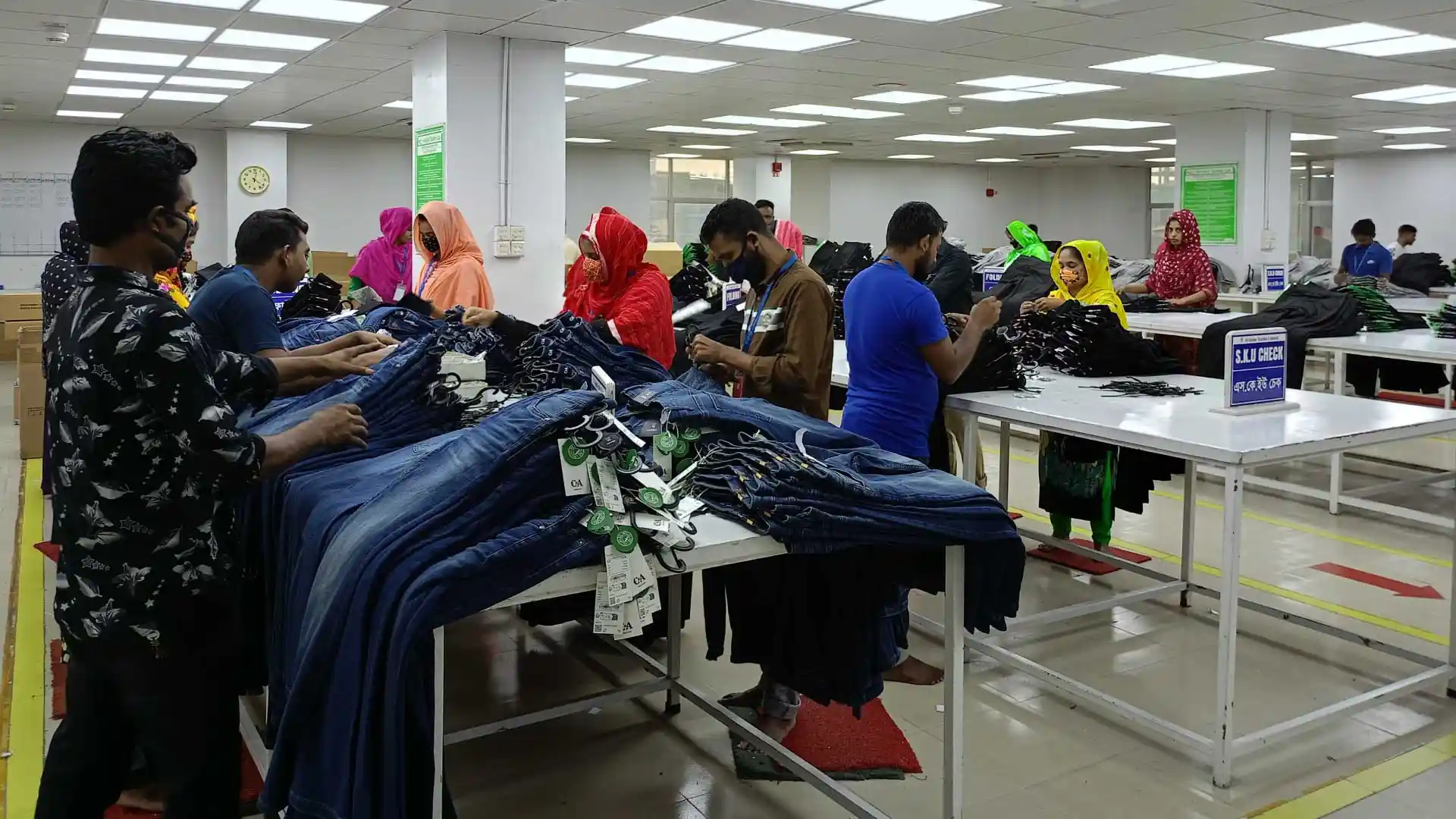
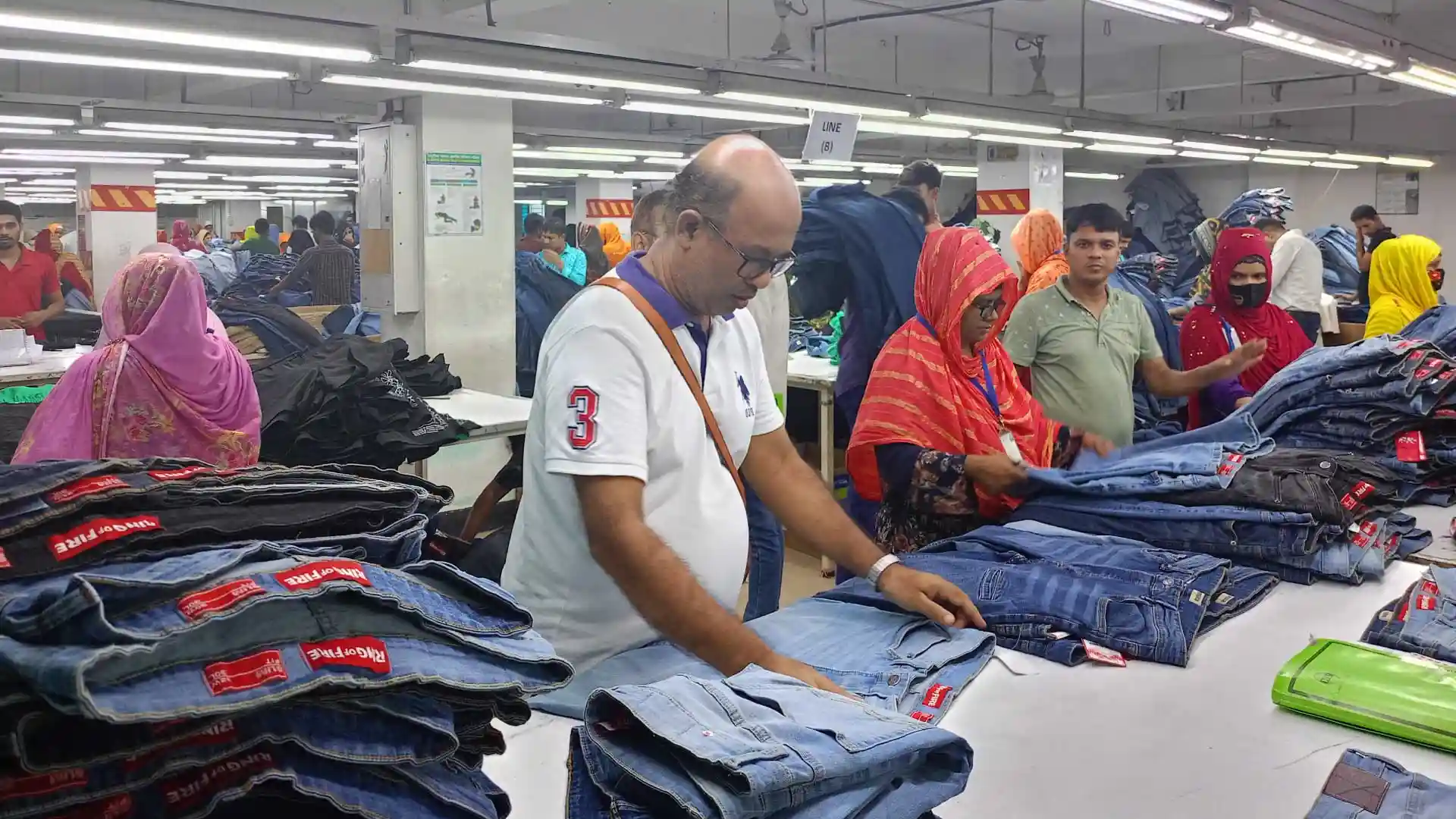
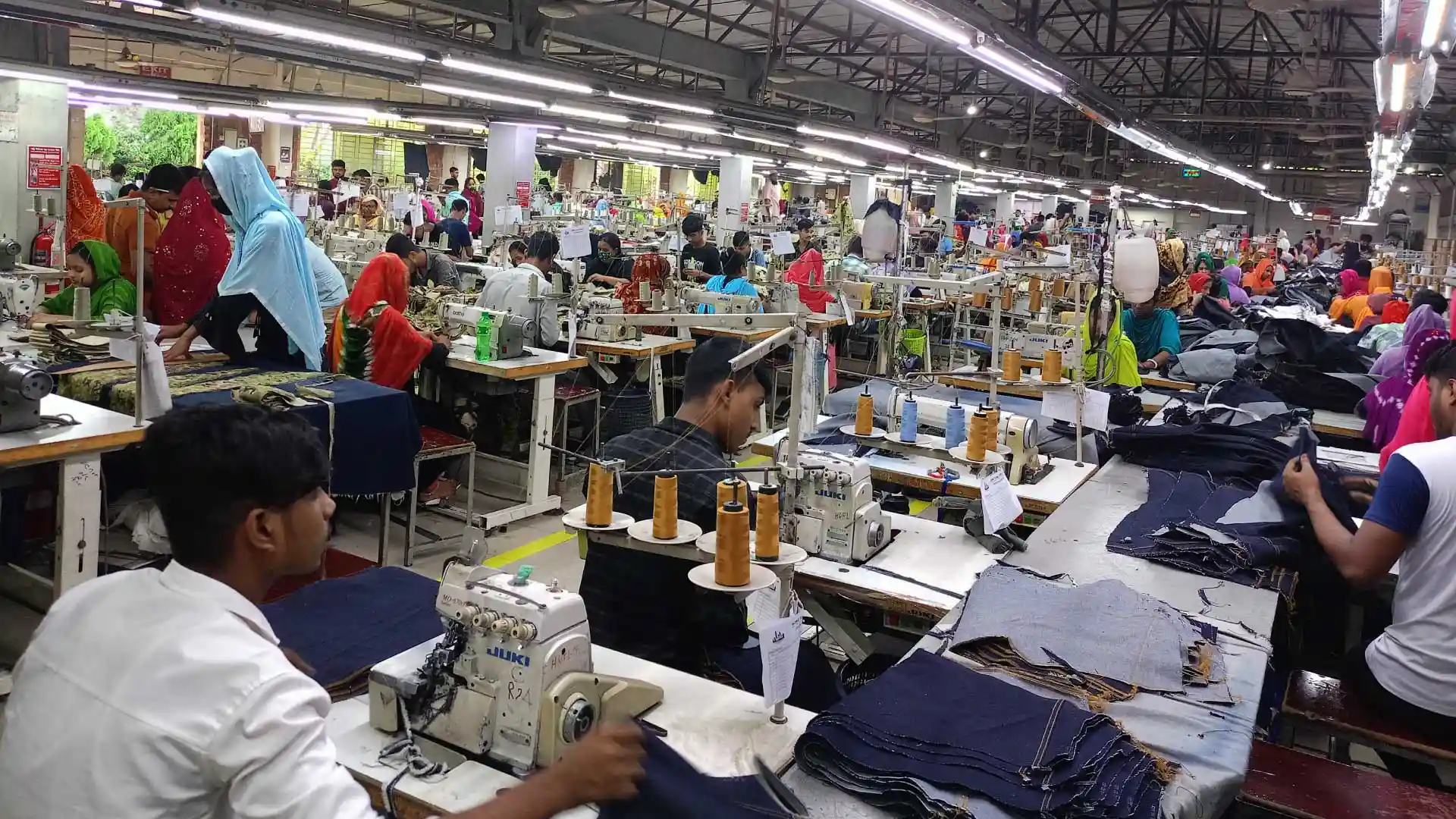
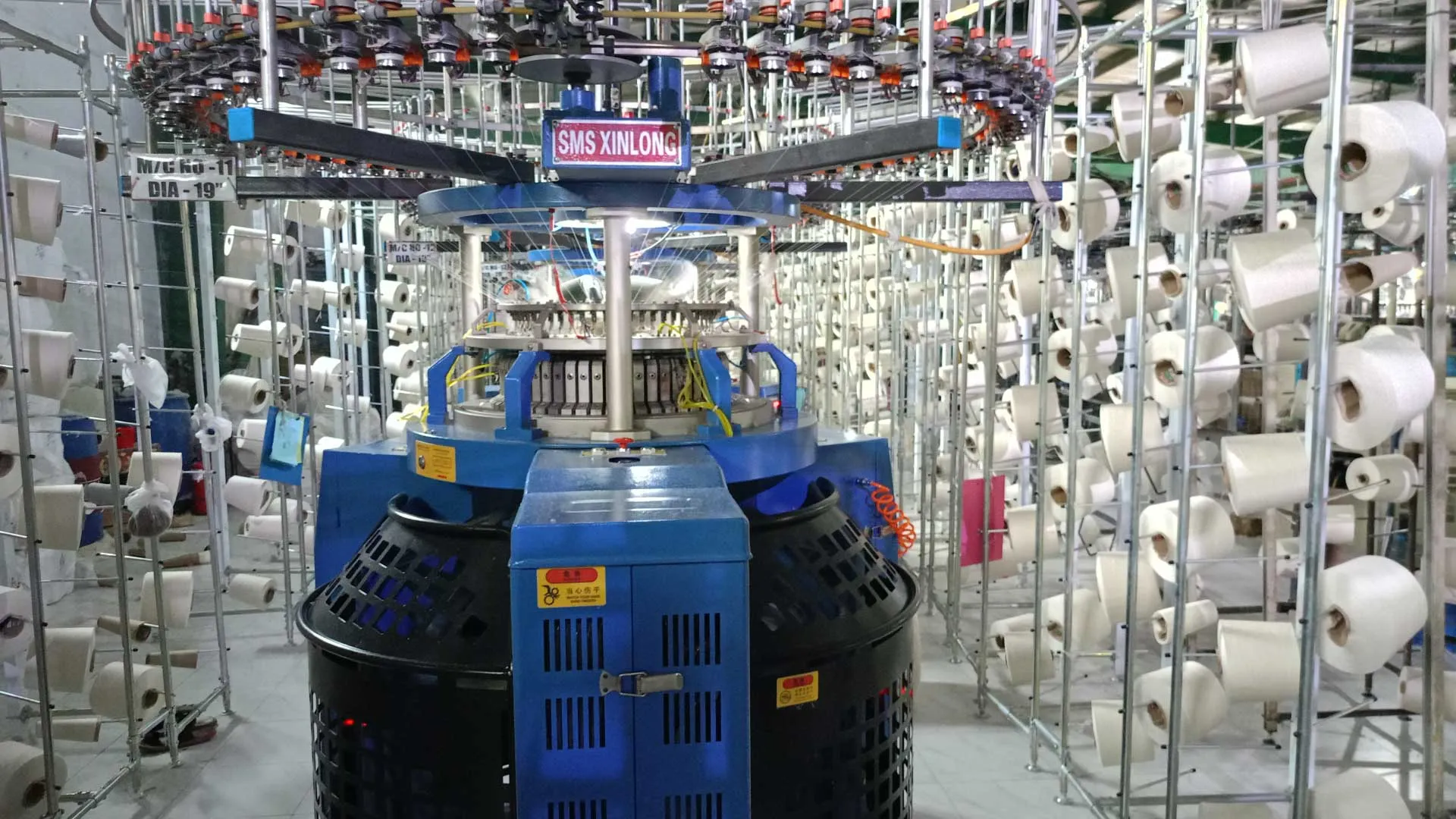
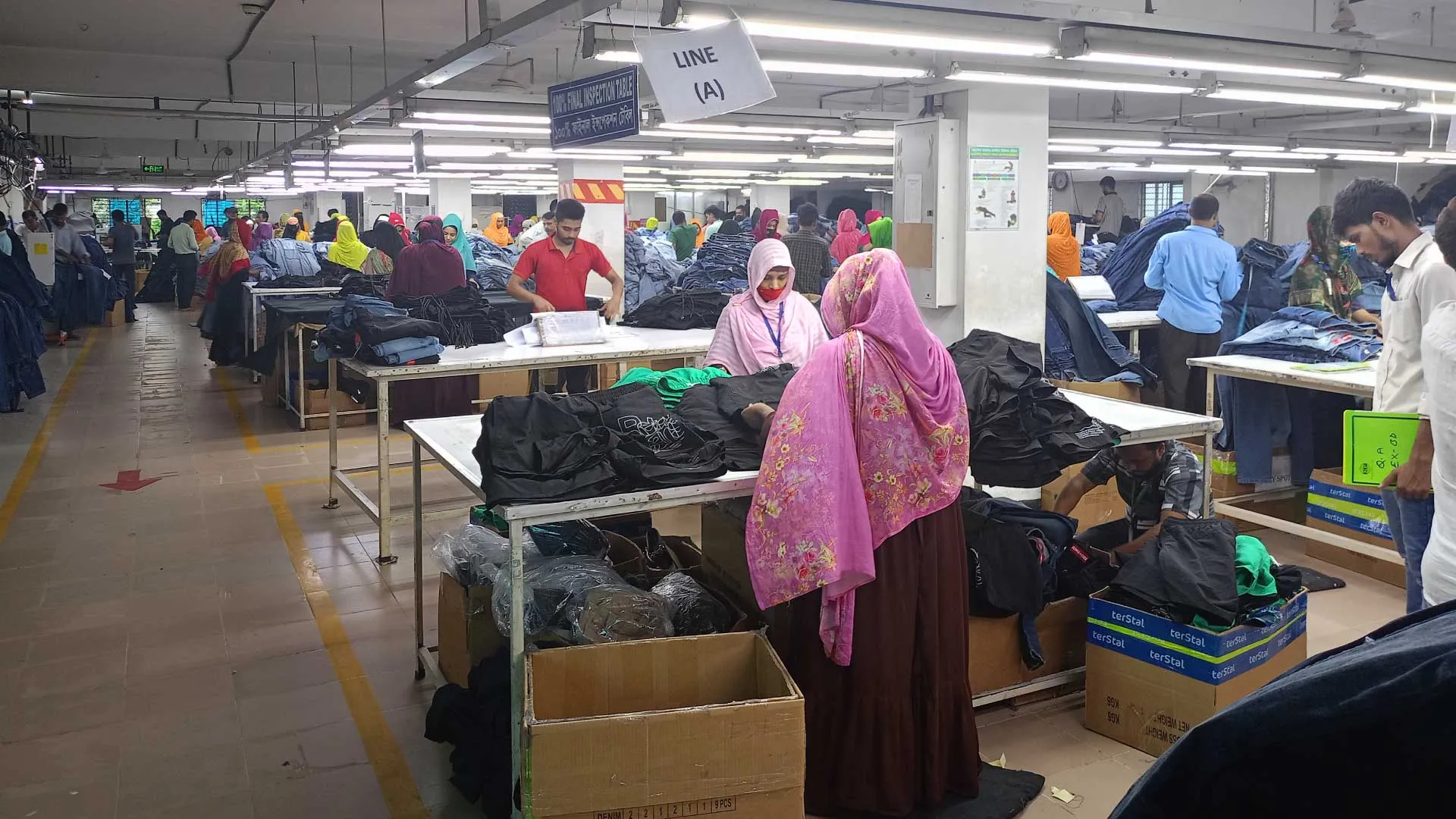
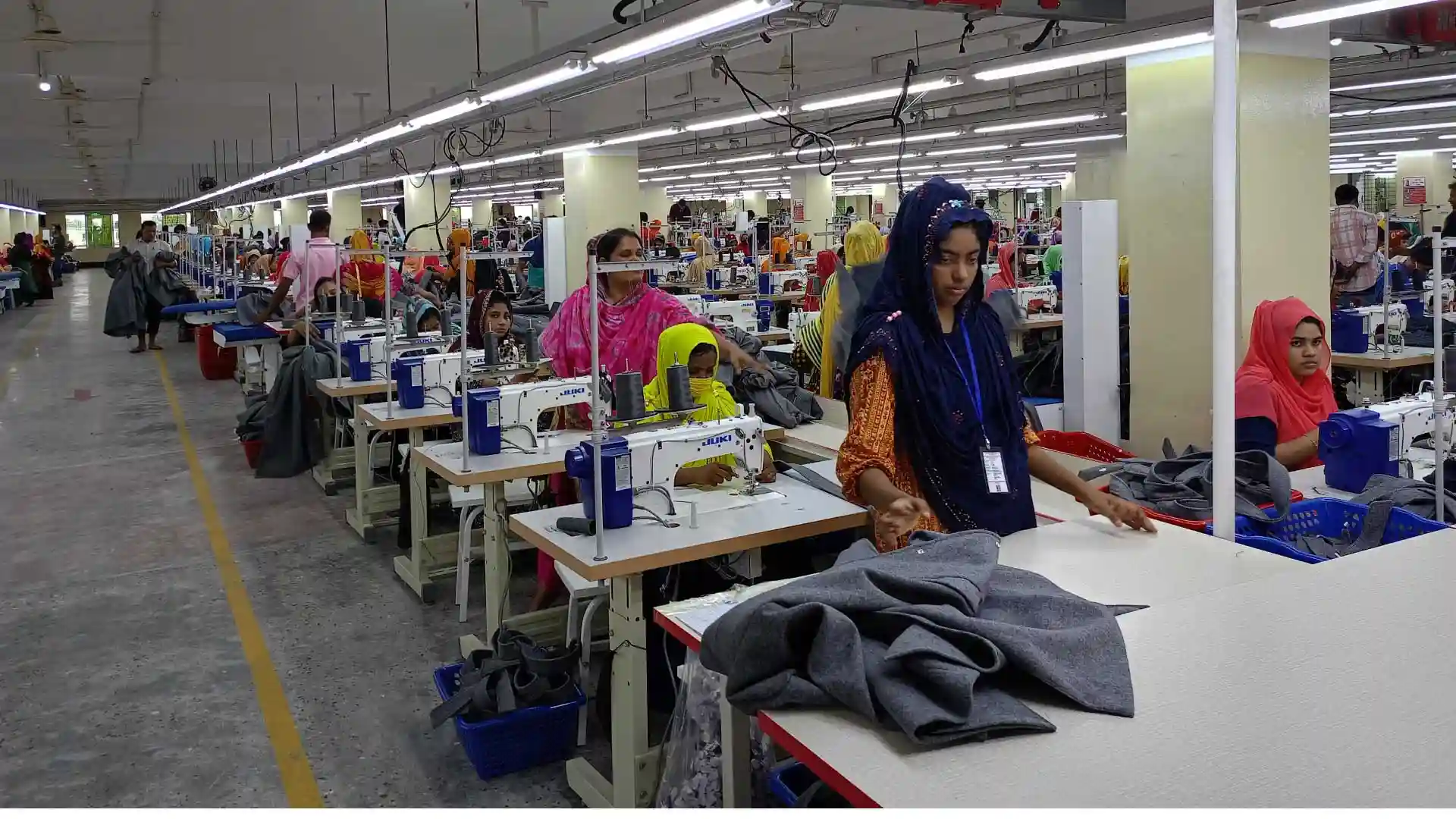
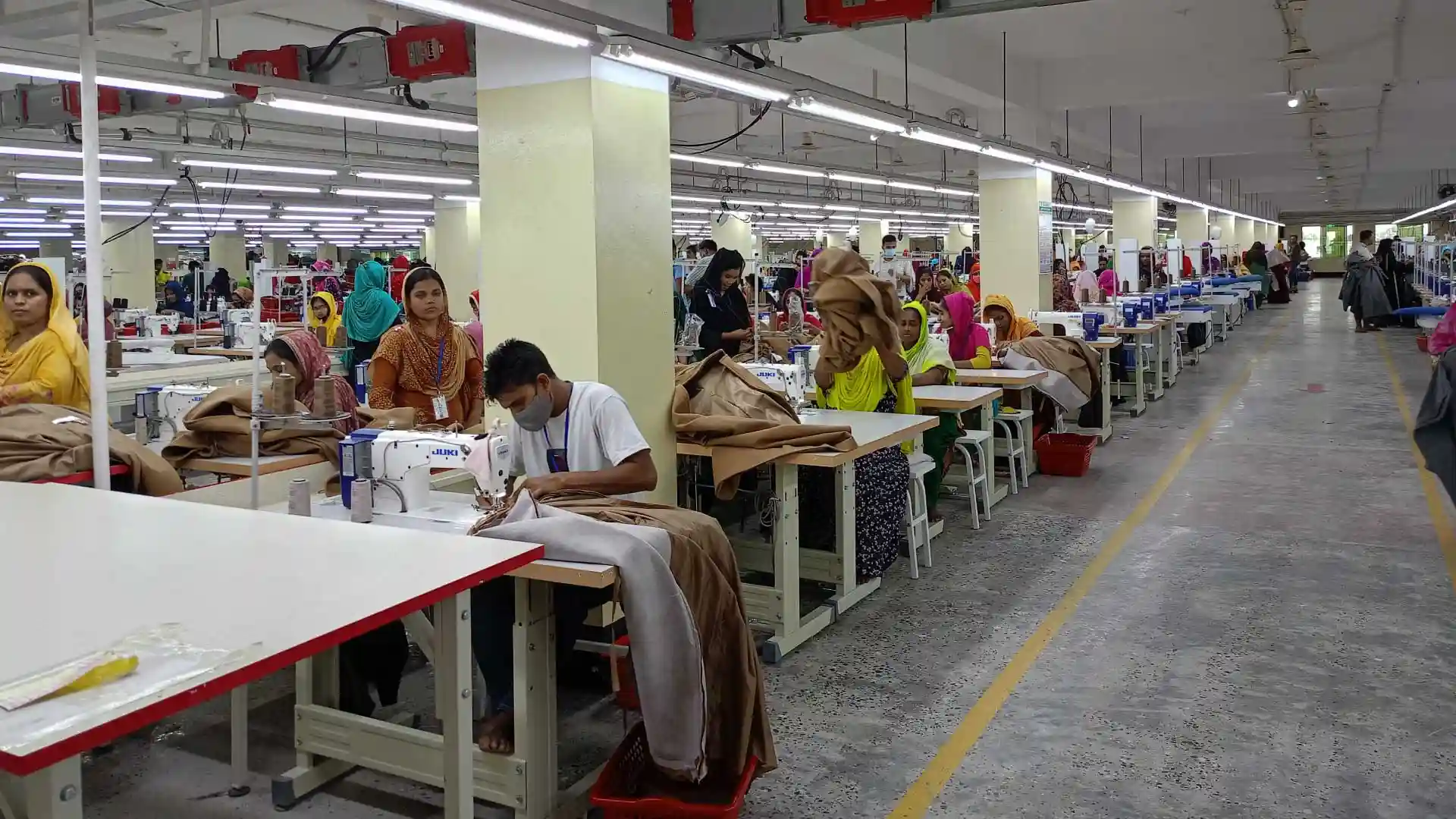
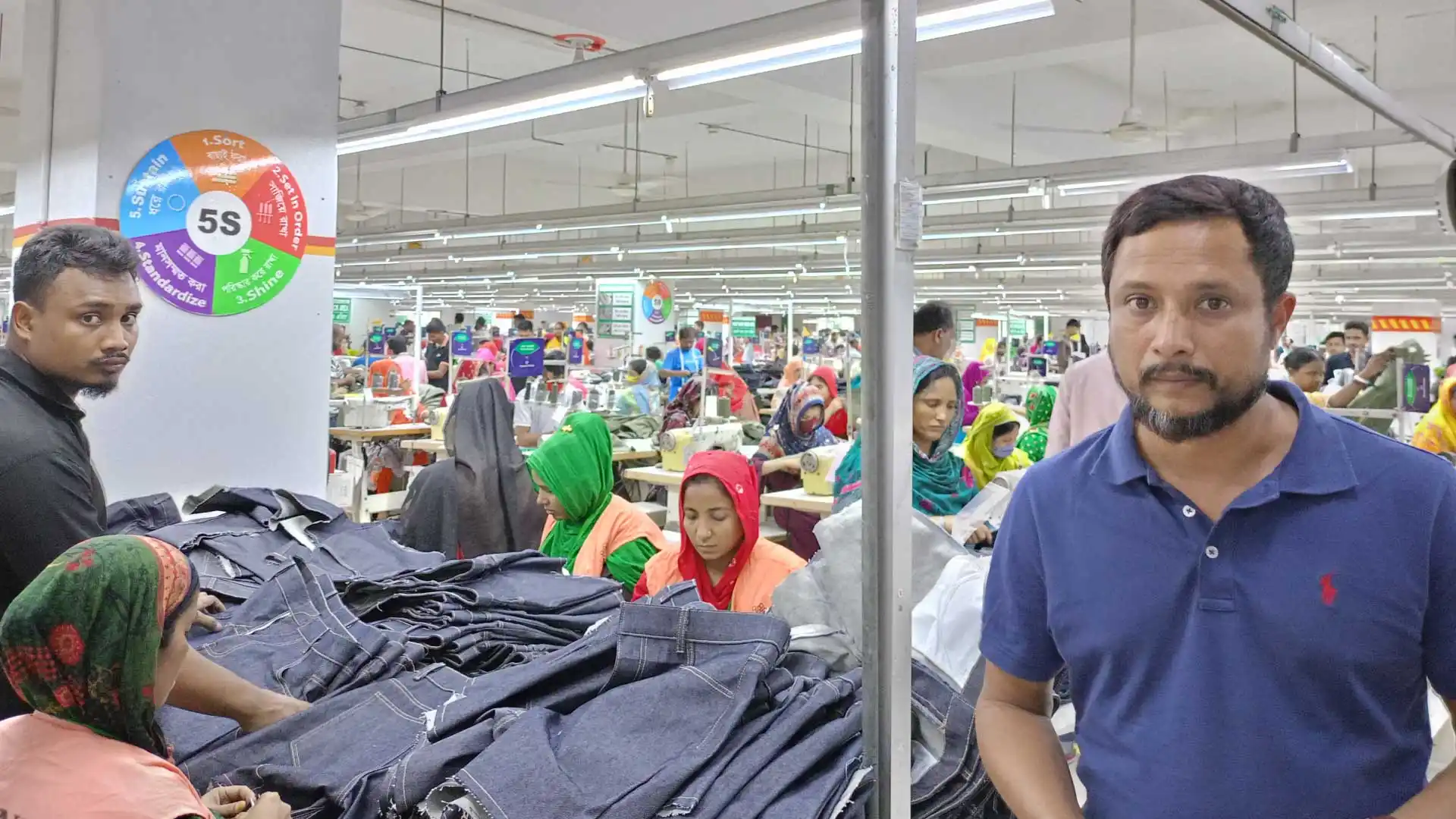
Factory & Supplier Visit Highlights
Our Partners Believe in Us
Partnered with brands and sourcing teams across multiple markets, supported by hands-on experience serving globally recognized names. Long-term partnerships built on transparency, communication, and execution.









We Accept






Frequently Asked Questions
How Do We Start Working With RYZEAL SOURCING?
Just contact us with your requirements. We’ll guide you through everything, from product development to final delivery.
Do You Offer Private Labels And Custom Design?
Yes, we specialize in private label production. We offer full OEM services, including custom tags, logos, packaging, and designs tailored to your brand.
Do You Support Small Brands and Startups?
Yes, we love working with small brands and startups. We offer low MOQ and full support to help you grow. We start from 500 – 1000 pcs/style/color but can adjust based on buyer needs.
Are The Factories You Work With Certified For Ethical And Sustainable Production?
Yes, we prioritize BSCI, SEDEX, WRAP, and LEED-certified factories to ensure ethical labor practices and environmental sustainability.
Can You Ship To My Warehouse In South Africa?
Yes. We offer FOB, CIF, or DDP shipping to any South Africa port or address.
Our in-house quality control team follows strict AQL standards. We inspect at every stage and provide photo/video updates to ensure consistent production quality.
Yes, we welcome online meetings and virtual walkthroughs with our merchandising team. Just schedule a Online Factory Visit here.
Yes, our team will guide you in choosing the right fabrics, trims, and accessories based on your product design and target market.
Yes, you can request samples by filling up the form. We’ll make samples based on your design so you can check quality before placing a bulk order.
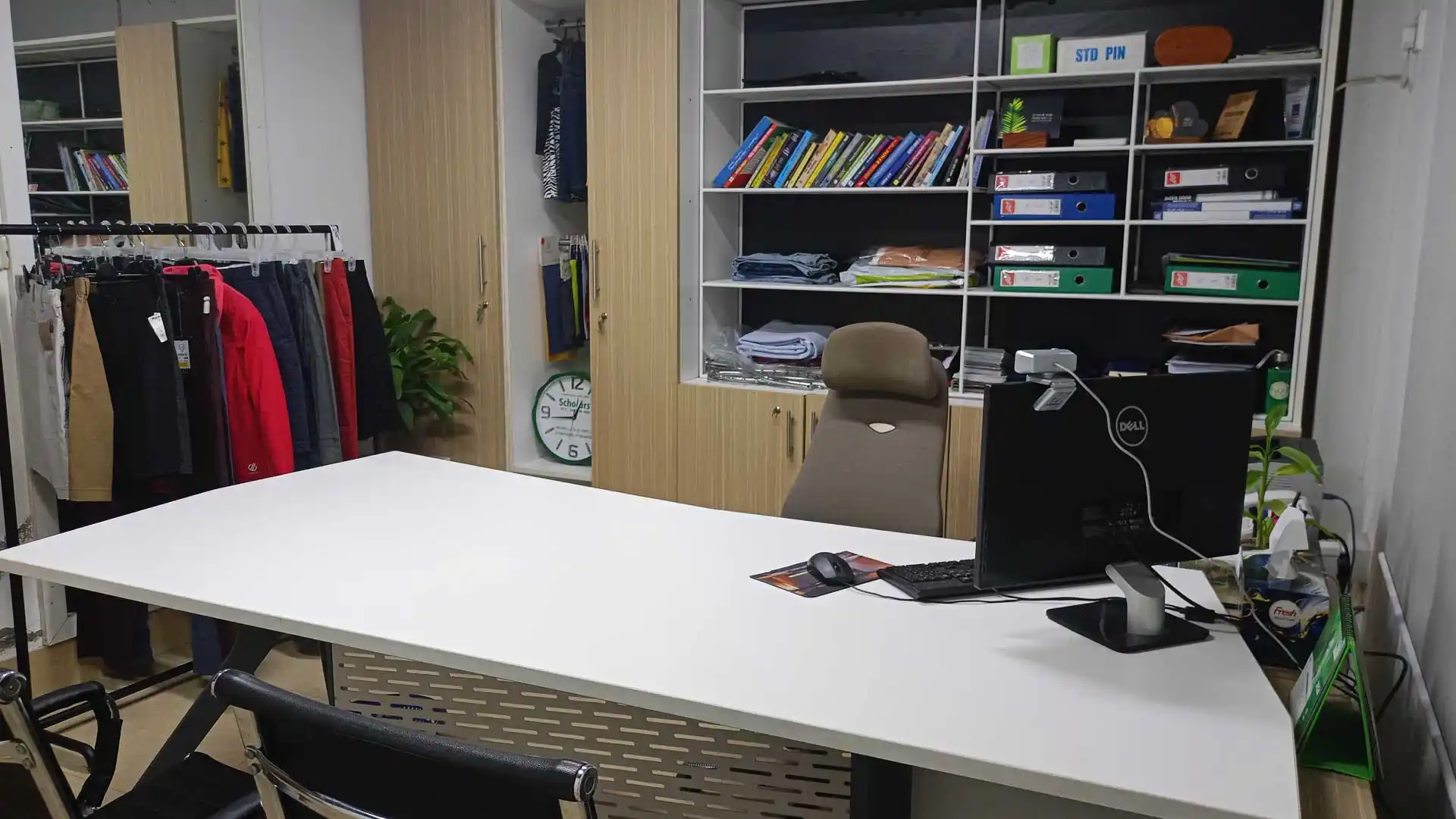
Yes, you’re welcome to visit our office or our factory / facilities in Bangladesh. Just let us provide a formal request to visit our factory and we will schedule a convenient time.
Talk Directly With Our Merchandising & Sourcing Team
Get clear guidance on pricing, MOQ, sampling, and production directly from our merchandisers.

Discover essential sourcing knowledge that May gives your South Africa brand a competitive edge!
South Africa’s Apparel Market Needs Smarter Global Manufacturing Choices
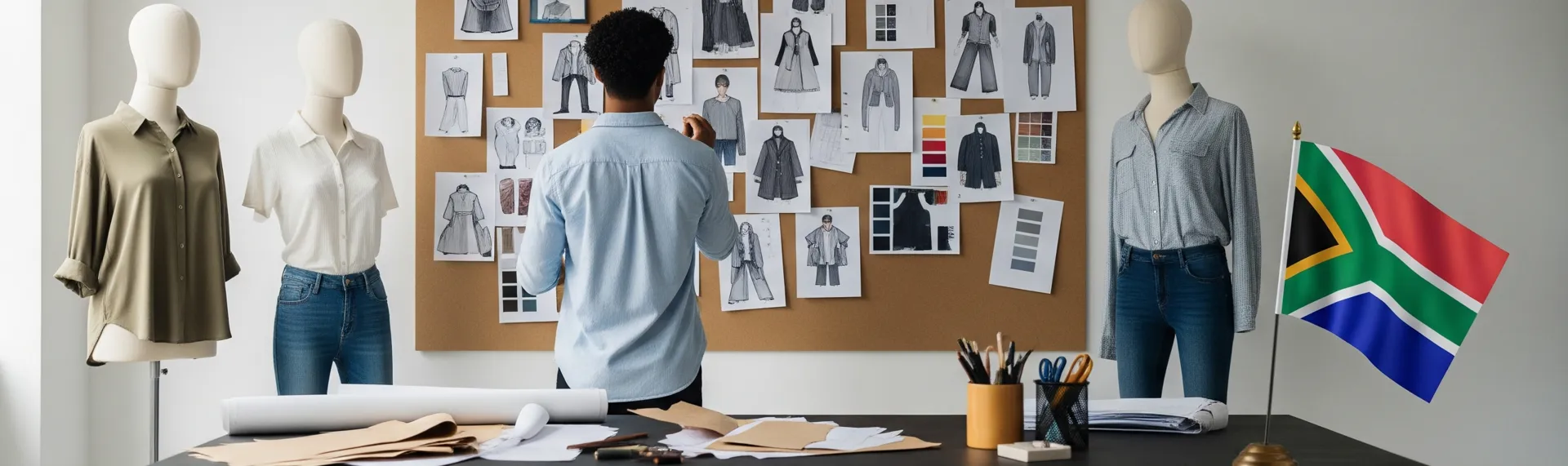
South Africa’s apparel market is shaped by a strong mix of local fashion demand, wholesale distribution, imported garments, price-sensitive consumers, and fast-growing e-commerce competition. Many South African buyers search for Bangladesh Clothing Manufacturers, apparel suppliers South Africa, wholesale clothing suppliers, clothing manufacturers, or high quality clothing manufacturers because they need dependable production at workable prices. For fashion brands, retailers, importers, wholesalers, private-label buyers, and apparel distributors, the challenge is no longer only about finding a clothing supplier. It is about building a sourcing model that can balance quality, price, MOQ, delivery timing, product variety, and long-term supply reliability.
Import Demand Shows How Connected South Africa Is to Global Apparel Supply
South Africa has its own clothing and textile manufacturing base, but the market is also strongly connected to imported textiles and apparel supply. According to OEC’s South Africa textile trade profile, South Africa imported around ZAR 66.3 billion of textiles in 2025, making textiles one of the country’s important import categories. This shows that South African buyers are already working within an international supply chain, whether they are retailers, wholesalers, apparel suppliers, or fashion businesses.
This import connection matters because South African buyers face a practical sourcing question: how can they access reliable garments at competitive prices while still protecting quality? For many retailers and wholesalers, local production may not always cover the full demand for product variety, price level, fabric choice, and production volume. That is why many companies rely on global apparel sourcing, including readymade garments manufacturers, garment suppliers, and overseas clothing manufacturers.
Textile and garment imports also show how wide the market need is. A fashion retailer may need womenswear, menswear, kidswear, casualwear, activewear, and seasonal collections. A clothing wholesaler may need repeatable styles in bulk. Apparel distributors may need stable supply for regional retail networks. A startup brand may need smaller custom production with branding, labels, and packaging. These needs cannot always be solved by simply searching for a supplier name. They require the right manufacturing route.
A separate report from Textalks on South Africa’s textile import growth noted that South Africa’s textile imports rose by 11.3% in the first ten months of 2024 compared with the same period of the previous year. This type of growth reflects how active the import market remains and why South African buyers need reliable international production partners.
For buyers, the real issue is not only importing more. It is importing better. Better sourcing means choosing a garment supplier that can understand product details, manage fabric selection, support sampling, control production, and help reduce quality risks before shipment. When South African buyers explore Bangladesh Clothing Manufacturers, the strongest opportunity is not just lower cost. It is the possibility of working with an export-ready manufacturing base that can support planned, quality-focused, and scalable apparel production.
Price Pressure, Online Competition, and Fast-Fashion Disruption
South African apparel buyers are also facing strong price pressure. Consumers compare products across physical stores, online platforms, local brands, imported garments, and global e-commerce sellers. Retailers and wholesalers must compete on price, style, product availability, and delivery experience. This makes sourcing decisions more important than ever.
Reuters reported that Shein and Temu captured a combined 3.6% share of South Africa’s retail clothing, textile, footwear, and leather market in 2024, generating around ZAR 7.3 billion in sales. The same report said they held 37.1% of the CTFL e-commerce sector, with Shein alone taking a major share of online women’s fashion. This shows how quickly global e-commerce platforms are changing the South African fashion market.
For South African fashion brands and retailers, this creates a difficult environment. If imported online competitors offer very low prices, local businesses need better sourcing discipline. They cannot simply increase prices whenever production costs rise. They need to improve product planning, reduce unnecessary waste, negotiate realistic production costs, and work with manufacturers that can support quality without making the product commercially impossible.
This is especially important for wholesale clothing suppliers, wholesale apparel distributors, and custom apparel wholesale buyers. Their customers often compare prices across many sellers. If the wholesale buyer cannot source at the right cost, the final retail price becomes too high. If the product quality is weak, the buyer loses trust. If delivery is inconsistent, retailers look elsewhere.
The rise of online fashion also changes product expectations. Customers now expect fast-moving styles, better fit, better photography, better packaging, and more consistent product quality. A South African clothing wholesaler or apparel distributor may need to bring new styles more often, but still maintain pricing discipline. That requires a manufacturer that understands both bulk manufacturing clothing and product detail.
A low-cost supplier is not enough. Buyers need a production partner that can help them choose suitable fabrics, confirm realistic MOQs, make samples, check sizing, manage trims and labels, and inspect goods before shipment. In a market disrupted by fast fashion and e-commerce, poor sourcing decisions can quickly damage margins.
This is where Bangladesh can become relevant. Bangladesh has large-scale apparel manufacturing experience, strong knitwear and woven garment capability, and a broad export production ecosystem. For South African buyers, the opportunity is to use Bangladesh not only as a low-price production country, but as a reliable manufacturing route when managed through the right partner.
Why South African Buyers Need Reliable Manufacturing Partners, Not Only Suppliers
Many buyers begin with a simple search: clothing manufacturers, apparel suppliers, garment supplier, or high quality clothing manufacturers. But in real business, the difference between a supplier and a manufacturing partner is important.
A supplier may only quote a price and accept an order. A manufacturing partner helps the buyer think through the product. What fabric is suitable? What GSM is realistic? How many colors should be produced? What MOQ makes sense? Is the style better for knit or woven production? Should the product be developed as a private-label item or OEM garment? What trims, labels, and packaging are needed? How should quality be checked before export?
South African buyers need this kind of support because the market includes many different business models. A retailer may need regular seasonal collections. A clothing wholesaler may need repeat bulk orders. A schoolwear or uniform buyer may need durability. A sportswear buyer may need stretch, recovery, and stitching strength. A fashion startup may need support from idea to first sample. Each buyer type needs a different manufacturing approach.
For example, sports apparel manufacturers must understand performance fabrics, movement, seam strength, and fit. Fashion apparel manufacturers must understand style details, finishing, washing, and presentation. Readymade garments manufacturers must manage consistency and bulk production. A custom apparel wholesale buyer may need branding support, labels, packaging, and size breakdown planning.
This is why South African buyers should look beyond the cheapest offer. A low price can become expensive if the fabric is wrong, sizing is inconsistent, stitching is weak, or shipment is delayed. Strong sourcing depends on clear communication, product understanding, production planning, and inspection.
Bangladesh Clothing Manufacturers can offer strong value for South African buyers, but only when the buyer works with a manufacturer that understands both product and export requirements. The next step is to understand why Bangladesh is one of the most important apparel manufacturing destinations for global buyers and how it can support South African fashion and wholesale businesses.
Why Bangladesh Clothing Manufacturers Matter for South African Buyers
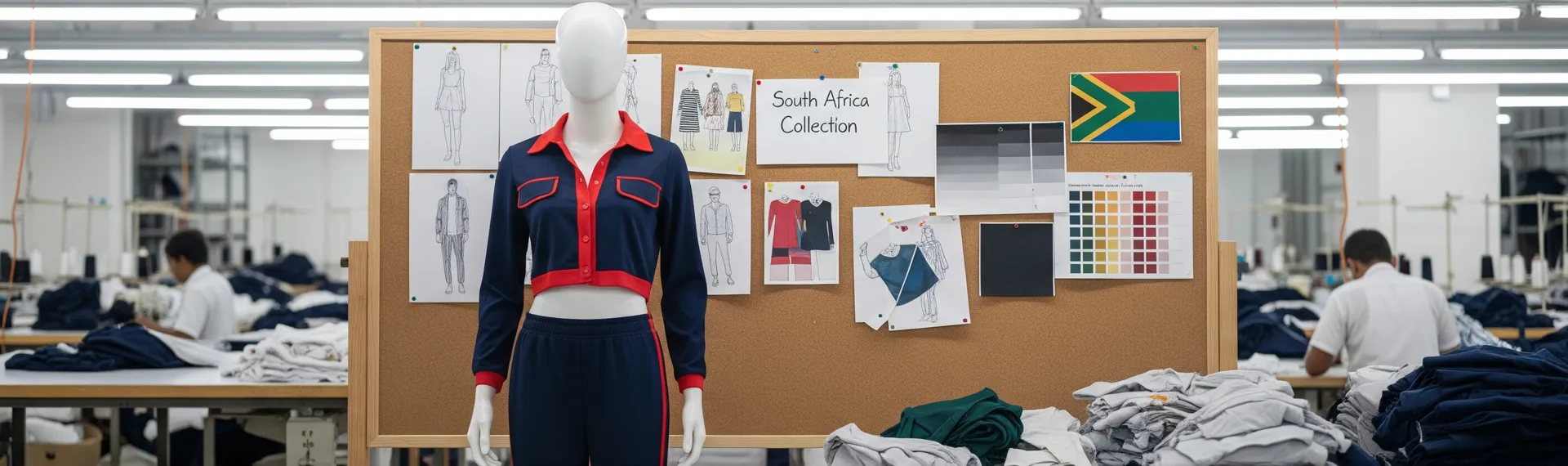
For South African buyers facing price pressure, import competition, and growing product variety demands, Bangladesh Clothing Manufacturers can offer a practical manufacturing route. Bangladesh is one of the world’s most established apparel production countries, with strong experience in knitwear, woven garments, denim, sweaters, casualwear, uniforms, sportswear, and private-label apparel. For South African fashion brands, importers, wholesalers, and apparel distributors, Bangladesh can provide cost-effective production, export experience, and scalable manufacturing support when the production process is managed properly.
Bangladesh Is One of the World’s Major Apparel Manufacturing Hubs
Bangladesh is widely recognized as one of the top clothing manufacturing countries in the world. According to Bangladesh Investment Development Authority’s textiles and apparels sector profile, Bangladesh is the second-largest exporter of ready-made garments worldwide. The same source reports that the sector recorded around USD 38.48 billion in RMG export earnings in 2024.
This scale is important for South African buyers because apparel manufacturing is not only about sewing garments. A strong RMG country needs fabric sourcing, dyeing, cutting, sewing, washing, printing, embroidery, trims, packaging, inspection, export documentation, and logistics support. Bangladesh has built this ecosystem through decades of export experience.
For buyers looking for readymade garments manufacturers, apparel manufacturers, or a clothing manufacturer with export capability, Bangladesh offers a mature production base. It is not only suitable for large global brands. It can also support SMEs, wholesalers, startups, and private-label buyers when they work with the right manufacturing partner.
However, buyers should understand that not every factory is suitable for every product. One factory may be strong in T-shirts and hoodies. Another may be better for woven shirts, trousers, denim, or uniforms. Some factories may be more suitable for compliance-focused buyers, while others may be more practical for flexible commercial production. The right factory depends on the product type, quantity, price target, compliance requirement, and timeline.
This is why South African buyers should not only ask, “Who can make this?” They should ask, “Which production route is right for this product?” A reliable Bangladesh-based manufacturer can help answer that question.
Bangladesh’s position as a major garment exporter gives buyers confidence, but the real value comes from how the production process is managed. A buyer needs product review, sample development, costing guidance, fabric selection, trims support, quality checking, and shipment coordination. Without that structure, even a strong manufacturing country can become difficult for new buyers to navigate.
Product Categories Bangladesh Can Support for South African Buyers
Bangladesh’s product strength is especially relevant for South African fashion and wholesale buyers. The BIDA apparel sector profile reports that Bangladesh’s 2024 RMG exports included around USD 20.52 billion in knitwear and USD 17.95 billion in woven garments. This shows that Bangladesh has strong capacity across two major apparel categories.
Knitwear is useful for many South African product needs. T-shirts, polo shirts, hoodies, sweatshirts, tracksuits, joggers, leggings, tank tops, activewear, sportswear, and casual basics all fall into categories where Bangladesh has strong experience. These products are important for retailers, wholesalers, schools, sports groups, fitness brands, and private-label buyers.
Sports apparel manufacturers and activewear producers need to manage stretch, comfort, seam strength, breathability, print durability, and fabric performance. A basic T-shirt program requires control over GSM, shrinkage, collar rib, stitching, color fastness, and finishing. A hoodie program requires fleece quality, rib tension, pocket construction, drawcords, and washing behavior. These details matter because South African buyers are competing in a price-sensitive market where quality complaints can damage repeat business.
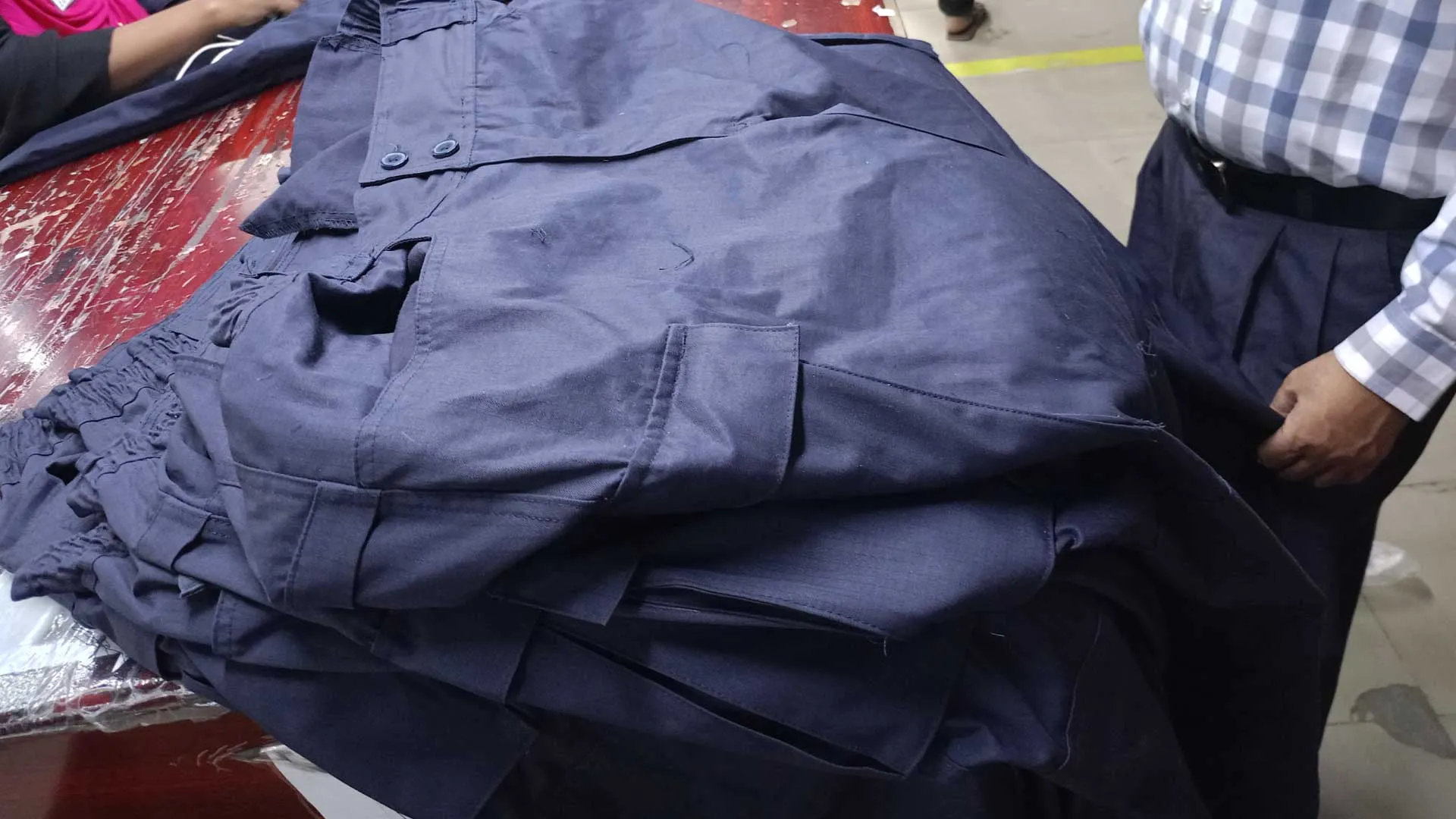
Woven garments also matter. South African buyers may need woven shirts, trousers, uniforms, workwear, casual pants, children’s clothing, outerwear, and denim items. These products require pattern accuracy, trims, buttoning, zipper quality, pocket placement, seam strength, pressing, and packing control.
Bangladesh can also support OEM garment manufacturer needs. Private-label buyers and custom apparel wholesale businesses often need branded labels, size labels, care labels, hangtags, packaging, carton markings, and customized product details. This is important for South African clothing wholesalers, apparel distributors, and retail buyers who want to sell under their own brand.
The product range also helps buyers who want to grow. A South African startup may begin with T-shirts and hoodies, then add tracksuits, polos, uniforms, or activewear. A wholesaler may begin with menswear basics and later add kidswear or womenswear. A retailer may need seasonal product categories. One factory may not handle all these categories, but Bangladesh’s wider manufacturing ecosystem can support different production routes.
This is where working with a manufacturer that has both its own production capability and partner factory access becomes useful. It allows the buyer to avoid forcing every product into one factory and instead choose the right manufacturing path.
Sustainability, Compliance, and Long-Term Sourcing Confidence
South African buyers looking for long-term apparel sourcing should consider more than price. Quality consistency, factory reliability, compliance, responsible production, and export discipline all matter. This is especially true for buyers who want to build stable relationships with retailers, wholesalers, schools, corporate clients, or online customers.
Bangladesh has made strong progress in green garment manufacturing. According to BGMEA’s 2025 green factory update, Bangladesh reached 258 LEED-certified green garment factories in 2025. This gives international buyers a stronger reason to consider Bangladesh when they want sustainability progress and responsible factory options.
This point should be handled carefully. Not every factory in Bangladesh has every certification. Certification availability depends on product type, order quantity, buyer requirement, price level, and factory selection. A responsible manufacturer should not make broad claims. Instead, the buyer’s compliance and certification needs should be discussed before selecting the factory.
For South African buyers, this flexibility is useful. Some buyers may prioritize competitive pricing and reliable quality. Others may need specific factory audits, social compliance, OEKO-TEX fabric options, recycled materials, or better environmental standards. Bangladesh can support different requirements, but the production plan must be matched properly.
Long-term sourcing confidence also depends on communication. Buyers need updates during sampling, fabric development, cutting, sewing, finishing, inspection, and shipment. When the buyer is in South Africa and production is in Bangladesh, clear communication becomes even more important.
This is why Bangladesh Clothing Manufacturers can be valuable when the buyer works with a professional team that understands production control. Bangladesh offers manufacturing scale and category depth. But the buyer still needs the right partner to guide product development, choose suitable production options, check quality, and manage export coordination. That is where RYZEAL SOURCING can help.
How RYZEAL SOURCING Helps South African Buyers Source from Bangladesh

For South African buyers comparing Bangladesh Clothing Manufacturers, RYZEAL SOURCING offers a custom apparel manufacturing route supported by product development, sampling, quality control, compliance coordination, and export shipment support. RYZEAL SOURCING is a Bangladesh-based custom apparel manufacturer serving South African fashion brands, importers, wholesalers, retailers, startups, and private-label buyers. We manufacture garments through our own production capacity and also support buyers through selected partner factories when wider product categories, larger scale, special compliance, or broader manufacturing capability is needed.
Why South African SMEs, Wholesalers, and Importers Need More Than a Low Price
South African buyers often face strong pressure to keep prices competitive. Retail customers compare online and offline options. Wholesalers compare supplier costs. Importers compare multiple countries. Apparel distributors need products that can sell in volume without creating quality complaints. Because of this pressure, it can be tempting to choose the lowest offer from a clothing supplier or garment supplier.
But low price alone is not a sourcing strategy. If the fabric is weak, the sizing is inconsistent, the stitching is poor, or the shipment is delayed, the buyer may lose more than the initial saving. For South African SMEs, wholesalers, and importers, a sourcing mistake can affect cash flow, customer relationships, and future orders.
This is especially important in wholesale clothing suppliers and wholesale apparel distributors’ business. They need products that are repeatable. A wholesaler cannot afford one batch to be good and the next batch to be inconsistent. A private-label buyer needs labels, packaging, size breakdowns, and presentation to match the brand. A fashion startup needs product development guidance before committing to bulk. A retailer needs reliable delivery timing.
A strong manufacturing partner helps reduce these risks. Before production begins, the buyer should clarify fabric type, GSM, size range, color, trims, branding, packaging, order quantity, quality level, and shipment method. Sampling should confirm the product before bulk. Production follow-up should monitor progress. Final inspection should check the goods before shipment.
RYZEAL SOURCING supports South African buyers by helping them manage these steps more clearly. Instead of only offering a factory name, we support the production journey from product idea to export-ready shipment. This is important for buyers who want Bangladesh manufacturing but do not have their own team on the ground.
RYZEAL SOURCING as Manufacturer First, Partner Factory Support When Needed
RYZEAL SOURCING is primarily a Bangladesh-based custom apparel manufacturer. We manufacture clothing items through our own production capacity and support South African buyers with product development, fabric sourcing, sampling, costing, production follow-up, quality checking, and export coordination.
At the same time, apparel production is wide and diverse. One factory cannot be the best solution for every product category, every fabric type, every compliance requirement, or every production scale. A South African buyer may need T-shirts and hoodies first, sportswear next, uniforms later, and woven garments after that. Another buyer may need bulk manufacturing clothing with strong price discipline. Another may need a certified factory for a specific customer.
This is why RYZEAL SOURCING also works through selected partner factories when the buyer’s requirement needs broader capability. This partner network helps us support wider product categories, larger production quantities, different factory specializations, and special compliance needs.
This model gives South African buyers a balanced solution. They are not dealing only with a middleman, and they are not limited to one factory’s capacity. RYZEAL SOURCING manufactures where the product fits our own production capacity, and when the buyer needs a different production setup, we help coordinate through suitable partner factories.
For buyers comparing Bangladesh Clothing Manufacturers, garment clothing manufacturers, an OEM garment manufacturer, or a garments manufacturing company, this approach can make the process easier. It helps the buyer access Bangladesh’s broader apparel ecosystem without trying to manage multiple suppliers alone.
For example, a South African sportswear buyer may need stretch fabric, performance stitching, and size consistency. A uniform buyer may need durable fabric and repeat production. A fashion retailer may need seasonal casualwear. A clothing wholesaler may need competitive bulk pricing. Each buyer needs a different production route. RYZEAL SOURCING helps guide that route.
A Practical Production Route for South African Fashion and Wholesale Buyers
A practical production process starts with clear product information. South African buyers should share product references, tech packs if available, fabric composition, GSM, color requirements, size range, measurement chart, artwork, label details, packaging preferences, target quantity, and delivery expectations. These details allow accurate costing and smoother sample development.
RYZEAL SOURCING supports product development, fabric sourcing, trims sourcing, sample development, MOQ planning, costing guidance, factory matching when needed, quality control, compliance coordination, production follow-up, and export shipment support. This structure helps South African buyers reduce uncertainty when working with Bangladesh manufacturing.
For a startup, this may mean turning a product idea into a first sample. For a wholesaler, it may mean developing a stable product line with consistent quality. For an importer, it may mean sourcing multiple categories from Bangladesh. For a retailer, it may mean building cost-effective private-label apparel with better control over branding, packaging, and delivery.
This production route is especially useful for buyers who want custom apparel wholesale, high quality clothing manufacturers, and scalable garment supply. Instead of buying generic products without control, buyers can develop products with their own fabric, color, label, size range, packaging, and quality expectations.
South African buyers working in a competitive market need suppliers who understand both price and product. Bangladesh can offer strong manufacturing value, but success depends on choosing the right partner. RYZEAL SOURCING helps make Bangladesh production more accessible by combining custom apparel manufacturing, sourcing knowledge, partner factory access, and export support.
For buyers searching for apparel suppliers South Africa or comparing Bangladesh Clothing Manufacturers, the goal should not be only to find a cheaper supplier. The goal should be to find a reliable manufacturing route that supports quality, cost control, repeat production, and long-term growth.