Click and Jump On The Desired Topic
- Customization Options for Men's T-Shirts
- T-shirt Manufacturing Process & Workflow
- Frequently Asked Questions for Men's T-Shirt
- T-shirt Design Collections
- Request for T-shirt Quotation
- About RYZEAL SOURCING
- Our Services
- Why Choose Us
- Certifications & Compliance Standard
- Frequently Asked Questions About RYZEAL
- Talk Directly With Our Manufacturing Expert Team
- Google Map Location
- T-shirt Sourcing Knowledge (Articles)
Men's T-shirt Clothing Manufacturers Built for Global Brands
RYZEAL Sourcing works as one of the trusted Men’s T-shirt Clothing Manufacturers in Bangladesh, supporting apparel startups, fashion brands, wholesalers, retailers, promotional companies, and private-label businesses with complete custom T-shirt manufacturing solutions. This page is designed to help buyers understand how men’s T-shirts are developed, customized, produced, inspected, packed, and shipped from Bangladesh with professional sourcing and manufacturing support.
A men’s T-shirt may look simple from the outside, but every successful bulk order depends on the right combination of fit, fabric, GSM, stitching, print technique, color accuracy, trims, finishing, packaging, and quality control. Buyers often need more than just a factory. They need a production partner who can guide them from design idea to final shipment while keeping cost, quality, comfort, durability, and brand presentation under control.
At RYZEAL, we manufacture custom men’s T-shirts for different market segments, including casualwear, streetwear, activewear, promotional wear, uniforms, private-label basics, oversized fashion, premium cotton collections, and seasonal retail lines. Buyers can provide their own tech pack, reference sample, size chart, artwork, Pantone color, fabric requirement, or packaging instruction. They can also choose from our available development options and receive support in selecting the right material, finishing, branding, and production method.
Whether you need a small custom order for a growing brand or a larger production program for retail distribution, this page will explain the key customization possibilities, workflow, size support, fabric choices, decoration methods, packaging options, and order process for men’s T-shirt manufacturing with RYZEAL.
Customization Options for Men’s T-Shirts
When you work with RYZEAL, you are not buying a generic blank T-shirt; you are building a tailored product architecture. Every key component of a men’s T-shirt can be customized to match your collection concept, regional market, and price structure. We organize these options into six practical decision blocks so you can brief clearly and scale smoothly.
First, you choose the T-shirt style options: crew neck, V-neck, Henley, raglan, oversized, long sleeve and more. Next, we align on measurement and size to define body length, chest width, shoulder drop and sleeve length for each market. Then you select T-shirt fabric options, from everyday jersey to performance knits and heavier fleece.
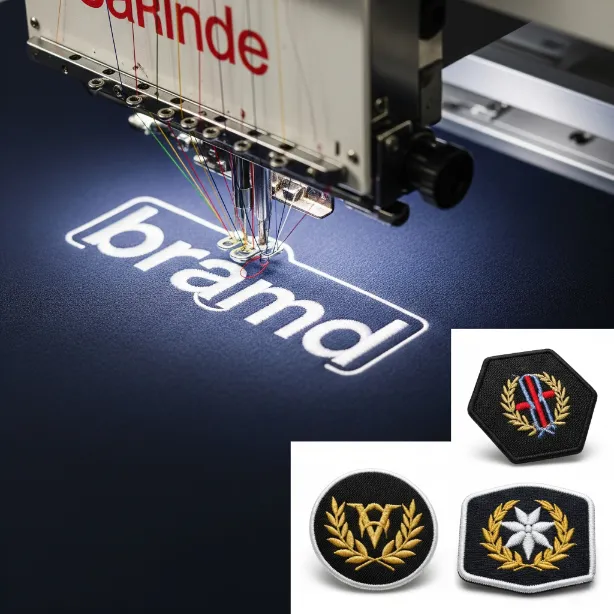
Once the base garment is locked, we map your print and embroidery strategy, from simple chest logos to full-panel graphics. We refine your trims and accessories; threads, buttons, tapes, badges, patches; so the garment feels fully branded, not generic. Finally, we define packaging and finishing, including hang tags, polybags, cartons and labelling for retail, e-commerce, or bulk distribution.
Each of these six pillars will be explored in detail below, giving you a clear decision framework to build men’s T-shirt programs that are technically sound and commercially effective.
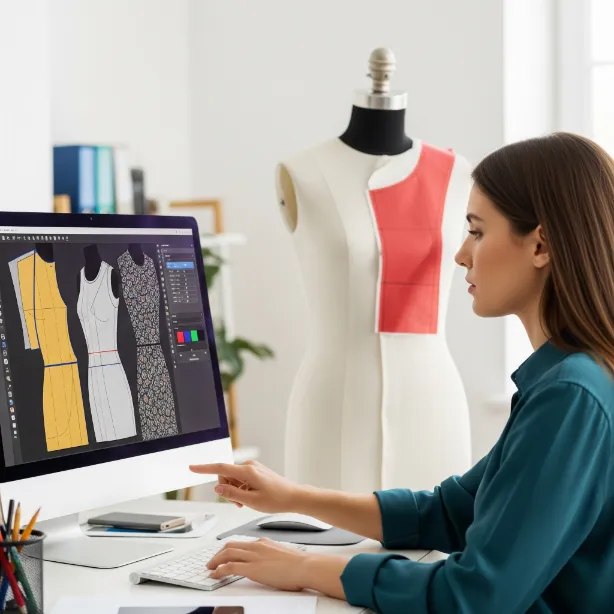
1. T-shirt Style Options
2. Measurement & Size
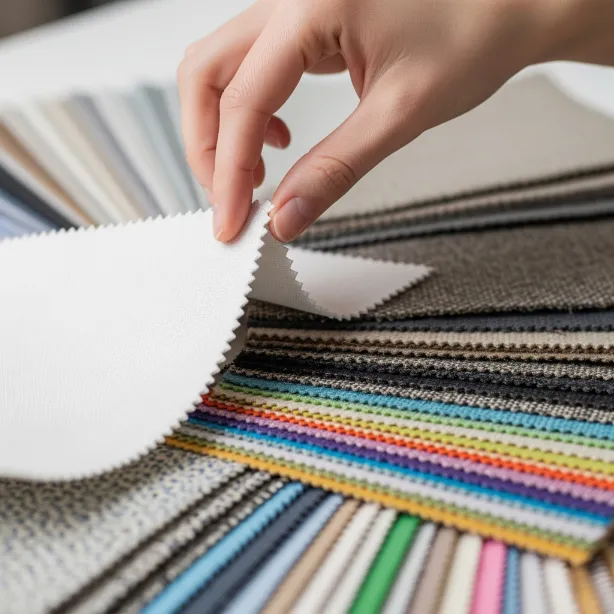
3. T-Shirt Fabric Options
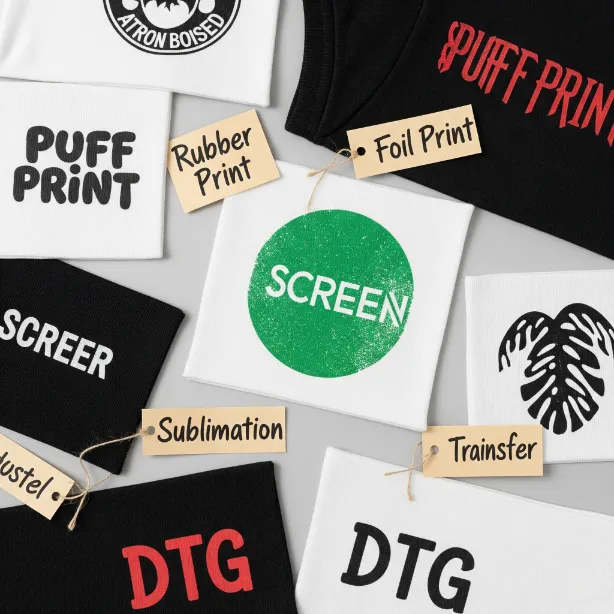
4. Print & Embroidery
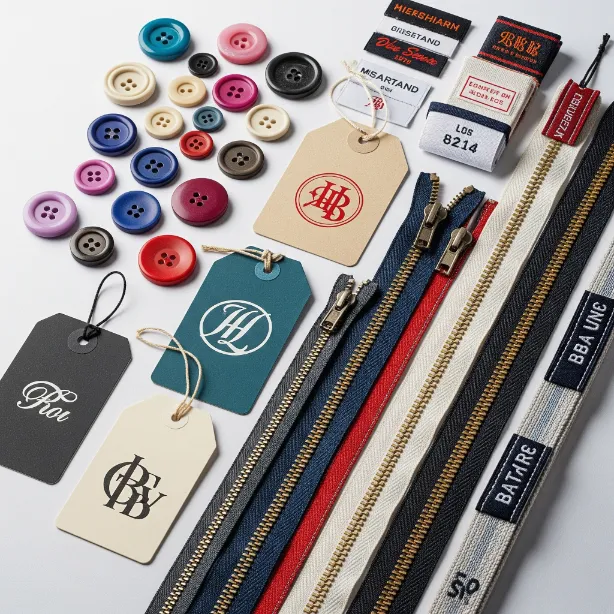
5. Trims & Accessories
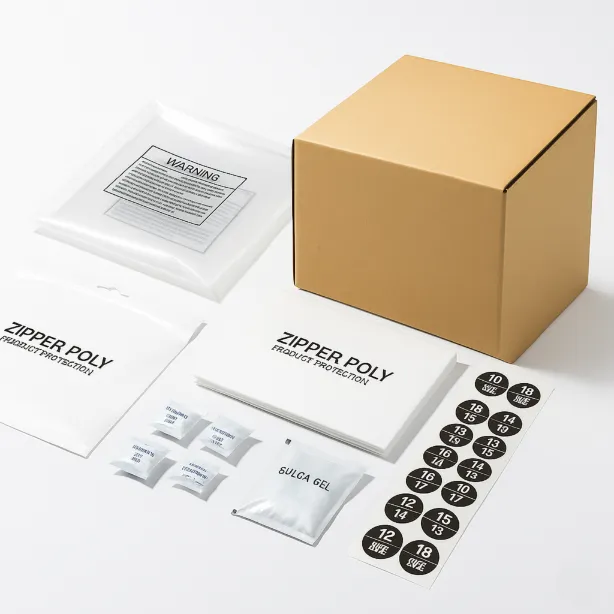
6. Packaging & Finishing
Explore Your T-Shirt Production Options. Click each button to review customization choices and technical guidance before moving to sampling or quotation.
1.Types / Styles of Men’s T-Shirts Manufactured by RYZEAL
Men’s T-shirts may look similar on a hanger, but style decisions drive the entire fit and brand message. RYZEAL manufactures a full spread of core and trend-driven silhouettes: classic crew necks for universal appeal, V-necks for a sharper neckline, Henley T-shirts for casual yet elevated styling, and raglan sleeves for a more athletic, dynamic look.
We also support O-neck blocks, heathered pocket tees for visual interest and utility, and 3/4 sleeve T-shirts for transitional seasons. For fit-driven brands, we run drop shoulder and oversize patterns, where balance between shoulder drop, chest width, and body length is critical to avoid a sloppy shape. Standard short sleeve and full sleeve T-shirts remain the backbone of most ranges, but we calibrate sleeve opening, cuff width, and neck rib proportions to keep the garment in line with your brand DNA.
Each style type can be combined with specific fabrics, prints, and trims to target different customer segments; basic, premium, streetwear, athleisure, or workwear; while still working efficiently in production.
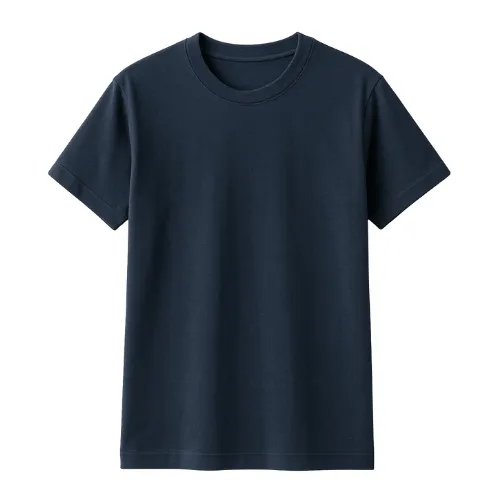
Crew Neck
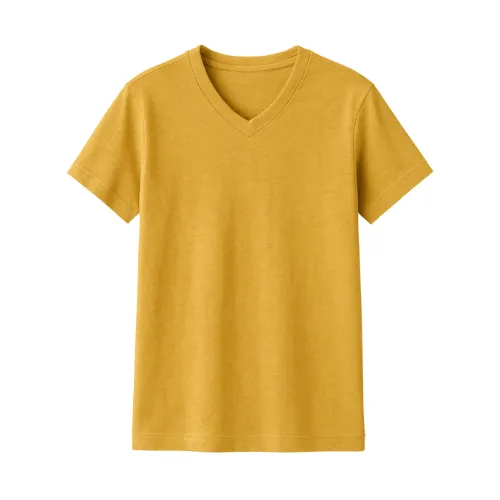
V-Neck
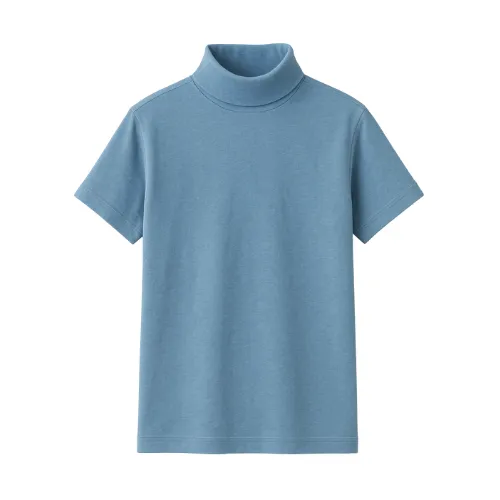
Turtle Neck
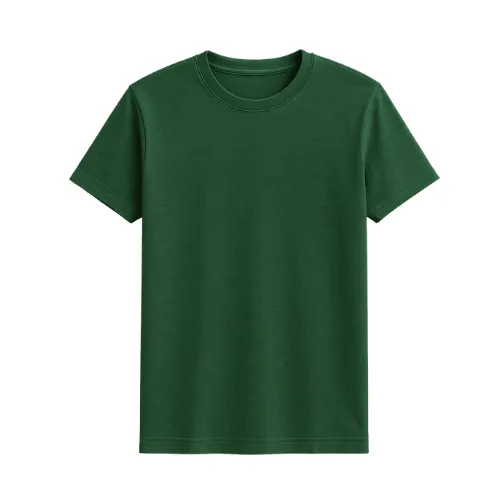
O-Neck
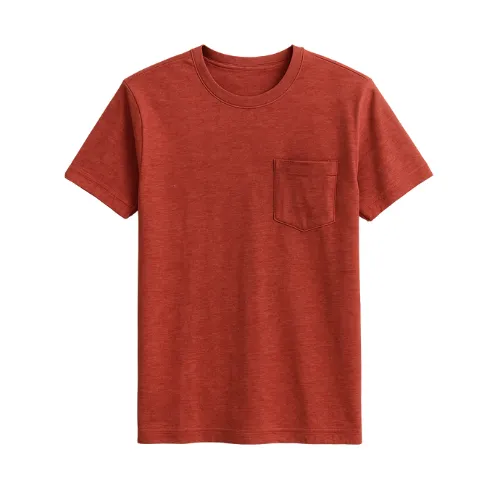
Heathered Pocket
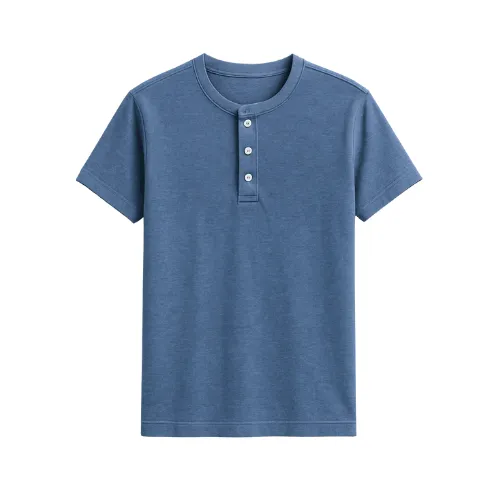
Henley
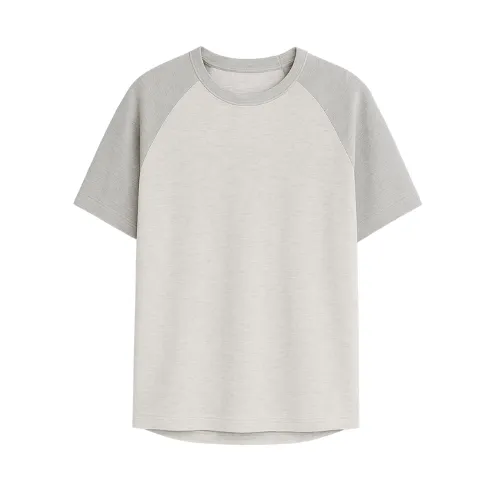
Raglan T-shirt
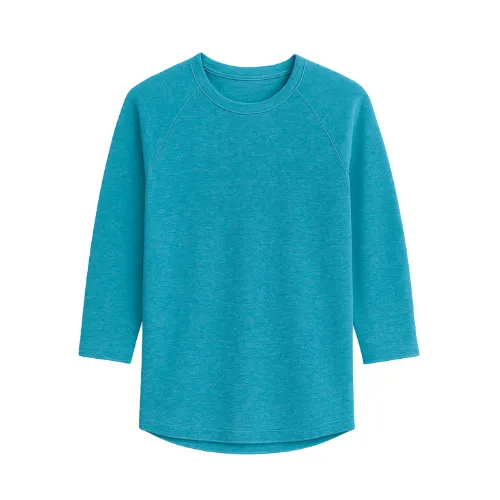
3/4 Sleeve T-Shirt
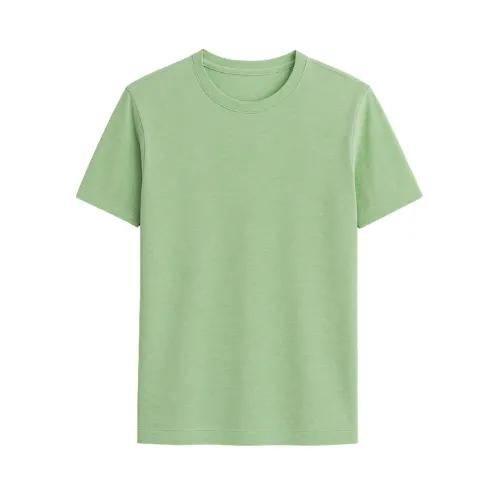
Short Sleeve T-Shirt
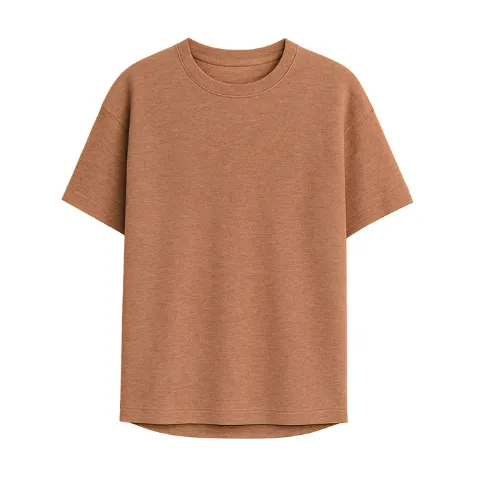
Drop Shoulder
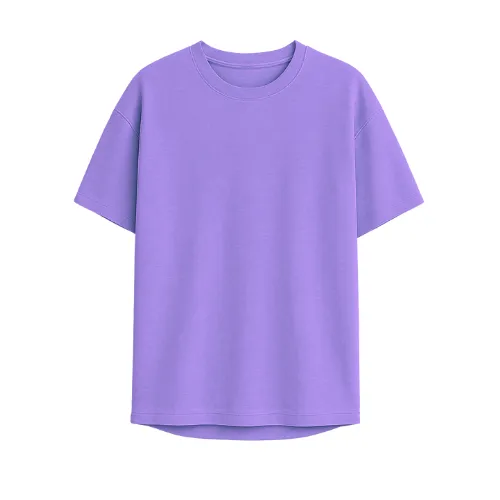
Oversize
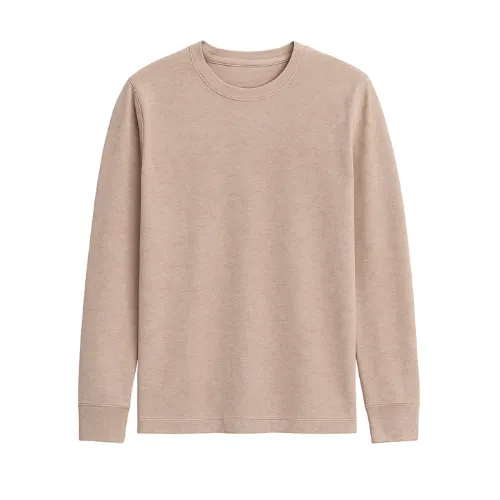
Full Sleeve T-shirt
2. Measurement Process and Sizes for Men’s T-Shirts
A strong design can fail if the measurements are wrong. That is why we run a structured measurement and size process before bulk. This section explains how we capture, validate, and standardize your fit across regions, and then convert it into production-friendly size sets.
First, you will see how we handle the measurement process; from initial tech pack to fit sample, wear test, and final approval. Then, we will show how we localize your size options for Asia, USA, and Europe using dedicated size charts, while keeping one master grade logic behind the range. By understanding both steps, you can reduce returns, improve customer satisfaction, and roll out consistent fits across multiple channels.
Measurement Process of a t-shirt
Our measurement process starts with data, not guesswork. We review your existing size charts, brand guidelines, and any reference samples you provide. Based on that, we prepare a technical measurement sheet covering key points: body length, chest, bottom opening, shoulder width, neck opening, sleeve length, sleeve opening, and high-point-shoulder to chest logo positions if needed.
Next, we develop a base size; often a Medium for men; then build a grading rule up and down for other sizes. A first proto sample is produced and evaluated on a live model or fit form in line with your target market profile. We adjust for issues such as tight necks, shoulder drag lines, twisting side seams, or sleeves that look off-proportion.
Once the fit is approved, we lock the measurements, stitching specs, and shrinkage allowances based on fabric test results. Only then do we authorize pre-production and bulk cutting. This disciplined approach ensures that every men’s T-shirt shipment aligns with your approved block, even when styles, fabrics, or factories vary.
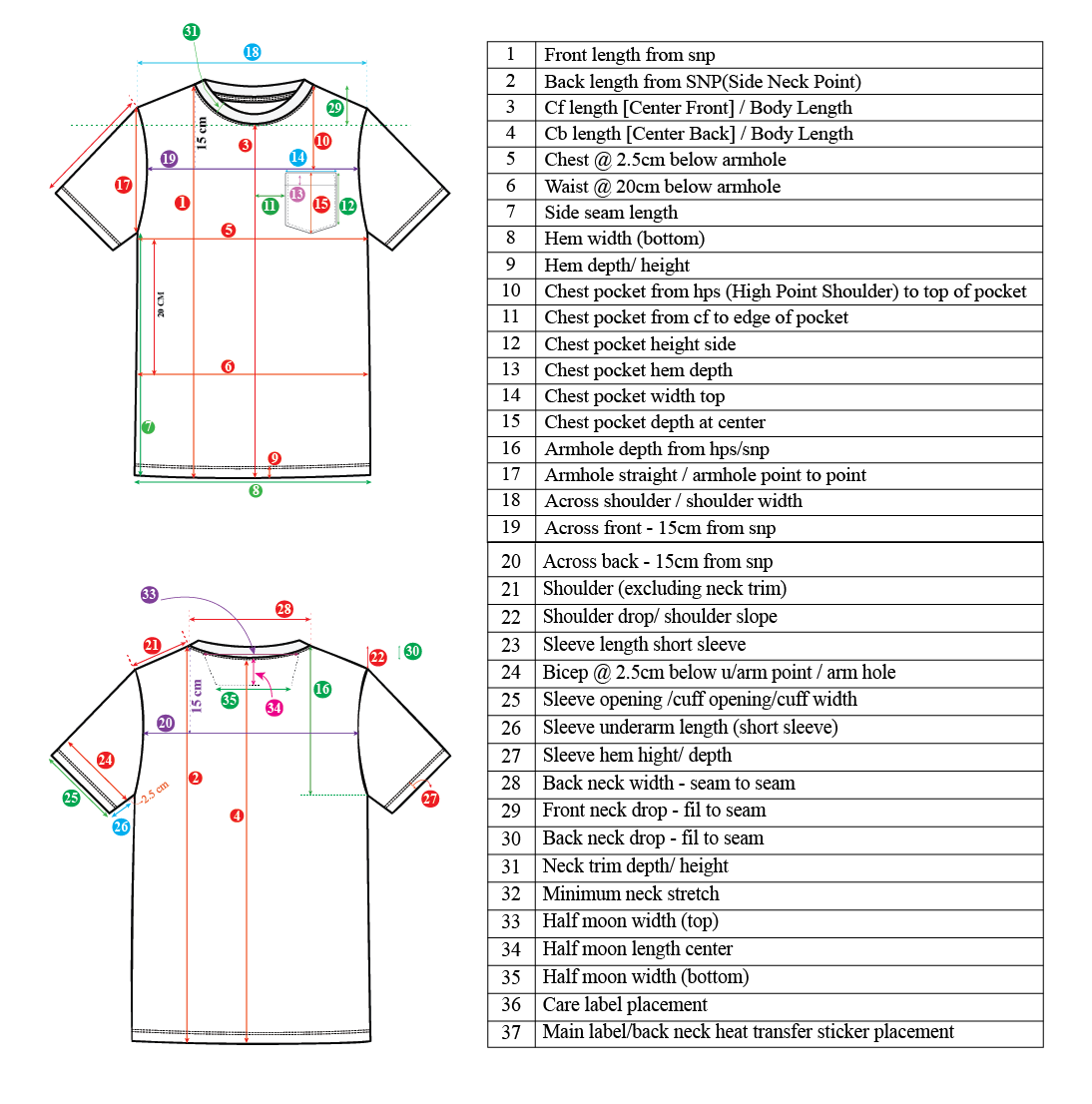
Size Options for Men’s T-shirt
Men’s T-shirt sizing must align with local expectations, or even a good product will underperform. RYZEAL offers three regional size frameworks; Asia, USA, and Europe; to keep your ranges aligned with end-consumer reality. Within each framework, we can run standard S – 3XL or extended sizes as required.
We start by mapping your existing size run to our region-specific measurement library. Asian sizes generally lean shorter and narrower, US sizes tend to be more generous, and European fits often sit between the two with a cleaner silhouette. Using your target profile, we fine-tune chest, length, and shoulder dimensions for each region rather than simply scaling one chart globally.
All size sets are documented in clear charts, so your team, buyers, and e-commerce channels can communicate sizing confidently. This reduces returns, improves sell-through, and lets you manage one product architecture with regionally optimized fits.
| Size | Length (cm) | Chest (cm) | Shoulder Width (cm) | Length (in) | Chest (in) | Shoulder Width (in) |
|---|---|---|---|---|---|---|
| S | 68 | 104 | 44 | 26.77 | 40.94 | 17.32 |
| M | 70 | 108 | 45.5 | 27.56 | 42.52 | 17.91 |
| L | 72 | 112 | 47 | 28.35 | 44.09 | 18.5 |
| XL | 74 | 116 | 48.5 | 29.13 | 45.67 | 19.09 |
| 2XL | 76 | 120 | 50 | 29.92 | 47.24 | 19.68 |
| 3XL | 78 | 124 | 51.5 | 30.71 | 48.82 | 20.28 |
| Size | Length (cm) | Chest (cm) | Shoulder Width (cm) | Length (in) | Chest (in) | Shoulder Width (in) |
|---|---|---|---|---|---|---|
| S | 66 | 100 | 42.5 | 25.98 | 39.37 | 16.73 |
| M | 68 | 104 | 44 | 26.77 | 40.94 | 17.32 |
| L | 70 | 108 | 45.5 | 27.56 | 42.52 | 17.91 |
| XL | 72 | 112 | 47 | 28.35 | 44.09 | 18.5 |
| 2XL | 74 | 116 | 48.5 | 29.13 | 45.67 | 19.09 |
| 3XL | 76 | 120 | 50 | 29.92 | 47.24 | 19.68 |
| Size | Length (cm) | Chest (cm) | Shoulder Width (in) | Length (in) | Chest (in) | Shoulder Width (cm) |
|---|---|---|---|---|---|---|
| S | 64 | 96 | 16.14 | 25.2 | 37.8 | 41 |
| M | 66 | 100 | 16.73 | 25.98 | 39.37 | 42.5 |
| L | 68 | 104 | 17.32 | 26.77 | 40.94 | 44 |
| XL | 70 | 108 | 17.52 | 27.56 | 42.52 | 44.5 |
| 2XL | 72 | 112 | 18.5 | 28.35 | 44.09 | 47 |
| 3XL | 74 | 116 | 19.09 | 29.13 | 45.67 | 48.5 |
3. Fabric Customization Options for Men's T-shirt
Fabric is where comfort, performance, and price converge, so fabric decisions must be deliberate. For men’s T-shirts, RYZEAL does not force a single “standard” quality; we give you controlled options that align with your brand and use case.
In the next sections, you will explore three key angles. First, performance-driven features such as moisture wicking or anti-UV that turn a basic T-shirt into a purpose-built garment for sports, work, or outdoor wear. Second, a wide range of knitted fabric choices; from combed cotton jerseys to blends, piqué, fleece and more; so you can select the right structure and weight for your line. Third, fabric color options, backed by preset Pantone-mapped shades and full custom dye capabilities.
By combining these three levers correctly, you can control hand-feel, drape, durability, and brand impact without over-engineering the cost.
Performance-Driven Features for Everyday Comfort
The right functional finishes can transform men’s T-shirts from simple basics into high-performing products. For warm climates or active use, wicking and quick-dry finishes move moisture away from the skin, keeping the wearer drier and reducing cling. Breathable constructions and yarns support airflow, which is critical for athletes, outdoor workers, and customers in humid markets.
When sun exposure is a factor, sunproof and anti-UV treatments help protect the skin during prolonged outdoor use, supporting both comfort and safety messaging. Anti-static finishes minimize clinging and dust attraction, which is useful in dry environments or when layering. Cold filament and other cooling yarn technologies can give a cool-touch sensation, ideal for performance, training, or hot-weather collections.
Overlaying all of this, eco-friendly finishes and chemistry allow you to pursue sustainability targets without sacrificing performance. Choosing the right combination of features is essential: overspecifying drives up cost unnecessarily, while underspecifying leads to disappointed customers. Our team helps you map features to real-world use; gym wear, corporate uniforms, merchandising tees, or casual basics; so you invest where it matters.

Breathable

Light-weight

Soft Touch

Quick Dry

Wrinkle Free

Durable

Anti Odor

Stretchable

Eco-Friendly

UPF 50+

Moisture Wicking

Anti Shrink

Color Fast

Anti Piling
Knitted Fabric Choices Tailored to Style & Function
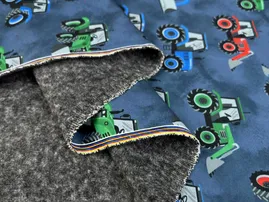
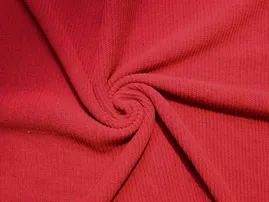
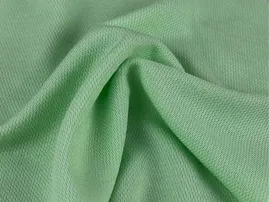
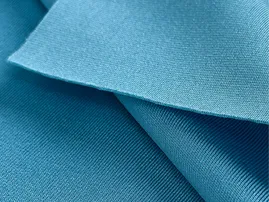
Different knit structures create very different customer experiences. A classic single jersey delivers a soft, everyday hand-feel for basic men’s T-shirts, while interlock fabrics give a cleaner surface and more stable drape for premium or corporate ranges. Piqué knits communicate a sporty, polo-inspired character, and fleece or brushed back knits provide warmth and volume for cooler climates or streetwear. Blends like cotton-poly jerseys or modal rib can upgrade comfort, stretch, or color fastness depending on your brief.
RYZEAL offers a wide portfolio of knit options (you will see many of them in the fabric image panel below) so you can align structure, weight, and softness with your target consumer and price point. Lightweight jerseys support high-volume promotional lines, while heavier weights or compact knits suit premium basics that must hold their shape.
If you are unsure which fabric best fits your concept; graphic streetwear, athletic wear, corporate gifting, or retail basics; just contact us. Share your market, price band, and use case; we will recommend short-listed fabrics, send swatches, and help you select the most efficient option before you freeze specs.

#1 Slub Knit
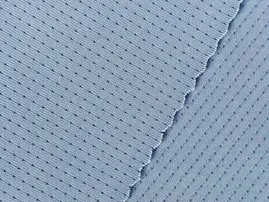
#2 Pointelle Knit
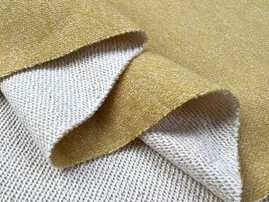
#3 French Terry
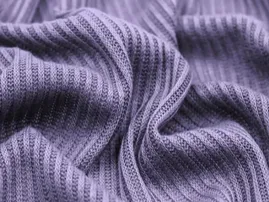
#4 Rib Knit
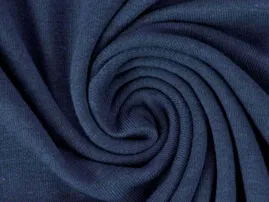
#5 Single Jersey
#6 Fleece
#7 Purl Knit

#8 Interlock

#9 Lycra
#10 Viscose Pique
#11 Tricot
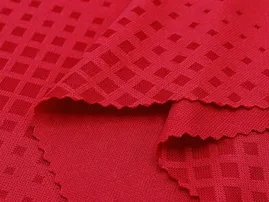
#12 Jacquard
Fabric Color Options for a Men's T-shirt
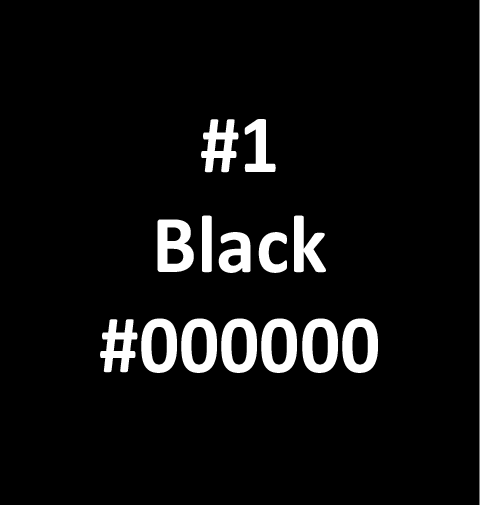
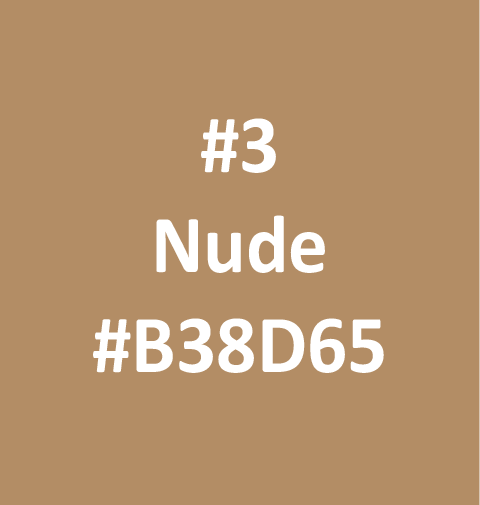
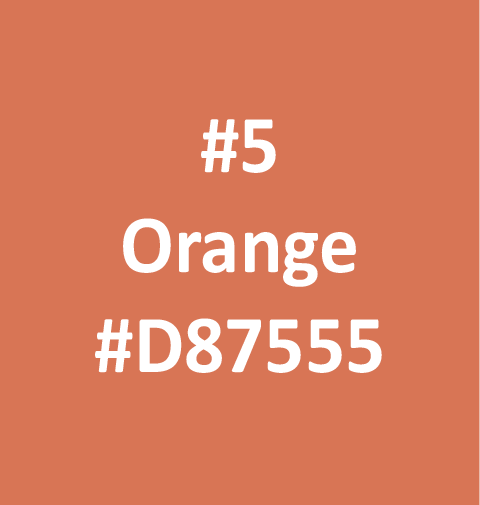
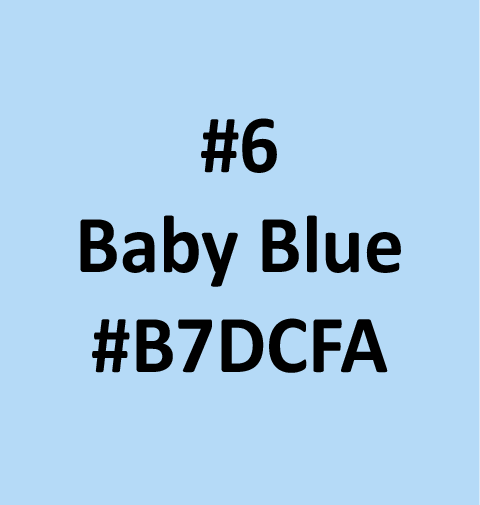
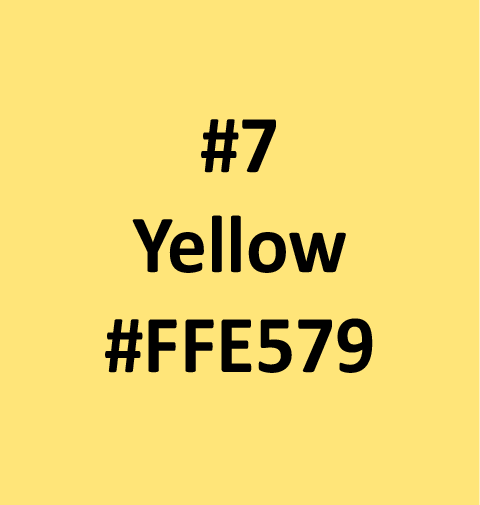
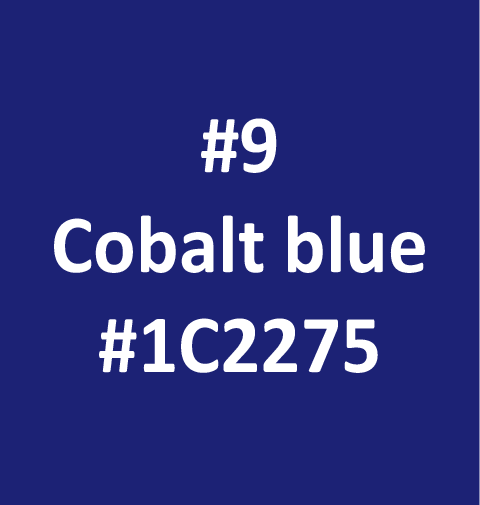
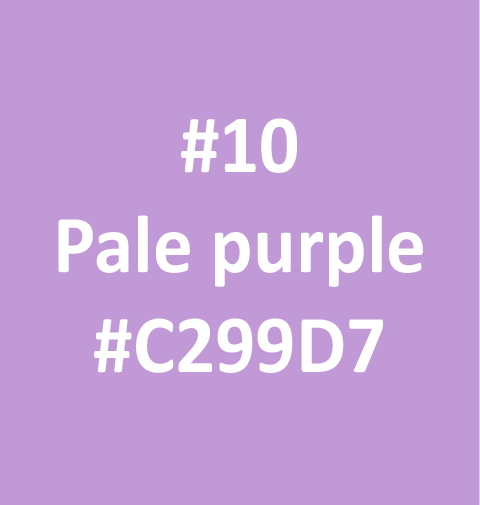
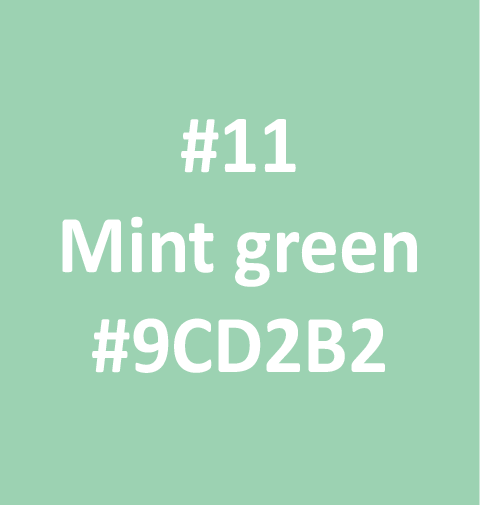
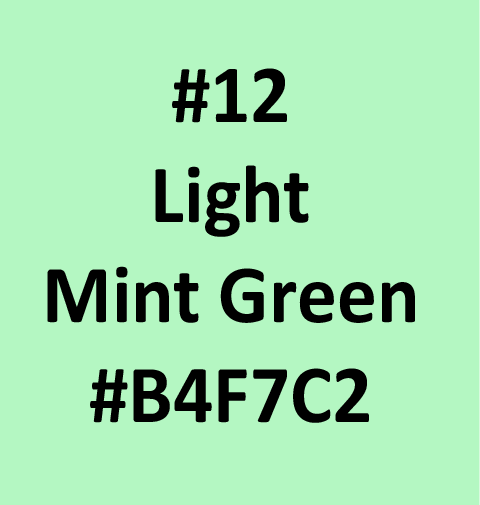
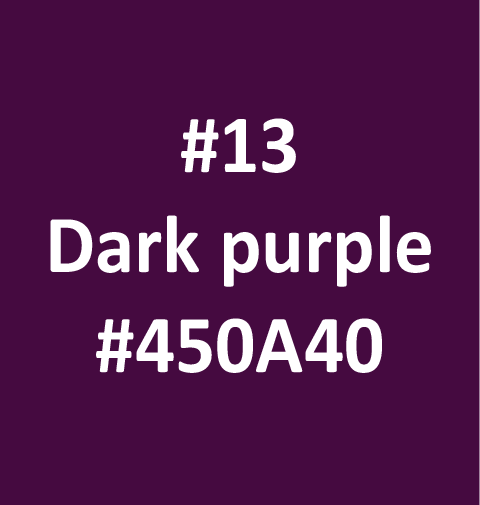
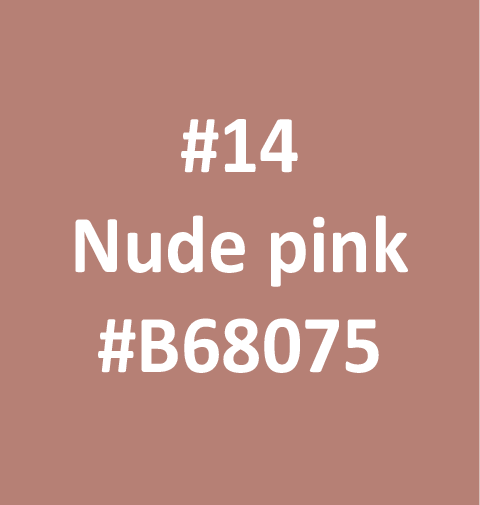
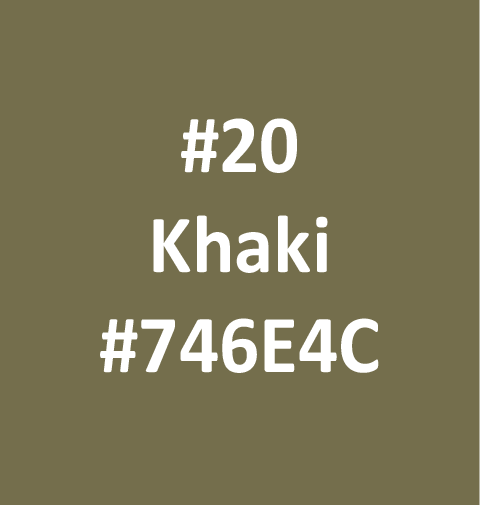
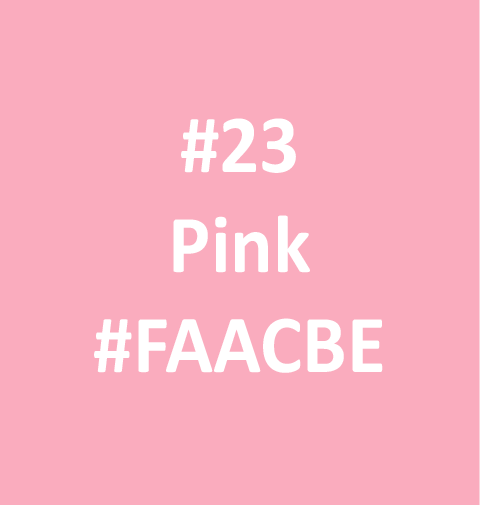
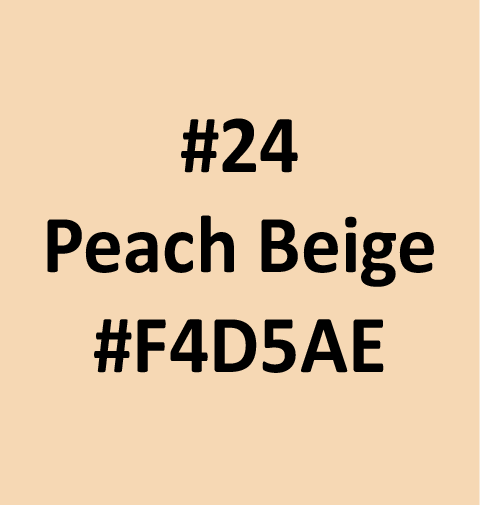
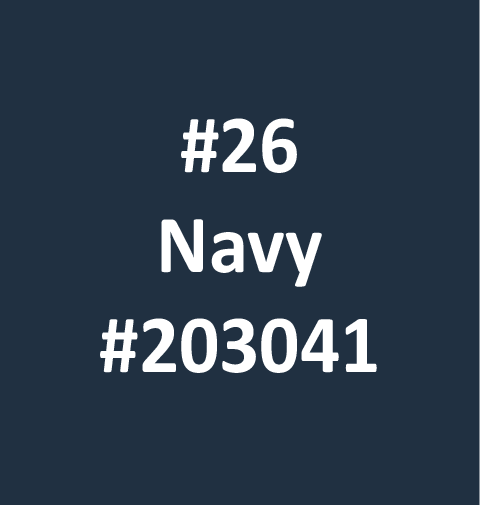
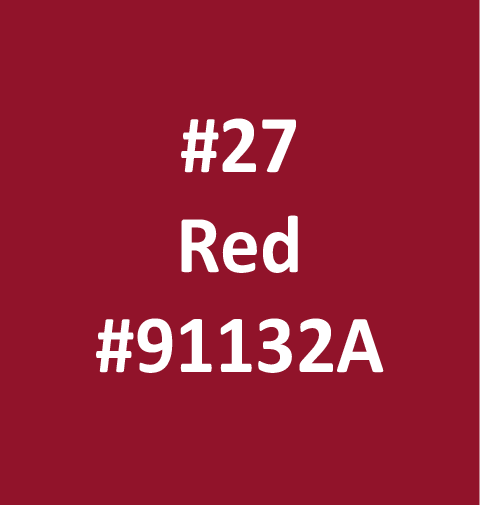
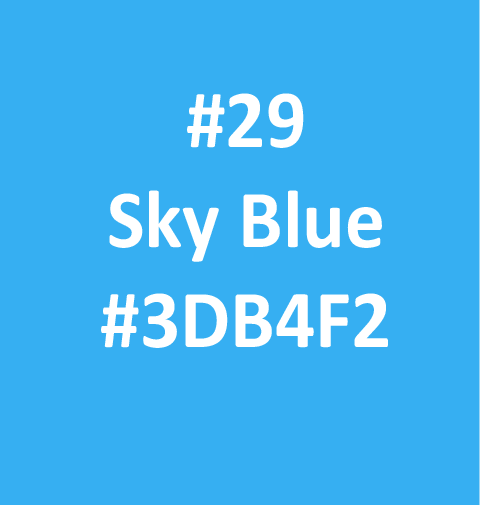
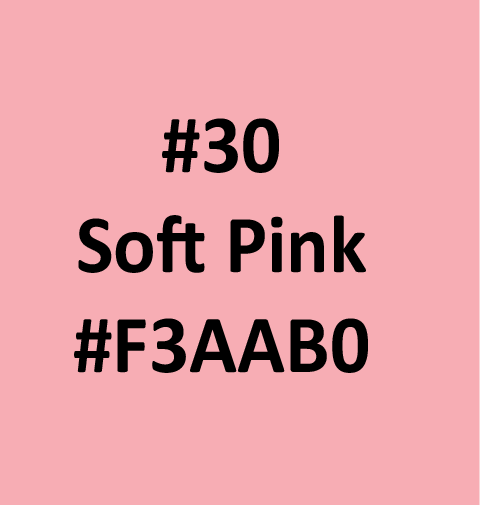
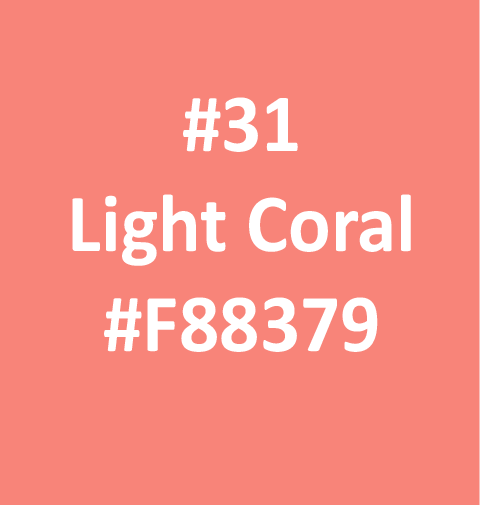
Color is often the first thing your customer notices, so it cannot be an afterthought. RYZEAL maintains more than 30 preset men’s T-shirt colors with corresponding Pantone references, covering core shades like white, black, navy, and grey, plus seasonal and brandable tones. These presets, which you will see in the color chart below, accelerate development and reduce lab dip iterations.
If your brand palette is more specific, you can provide your own Pantone codes, physical swatches, or digital references. We will run lab dips, align on tolerances, and lock an approved standard for bulk. For collections that mix multiple factories or styles, we work to maintain cross-style shade consistency, which is critical for shop-floor presentation and online imagery. If you prefer to supply Pantone TCX or TPX codes, we can match those directly as well.
You are not expected to make these decisions in isolation. We can schedule a color support session to help you build a balanced range: anchor colors for volume, accent colors for storytelling, and capsule colors for limited drops. The goal is simple; color that is on-brand, repeatable, and technically sound in production.



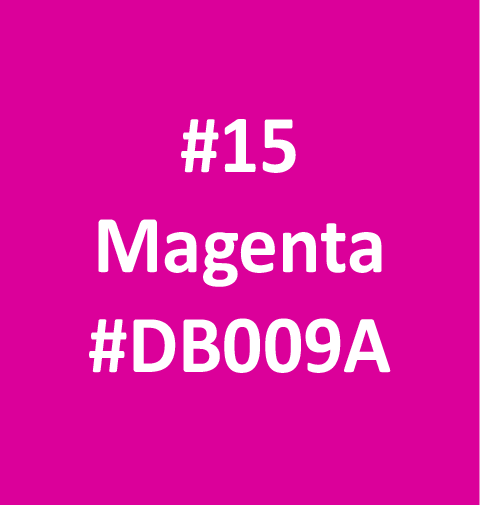
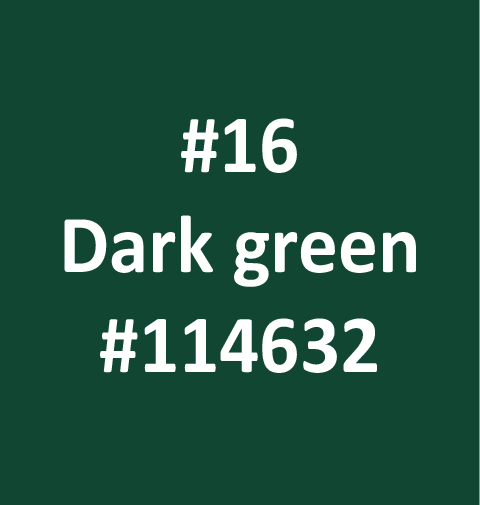
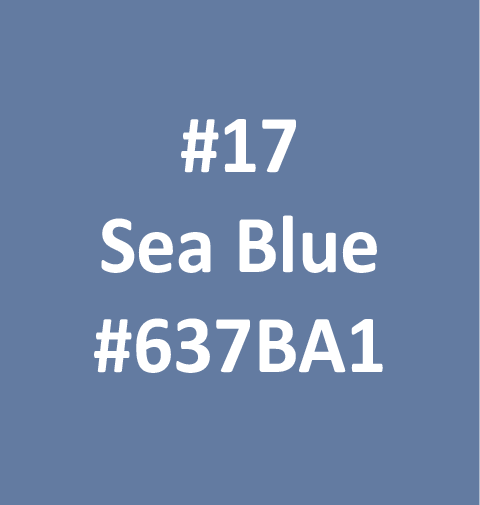
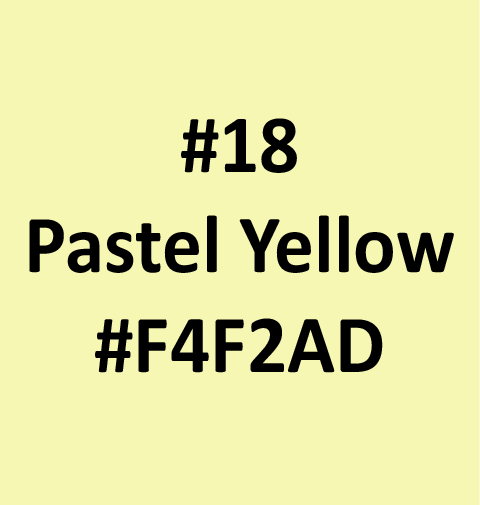






Need help selecting the right fabric combination for your men’s T-shirt? Tell us your target market, use case, and price range. Performance finishes, knit structures, and Pantone color support available.
4. Print & Embroidery Customization Options for Men's T-shirt
Print and embroidery turn a basic men’s T-shirt into a brand statement. The technique, ink, and placement you choose will directly influence visual impact, hand-feel, durability, and cost. RYZEAL supports a wide suite of decoration methods, from high-volume screen printing to digital, puff, and specialty finishes, plus multiple embroidery executions.
In the next sections, you will discover three key elements. First, an overview of print techniques that let you control texture, coverage, and color effects. Second, the embroidery options that bring depth and premium perception to logos or emblems. Third, the placement positions that determine how your branding reads on-body and in photos. Together, these choices help you create men’s T-shirts that look aligned with your brand, not generic blanks with a logo thrown on.
Explore Print Techniques for Branding, Texture & Style
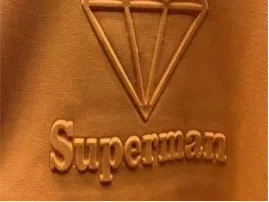
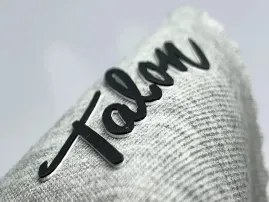
Each print technique has its own strengths, limitations, and ideal use cases. Traditional screen printing is efficient for solid logos or graphics at scale, delivering strong opacity and durability on cotton and blends. Rubber or silicone prints provide a slightly raised, elastic surface that performs well on stretch fabrics and holds up under repeated washing.
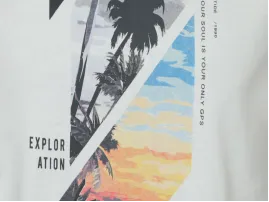
For finer gradients or multi-color artwork, DTG (direct-to-garment) and digital printing allow photographic detail without multiple screens, ideal for shorter runs or complex designs. DTF transfers can be used for flexible placement and efficient production across styles. Specialty options such as puff, glitter, reflective, flock, or rhinestone add dimension and visual drama for streetwear or promotional capsules, but must be aligned with your brand aesthetic and cost targets.
The print options chart below shows a broad menu of techniques. You can mix methods across a range; for example, standard screen prints for basics and silicone or reflective accents for performance tees. If you are unsure which option suits your design, fabric, and budget, contact us and we will walk you through the trade-offs before you lock the spec.
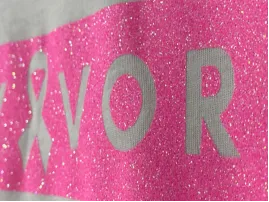
#1 Glitter
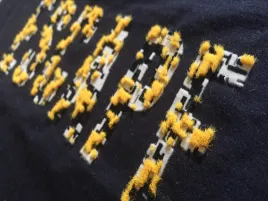
#2 Flock
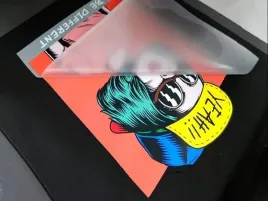
#3 DTF

#4 Applique
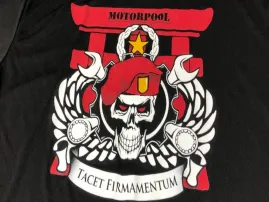
#5 Screen
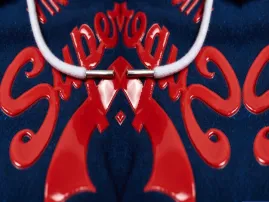
#6 Silicone
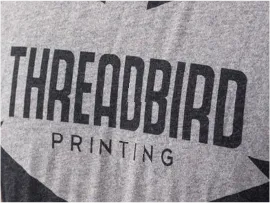
#7 Discharge
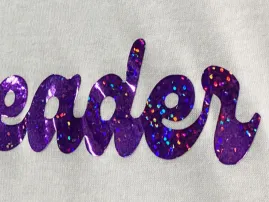
#8 Hologram

#9 Puff
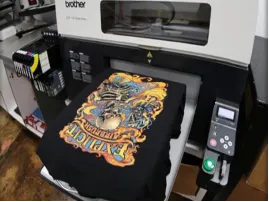
#10 DTG
#11 Embossing
#12 Digital
#13 Embroidery
#14 Rubber

#15 Rhinestone
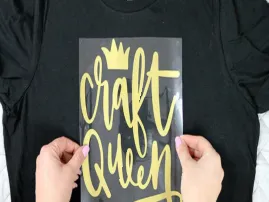
#16 HTV
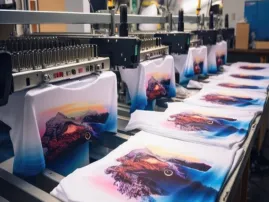
#17 Sublimation
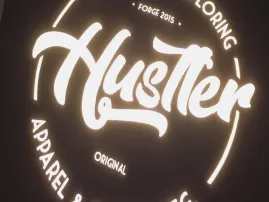
#18 Reflective
Different Types of Embroidery Options for Men's T-shirt
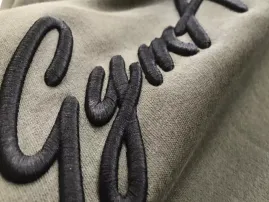
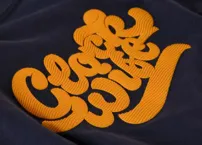
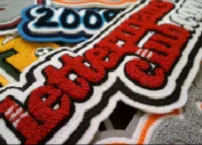
Embroidery immediately signals quality when executed correctly. Simple running stitch or satin stitch logos offer clean, sharp branding with a relatively light hand-feel. 3D satin stitch embroidery builds height and presence, ideal for bold chest logos or statement branding. Chenille and towel effects create a soft, tactile surface often used in varsity or streetwear collections.
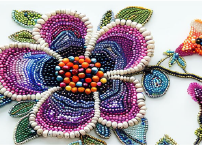
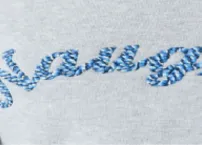
More decorative options such as bead, sequence, or appliqué embroidery introduce texture, shine, and layering that can elevate limited-edition or premium men’s T-shirts. Chain stitch gives a more vintage, crafted look, while patch applications combine embroidery with woven or felt bases for robust logos that can be heat-set or sewn down. You will see a selection of these executions in the embroidery image panel below.
Choosing the right embroidery type is important for both aesthetics and performance: heavy techniques on light fabrics can cause distortion, while overly flat stitching may look underwhelming on bold designs. Our team reviews your artwork, fabric, and price point, then recommends the most appropriate embroidery solution for each style.
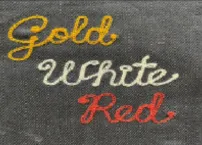
#1 Chain Stitch
#2 Patch
#3 Bead
#4 Cording

#5 Zadozi
#6 Chenille
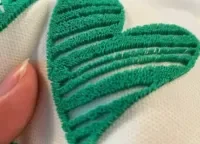
#7 Tooth
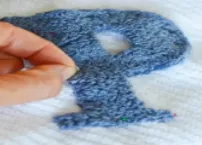
#8 Towel
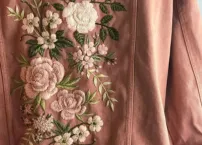
#9 3D Satin Stitch
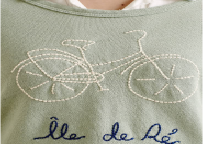
#10 Running Stitch
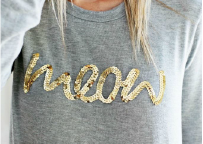
#11 Sequince
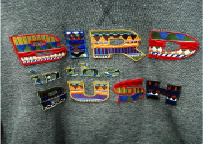
#12 Appliqué
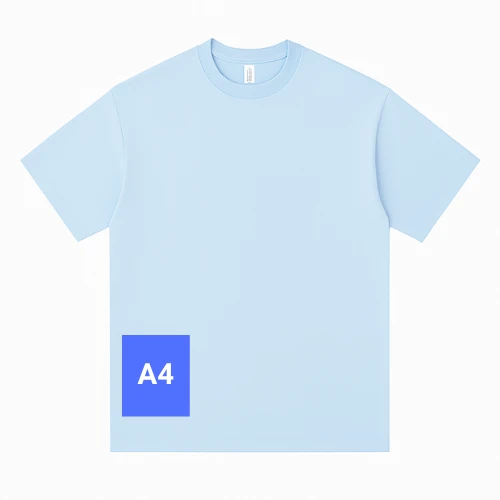
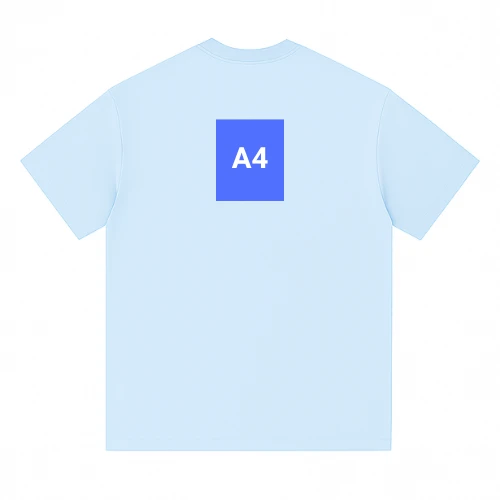
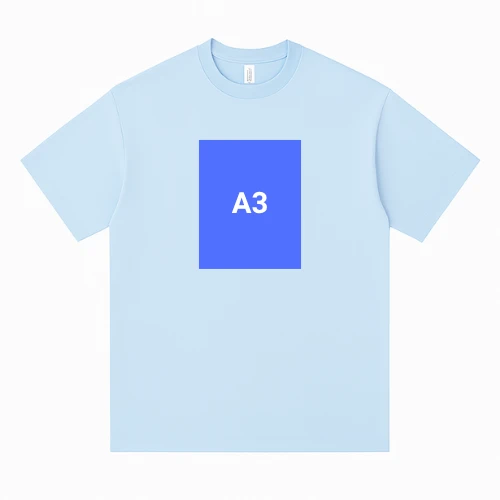
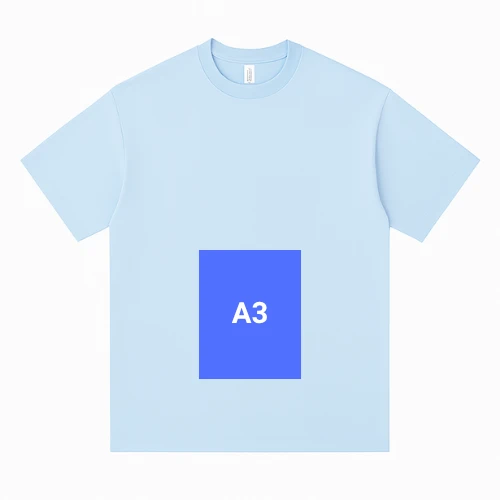
Print and Embroidery Placement Positions for Men's T-shirts
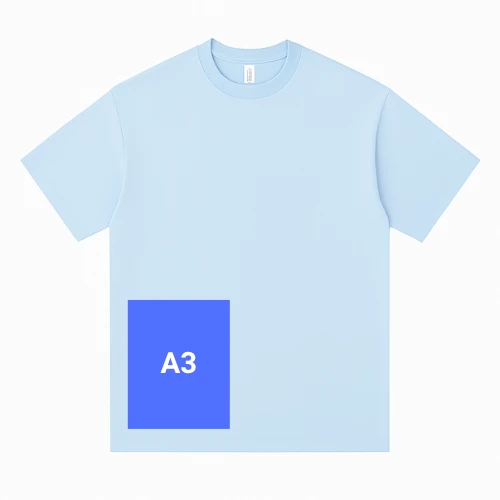
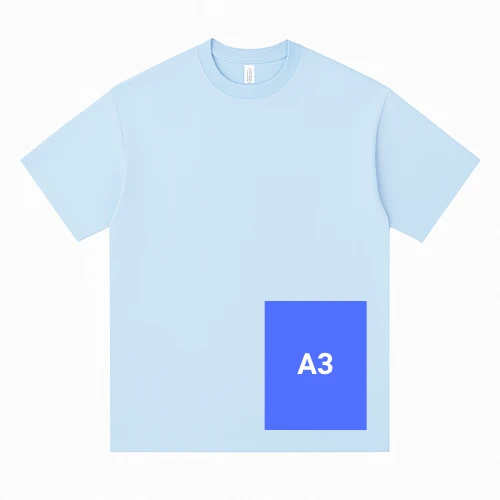
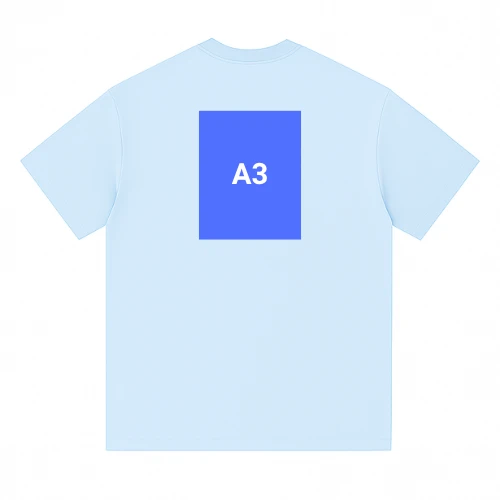
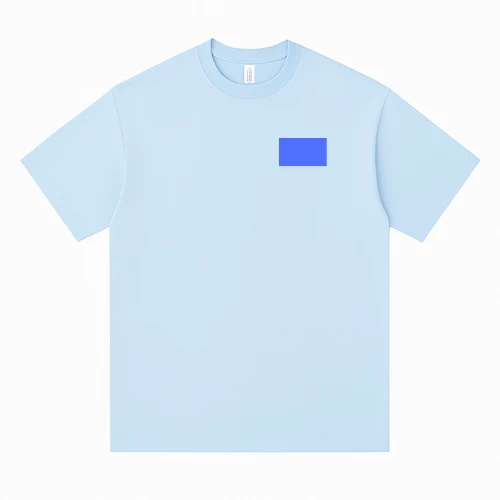
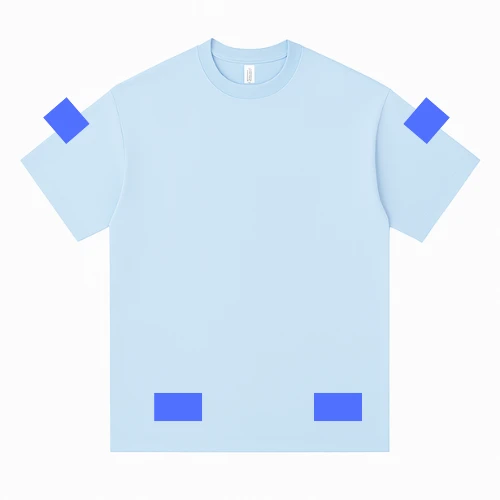
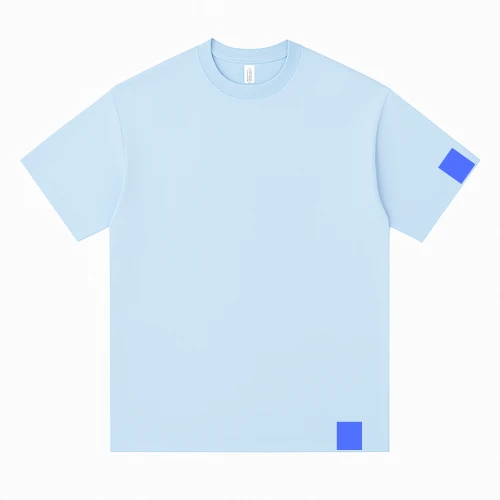
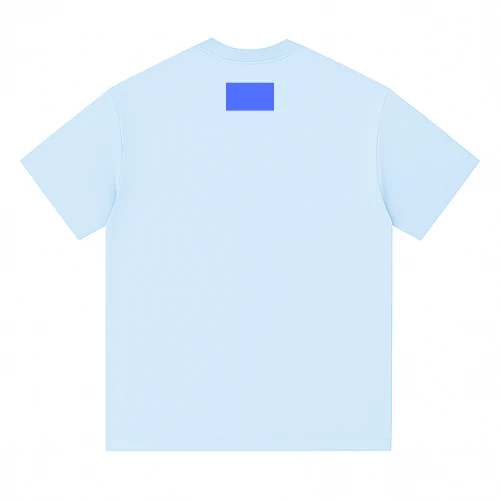
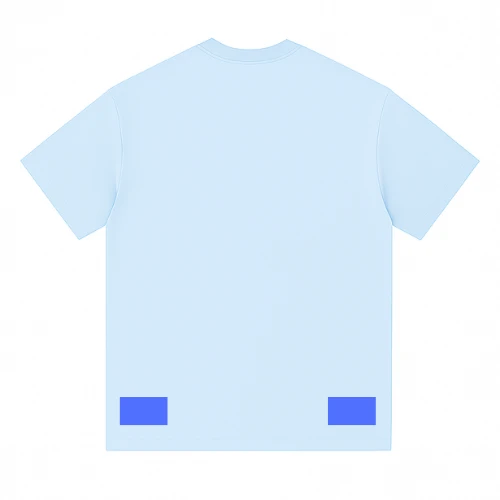
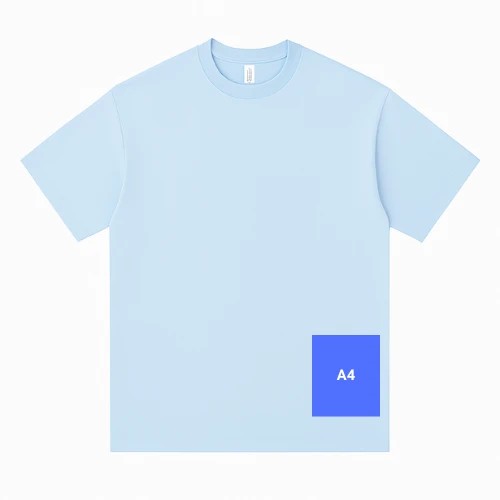
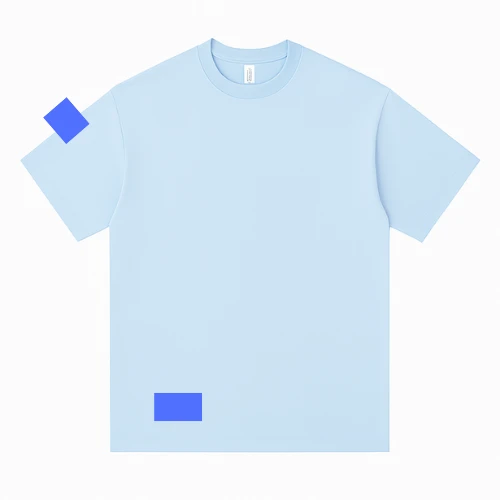
Where you place branding is just as important as how you apply it. Standard positions like left chest, center chest, and full back remain highly effective for logos and core graphics. Sleeve placements (left or right) work well for secondary branding, flags, or collaborations, while nape (back neck) prints or embroideries offer subtle, premium branding that does not dominate the front.
For streetwear or campaign pieces, larger placements; oversized front prints, off-center graphics, hem hits, or wrap-around designs; can make a strong impact, but they must be considered carefully for printability and size-grade consistency. Overlapping seams, ribs, or heavy prints on high-movement areas can create discomfort or technical issues in production.
Our placement templates, shown in the visuals below, give you preset positions that are proven in production. You can select from these or specify your own coordinates based on design. We will then validate feasibility, advise on any constraints, and ensure that your chosen placements remain consistent across sizes. If you need guidance, our team can help you build a placement strategy that works both visually and operationally.
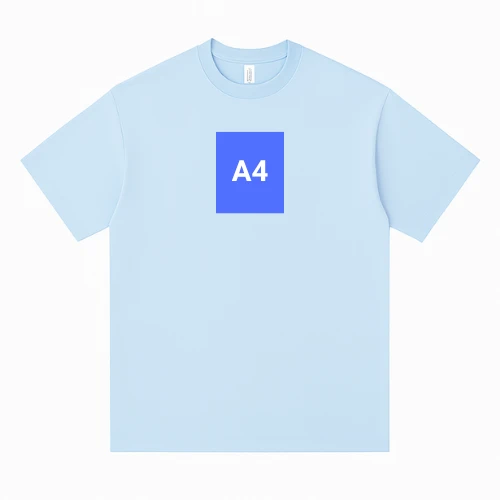
#1
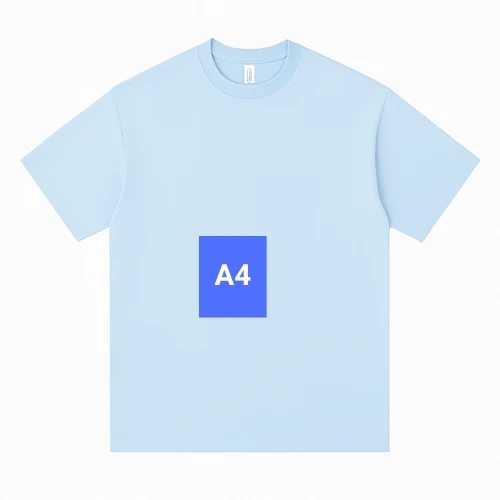
#2
#3
#4
#5
#6
#7
#8
#9
#10
#11
#12
#13
#14
#15
#16
5. Trims, Accessories Options: Your Brand, Fully Dressed
Trims and accessories are where a men’s T-shirt stops looking generic and starts looking like your brand. Thread color, label construction, buttons, tapes, patches, and badges all contribute to perceived quality and brand recall. Neglect them, and the product feels cheap; manage them well, and even a simple T-shirt looks elevated.
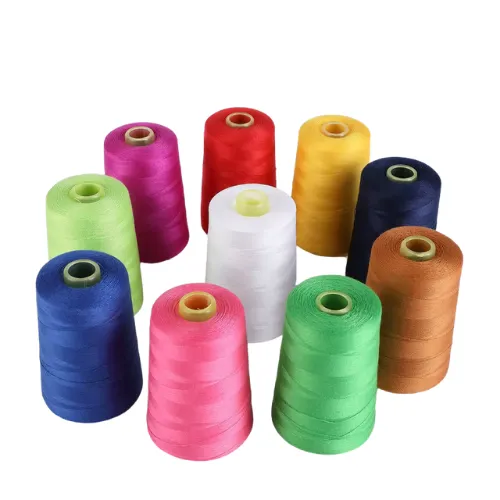
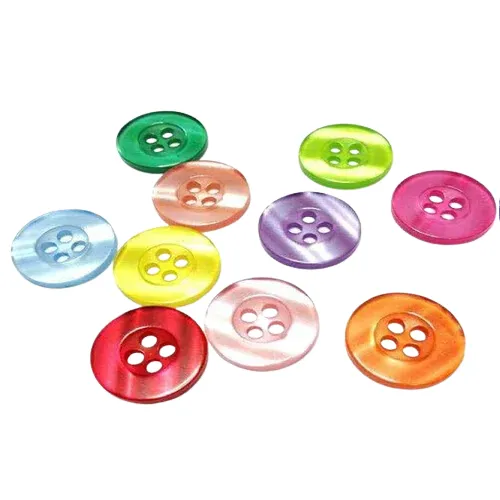
RYZEAL can customize core items such as sewing thread, rib trims, and twill tapes, as well as visible branding elements like rubber patches, metal badges, snap buttons, or stickers for packaging and retail. You will see a range of available options in the trims image below. We ensure that trims are compatible with the fabric, wash requirements, and your compliance standards, so you avoid issues like rusting metal, cracked prints on labels, or discolored tapes.
You can work from our established trim library or provide your own specifications. If you are unsure how far to go, we can help you calibrate the trim package to match your target price point and brand tier, ensuring that every men’s T-shirt leaving production is fully “on brand” without wasteful overspecification.
Sewing Thread
Plastic Button
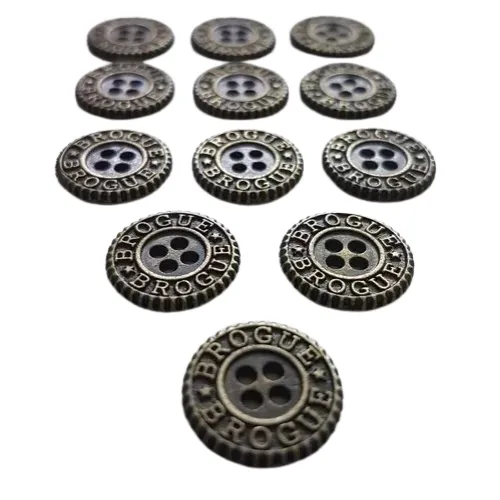
Metal Button
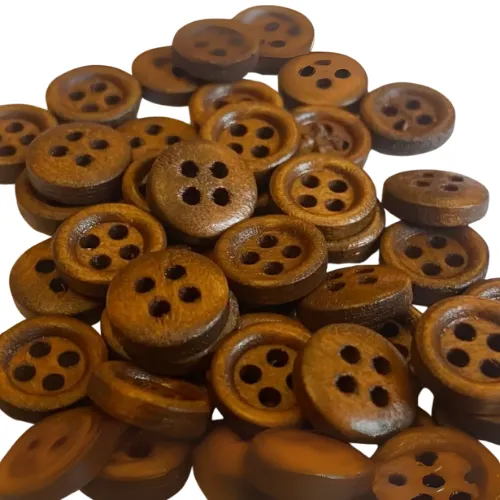
Coconut Shell Button
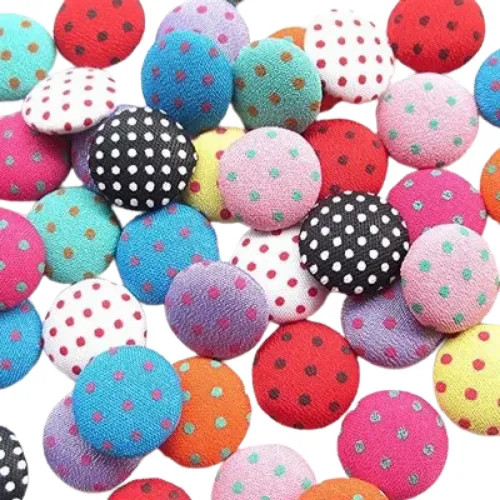
Fabric Button
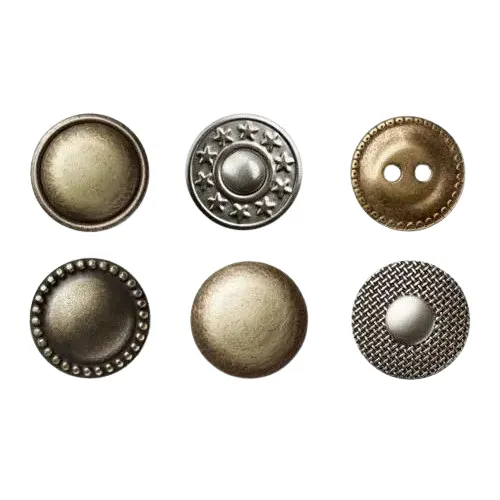
Snap Button
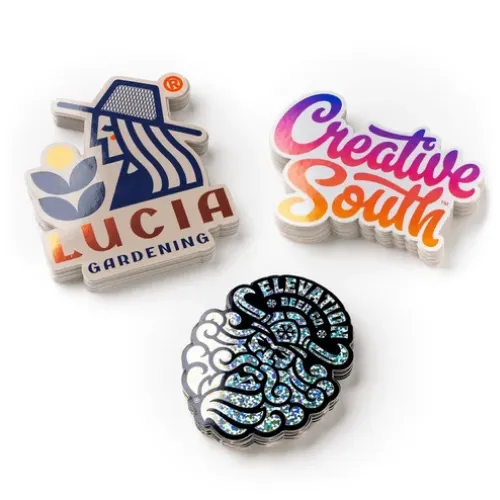
Sticker
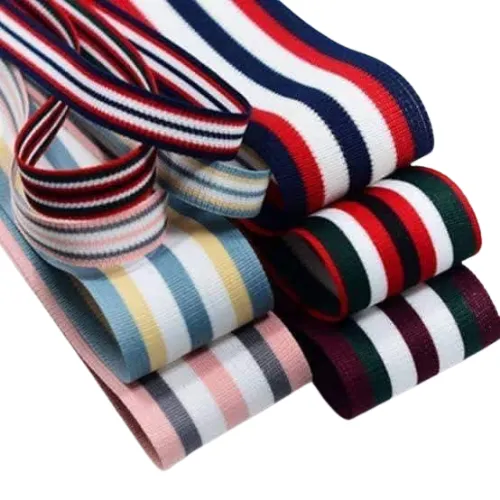
Ribs
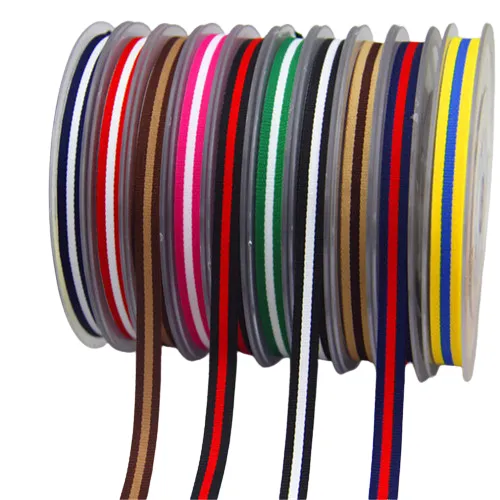
Twill Tape
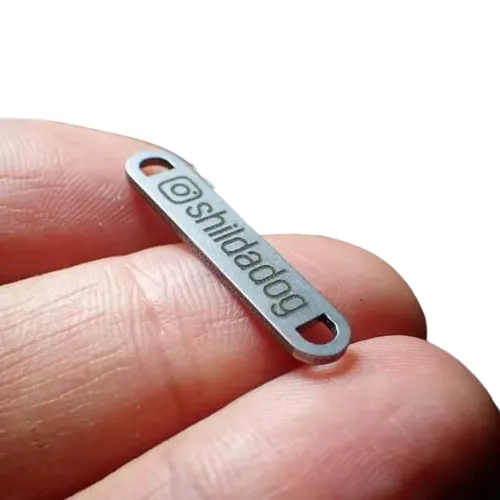
Metal Badge
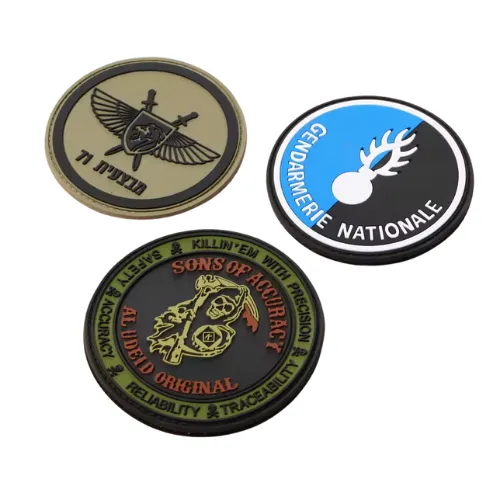
Rubber Patch
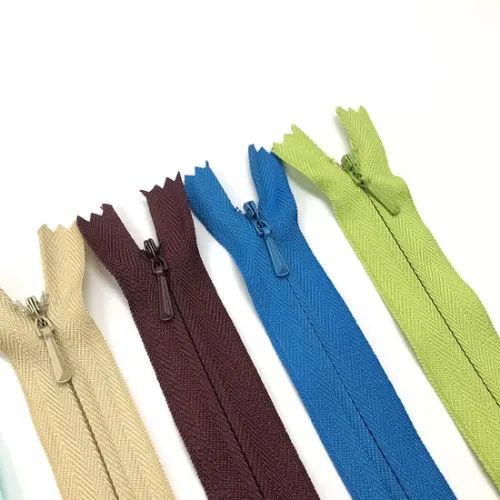
Zipper
6. Finishing and Packaging Options
Finishing and packaging are the final touchpoints before your men’s T-shirts reach the warehouse, store, or end-customer. They influence perceived value, protection in transit, and compliance with labelling or safety regulations. RYZEAL offers a structured menu of options so you can configure this layer with the same precision as fabric or fit.
On the garment side, you can combine paper or eco-friendly hang tags, RFID tags, leather or synthetic patches, and hang tag strings to match your brand language and retail environment. For packing, we support standard polybags, custom printed poly, zip-lock or button-closure poly, BOPP bags, and protective elements like tissue paper, backboards, and silica gel where required. Outer packaging can be built with custom cartons, safety and QR stickers, and a full range of tapes; standard, eco, branded, or paper; plus PP belts for securing bulk.
You will find a visual overview of these components below. We can align your finishing and packaging with e-commerce requirements, retailer guidelines, or sustainability goals. If you need help balancing cost, protection, and brand impact, our team will propose a pragmatic configuration that keeps your men’s T-shirts protected, compliant, and presentation-ready from factory to final destination.
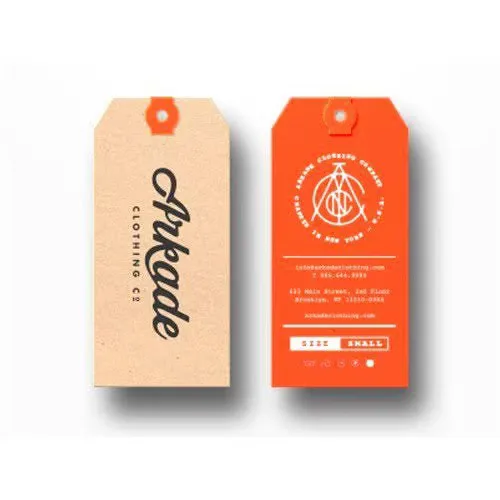
Paper hang tags
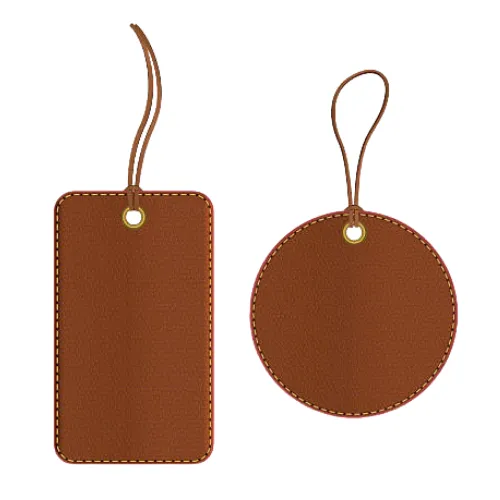
Leather patch
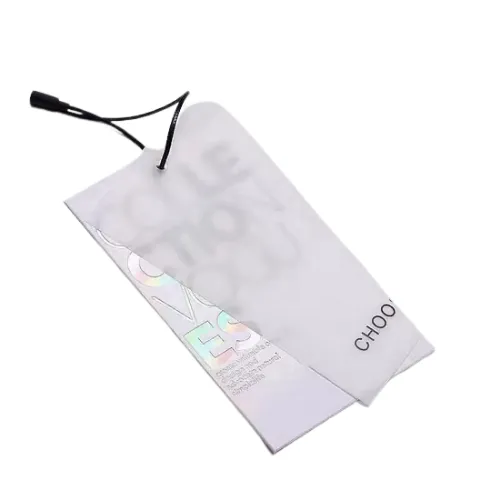
Plastic hang tags
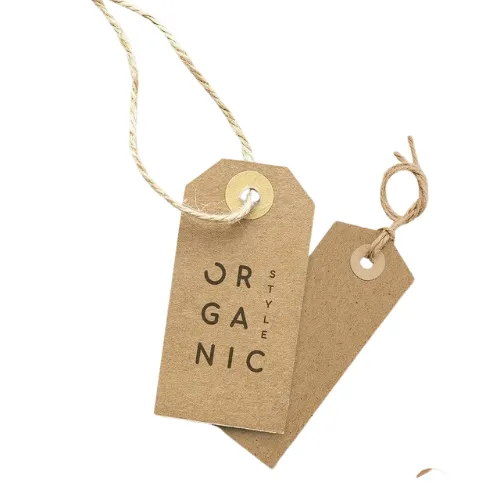
Eco-friendly Hang Tags
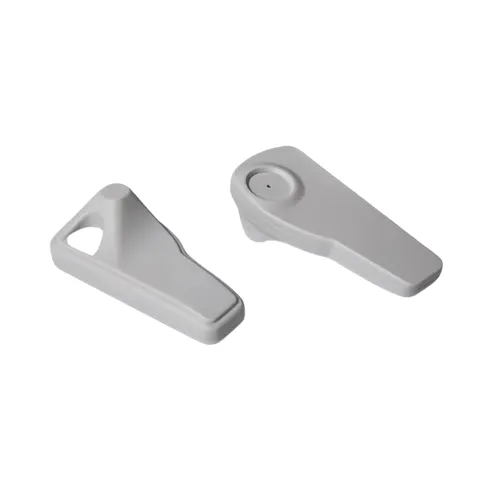
RFID Tags
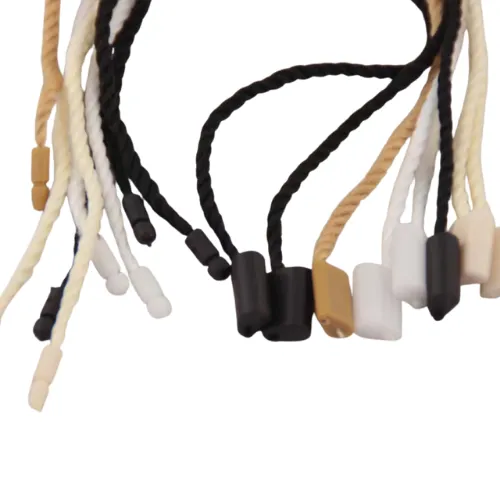
Hang tag string
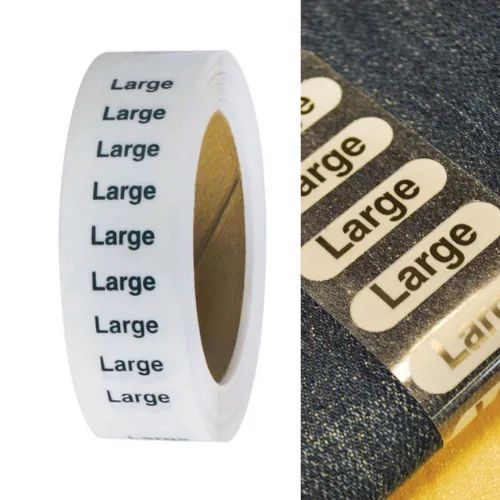
Size Strip
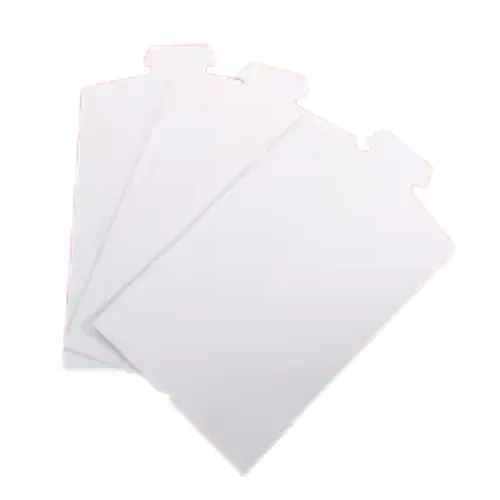
Backboard
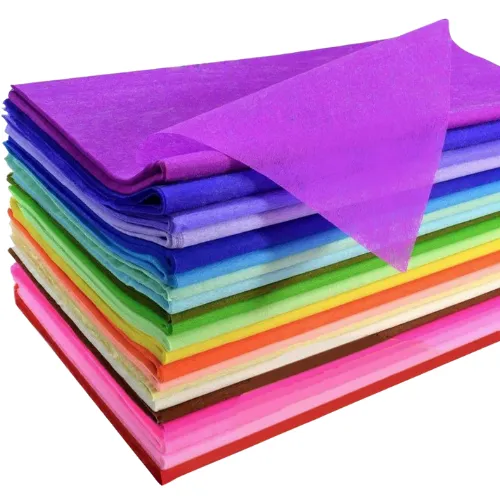
Tissue Paper
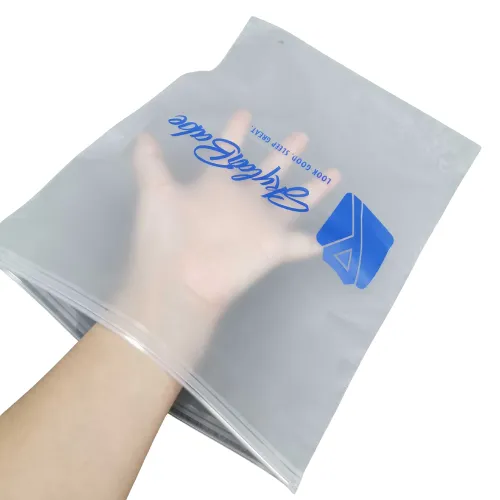
Custom Printed Poly
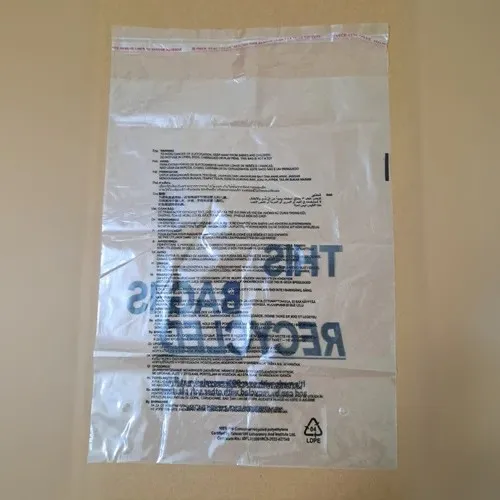
Standard Polybags
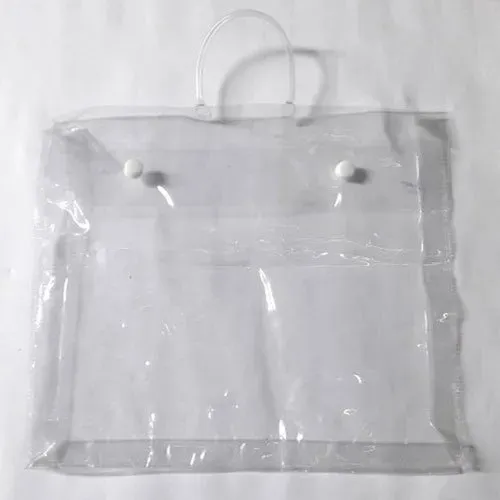
Button Closure Poly
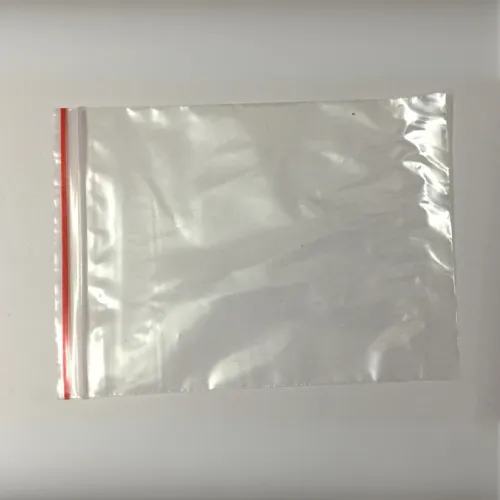
Zip Lock Poly
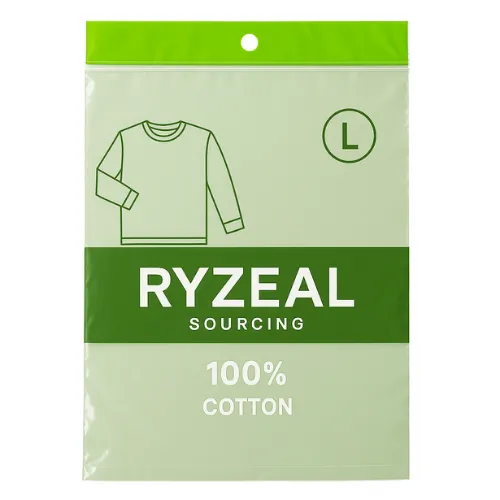
BOPP Poly
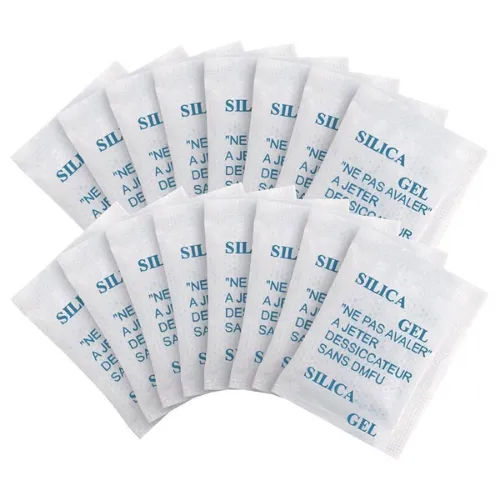
Silica Gel
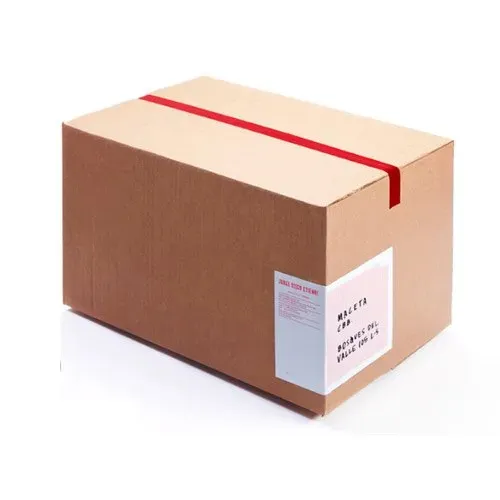
Carton
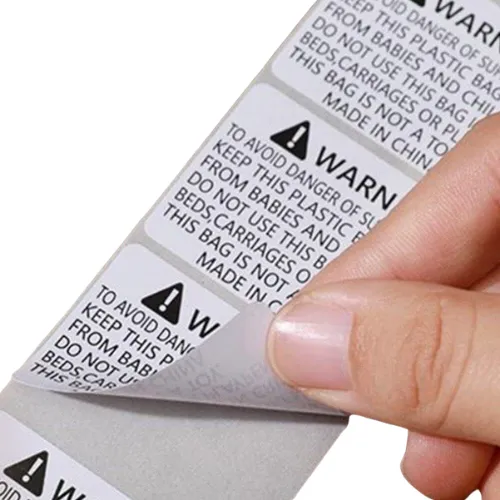
Safety Sticker
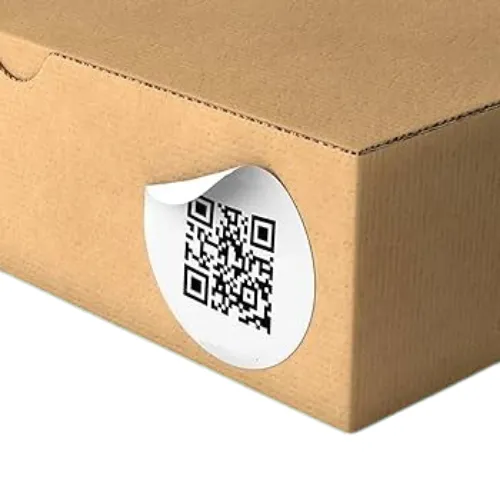
Carton QR Sticker
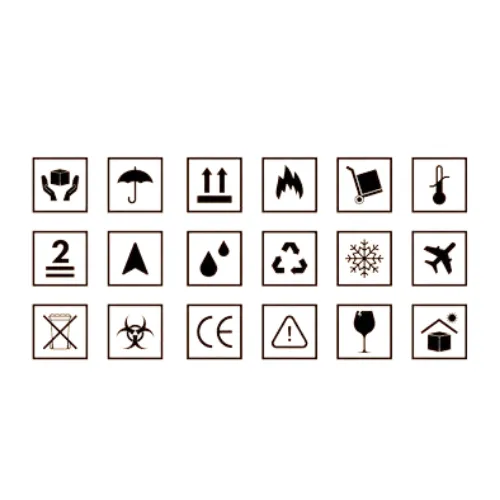
Safety Sticker
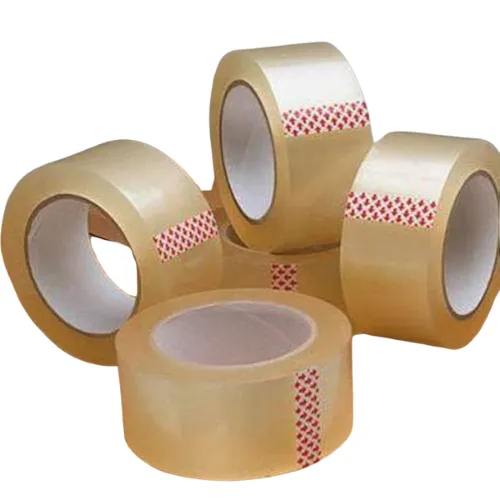
Transparent Tape
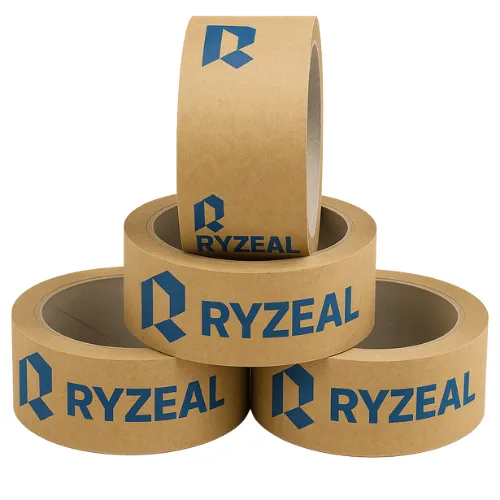
Eco Friendly Tape
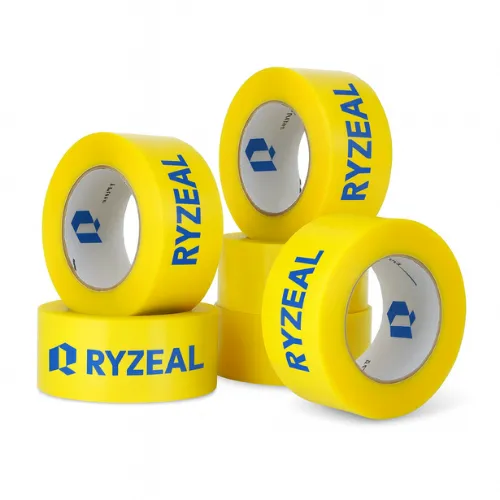
Branded Tape
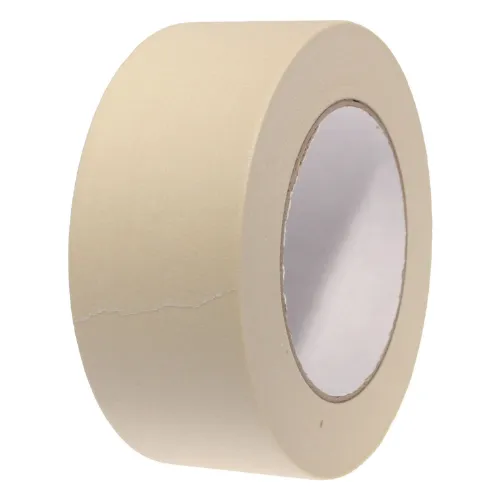
Paper Tape
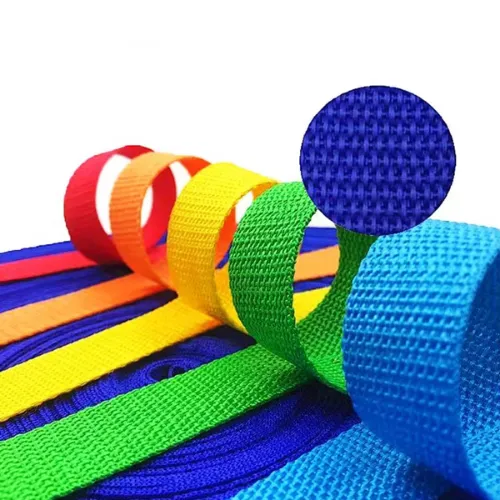
PP Belt
T-shirt Manufacturing Process & Workflow
Our men’s T-shirt manufacturing workflow is designed to be transparent, repeatable, and easy to manage for your team. You start by contacting RYZEAL with your brief and tech packs, after which we confirm the design details, branding, and target price points. Once aligned, we move into fabric selection, followed by fabric inspection to verify GSM, shade, shrinkage, and quality compliance before cutting.
Approved fabrics go into cutting, then value-adding stages like embroidery (if required), followed by sewing for main garment assembly. After sewing, we apply printing where specified, then move garments through ironing, finishing, and final quality checks. Finished units are passed to packaging, where we follow your specific packing, labeling, and carton requirements. The process concludes with shipping, coordinated in line with your Incoterms, documentation, and delivery timelines, so your men’s T-shirts arrive ready for distribution.
1. Contact Ryzeal
2. Confirm Design
3. Fabric Selection
4. Fabric Inspection
5. Cutting
6. Embroidery
7. Printing
8. Sewing
9. Ironing
10. Finishing
11. Packaging
12. Shipping
Frequently Asked Questions (FAQ) for Men's T-Shirt
What is your minimum order quantity (MOQ) for men’s T-shirts?
Our standard MOQ for men’s T-shirts is 100 pcs per color per style. Depending on fabric, color, and print complexity, the MOQ may vary slightly, but our baseline 100-piece requirement is designed to support small brands, new collections, and test orders while allowing you to scale gradually.
Can I personalize the design of my t-shirt?
Yes. We support full customization, including print techniques, embroidery, labeling, branding, and other design elements.
Is it possible to request a sample before confirming a bulk order?
Yes. We can prepare a sample for you, typically within 10–12 days prior to bulk production.
Do you supply eco-conscious fabric choices?
Yes. We offer a range of sustainable materials, such as organic cotton and bamboo-based fabrics.
Can I order men’s t-shirts in multiple colors or sizes?
Yes. We provide a wide selection of colors and size options to meet your needs.
What payment options are available?
We accept multiple secure payment methods such as T/T, L/C, MoneyGram, Payoneer, PayPal, Visa, Mastercard, and Western Union.
Yes. Along with men’s t-shirts, we also manufacture fully customizable women’s t-shirts and kids’ t-shirts in all sizes, fits, fabrics, and print options. Each category has its own dedicated product page with detailed customization options.
Related T-Shirt Pages:
• Women’s T-Shirt – To be Updated
• Kids’ T-Shirt – To be Updated
No, we focus exclusively on custom-made men’s t-shirts. Every item is produced according to the design, fabric, and specifications you provide.
Yes. We can accommodate special measurements and plus-size requirements on request.
Bulk manufacturing generally requires around 30-45 days, depending on order volume and shipping destination.
We ship globally, including the USA, Canada, Europe, Australia, the Middle East, and many other international markets.
We generally follow a structured Sample-to-Bulk Production Workflow. Buyers either
(1) confirm the order first, then we develop and ship approval samples, collect staged payments (20%–50%–30%), move into bulk production with inspection, and finally ship after balance payment;
or (2) request samples first by paying a sample charge, review and approve those samples, and then place the bulk order under our standard production and payment terms.
For full step-by-step details, please review our Sample to Bulk Production Process Guide.
T Shirts Design Collections For Your Brand
Unlock ready-to-deploy design inspiration with our curated men’s T-shirt collections organized by season, capsule, and market. Below, you can browse structured collections such as Summer, Winter, Spring, Athleisure, Streetwear, Corporate, and Promotional; to quickly identify silhouettes, graphics, and branding directions that match your strategy. Each collection contains multiple lines and catalogues that you can adapt, combine, or extend.
You can either select any men’s T-shirt concepts directly from these collections or use them as a reference and submit your own custom designs. Our team will help translate your chosen concepts into clear, production-ready specifications that align with your target price, positioning, and channel mix.
SS 26 Design Collection
WS 26 Design Collection
SS 27 Design Collection
WS 27 Design Collection
Interested in reviewing the complete collection? Catalogues are shared with qualified buyers.
Request For T-Shirt Quotation
To move from idea to execution, complete our detailed Men’s T-Shirt RFQ form and submit your requirements. Share your target fabric, quantity, trims, prints, packaging, and delivery window so we can build an accurate cost breakdown and timeline. Once we receive your RFQ, our team will review the details, revert with clarifications if needed, and issue a structured quotation so you can make fast, confident sourcing decisions.
Garment Details
Prefer a Face-to-Face Online? Let’s Meet...
About Us
RYZEAL SOURCING (Trade Name of RYZEAL LTD.) is a Bangladesh-based apparel manufacturing and sourcing partner and garments buying house – helping brands, wholesalers, retailers, importers, and clothing businesses manufacture clothing in Bangladesh. We manage production through a vetted network of specialized garment manufacturers selected according to product type, materials, quantity, quality, compliance, and market requirements. Our network supports knit, woven, denim, sweater, activewear, workwear, and other apparel categories, while one RYZEAL team coordinates development, sourcing, sampling, production follow-up, quality control, compliance, and shipment.
We don’t just deliver products – we help build brands.
Our Services
End-to-End Apparel Sourcing & Manufacturing Support
Product Design & Development
We turn ideas, sketches, references, or tech packs into production-ready garment designs with clear style, fit, fabric, and manufacturing direction.

Fabric & Material Sourcing

Pattern Making & Sampling

Bulk Production
Quality Assurance

Compliance Management

Logistics & Shipping

Merchandising & Reporting
How It Works: Simple, Transparent Apparel Manufacturing Process

STEP 1 – Share Your Design or Requirement
Send us your tech pack, reference images, or product idea. Our merchandising team reviews feasibility, fabric options, and customization requirements.
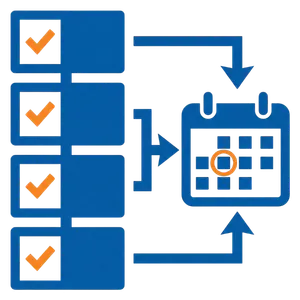
STEP 2 – Costing, MOQ & Timeline Confirmation

STEP 3 – Sampling & Approval

STEP 4 – Bulk Production & Shipment
Why Choose Bangladesh and RYZEAL SOURCING?
Bangladesh has earned global trust as a competitive apparel manufacturing destination, serving many international brands with large-scale production capacity, skilled labor, and strong export experience. Yet for smaller brands and SME buyers, working directly with large factories can be challenging because many production units prioritize high-volume orders and offer limited flexibility.
RYZEAL SOURCING is built to make Bangladesh manufacturing more accessible. We help buyers benefit from competitive pricing, reliable factory expertise, flexible MOQ planning, organized sample development, quality control, and scalable production support. Whether you are starting small or planning future growth, our role is to connect your brand with the right manufacturing solution in Bangladesh.
Bangladesh Manufacturing Advantage
Why Brands Work With RYZEAL SOURCING
Transparent Costing & Realistic MOQs
Clear pricing with no hidden surprises, plus MOQ guidance based on product type, fabric, trims, and production complexity.

Structured Sampling Process
From tech pack review to final approval, we follow a clear sampling process to keep development organized and on track.

Order & Production Management
We manage factory communication, approvals, production timelines, progress updates, and key order follow-up.

Certified & Responsible Factories
We work with vetted manufacturing partners selected for capability, quality, compliance, and buyer requirements.

Strong Quality
Control System
We monitor fabric sourcing, production, and final inspection to ensure consistent quality in every shipment.
Flexible
Production Scale
We support both small trial orders and scalable bulk production, helping brands start carefully and grow with confidence.

Reliable
Lead Times
Clear schedules, production follow-up, and coordinated logistics help you meet delivery targets with better confidence.

Long-Term Partnership Approach
We focus on repeat production, stable partnerships, and helping brands expand sustainably - not one-off deals.
Certifications & Compliance Standards
Certificates of the following icons are shared on request based on product and factory selection.















Frequently Asked Questions
Is RYZEAL SOURCING a clothing manufacturer, sourcing partner, or garments buying house?
RYZEAL operates as an apparel manufacturing and sourcing partner and garments buying house in Bangladesh.
We help buyers manufacture clothing through a vetted network of specialized manufacturers while our team coordinates factory sourcing, product development, materials, sampling, merchandising, production follow-up, quality control, compliance support, and shipment.
This model gives buyers access to broader manufacturing capabilities while maintaining one coordinated point of contact.
What is the official registered name of your company?
Our registered legal name is RYZEAL LTD., and we operate globally under the trade name RYZEAL SOURCING.
What is your office address in Bangladesh?
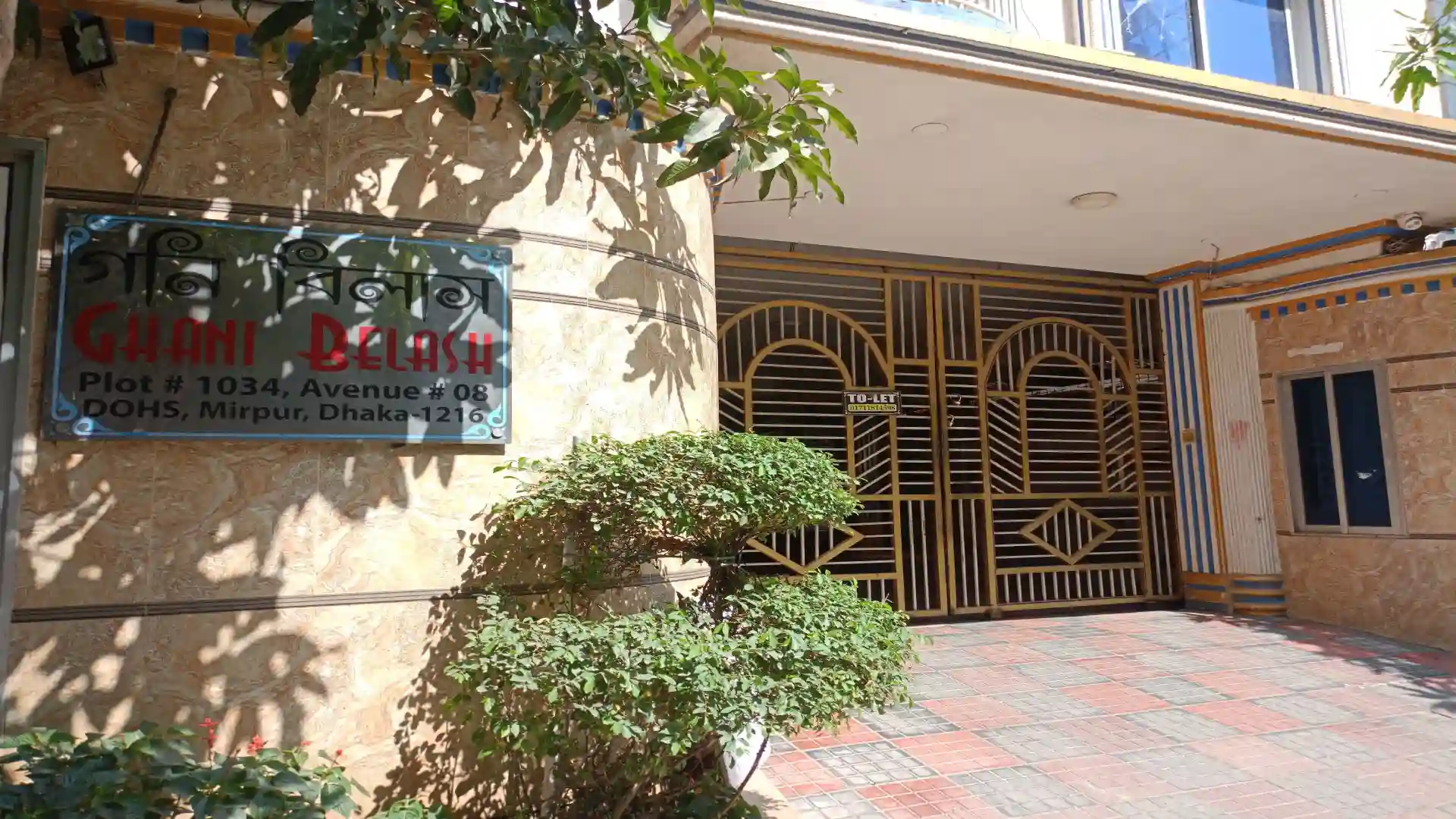
Ryzeal’s Bangladesh Office address is – House #1034 (1st Floor), Avenue #8, Mirpur DOHS, Pallabi, Dhaka-1216, Bangladesh.
You can check out RYZEAL on Google Maps
Do you have an office in China?
Yes. Our China office is located at Room 4206, Tower 1, Jinghua Plaza, Nanhai District, Foshan City, Guangdong Province, China.
How can I contact RYZEAL through WhatsApp?
You can reach RYZEAL SOURCING directly via WhatsApp at +8801958374060
How can I contact RYZEAL for inquiries or project discussions?
You can reach us directly through our official communication channels. For business inquiries, project discussions, or sourcing-related questions, you may contact our Managing Director, Md. Matiur Rahman, through the following:
Email: md@ryzealsourcing.com
WhatsApp: +8801958374060
You can also use our general office contact form for structured inquiries: Click to Visit the Contact Form Page
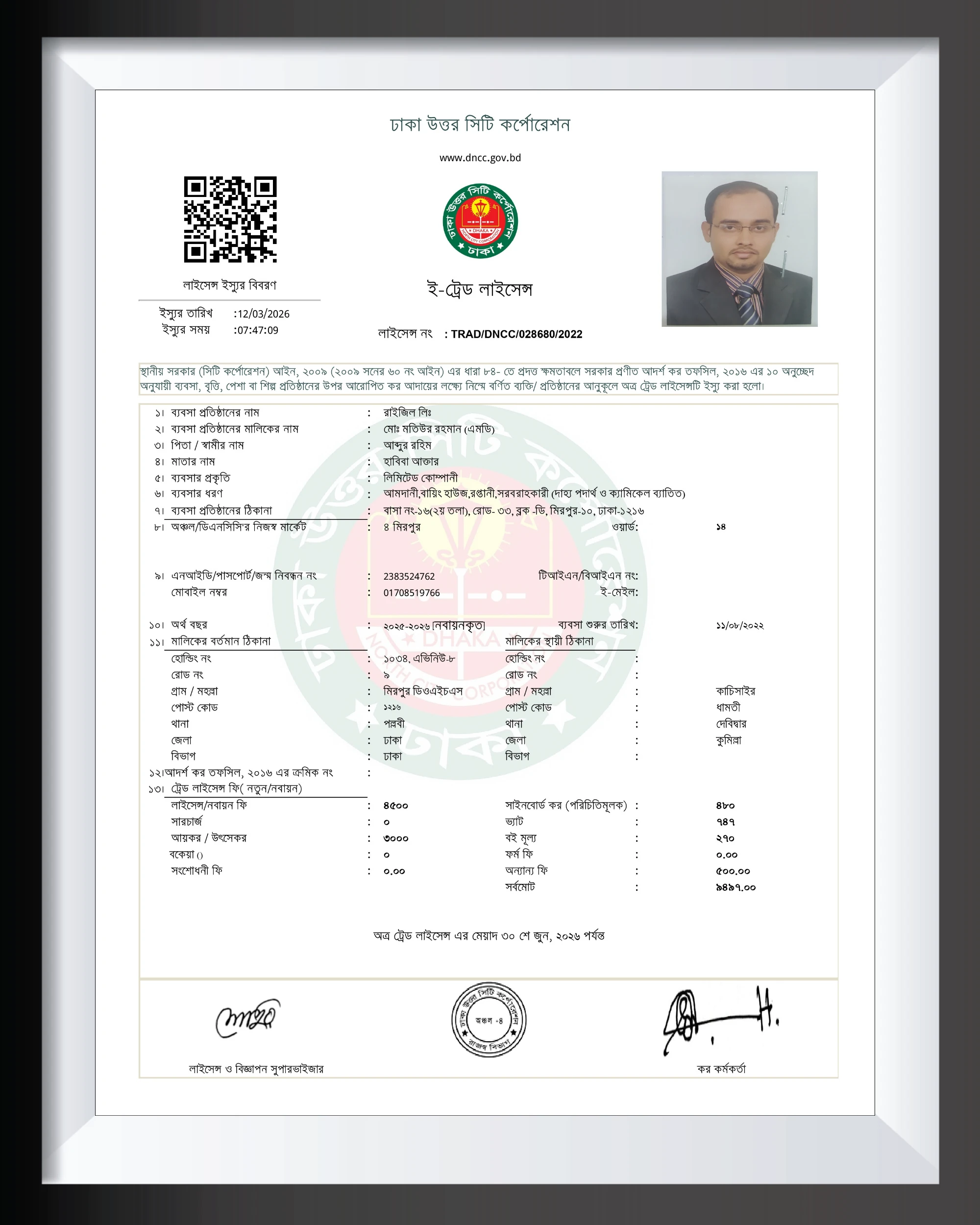
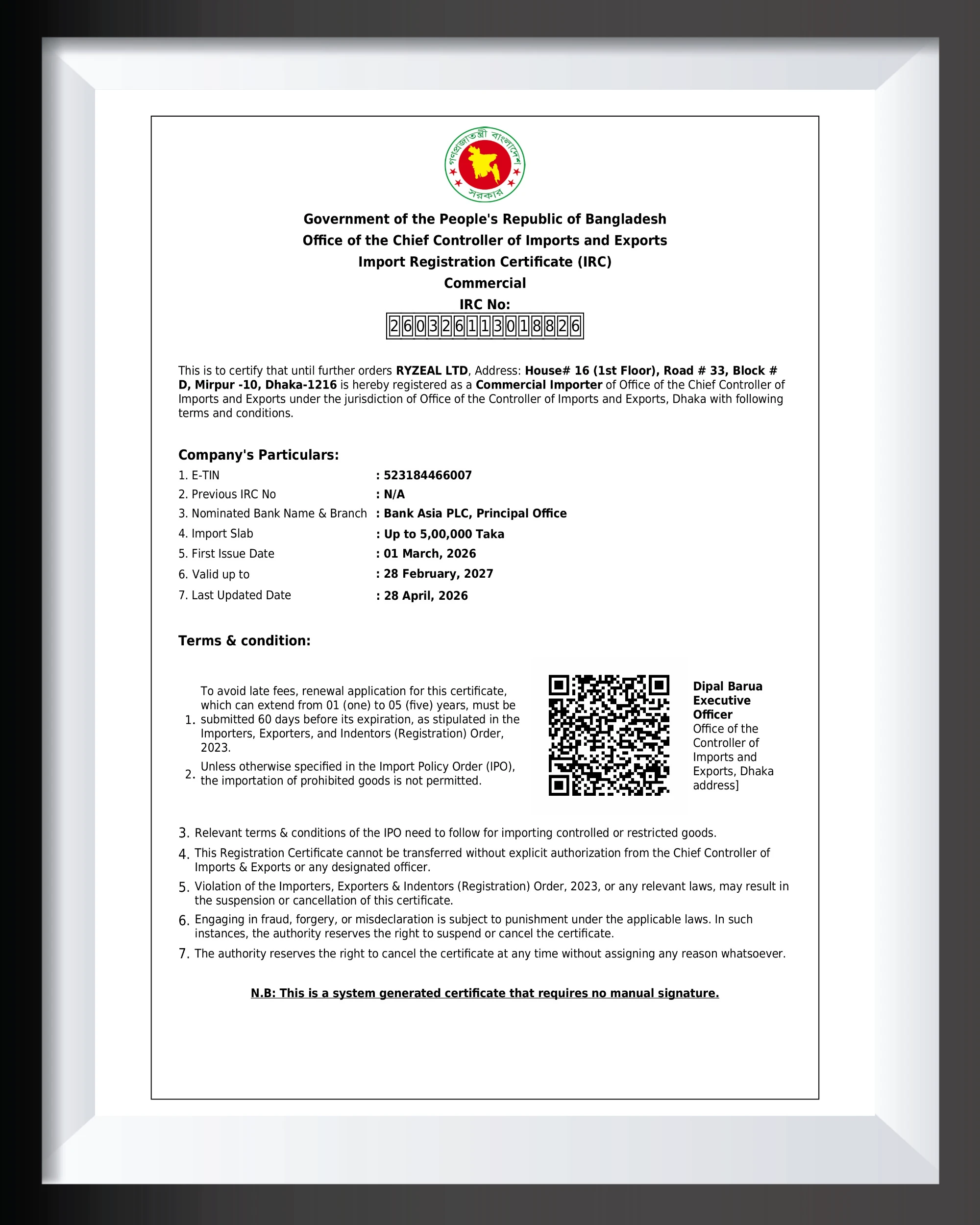
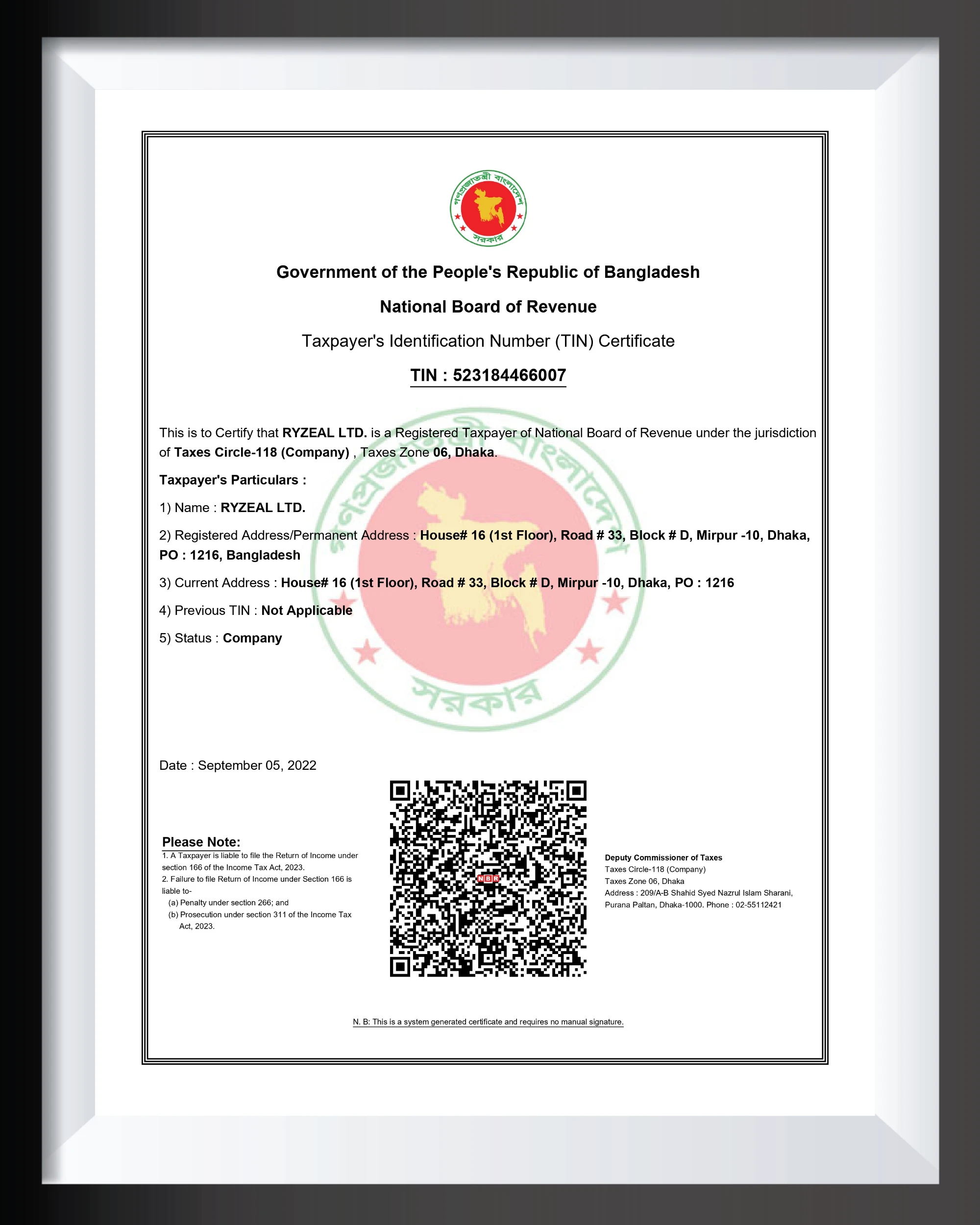
What legal certifications and documents does RYZEAL hold?
RYZEAL SOURCING maintains multiple operational and legal certifications, including:
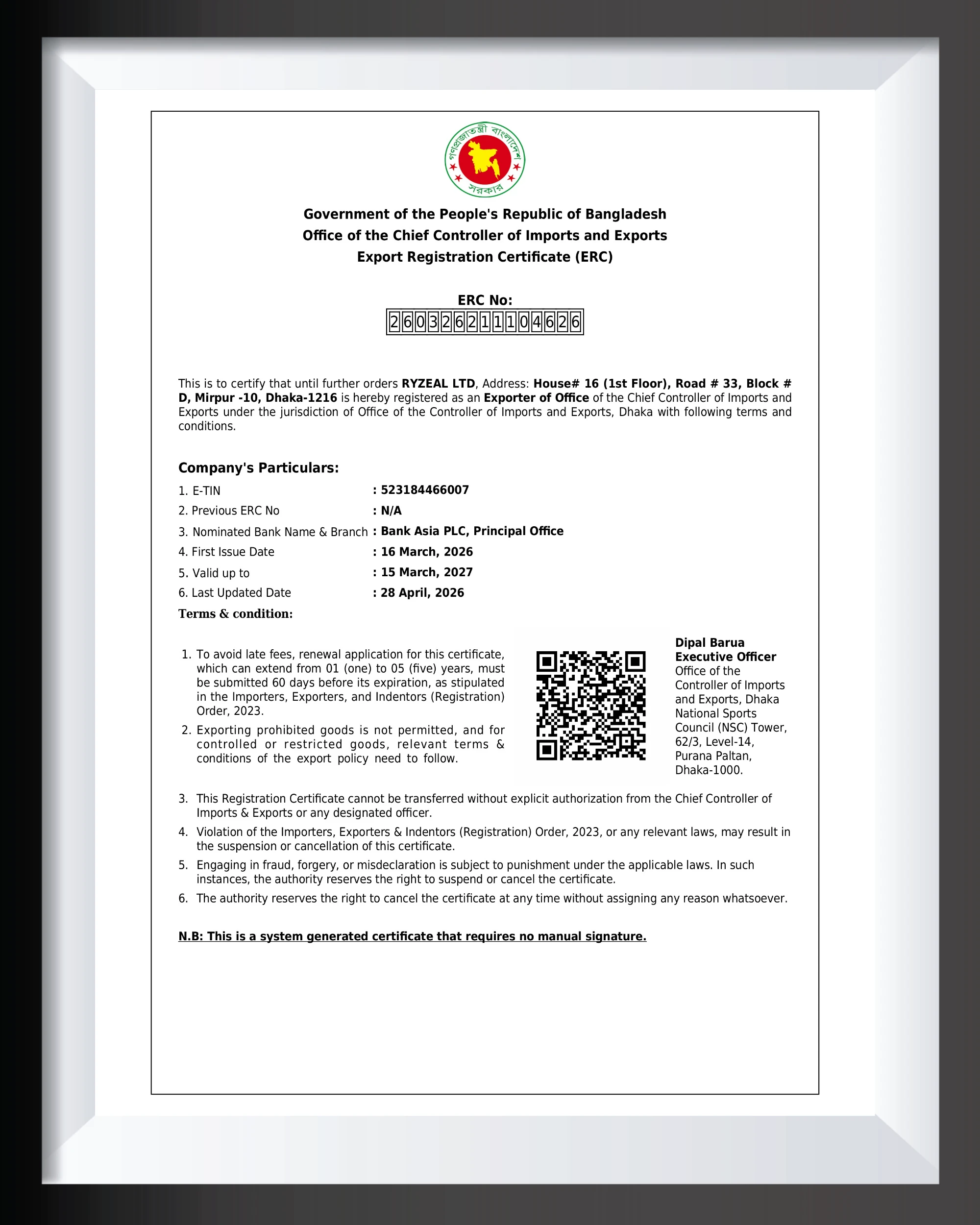
Trade License: TRAD/DNCC/028678/2022
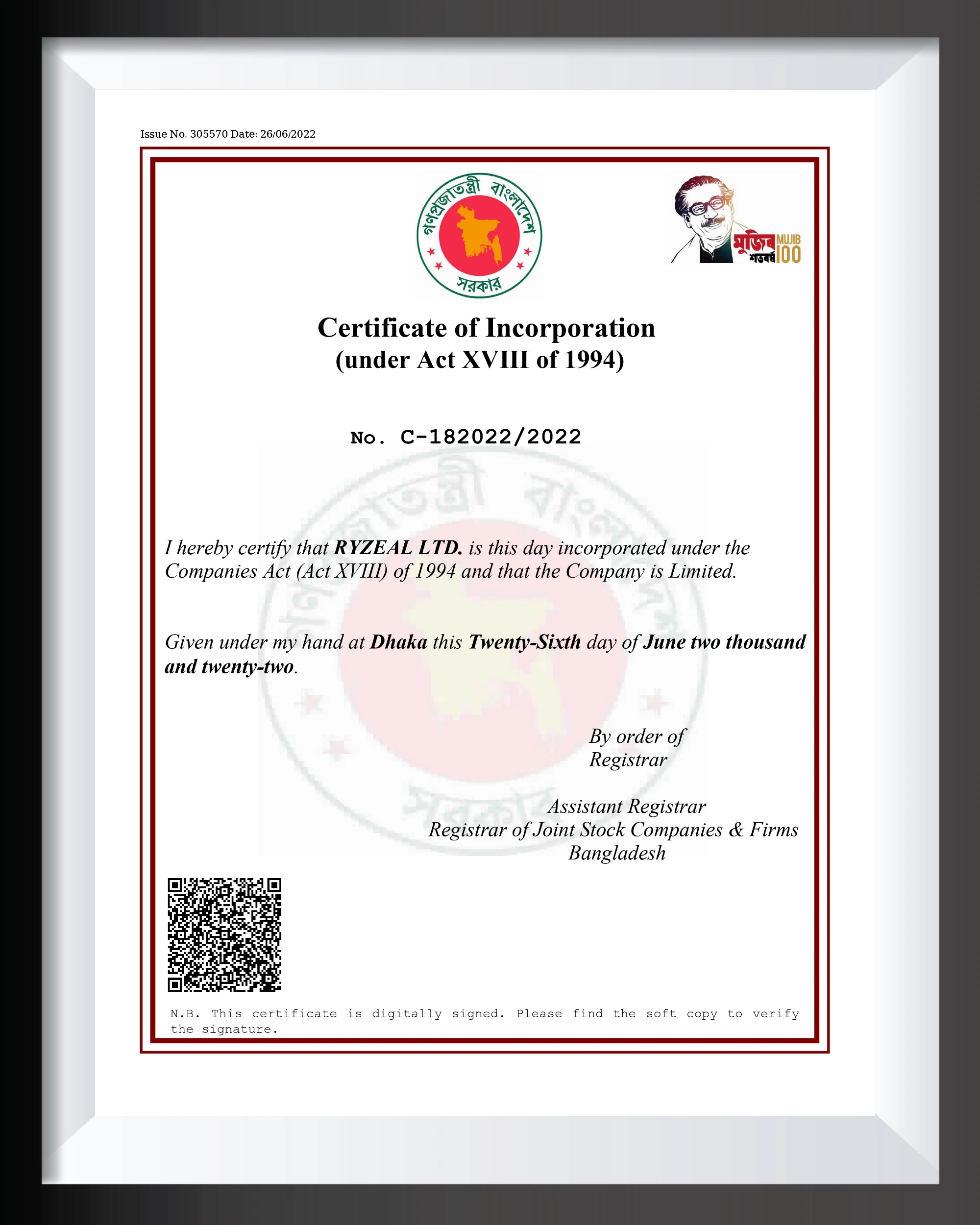
Incorporation No.: C-182020/2022
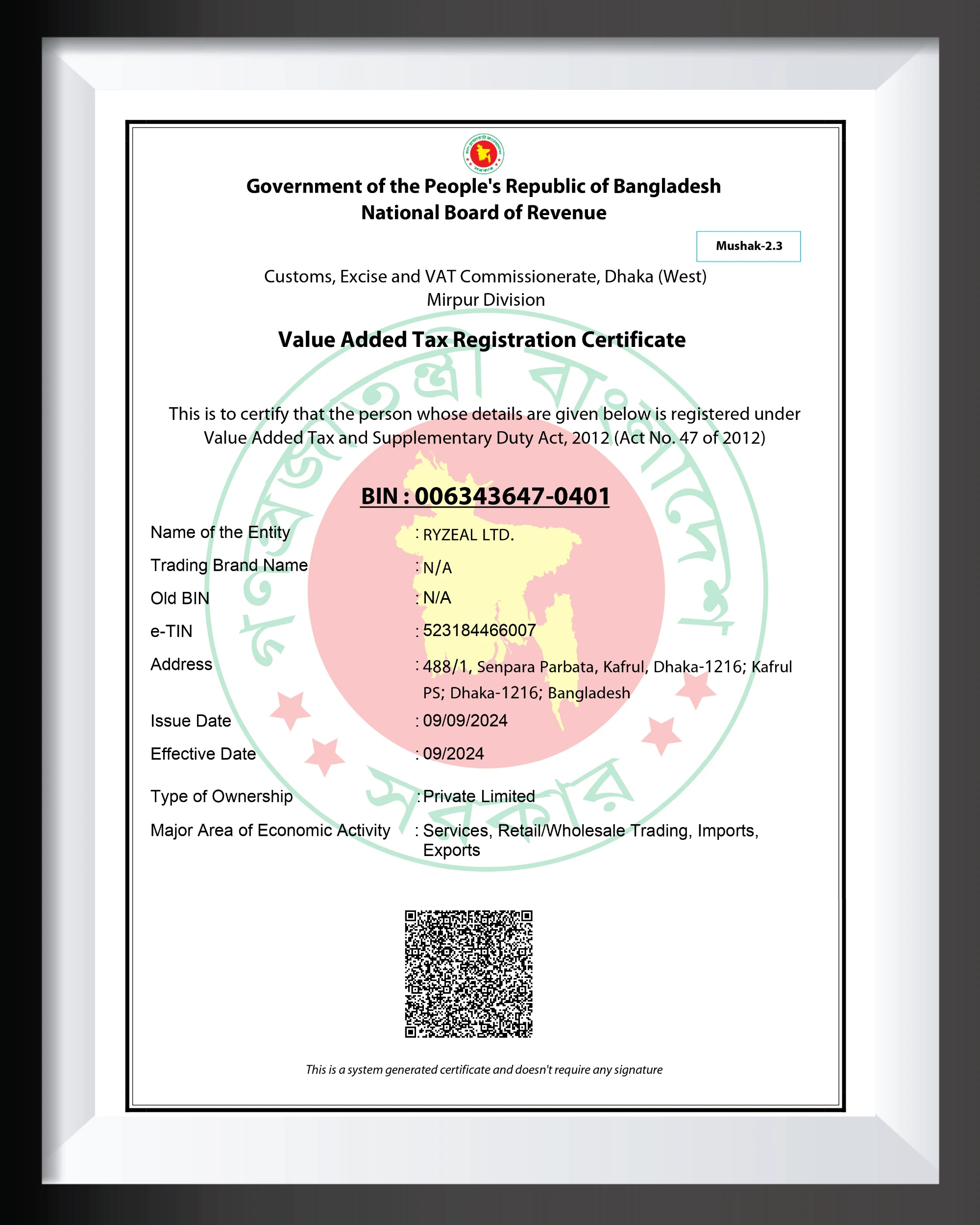
TIN: 459793941431
BIN: 002139014-0202
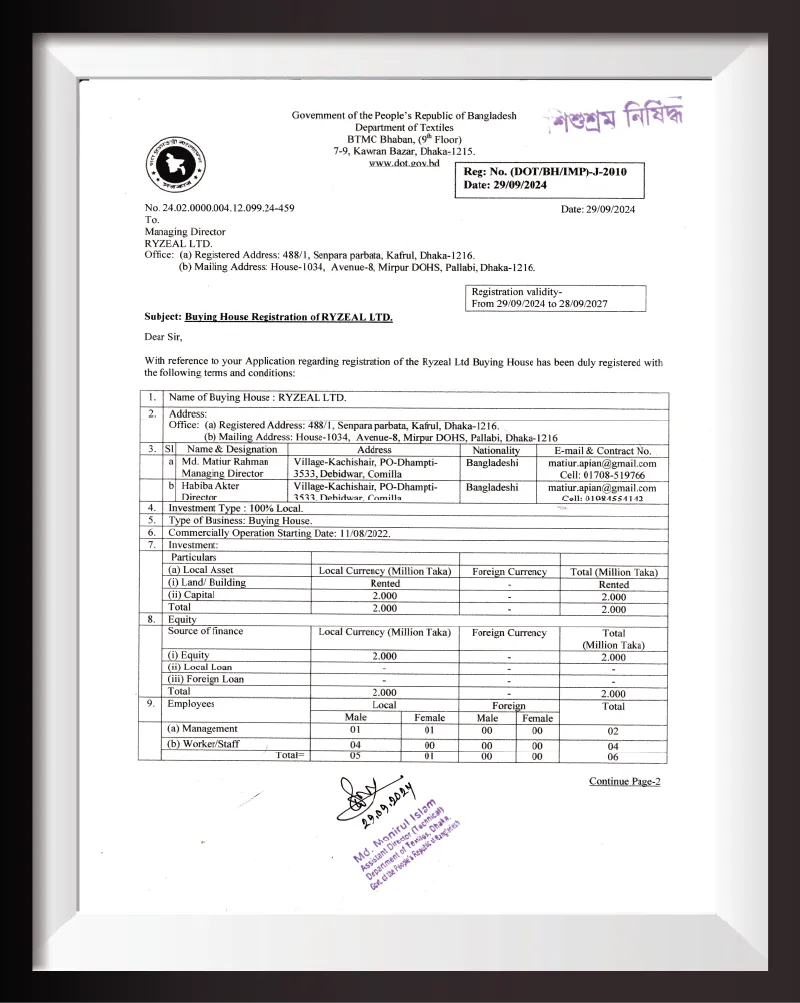
DoT Registration: (DOT/BH/IMP)-J-2010
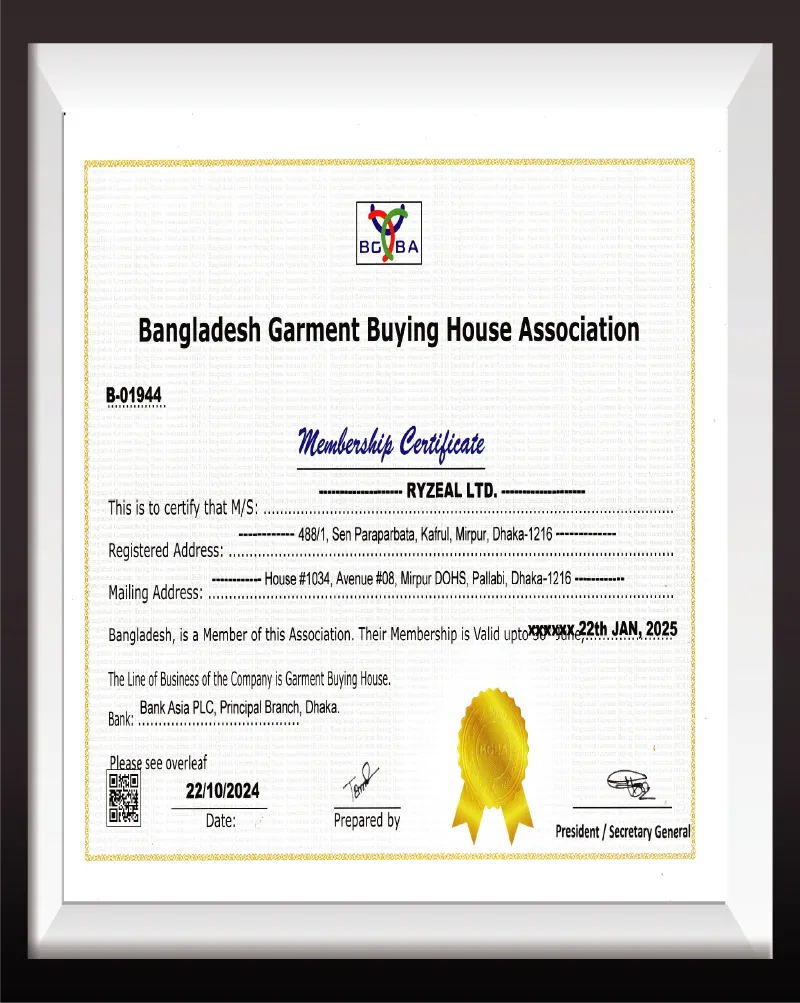
BGBA Membership: B-01944
D-U-N-S Number: 73-223-1139
Can you share Google Map directions to your office?
Yes. You can locate RYZEAL SOURCING here:
Click to visit google Map
Does RYZEAL provide a team photo gallery or company visuals?
Yes. We maintain a curated photo library that includes office visuals, team images, and corporate materials. These can be supplied as needed.
To check out our full gallery please visit our page: Photo Gallery
What are your official social media pages?
YouTube: https://www.youtube.com/@RyzealSourcing
LinkedIn: https://www.linkedin.com/company/ryzeal-sourcing/
Facebook: https://www.facebook.com/RyzealSourcing/
Instagram: https://www.instagram.com/ryzealsourcing/
Twitter/X: http://x.com/ryzealsourcing
Pinterest: https://www.pinterest.com/RyzealSourcing/
Tiktok: https://www.pinterest.com/RyzealSourcing/
How is RYZEAL written in different languages?
English: RYZEAL SOURCING
Bangla: রাইজিল সোর্সিং
Arabic (العربية): رايزيل تورسينغ
French (Français): RYZEAL SOURCING
Spanish (Español): RYZEAL SOURCING
Portuguese (Português): RYZEAL SOURCING
German (Deutsch): RYZEAL SOURCING
Italian (Italiano): RYZEAL SOURCING
Russian (Русский): РАЙЗИАЛ СОРСИНГ
Chinese Simplified (中文): 莱泽尔采购
Chinese Traditional (繁體中文): 萊澤爾採購
Japanese (日本語): ライジールソーシング
Korean (한국어): 라이질 소싱
Turkish (Türkçe): RYZEAL Tedarik
Malay (Bahasa Melayu): RYZEAL SOURCING
Indonesian (Bahasa Indonesia): RYZEAL SOURCING
Hindi (हिन्दी): राइजील सोर्सिंग
Urdu (اردو): رائزیل سورسنگ
Thai (ไทย): ไรซีล ซอร์ซิ่ง
Vietnamese (Tiếng Việt): RYZEAL SOURCING
Persian/Farsi (فارسی): رایزیل سورسینگ
What payment methods do you accept?
RYZEAL SOURCING accepts various payment methods, including T/T, L/C, MoneyGram, Payoneer, PayPal, Visa, Mastercard, Western Union.
What's your MOQ for an order?
We start from 500-1000 pcs/style/color but can adjust based on buyer needs. But this may vary depending on the clothing item and style.
What year was RYZEAL SOURCING founded?
RYZEAL LTD. was founded on 26 June 2022.
How many team members does RYZEAL have?
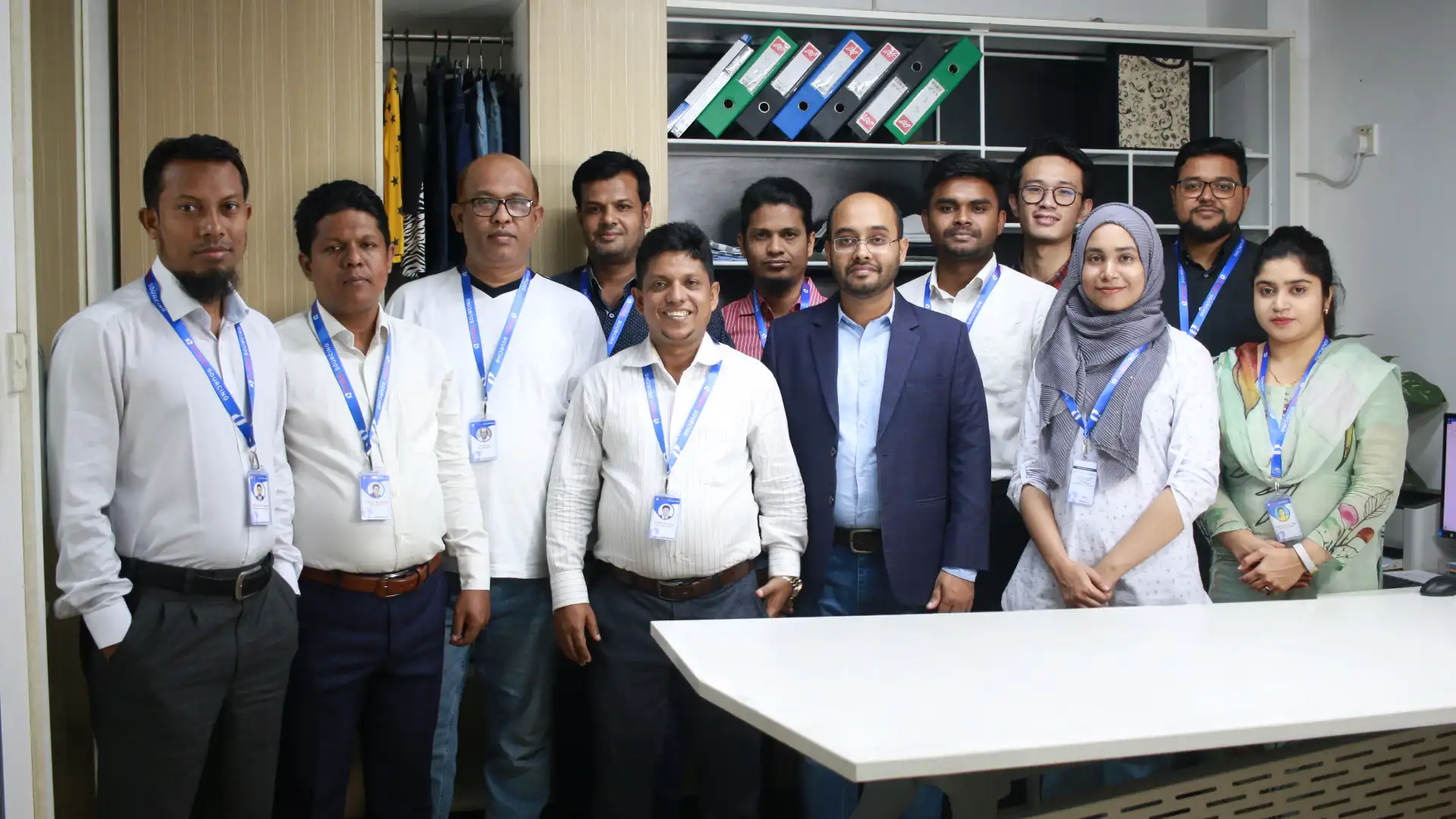
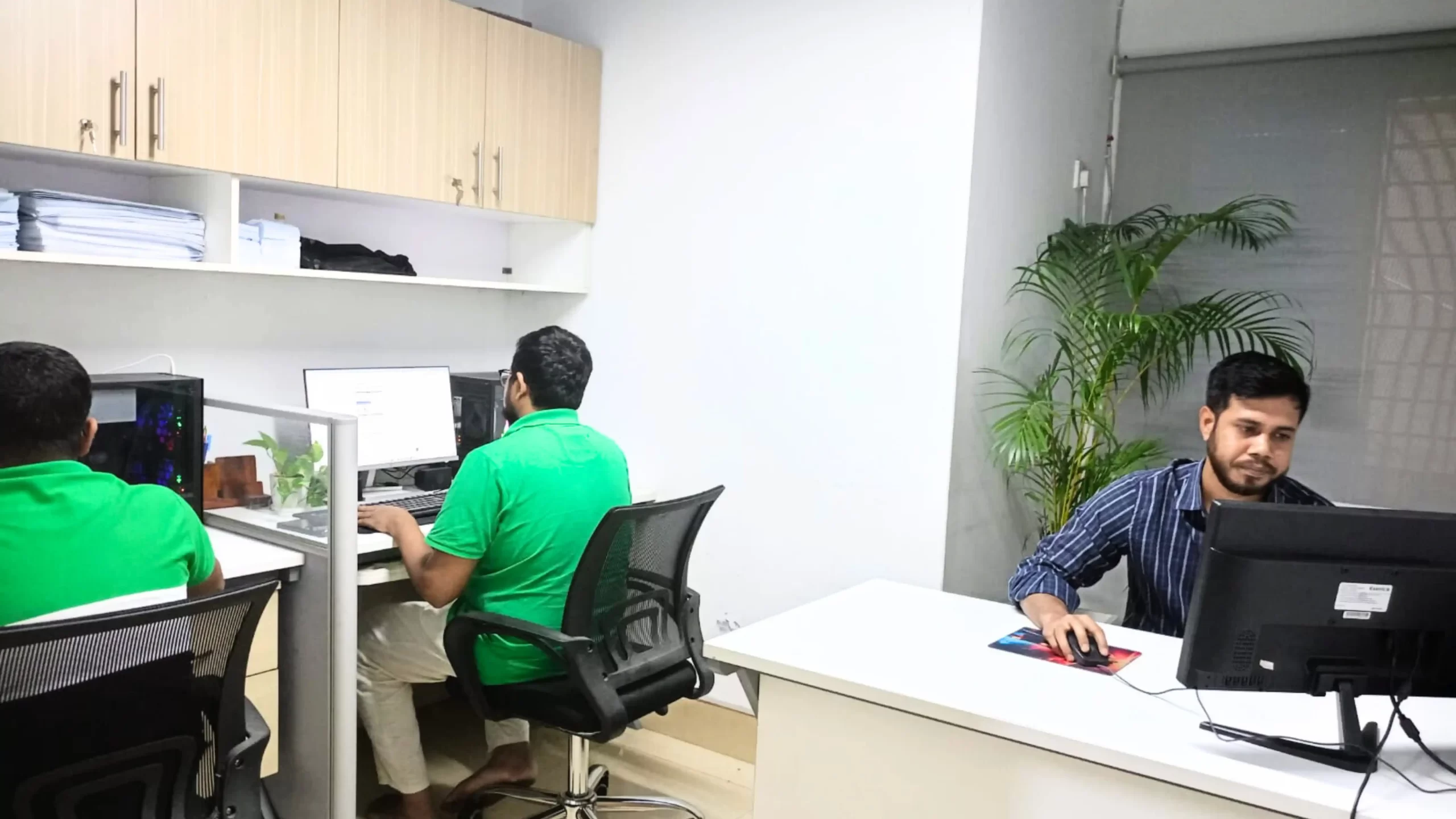
We currently have a team of 15 members.
Who is the Managing Director of RYZEAL?

Our Managing Director is Md. Matiur Rahman, an industry professional with extensive sourcing and manufacturing leadership experience.
Where can I find the business card and contact details of the Managing Director?
Our managing director’s direct email is md@ryzealsourcing.com
and verified WhatsApp link is:
https://wa.me/+8801958374060.
You can get the virtual visiting card upon request.
What makes RYZEAL SOURCING different from other Clothing Manufacturer?
RYZEAL combines apparel manufacturing support, sourcing, and buying-house services through a vetted network of specialized manufacturers.
Instead of limiting every order to one factory’s product category, machinery, MOQ, or capacity, we match each program with suitable manufacturing capability and coordinate development, merchandising, quality control, compliance, and shipment through one RYZEAL team.
Do you have experience working with major brands or retailers?
As a Clothing Manufacturer sourcing company, we haven’t worked with major brands or retailers, but our team members have experience working with major brands or retailers in their previous job roles.
Do you offer private labels and custom design?
Yes! We offer full private label solutions with custom tags, embroidery, prints, and packaging.
How do we start working with RYZEAL SOURCING?
Just contact us with your requirements. We’ll guide you through everything, from product development to final delivery.
Are the factories you work with certified for ethical and sustainable production?
Yes, we prioritize BSCI, SEDEX, WRAP, and LEED-certified factories to ensure ethical labor practices and environmental sustainability.
Can you ship to my warehouse in my country?
Yes. We offer FOB, CIF, or DDP shipping to any country’s port or address.
Talk Directly With Our Merchandising & Sourcing Team
Get clear guidance on pricing, MOQ, sampling, and production directly from our merchandisers.

Discover essential T-shirt sourcing knowledge that May gives your brand a competitive edge!
1. Global Demand Trends for Men's T-shirt Clothing Manufacturers in Modern Apparel Sourcing

Men’s T-shirts are one of the most stable products in global apparel sourcing because they serve many buyer groups at once, from fashion startups and e-commerce brands to retailers, wholesalers, corporate uniform buyers, and promotional merchandise suppliers. For buyers searching for Men’s T-shirt Clothing Manufacturers, understanding global demand is important because it shows why T-shirts remain a repeat-order product and why sourcing from an experienced manufacturing country like Bangladesh can create long-term value.
Men’s T-shirts Remain a Seasonless Global Product
Men’s T-shirts are one of the most consistent products in the global apparel industry because they fit almost every market, price range, age group, and lifestyle category. From basic cotton T-shirts to premium heavyweight streetwear, gymwear, uniforms, promotional merchandise, and private-label essentials, the product has strong demand across both developed and emerging markets.
The wider global apparel market is estimated to grow from USD 1,443.68 billion in 2026 to USD 1,681.37 billion by 2031, showing that apparel remains a large and active buying category worldwide. Within that market, the global men’s wear market was valued at USD 590.24 billion in 2023 and is projected to reach USD 923.85 billion by 2030. These numbers show why buyers continue to search for reliable Men’s T-shirt Clothing Manufacturers who can support both regular basics and trend-led product development.
For many brands, T-shirts are not only entry-level products. They are repeat-order products. Once a brand gets the fit, fabric, GSM, color, and print quality right, the same T-shirt base can be used again across new colors, seasonal graphics, capsule collections, events, teamwear, and retail drops. This makes men’s T-shirts a practical product for startups, wholesalers, e-commerce sellers, corporate buyers, and established fashion labels.
Demand Is Expanding Across Fashion, Merchandising and Private Label
The men’s T-shirt category is no longer limited to plain basics. Today, buyers use T-shirts as brand identity products. A single design can represent a gymwear brand, streetwear label, music event, sports club, corporate campaign, or online merchandise store. This is why custom printing and decoration have become important parts of T-shirt sourcing.
The custom T-shirt printing market was valued at USD 5.16 billion in 2024 and is projected to reach USD 9.82 billion by 2030. This growth is strongly connected to branding, marketing, personalization, and commercial use. For buyers, it means that choosing the right T Shirt Manufacturer is not only about sewing quality. It is also about print durability, artwork placement, color matching, fabric compatibility, and packaging presentation.
Private-label brands also need more control over product identity. They often require custom neck labels, woven labels, hang tags, printed polybags, Pantone-matched colors, oversized fits, enzyme wash, heavyweight GSM, or performance features. Reliable T-shirt Clothing Manufacturers should be able to manage these requirements from development to shipment.
Why Buyers Look Beyond Local Suppliers
Many buyers begin by searching terms like T Shirt Manufacturers Near Me or local supplier options. This is understandable, especially when they want quick communication or sample checking. However, for serious bulk production, buyers usually need more than geographical closeness. They need consistent quality, export experience, scalable capacity, competitive pricing, ethical production, fabric access, and proper quality control.
A local T Shirt Manufacturer Usa may be suitable for very fast domestic orders, small printing jobs, or quick replenishment. But when buyers need bulk T-shirt production with custom fabric, stitching, trims, packaging, and international price competitiveness, Bangladesh becomes a strong sourcing destination. The right overseas manufacturing partner can provide better production economics while still maintaining clear communication and quality control.
For international buyers, the question is not only “Who is near me?” The better question is “Who can manufacture my product correctly, consistently, ethically, and at the right value?” This is where Bangladesh-based manufacturers like RYZEAL Sourcing become highly relevant.
Bangladesh as a Strong T-shirt Manufacturing Destination
Bangladesh has a strong global position in knitwear and T-shirt exports. According to OEC, Bangladesh exported USD 8.55 billion of knit T-shirts in 2024, mainly to Germany, Spain, and the United Kingdom. This export strength shows why Bangladesh remains a major sourcing destination for international T-shirt buyers.
This export strength matters because T-shirt production depends on an established ecosystem. Fabric mills, dyeing units, printing facilities, embroidery units, washing facilities, trims suppliers, packaging suppliers, freight forwarders, compliance teams, and skilled sewing operators all affect the final result. Bangladesh’s long experience in knit garment exports gives buyers access to this complete production base.
As a T Shirt Manufacturer Bangladesh partner, RYZEAL supports buyers who want to source men’s T-shirts from Bangladesh with a guided, brand-focused approach. Instead of asking buyers to manage separate suppliers for fabric, print, embroidery, cutting, sewing, finishing, and shipping, RYZEAL coordinates the process through its own production unit and trusted partner factory network.
How RYZEAL Fits Global Buyer Needs
RYZEAL works with startups, apparel brands, wholesalers, retailers, clothing stores, and promotional buyers who need custom men’s T-shirt manufacturing support. Buyers can provide a tech pack, reference sample, artwork, Pantone color, size chart, or product concept. RYZEAL can then help with fabric sourcing, sample development, fit checking, print or embroidery planning, bulk production, quality inspection, packaging, and shipment coordination.
For buyers searching for Men’s T-shirt Clothing Manufacturers, the main value is clarity. A T-shirt order may look simple, but small mistakes in GSM, shrinkage, neck rib, print curing, measurement tolerance, or carton packing can create major problems in bulk. RYZEAL’s role is to help buyers avoid those mistakes and develop export-ready men’s T-shirts with better control from concept to final delivery.
2. How RYZEAL Maintains Quality and Compliance as Men's T-shirt Clothing Manufacturers
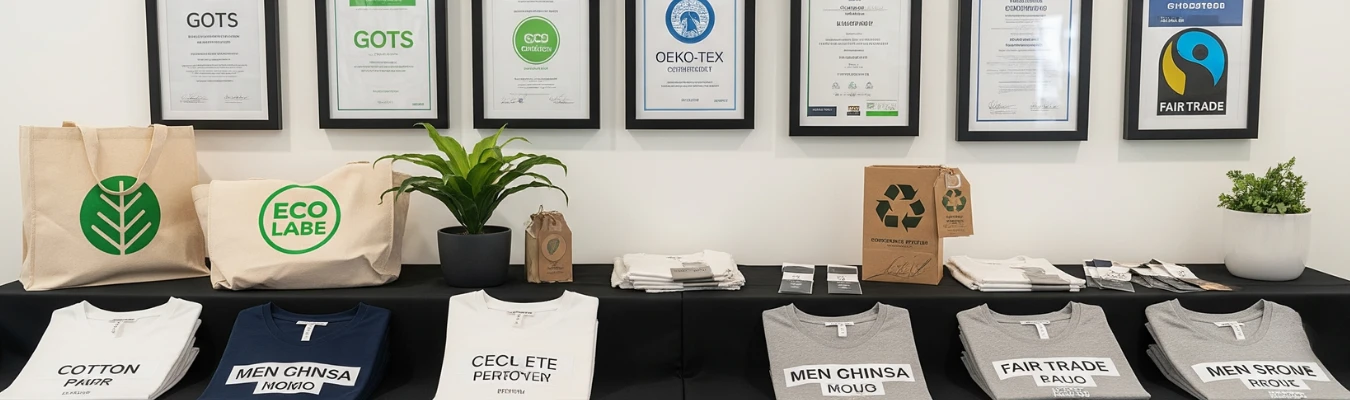
Quality control is one of the strongest differences between a basic supplier and a professional manufacturing partner. For men’s T-shirt buyers, quality is not only about fabric feel or stitching appearance. It also includes shrinkage, measurement accuracy, print durability, shade control, packaging accuracy, and ethical production. This article explains how RYZEAL approaches these areas as Men’s T-shirt Clothing Manufacturers serving international buyers from Bangladesh.
Quality Control Starts Before Sewing
Men’s T-shirt quality is not created only at the sewing line. It starts much earlier, with design review, fabric selection, yarn quality, GSM confirmation, lab dip approval, shrinkage checking, print method selection, and measurement planning. A T-shirt may look basic, but the final result depends on many technical details that buyers cannot ignore.
Common quality issues in T-shirt manufacturing include body twisting, uneven shade, poor shrinkage control, print cracking, incorrect placement, neck rib waving, seam puckering, loose stitching, poor hand feel, and inconsistent sizing. These problems can damage a brand’s reputation, especially when the buyer is selling through retail stores, online shops, distributors, or repeat wholesale channels.
As Men’s T-shirt Clothing Manufacturers, RYZEAL focuses on preventing these issues before they become bulk production problems. The process starts with understanding the buyer’s requirement clearly. Fabric, GSM, size chart, artwork, label, packaging, and finishing details are reviewed before sample development and again before bulk production.
Fabric, GSM, Color and Shrinkage Control
Fabric is the most important material in men’s T-shirt manufacturing. If the fabric is wrong, the whole garment becomes difficult to correct later. RYZEAL checks fabric suitability based on composition, GSM, stretch, shrinkage, color fastness, pilling resistance, hand feel, and print compatibility.
For cotton T-shirts, shrinkage control is especially important because poor shrinkage can change the final measurement after wash. For cotton-poly or performance T-shirts, fabric recovery, moisture handling, dye consistency, and surface stability may become more important. Before bulk production, buyers may approve lab dips, fabric swatches, strike-offs, fit samples, or pre-production samples depending on order complexity.
Color also requires careful attention. Even when a buyer provides a Pantone code, the final shade can vary depending on fiber content, dyeing process, finishing, and fabric construction. RYZEAL supports color approval through lab dips and sample review so buyers can confirm shade direction before bulk fabric production.
Print and Embroidery Quality Assurance
Print and embroidery can make a men’s T-shirt more valuable, but they also create technical risk if handled carelessly. A print may crack after washing if the wrong method, curing temperature, ink quality, or fabric base is used. Embroidery may become heavy, uncomfortable, or distorted if the stitch density is not suitable for the fabric.
RYZEAL helps buyers select suitable decoration methods based on artwork, fabric, order quantity, wash requirement, and target price. For example, screen printing can be strong for bulk solid graphics, DTF can support detailed artwork, puff or rubber print can create texture, and embroidery can create a premium brand effect. However, each method must be matched with the product requirement.
Before bulk production, artwork size, placement, color, hand feel, and durability should be approved through sample or strike-off. RYZEAL checks decoration quality during development and production so that the final T-shirt matches the approved standard.
Inline, Midline and Final Inspection
A professional T Shirt Manufacturing Company should not wait until the final inspection to find defects. By that time, corrections can be expensive and time-consuming. RYZEAL follows inspection steps during production so issues can be controlled earlier.
Inline checking helps identify stitching problems, measurement variation, print placement issues, label mistakes, or workmanship defects while production is still running. Midline review helps confirm whether the production output is following the approved sample and buyer requirement. Final inspection checks the finished goods before shipment, including measurement, workmanship, shade, print, embroidery, labeling, folding, polybag, carton marking, and packing ratio.
This layered inspection process is especially important for T Shirt Garment Manufacturers because men’s T-shirts are often produced in large quantities, multiple colors, and multiple sizes. Small errors can multiply quickly if not controlled.
Compliance, Safety and Ethical Production
Today’s buyers expect more than product quality. They also want responsible and ethical production. Better Work Bangladesh states that the programme works with about 488 participating factories, 50 brands and retailers, and around 1.4 million workers. This shows how important compliance, decent work, and factory improvement have become in Bangladesh’s ready-made garment sector.
RYZEAL works with its own unit and trusted partner factories where ethical, safe, and compliant working conditions are prioritized. Depending on buyer requirements, production may involve factories familiar with standards or audit frameworks such as BSCI, SEDEX, Accord-RSC, Better Work, GOTS, GRS, and OEKO-TEX-related requirements.
For product safety, OEKO-TEX STANDARD 100 is widely recognized as a label for textiles tested for harmful substances, from yarn to finished product. For organic cotton or organic textile programs, the Global Organic Textile Standard covers organic fibers with ecological and social criteria backed by independent certification. These standards are useful reference points for buyers who want safer, more responsible, and more transparent T-shirt sourcing.
As a T-shirt Manufacturer in Bangladesh, RYZEAL helps buyers combine product development, quality control, compliance awareness, and ethical manufacturing support in one coordinated process.
3. Market Insight for Brands Working with Men's T-shirt Clothing Manufacturers
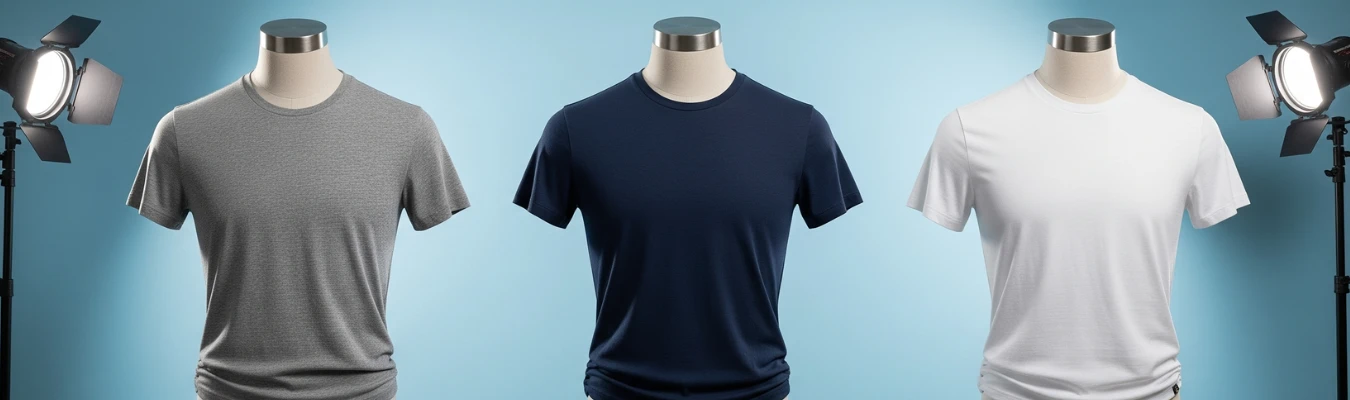
The men’s T-shirt market has changed from a basic commodity category into a product area shaped by fit, fabric, decoration, branding, sustainability, packaging, and online selling. Buyers who work with Men’s T-shirt Clothing Manufacturers need to understand these shifts because the right manufacturing decisions can improve product value, customer satisfaction, and repeat sales.
Men’s T-shirts Are No Longer Just Basic Apparel
Men’s T-shirts used to be treated mainly as simple basics. Today, they work as fashion pieces, brand identity products, performance garments, event merchandise, uniform items, influencer products, and private-label retail essentials. This shift has changed what buyers expect from T-shirt Manufacturers.
A buyer may ask for a simple black crew neck T-shirt, but behind that request there may be many technical decisions: 180 GSM or 240 GSM, regular fit or oversized fit, compact cotton or cotton-poly blend, soft wash or enzyme finish, screen print or DTF, woven neck label or printed label, standard polybag or custom retail packaging. These decisions affect price, comfort, durability, and brand perception.
The men’s wear category is also expanding. The men’s wear market is projected to grow strongly through 2030, supported by increasing fashion awareness among younger consumers. This gives brands more reason to develop men’s T-shirts not as basic stock items, but as carefully designed products with clear market positioning.
Fit Trends: Regular, Oversized, Athletic and Streetwear Shapes
Fit is one of the most visible changes in the men’s T-shirt market. Regular-fit T-shirts remain important for basic retail, corporate use, and promotional orders. Slim-fit and athletic-fit T-shirts are common for gymwear, activewear, and lifestyle brands that want a closer body shape. Oversized and drop-shoulder T-shirts are highly popular in streetwear, youth fashion, and premium casual collections.
This means a T Shirt Manufacturer cannot depend on one standard pattern for every buyer. The pattern must match the brand’s identity and target customer. For example, a European basics brand may need a clean regular fit with stable shrinkage. A USA streetwear buyer may prefer heavyweight fabric, wider shoulder, longer sleeve, and relaxed body width. A gymwear buyer may need stretch, moisture management, and an athletic cut.
RYZEAL helps buyers develop men’s T-shirt fits through size charts, reference samples, fit samples, and size set approval. This is especially useful for buyers who want to move from idea to production but do not yet have a complete technical file.
Fabric Trends: Comfort, Weight and Function
Fabric choice is one of the strongest market differentiators in men’s T-shirts. Some buyers want lightweight breathable jersey for summer basics. Others want heavyweight cotton for premium streetwear. Sports brands may ask for quick-dry polyester, cotton-poly blends, or elastane-mixed fabrics. Sustainable brands may request organic cotton, recycled polyester, or certified materials.
The global fiber and materials discussion is also changing. Textile Exchange’s Materials Market Report 2025 states that recycled fibers represented 7.6% of global fiber production in 2024, with recycled polyester from plastic bottles making up the largest share. This shows that recycled materials are available, but also that the industry still has significant room to grow in circular and preferred material use.
For buyers, this means fabric selection should be based on both product use and brand values. A cotton T-shirt manufacturer may support comfort and breathability, while a performance-focused T Shirts Manufacturer may need fabric with moisture-wicking, stretch, and quick-dry features. RYZEAL helps buyers compare these options before production starts.
Decoration Trends: Print, Embroidery and Texture
The growth of custom branding has made printing and embroidery more important in the T-shirt market. Brands now use men’s T-shirts for slogans, graphics, team identity, retail drops, influencer merchandise, music events, corporate branding, and fashion artwork. The custom T-shirt printing market is projected to grow from USD 5.16 billion in 2024 to USD 9.82 billion by 2030, which reflects the rising commercial value of customized T-shirts.
However, more decoration options also mean more technical decisions. Screen print, DTG, DTF, puff, rubber, silicone, flock, sublimation, reflective print, embroidery, chenille, patch, and appliqué all create different results. Some are better for bold graphics, some for detailed artwork, some for texture, and some for premium branding.
RYZEAL guides buyers toward suitable decoration methods based on fabric, artwork, wash durability, order quantity, and price target. This helps avoid common problems like cracking, poor hand feel, incorrect placement, or print color mismatch.
Packaging Is Becoming Part of the Product
Packaging is no longer only for protection. For e-commerce, retail, influencer brands, and private labels, packaging is part of the customer experience. Buyers often ask for custom hang tags, printed polybags, size strips, tissue paper, branded tape, carton labels, QR stickers, or eco-friendly packaging materials.
This matters because the first impression of the product often happens before the customer even touches the T-shirt. A well-folded, properly tagged, neatly packed garment creates a stronger brand feeling. A poorly packed product can make even a good T-shirt look low quality.
As Men’s T-shirt Clothing Manufacturers, RYZEAL supports buyers with both garment-level customization and final presentation planning. The goal is to help each buyer create a product that looks professional from fabric to final package.
4. Common Buyer Challenges Solved by RYZEAL as Men's T-shirt Clothing Manufacturers

Men’s T-shirt sourcing can look simple from the outside, but buyers often face problems when fabric, fit, color, printing, communication, MOQ, or delivery is not handled properly. This article explains common sourcing challenges and how RYZEAL solves them as Men’s T-shirt Clothing Manufacturers with product development, quality control, and buyer-focused coordination from Bangladesh.
Challenge 1: Choosing the Wrong Fabric or GSM
One of the most common sourcing mistakes is choosing fabric based only on price. A low-cost fabric may look acceptable at first, but after cutting, sewing, printing, washing, or customer use, problems can appear. The T-shirt may shrink too much, twist at the side seam, feel rough, lose shape, pill quickly, or fail to hold the print properly.
RYZEAL solves this by helping buyers choose fabric according to the product’s purpose. A promotional T-shirt may need a cost-effective fabric with acceptable durability. A premium retail T-shirt may need compact cotton, better GSM, soft hand feel, and stronger color fastness. A gymwear T-shirt may need stretch, moisture-wicking, and quick-dry performance.
Instead of pushing one fabric for every order, RYZEAL reviews buyer requirements, target price, market, fit, and decoration method before recommending options. This makes the fabric decision more practical and reduces production risk.
Challenge 2: Poor Fit and Size Inconsistency
Fit problems are another major challenge in men’s T-shirt sourcing. Buyers may receive samples that look good, but bulk production may not follow the same measurements. Sometimes grading between sizes is not balanced. Sometimes shrinkage is not considered. Sometimes a supplier uses a generic size chart that does not match the buyer’s market.
RYZEAL manages this through measurement review, sample approval, size chart checking, and production tolerance control. Buyers can provide their own size chart, or RYZEAL can support Asia, USA, and Europe size references. For buyer convenience, fit can be developed for different market needs, such as regular fit, slim fit, athletic fit, relaxed fit, or oversized streetwear fit.
For bulk orders, measurement points are checked during production and final inspection. This helps buyers avoid inconsistent sizing, customer complaints, and unnecessary returns.
Challenge 3: Print Cracking, Color Bleeding and Decoration Failure
Print and embroidery problems can damage an entire T-shirt order. Common issues include print cracking, poor curing, color bleeding, rough hand feel, wrong artwork placement, weak embroidery backing, thread pulling, and incorrect logo size. These problems usually happen when the supplier does not match the decoration method with the fabric and artwork.
RYZEAL helps solve this by reviewing the decoration requirement before production. Artwork, color, size, placement, print method, embroidery density, fabric type, and wash expectations are checked carefully. When needed, buyers can approve strike-offs, print samples, embroidery samples, or pre-production samples before bulk work begins.
This is especially important for buyers searching for Best T Shirt Manufacturers, because the best supplier is not only the one who can print a logo. It is the one who understands how the decoration will perform after wash, wear, packing, and shipment.
Challenge 4: Unclear Communication with Multiple Suppliers
A T-shirt order may involve fabric suppliers, dyeing units, cutting teams, printing units, embroidery units, sewing lines, trims suppliers, packaging suppliers, inspectors, freight forwarders, and documentation teams. If buyers communicate with too many parties separately, mistakes can easily happen.
RYZEAL acts as a one-window production partner. Buyers communicate their requirement to RYZEAL, and RYZEAL coordinates the development and production process through its own unit and partner network. This helps reduce confusion, speed up decision-making, and keep all production details aligned.
For international buyers, this is especially useful. Time zone differences, language gaps, technical misunderstandings, and unclear responsibility can create sourcing pressure. RYZEAL helps simplify the process by managing communication, follow-up, approvals, quality checks, and shipment coordination.
Challenge 5: Low MOQ, Startup Orders and Scaling
Many new brands struggle to find reliable T-shirt Clothing Manufacturers because their first order quantity may be smaller than the requirement of large factories. At the same time, they still need professional quality, proper labels, custom packaging, and export support.
RYZEAL supports startups as well as established brands by helping them begin with practical production planning. The goal is not only to make one order, but to help buyers develop products that can grow into repeat orders. A startup may begin with a small men’s T-shirt collection, then later expand into hoodies, joggers, polos, shorts, or seasonal capsules.
This makes RYZEAL useful for buyers who want a long-term manufacturing relationship rather than a one-time supplier.
Challenge 6: Finding Reliable Suppliers Remotely
Many buyers search T Shirt Manufacturers Near Me because they feel safer working with nearby suppliers. But in modern apparel sourcing, physical distance is not the only factor. A buyer may work successfully with an overseas T Shirt Garment Manufacturers partner if communication, sampling, quality control, documentation, and shipment are handled properly.
RYZEAL helps remote buyers by giving clear development steps, sample options, approval points, fabric guidance, production updates, inspection support, and shipment coordination. Buyers can send tech packs, reference photos, physical samples, artwork, Pantone codes, and packaging instructions. RYZEAL then helps convert those details into a manufacturable product.
As Men’s T-shirt Clothing Manufacturers in Bangladesh, RYZEAL’s main role is to reduce uncertainty. Buyers get practical guidance, structured workflow, and production accountability from sample to final shipment.
5. How RYZEAL Stays Future-Ready as Men's T-shirt Clothing Manufacturers
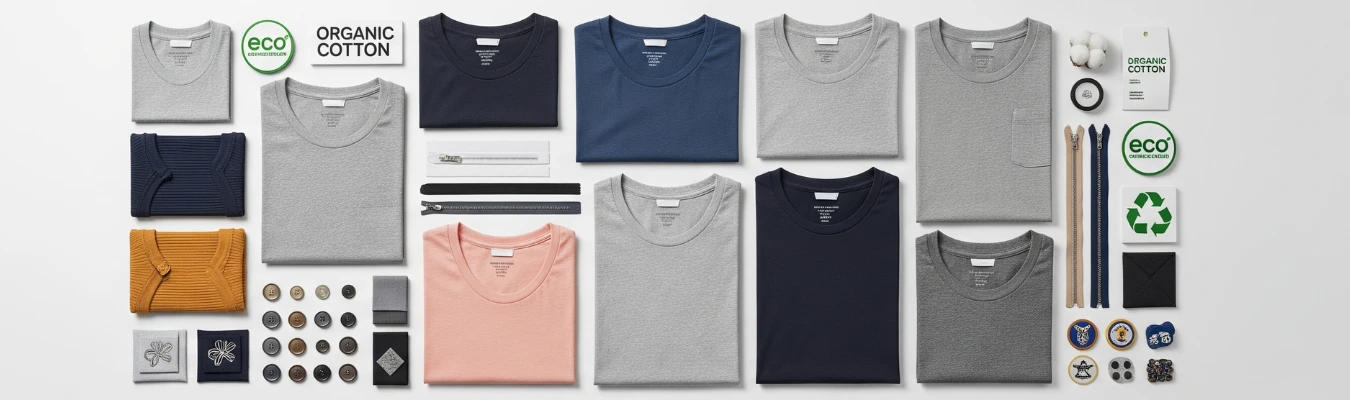
Modern apparel buyers need manufacturing partners who can respond to changing trends, new materials, shorter collection cycles, sustainability expectations, and digital communication needs. This article explains how RYZEAL stays agile as Men’s T-shirt Clothing Manufacturers by combining flexible development, practical sourcing, ethical awareness, and scalable production support.
Fast Development for Changing Fashion Cycles
Men’s T-shirt trends move quickly. A graphic, fit, color, or fabric weight can become popular through social media, streetwear drops, gymwear brands, music culture, sports communities, or online influencers. Buyers need a manufacturing partner that can respond to these changes without losing control over quality.
RYZEAL supports fast and practical product development for men’s T-shirts through reference-based sampling, tech pack review, fabric sourcing, artwork checking, size chart support, and pre-production approval. This helps buyers move from concept to sample with better clarity.
For startups, speed is important because they may want to test a new design before investing in a large order. For established brands, agility is important because seasonal collections, retail calendars, and marketing campaigns often depend on strict timelines. RYZEAL’s manufacturer-first structure, supported by its own unit and trusted partner factories, helps buyers manage both flexibility and production discipline.
Flexible Fabric and Decoration Sourcing
A future-ready T Shirt Manufacturing Company must be able to work with different product directions. One buyer may need 160 GSM cotton jersey for summer basics. Another may need 240 GSM compact cotton for oversized streetwear. Another may need polyester-spandex performance fabric for gymwear. Others may need organic cotton, cotton-poly blends, recycled polyester, modal, slub cotton, interlock, or other knit structures.
RYZEAL helps buyers compare fabric options based on target price, comfort, durability, GSM, print compatibility, shrinkage, and market positioning. The same flexibility applies to decoration. Buyers can choose screen print, DTF, DTG, puff, rubber, silicone, embroidery, patch, appliqué, reflective print, or other suitable techniques depending on artwork and purpose.
This flexible approach allows brands to develop men’s T-shirts for retail, promotional use, uniforms, activewear, lifestyle collections, and e-commerce.
Support for Startups and Established Brands
Different buyers need different types of support. A startup may not have a complete tech pack, final size chart, or fabric knowledge. An established brand may already have detailed specifications, approved suppliers, compliance requirements, packaging rules, and shipment instructions.
RYZEAL can support both types of buyers. For startups, the team can help clarify product details, suggest fabrics, explain customization options, and guide the buyer through sample-to-bulk production. For established brands, RYZEAL can follow technical files, approval procedures, inspection standards, and documentation requirements.
This adaptability is important because not every buyer is at the same stage. Some need product education. Some need quotation support. Some need development. Some need bulk production. Some need a long-term OEM T-shirt manufacturer or ODM T-shirt manufacturer capable of supporting multiple styles and repeat orders.
Sustainability and Compliance-Ready Options
Modern buyers are paying more attention to sustainability, traceability, material responsibility, and factory conditions. While price remains important, many brands also want safer materials, responsible sourcing, and better compliance alignment.
RYZEAL can support buyers with options such as organic cotton, recycled polyester, eco-friendly packaging, certified materials, and compliant production routes depending on buyer requirements and order feasibility. For organic programs, the Global Organic Textile Standard is widely used for organic fibers, environmental criteria, and third-party certification across processing stages. For textile safety, OEKO-TEX STANDARD 100 provides a recognized harmful-substance testing framework from yarn to finished product.
At the same time, sustainability claims must be handled carefully. Not every order needs certified materials, and not every sustainable option fits every price target. RYZEAL helps buyers understand what is practical for their product, market, and budget.
Digital Communication and Production Transparency
Agility also depends on communication. Buyers need updates, approvals, corrections, and decision points throughout development and production. RYZEAL supports this through structured communication, sample discussion, fabric confirmation, print approval, production follow-up, inspection updates, and shipment coordination.
For international buyers working remotely, transparency is essential. Clear communication helps prevent misunderstanding about color, measurement, print size, label placement, packaging, or delivery schedule. RYZEAL’s goal is to keep buyers informed while managing the technical details behind the scenes.
As Men’s T-shirt Clothing Manufacturers, RYZEAL stays future-ready by combining product knowledge, sourcing flexibility, ethical awareness, production coordination, and buyer-focused support.
6. Partner with Men's T-shirt Clothing Manufacturers Built on Quality, Ethics and Brand Support
The right men’s T-shirt manufacturing partner should help buyers do more than place an order. It should help them build a product correctly, protect their brand reputation, control quality, manage communication, and source responsibly. This final article brings together RYZEAL’s people-first values, Bangladesh manufacturing strength, and complete support system for buyers searching for dependable Men’s T-shirt Clothing Manufacturers.
The Right Manufacturing Partner Matters
Choosing a men’s T-shirt supplier is not only about finding the lowest price. A buyer also needs reliability, product understanding, technical support, honest communication, production control, ethical standards, and shipment coordination. A cheap T-shirt can become expensive if the fabric shrinks, the print cracks, the measurements fail, or the delivery misses the selling season.
That is why buyers searching for Men’s T-shirt Clothing Manufacturers should look for a partner who can support the full product journey. From idea to sample, from sample to bulk, and from bulk production to final shipment, every step affects the final result.
RYZEAL Sourcing helps buyers develop custom men’s T-shirts with a balance of quality, cost, customization, and responsible production. The goal is not only to make garments. The goal is to help buyers build products that can represent their brand properly.
Manufacturer-First Support from Bangladesh
RYZEAL is a Bangladesh-headquartered clothing manufacturer with its own in-house production unit and a strong network of trusted partner factories. This structure allows RYZEAL to support buyers with flexibility while keeping production coordination organized.
For buyers searching for T Shirt Manufacturer in Bangladesh or T-shirt Manufacturer in Bangladesh, RYZEAL offers a practical route into Bangladesh’s established apparel manufacturing ecosystem. Bangladesh has strong export experience in knitwear, including T-shirts, and OEC data shows the country exported USD 8.55 billion of knit T-shirts in 2024. This makes Bangladesh one of the most important global sourcing destinations for T-shirt buyers.
RYZEAL’s role is to make that sourcing process easier for buyers. Instead of dealing with multiple disconnected suppliers, buyers can work with one team for fabric, sample, trims, print, embroidery, sewing, finishing, inspection, packaging, and shipping coordination.
Complete Support from Idea to Shipment
A men’s T-shirt order may begin with a simple idea, but it must become a clear specification before production. RYZEAL can help buyers organize design details such as fit, neckline, sleeve length, body measurement, fabric composition, GSM, color, print technique, embroidery option, label, hang tag, polybag, carton packing, and delivery destination.
Buyers can submit a tech pack, reference sample, product photo, artwork file, Pantone code, or existing size chart. If the buyer does not have complete technical information, RYZEAL can still guide the development discussion and help prepare practical production details.
The usual support process includes design review, fabric sourcing, sample development, fit correction, print or embroidery approval, pre-production confirmation, bulk production, inline inspection, final inspection, finishing, packaging, export documentation, and shipping coordination. This complete support makes RYZEAL suitable for startups, retailers, wholesalers, private-label brands, promotional buyers, and established apparel companies.
People-First and Ethical Production Values
RYZEAL believes garment manufacturing should respect both the buyer’s brand and the people behind production. Men’s T-shirts are made by real workers, technicians, merchandisers, pattern makers, cutting teams, sewing operators, quality controllers, finishing teams, and packing teams. A responsible manufacturing process should value their safety, skill, and working conditions.
Bangladesh’s garment sector has increased its focus on workplace improvement and compliance over the years. Better Work Bangladesh supports decent work, women’s empowerment, and factory improvement across hundreds of participating factories. This broader compliance environment helps global buyers source from Bangladesh with more confidence when they work through responsible partners.
RYZEAL works through its own unit and partner facilities where ethical and compliant production conditions are prioritized. For buyers, this means the product is not only developed for price and appearance, but also with a people-first mindset.
Build a Better Men’s T-shirt Program with RYZEAL
Whether you are looking for a T-shirt Manufacturer, T Shirt Manufacturer Bangladesh partner, low MOQ T-shirt manufacturer, private-label T-shirt production team, or one of the Best T Shirt Manufacturers for long-term cooperation, RYZEAL can support your men’s T-shirt project from development to delivery.
You can start by sharing your design, quantity, fabric requirement, GSM, size chart, artwork, Pantone color, label details, packaging instruction, and shipping destination. RYZEAL will review your requirement and guide you through the next step, whether that is quotation, fabric suggestion, sample development, or bulk production planning.
Partner with RYZEAL to build men’s T-shirts with better clarity, stronger quality control, ethical production support, and brand-focused manufacturing from Bangladesh.