Click and Jump On The Desired Topic
- Customization Options for Sweatpants
- Sweatpants Manufacturing Process & Workflow
- Frequently Asked Questions for Sweatpants
- Sweatpants Design Collections
- Request for Sweatpants Quotation
- About RYZEAL SOURCING
- Our Services
- Why Choose Us
- Certifications & Compliance Standard
- Frequently Asked Questions About RYZEAL
- Talk Directly With Our Manufacturing Expert Team
- Google Map Location
- Sweatpants Sourcing Knowledge (Articles)
Custom Sweatpants Manufacturer For Men, Women And Kids Based Clothing Brands
Sweatpants have developed from simple lounge bottoms into a broad category covering tapered joggers, heavyweight streetwear, open-hem fleece pants, wide-leg women’s styles, cargo sweatpants, stacked silhouettes, teamwear, schoolwear, merchandise, and children’s casual clothing.
As a Bangladesh-based Sweatpants Manufacturer, RYZEAL SOURCING develops custom products around the intended wearer, fabric, rise, waistband, leg shape, inseam, pockets, decoration, finishing, and retail position.
Buyers can customize men’s, women’s, and children’s sweatpants with different fits, fleece constructions, elastic waistbands, drawcords, pocket systems, cuffs, colors, prints, embroidery, washes, labels, and packaging. RYZEAL coordinates development from the initial design and material selection through sampling, bulk production, inspection, packing, and shipment preparation.
Customization Options For Men’s, Women’s And Children’s Sweatpants
Sweatpants must remain comfortable through sitting, walking, bending, stretching, and repeated laundering. Their quality depends on the relationship among the waistband, rise, hip, seat, thigh, knee, inseam, leg opening, pockets, fabric recovery, and intended silhouette.
RYZEAL begins by identifying whether the product is intended for leisurewear, streetwear, gym use, travel, school, sports teams, promotional merchandise, premium retail, or coordinated clothing sets. A relaxed lounge pant requires different proportions from a tapered athletic jogger, wide-leg women’s product, or children’s stacked style.
Buyers may customize:
- Regular, slim, relaxed, baggy, oversized, or stacked fits
- Straight, tapered, cuffed, flared, or wide-leg silhouettes
- Low-rise, mid-rise, or high-rise waist construction
- Elastic waistbands with internal or external drawcords
- Open hems, rib cuffs, elastic cuffs, or adjustable openings
- Side-seam, welt, patch, zipped, cargo, or back pockets
- Standard, tall, petite, cropped, or extra-long inseams
- Gussets, knee panels, side panels, piping, or stripes
- Screen printing, transfers, embroidery, appliqué, and patches
- Garment dyeing, pigment washing, fading, and vintage finishing
- Woven labels, heat-transfer labels, hangtags, and retail packaging
The buyer may provide a technical pack, sample garment, measurement chart, artwork, sketch, mood board, or general product idea. RYZEAL reviews the request for fit balance, fabric behavior, pocket function, MOQ, decoration compatibility, testing, target price, and bulk repeatability.
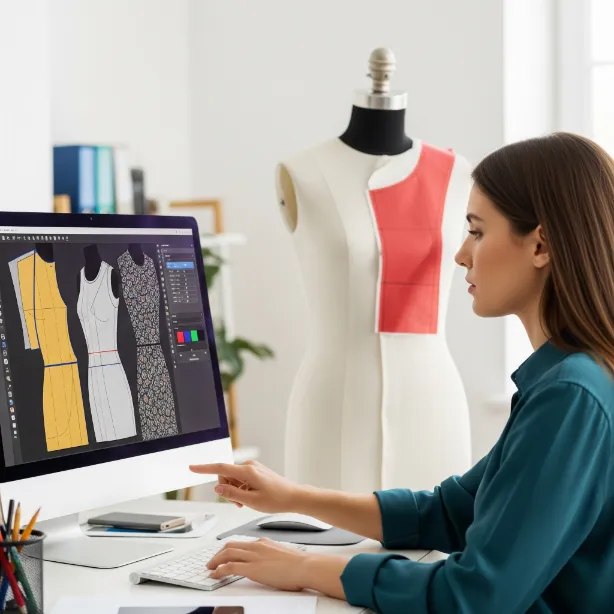
1. Sweatpants Style Options
2. Measurement & Size
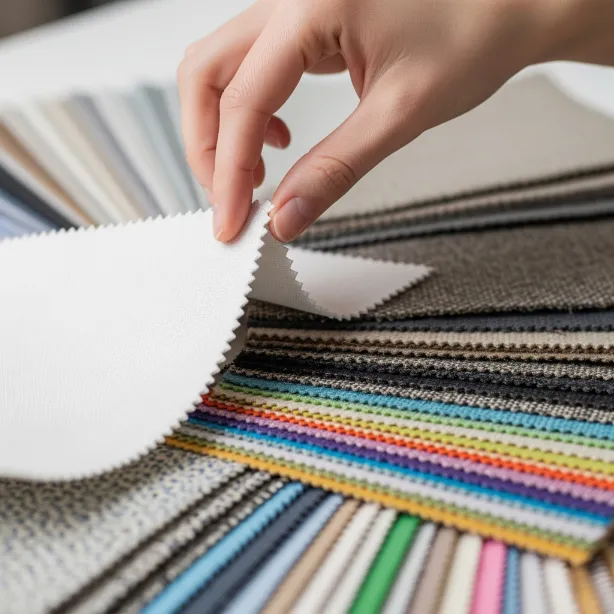
3. Sweatpants Fabric Options
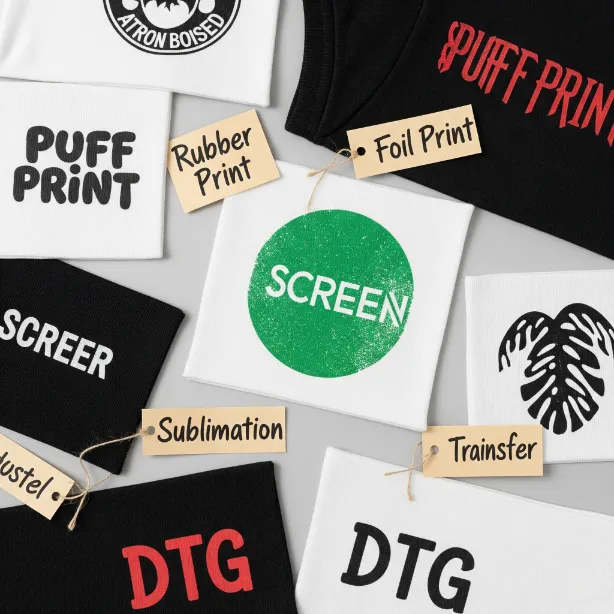
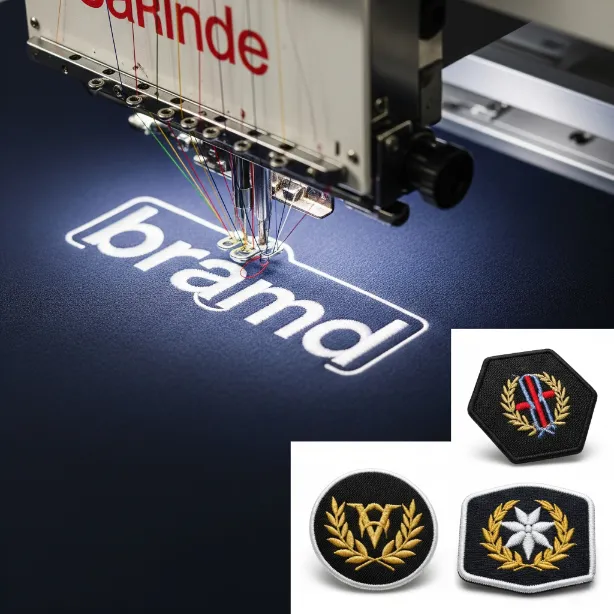
4. Print & Embroidery
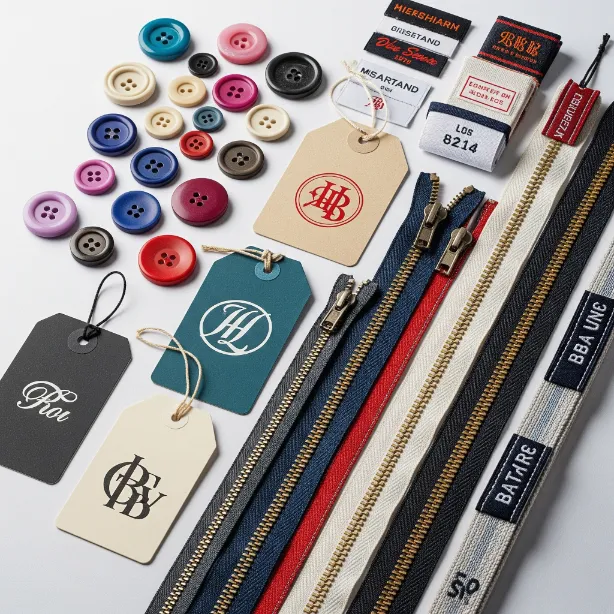
5. Trims & Accessories
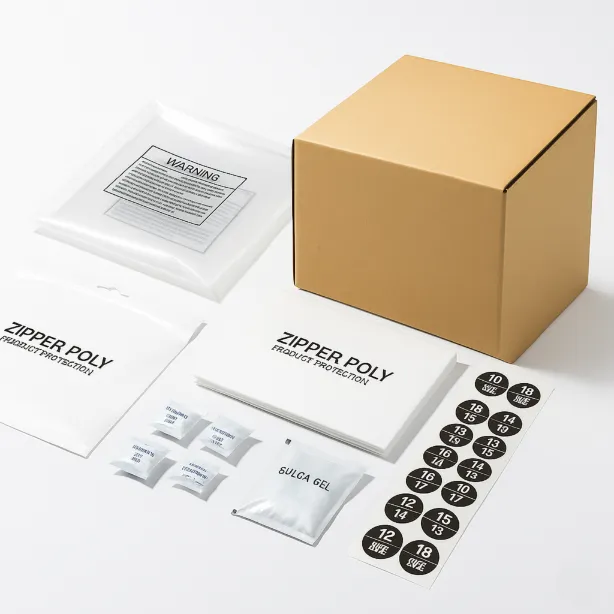
6. Packaging & Finishing
Explore Your Sweatpants Production Options. Click each button to review customization choices and technical guidance before moving to sampling or quotation.
1. Types And Styles Of Sweatpants Manufactured By RYZEAL
RYZEAL can manufacture classic fleece sweatpants, French terry joggers, tapered athletic pants, straight-leg sweatpants, open-hem lounge pants, heavyweight streetwear bottoms, baggy sweatpants, stacked sweatpants, cargo joggers, side-stripe styles, performance bottoms, and garment-washed products.
Men’s collections may include regular joggers, relaxed fleece pants, gym sweatpants, oversized streetwear silhouettes, open-hem styles, cargo sweatpants, extra-long bottoms, stacked designs, ankle-zip joggers, and premium blank products.
Women’s sweatpants can be developed with high-rise waistbands, wide legs, flared hems, straight silhouettes, cargo pockets, fitted cuffs, petite proportions, long inseams, draped fabrics, garment washes, or more polished trouser-inspired details.
Children’s products may include regular joggers, school sweatpants, active bottoms, fleece-lined winter styles, wide-leg pants, stacked silhouettes, camo sweatpants, cargo joggers, graphic products, and matching sets.
Additional options include:
- Contrast side panels
- Curved seam construction
- Articulated knees
- Reinforced seat or knee panels
- Raw-edge hems
- Split hems
- Elasticated ankle openings
- Snap or zipper side openings
- Utility loops
- Reflective details
- Hidden security pockets
- Matching hoodie or sweatshirt sets
Sweatpants and joggers are related but not always identical. Joggers typically use tapered legs and elastic or ribbed cuffs, while sweatpants can also be straight, open hemmed, wide legged, flared, or stacked. RYZEAL defines the actual silhouette through measurements rather than relying only on the product name.
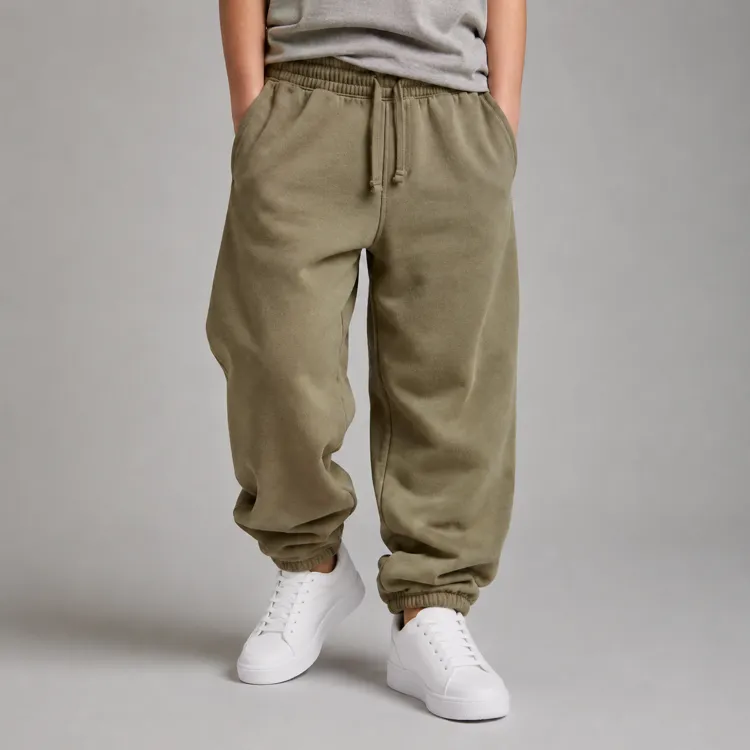
Baggy
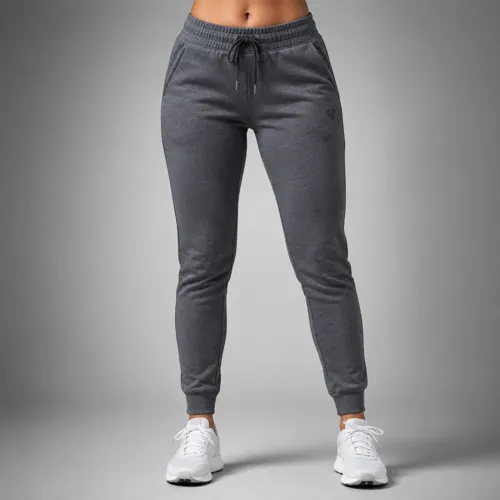
Athletic
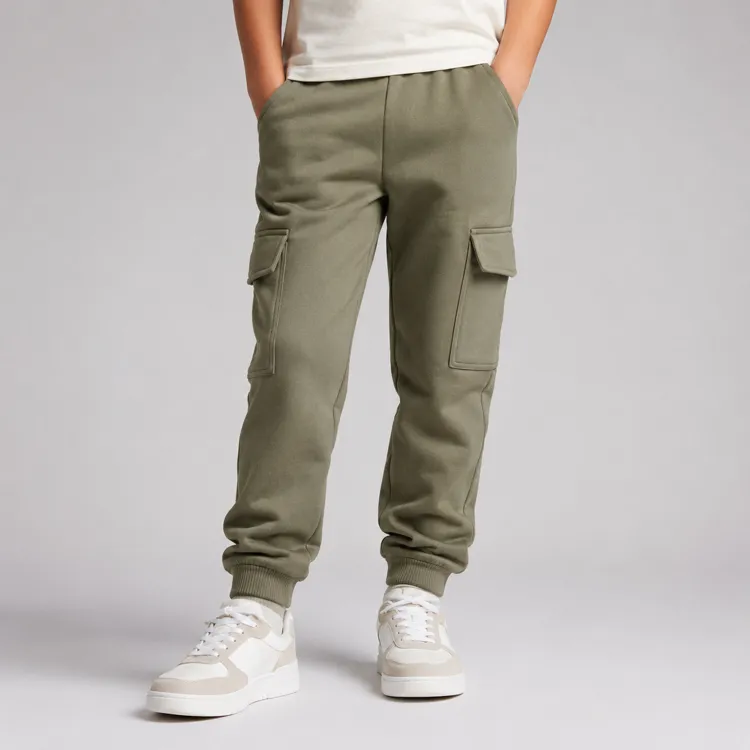
Cargo
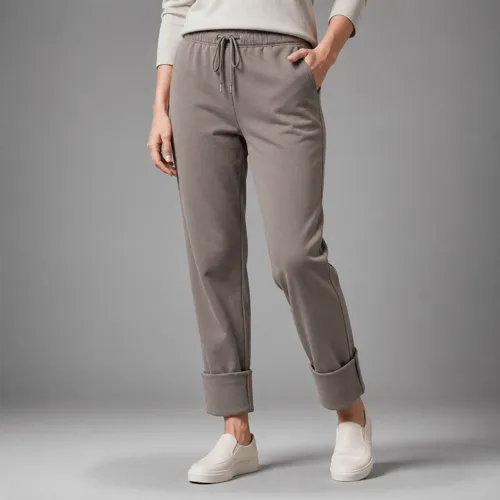
Cuffed
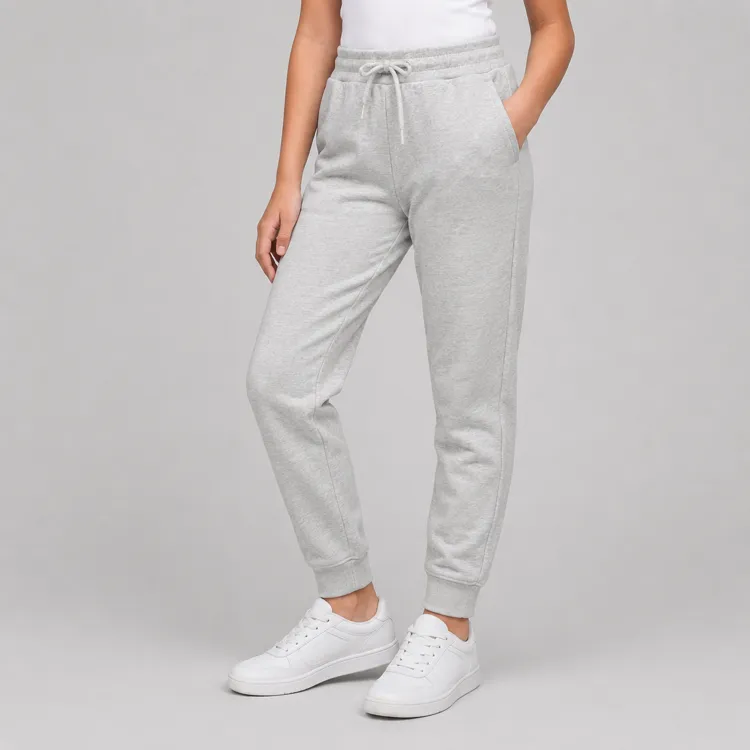
French Terry
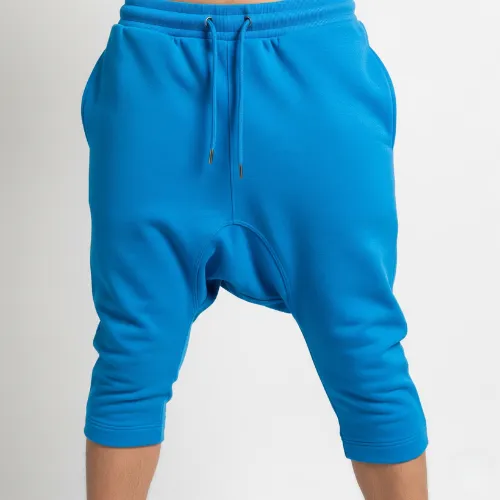
Drop Crotch
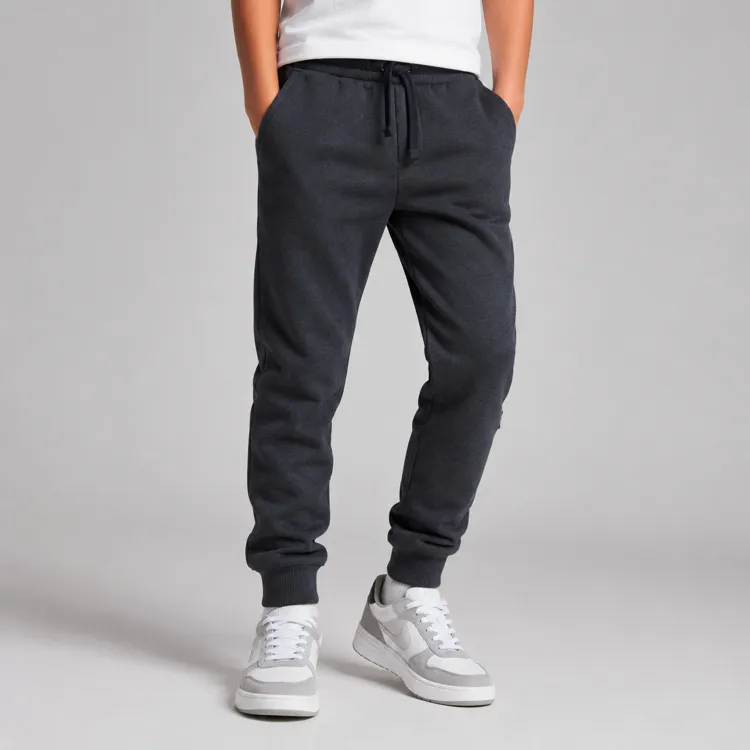
Jogger
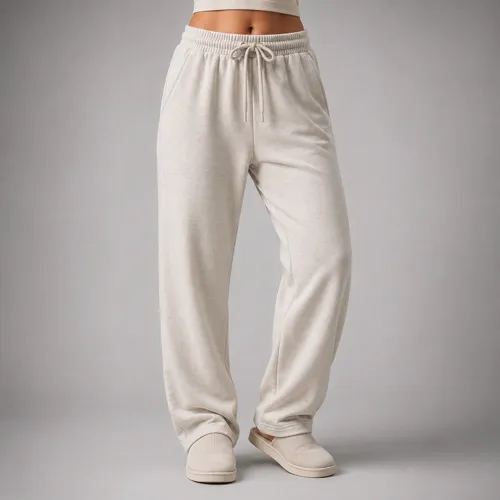
Lounge
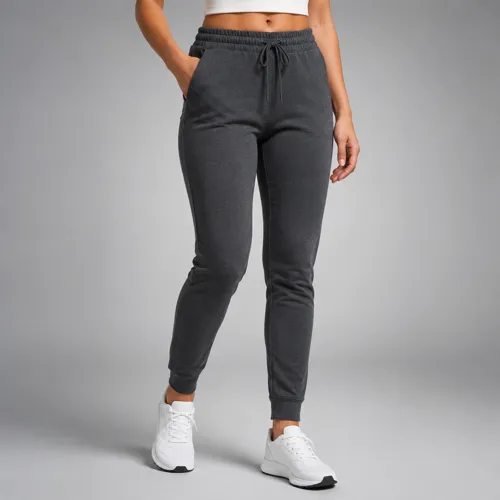
Slim Fit
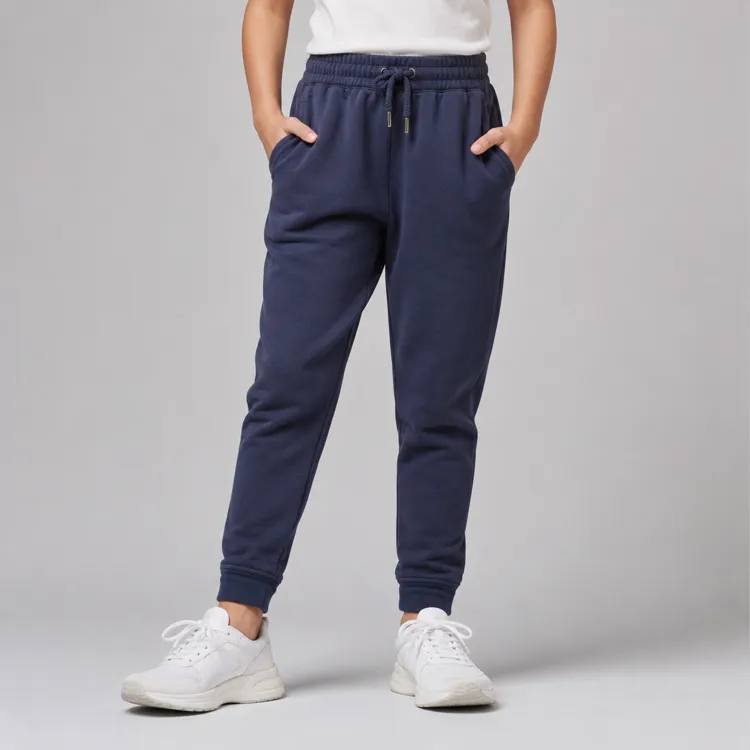
Tapered
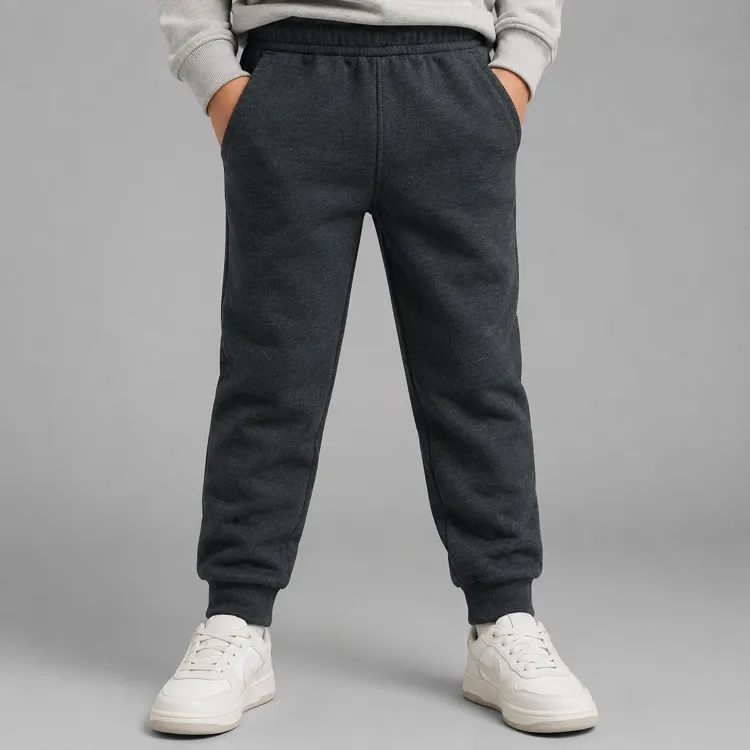
Thermal
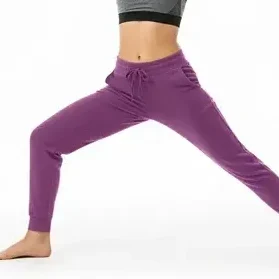
Yoga
2. Measurement Process And Size Options For Sweatpants
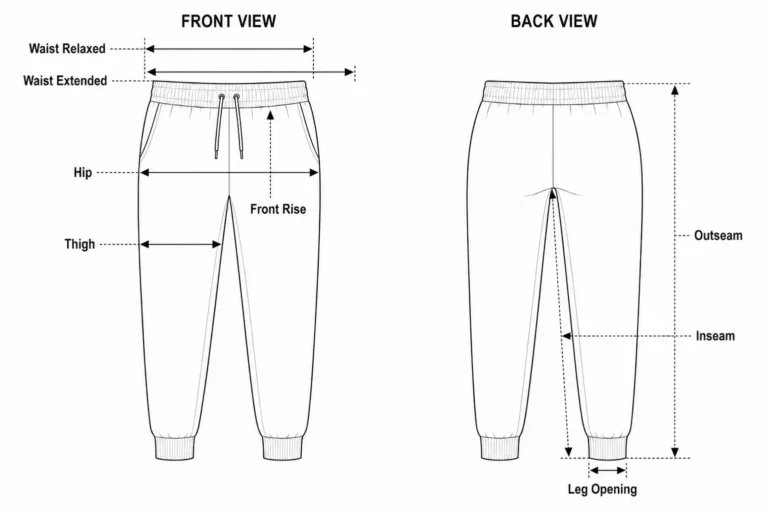
Sweatpants sizing is controlled through the waist, rise, hip, thigh, knee, inseam, outseam, calf, and leg opening. A tapered men’s jogger, women’s high-rise wide-leg style, children’s fleece pant, and stacked streetwear design require different measurement relationships.
Common points of measurement include:
- Outseam
- Inseam
- Relaxed half waist
- Extended half waist
- Waistband height
- Front rise
- Back rise
- Half hip
- Half thigh
- Half knee
- Half calf
- Half leg opening
- Cuff height
- Pocket opening and depth
- Cargo-pocket placement
- Drawcord length
The fabric must also be considered. Stretch jersey, dense fleece, French terry, and performance double knit can produce different fits even when their flat measurements appear similar.
The regional HTML charts later on this page provide commercial starting points for regular tapered sweatpants. They do not apply automatically to wide-leg, flared, stacked, compression, oversized, petite, tall, or highly elastic products.
Measurement Process Of Sweatpants And Joggers
The sweatpants should be laid flat on a level surface without stretching the waistband, seat, legs, cuffs, or hem. Garments that receive washing, garment dyeing, heat setting, or another dimensional treatment should normally be measured after the approved process.
The relaxed waist is measured straight across the waistband without tension. The extended waist is recorded by stretching the waistband evenly to its approved limit without distorting the garment.
The front rise runs from the top of the front waistband to the crotch seam. The back rise follows the same principle from the back waistband to the crotch seam. Half hip is measured across the garment at the specified distance below the waistband.
The thigh is normally measured from the crotch area across the upper leg. Knee and calf measurements should follow defined distances from the crotch or waistband so every inspector uses the same location.
The inseam must begin at the crotch point and follow the inner leg seam to the bottom leg opening. It should not be measured along the outer side of the garment. The outseam is measured from the top of the waistband to the bottom edge along the outer leg.
Open-hem, cuffed, and stacked sweatpants require different bottom measurements. Cuffed joggers should include both cuff height and relaxed cuff opening. Stacked styles need additional leg length and controlled lower-leg width to create the intended folds.
RYZEAL compares the finished measurements with the approved pattern, grading, fabric shrinkage, sealed sample, and tolerance chart before packing.
Size Options For Men, Women And Children
Men’s sweatpants may use USA alpha sizes, European numeric references, or Asian alpha labels. Regular, slim, tapered, relaxed, baggy, stacked, tall, straight, and open-hem products require different waist, rise, thigh, inseam, knee, and opening dimensions.
Women’s sweatpants need separate development for waist position, hip shaping, rise, thigh, knee, leg length, and hem silhouette. Wide-leg, cargo, petite, tall, high-rise, flared, and fitted-cuff products should not use one universal chart.
Children’s sizes may be identified by age, body height, numeric size, or a combination of these systems. Toddler, younger-child, older-child, and teenage sweatpants require suitable waistband extension, rise, pocket access, inseam growth, and leg shape.
RYZEAL can develop:
- Men’s sizes from XS to extended sizes
- Women’s regular, petite, tall, and extended sizes
- Children’s sizes from toddler through teenage ranges
- Custom inseams for short, regular, tall, and extra-long products
- Separate measurements for straight, tapered, wide, or stacked legs
- Buyer-specific grading and size-pairing systems
Bulk production follows the buyer-approved measurement chart, physical sample, pattern, grading rules, shrinkage allowance, and tolerances.
Men’s Sweatpants Size Chart
| USA Size | EU Reference | Asia Reference | Outseam cm / in | Inseam cm / in | 1/2 Waist Relaxed cm / in | 1/2 Hip cm / in | Front Rise cm / in | 1/2 Thigh cm / in | 1/2 Leg Opening cm / in |
|---|---|---|---|---|---|---|---|---|---|
| XS | 44 | S | 98 / 38.58 | 72 / 28.35 | 35 / 13.78 | 51 / 20.08 | 28 / 11.02 | 31 / 12.20 | 14.5 / 5.71 |
| S | 46 | M | 100 / 39.37 | 73 / 28.74 | 38 / 14.96 | 54 / 21.26 | 29 / 11.42 | 32.5 / 12.80 | 15 / 5.91 |
| M | 48 | L | 102 / 40.16 | 74 / 29.13 | 41 / 16.14 | 57 / 22.44 | 30 / 11.81 | 34 / 13.39 | 15.5 / 6.10 |
| L | 50 | XL | 104 / 40.94 | 75 / 29.53 | 44 / 17.32 | 60 / 23.62 | 31 / 12.20 | 35.5 / 13.98 | 16 / 6.30 |
| XL | 52 | 2XL | 106 / 41.73 | 76 / 29.92 | 47 / 18.50 | 63 / 24.80 | 32 / 12.60 | 37 / 14.57 | 16.5 / 6.50 |
| 2XL | 54 | 3XL | 108 / 42.52 | 77 / 30.31 | 50 / 19.69 | 66 / 25.98 | 33 / 12.99 | 38.5 / 15.16 | 17 / 6.69 |
| 3XL | 56 | 4XL | 110 / 43.31 | 78 / 30.71 | 53 / 20.87 | 69 / 27.17 | 34 / 13.39 | 40 / 15.75 | 17.5 / 6.89 |
Baggy, stacked, straight-leg, wide-leg, tall, extra-long, open-hem, and compression styles require separate rise, inseam, knee, and leg-opening specifications.
Women’s Sweatpants Size Chart
| USA Size | EU Reference | Asia Reference | Outseam cm / in | Inseam cm / in | 1/2 Waist Relaxed cm / in | 1/2 Hip cm / in | Front Rise cm / in | 1/2 Thigh cm / in | 1/2 Leg Opening cm / in |
|---|---|---|---|---|---|---|---|---|---|
| XS | 34 | S | 96 / 37.80 | 70 / 27.56 | 32 / 12.60 | 48 / 18.90 | 28 / 11.02 | 29 / 11.42 | 13.5 / 5.31 |
| S | 36 | M | 98 / 38.58 | 71 / 27.95 | 35 / 13.78 | 51 / 20.08 | 29 / 11.42 | 30.5 / 12.01 | 14 / 5.51 |
| M | 38 | L | 100 / 39.37 | 72 / 28.35 | 38 / 14.96 | 54 / 21.26 | 30 / 11.81 | 32 / 12.60 | 14.5 / 5.71 |
| L | 40 | XL | 102 / 40.16 | 73 / 28.74 | 41 / 16.14 | 57 / 22.44 | 31 / 12.20 | 33.5 / 13.19 | 15 / 5.91 |
| XL | 42 | 2XL | 104 / 40.94 | 74 / 29.13 | 44 / 17.32 | 60 / 23.62 | 32 / 12.60 | 35 / 13.78 | 15.5 / 6.10 |
| 2XL | 44 | 3XL | 106 / 41.73 | 75 / 29.53 | 47 / 18.50 | 63 / 24.80 | 33 / 12.99 | 36.5 / 14.37 | 16 / 6.30 |
| 3XL | 46 | 4XL | 108 / 42.52 | 76 / 29.92 | 50 / 19.69 | 66 / 25.98 | 34 / 13.39 | 38 / 14.96 | 16.5 / 6.50 |
Petite, tall, wide-leg, flared, cargo, low-rise, high-rise, stacked, and trouser-inspired sweatpants require separate proportions and grading.
Children’s Sweatpants Size Chart
| USA Size | EU Reference | Asia Reference | Outseam cm / in | Inseam cm / in | 1/2 Waist Relaxed cm / in | 1/2 Hip cm / in | Front Rise cm / in | 1/2 Thigh cm / in | 1/2 Leg Opening cm / in |
|---|---|---|---|---|---|---|---|---|---|
| 2T | 92 | 90 | 54 / 21.26 | 36 / 14.17 | 23.5 / 9.25 | 35 / 13.78 | 20 / 7.87 | 21 / 8.27 | 10.5 / 4.13 |
| 3T | 98 | 100 | 58 / 22.83 | 40 / 15.75 | 24.5 / 9.65 | 36.5 / 14.37 | 21 / 8.27 | 22 / 8.66 | 11 / 4.33 |
| 4T | 104 | 110 | 62 / 24.41 | 44 / 17.32 | 25.5 / 10.04 | 38 / 14.96 | 22 / 8.66 | 23 / 9.06 | 11.5 / 4.53 |
| 5/6 | 116 | 120 | 69 / 27.17 | 50 / 19.69 | 27 / 10.63 | 40 / 15.75 | 23 / 9.06 | 24.5 / 9.65 | 12 / 4.72 |
| 7/8 | 128 | 130 | 76 / 29.92 | 56 / 22.05 | 28.5 / 11.22 | 42 / 16.54 | 24 / 9.45 | 26 / 10.24 | 12.5 / 4.92 |
| 10 | 140 | 140 | 83 / 32.68 | 62 / 24.41 | 30 / 11.81 | 44 / 17.32 | 25 / 9.84 | 27.5 / 10.83 | 13 / 5.12 |
| 12 | 152 | 150 | 90 / 35.43 | 68 / 26.77 | 31.5 / 12.40 | 46 / 18.11 | 26 / 10.24 | 29 / 11.42 | 13.5 / 5.31 |
| 14 | 164 | 160 | 97 / 38.19 | 74 / 29.13 | 33 / 12.99 | 48 / 18.90 | 27 / 10.63 | 30.5 / 12.01 | 14 / 5.51 |
Children’s measurements should be confirmed against the intended height, age range, waistband extension, fit, fabric, and buyer-approved grading.
3. Fabric Customization Options For Sweatpants
Sweatpants fabric must provide suitable comfort, coverage, warmth, drape, recovery, and durability for the intended use. The material should also withstand friction around the seat, thighs, knees, pockets, and inner legs.
RYZEAL evaluates fibre composition, yarn, knit structure, GSM, surface, internal finish, stretch, recovery, shrinkage, pilling, colorfastness, strength, opacity, and finishing before recommending a material.
A heavyweight baggy sweatpant may require dense fleece that holds its silhouette. Women’s wide-leg sweatpants may need softer drape, while children’s school bottoms often prioritize durability, stable color, and practical laundering.
The waistband, pocket bags, cuffs, drawcord, thread, decoration, and body fabric should remain compatible through washing and use. A premium body fabric can still produce a weak product when paired with poor elastic, unstable rib, or inadequate pocket construction.
Performance-Driven Features For Sweatpants Applications
Everyday sweatpants benefit from dimensional stability, waistband recovery, pocket strength, colorfastness, pilling resistance, secure seams, and acceptable knee and seat recovery.
Athletic or travel products may require stretch, moisture management, faster drying, ventilation, reduced bulk, abrasion resistance, and secure zipped pockets. These properties depend on fibre, yarn, fabric structure, garment construction, treatment, and testing.
Streetwear products may prioritize structure, garment weight, wash character, and visual volume. Wide-leg or baggy silhouettes require enough body to retain their shape without feeling excessively rigid.
Children’s sweatpants need comfortable waist pressure, practical dressing, secure trims, smooth internal surfaces, and pockets positioned for smaller hands. Drawcords, toggles, aglets, and decorative components should be selected according to the intended age and destination.
Claims such as quick drying, anti-pilling performance, anti-odor treatment, water repellency, cooling, or UV-related protection should only be used when the selected material, finishing process, test method, and documentation support them.
Sweatpants marketed as general wearing apparel in the United States should be reviewed against the federal clothing-textile flammability standard in 16 CFR part 1610, which classifies fabric flammability and prohibits dangerously flammable Class 3 textiles from clothing use.

Breathable

Light-weight
Soft Touch
Quick Dry

Wrinkle Free

Durable

Anti Odor

Stretchable

Eco-Friendly

UPF 50+

Moisture Wicking

Anti Shrink

Color Fast
Anti Piling
Fabric Choices For Lightweight, Midweight And Heavyweight Sweatpants
Cotton-rich French terry provides a looped inner surface and can suit transitional weather, travel, lounge, retail basics, and less insulated joggers.
Brushed fleece offers greater warmth and softness for winter products, schoolwear, streetwear, and heavyweight sweatpants. Cotton-polyester fleece can improve stability, drying time, durability, and cost control.
Interlock and double knit create smoother surfaces and more structured silhouettes. Polyester-elastane and nylon-elastane fabrics can support athletic sweatpants, fitted joggers, travel bottoms, and performance programs.
Cotton-elastane jersey can provide flexibility for shaped or close-fitting products. Modal, viscose, or lyocell blends may offer softer drape when their performance, sourcing, and care requirements suit the order.
Indicative development directions include:
- Approximately 200 to 260 GSM for lightweight lounge or performance sweatpants
- Approximately 270 to 340 GSM for everyday French terry and regular joggers
- Approximately 350 to 450 GSM for substantial fleece and streetwear products
- Above 450 GSM for specialist heavyweight silhouettes where the pattern and construction support the weight
These ranges are development references rather than universal quality grades. Yarn, knit density, brushing, recovery, climate, fit, and finishing must also be assessed.
Certified organic-cotton programs can be developed when the material, processing facilities, chain of custody, product certification, and claim wording meet the relevant requirements. GOTS Version 8.0 was released in March 2026 and becomes effective for certified entities and approved chemical inputs on 1 March 2027.
#1 Slub Knit
#2 Pointelle Knit
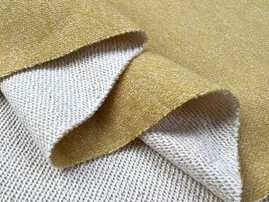
#3 French Terry
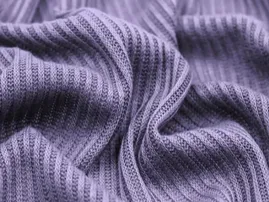
#4 Rib Knit
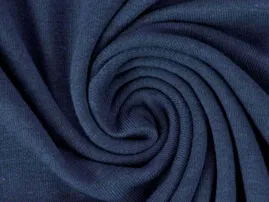
#5 Single Jersey
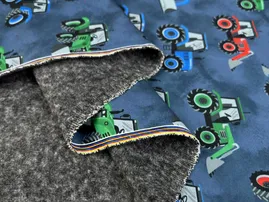
#6 Fleece
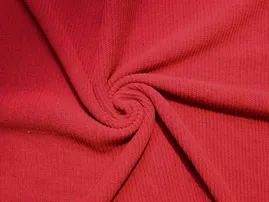
#7 Purl Knit

#8 Interlock
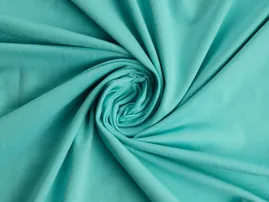
#9 Lycra
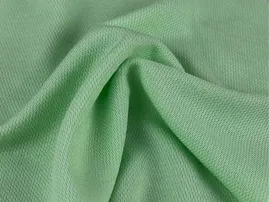
#10 Viscose Pique
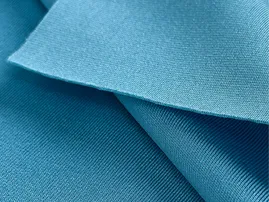
#11 Tricot
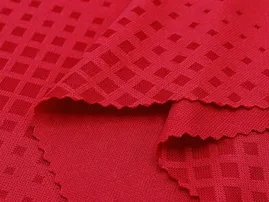
#12 Jacquard
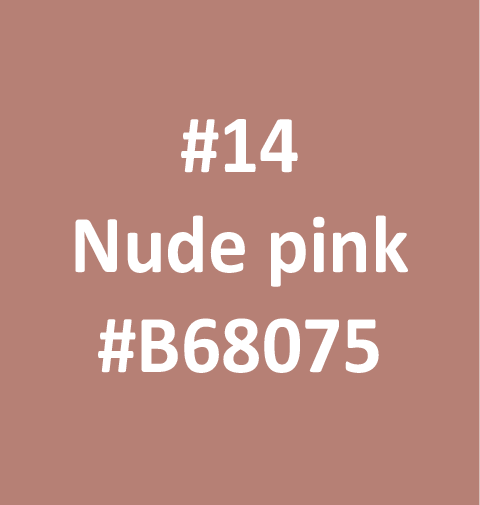
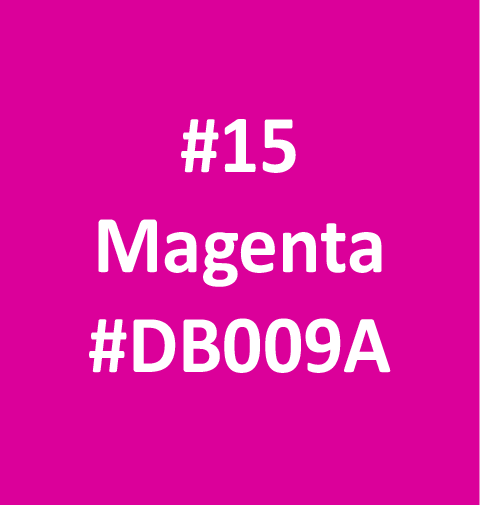
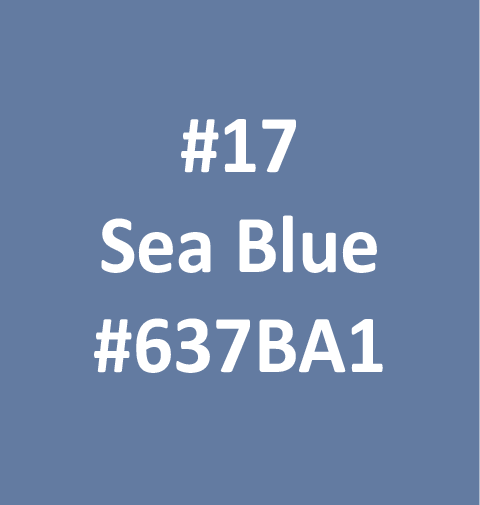
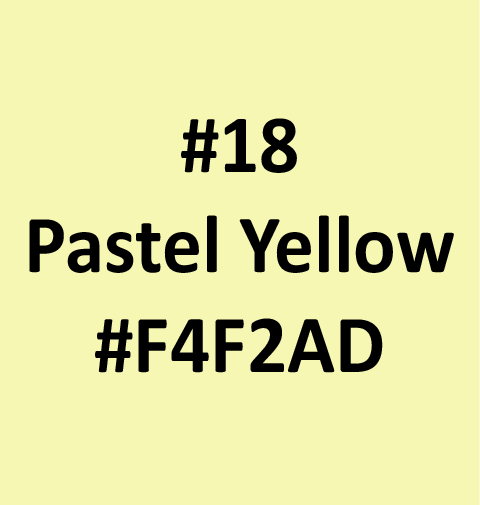
Fabric Color Options For Sweatpants Collections
Sweatpants can be developed in solid colors, heathers, melanges, garment-dyed shades, washed finishes, camouflage patterns, color blocking, stripes, all-over prints, and custom brand colors.
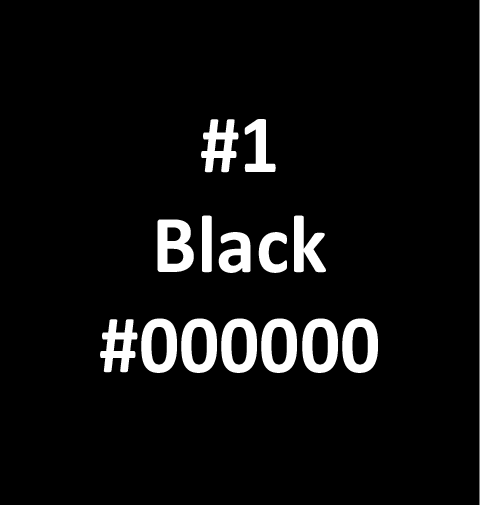
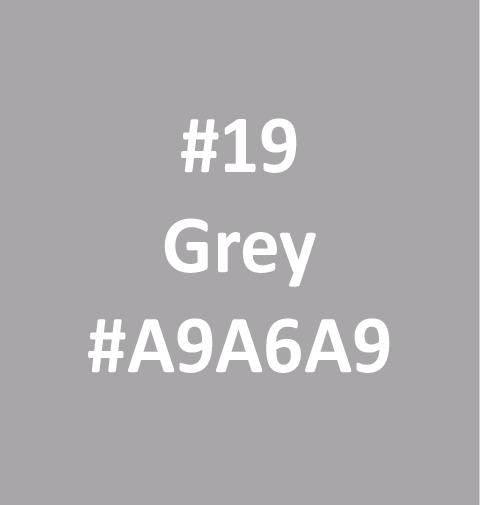
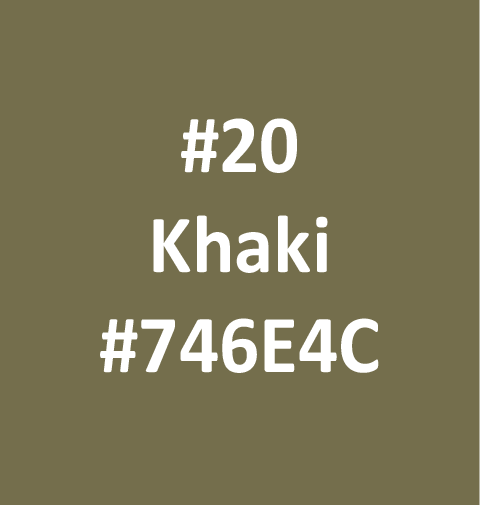
Commercial core shades include black, charcoal, athletic grey, navy, cream, white, brown, olive, burgundy, forest green, royal blue, and red.
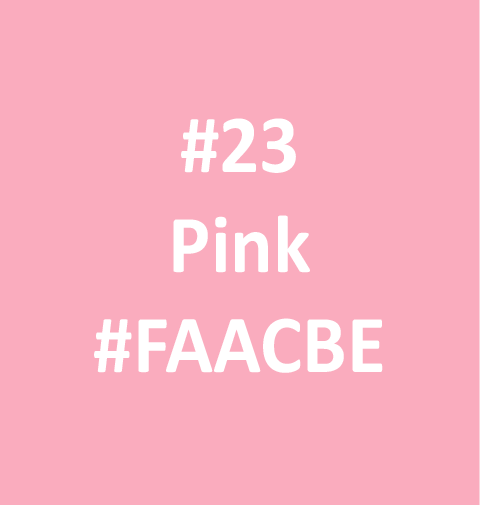
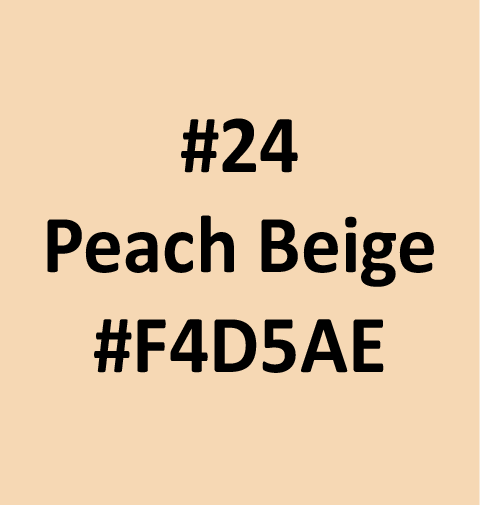
Women’s collections may add stone, sage, lavender, blush, powder blue, berry, coral, sand, mocha, and muted seasonal tones. Children’s ranges can use school colors, bright primary shades, pastels, camouflage, and coordinated graphic backgrounds.
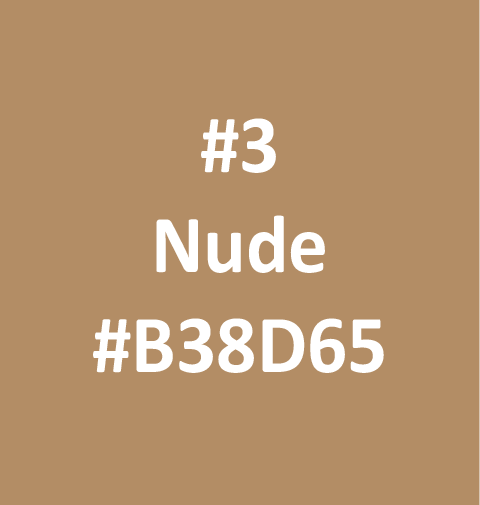
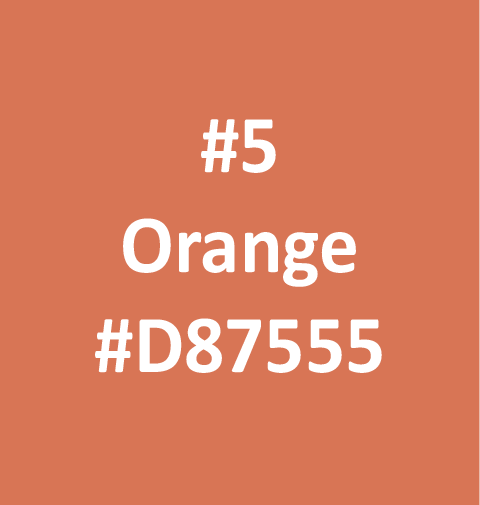
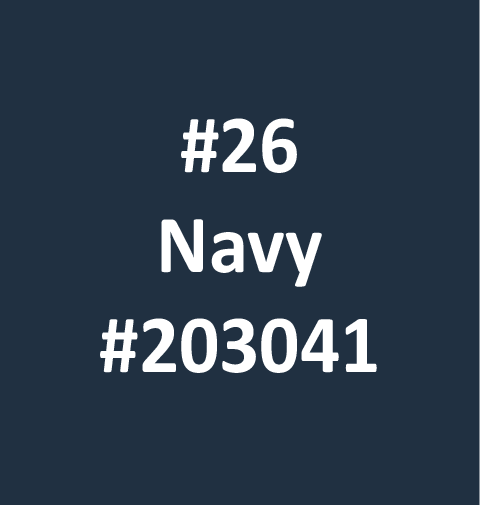
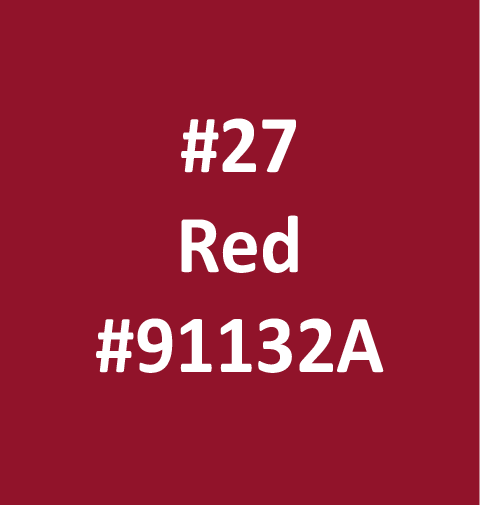
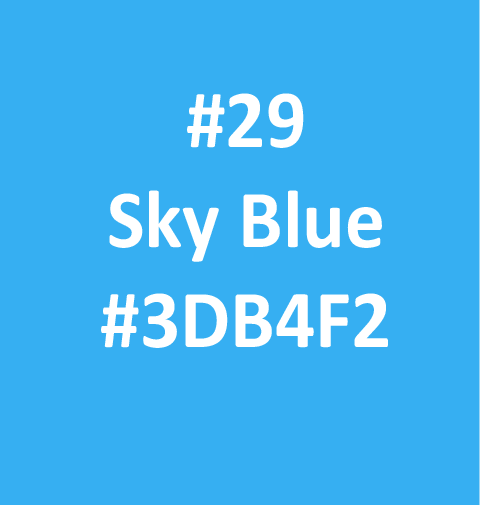
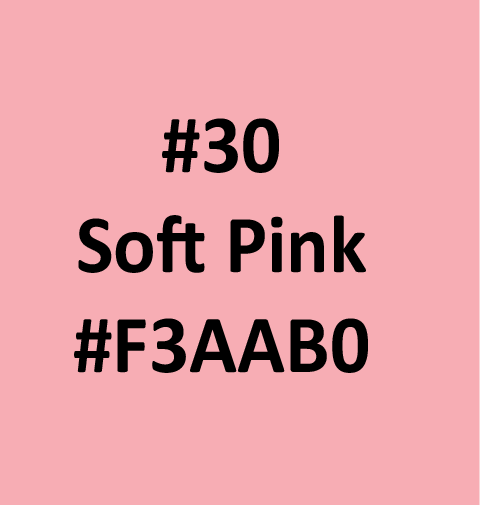
RYZEAL offers more than 30 Pantone-referenced preset color directions. Buyers may also provide Pantone codes, fabric swatches, existing garments, print references, embroidery threads, or brand standards.
Piece-dyed colors are normally reviewed through lab dips. Melanges, yarn-dyed effects, camouflage prints, pigment dyes, faded blacks, and mineral-inspired washes require suitable yarn, fabric, print, or finished-garment approval.
Garment-dyed sweatpants should be reviewed with their waistband, drawcord, thread, cuffs, labels, prints, embroidery, and pockets because components can respond differently.
Dark shades require attention to rubbing and color transfer. White and pale products need opacity, cleanliness, and protection from contamination during production and packing.


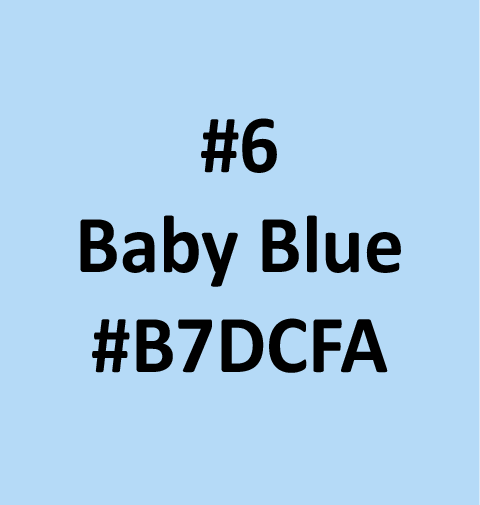
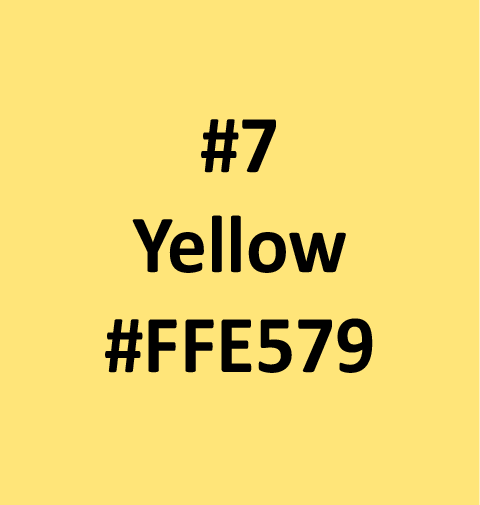

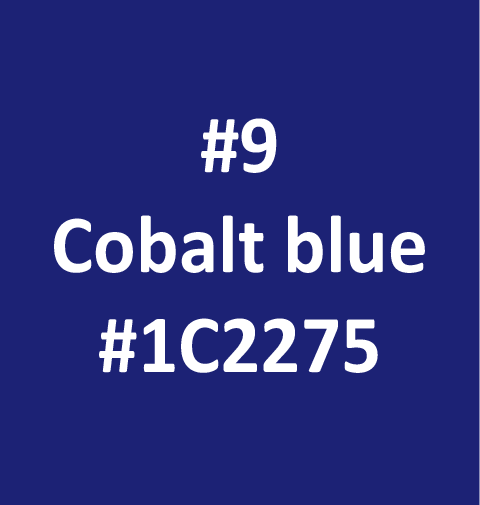



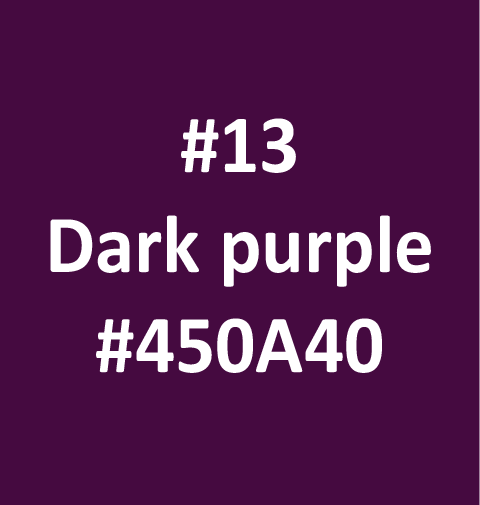






Need help selecting the right fabric combination for your Sweatpants? Tell us your target market, use case, and price range. Performance finishes, knit structures, and Pantone color support available.
4. Print And Embroidery Customization Options For Sweatpants
Sweatpants can support streetwear graphics, team logos, school identities, merchandise, corporate branding, player numbers, decorative artwork, and subtle private-label details.
Common decoration areas include the upper thigh, side leg, lower leg, hip, pocket, calf, waistband, back leg, and selected panel sections.
The technique should match the fabric surface, stretch, color, garment wash, placement, quantity, and desired hand feel. Brushed fleece, French terry, rib, interlock, and performance fabrics may produce different results with the same artwork.
Large side-leg graphics or prints crossing several panels may need to be applied before sewing. Small transfers, embroidered logos, patches, and labels can often be added after the garment is assembled.
RYZEAL reviews artwork resolution, dimensions, Pantone references, placement, fabric compatibility, size grading, and wash expectations before preparing a strike-off, embroidery sample, transfer test, or complete garment.
Explore Print Techniques For Sweatpants Branding
Screen printing is suitable for logos, lettering, merchandise graphics, school marks, and streetwear artwork on compatible cotton and blended fabrics.
Ink selection should reflect fabric color, stretch, surface, washing, and desired hand feel. Puff printing can create dimensional logos or lettering, while high-density and silicone methods offer different raised effects.
Other options include:
- Water-based printing on compatible fabrics
- Rubberized graphics
- Reflective printing
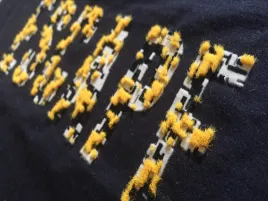
- Flock and suede effects
- Foil or metallic accents
- Crack and vintage finishes
- Discharge printing on compatible dyed cotton
- DTG on suitable cotton-rich panels
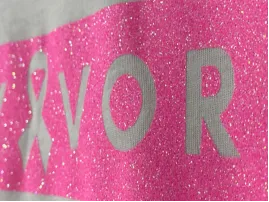
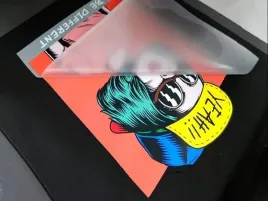
- DTF and heat-transfer graphics
- Sublimation on compatible polyester fabrics
- All-over or panel printing
Graphics placed across the knee, seat, pocket opening, or high-friction areas may experience additional stretching and abrasion. Artwork should be tested in its intended location rather than approved only on a flat fabric piece.
Sublimation is suitable mainly for compatible polyester constructions. It should not be presented as a conventional printing route for cotton-rich fleece.
#1 Glitter
#2 Flock
#3 DTF

#4 Applique
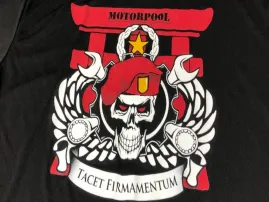
#5 Screen
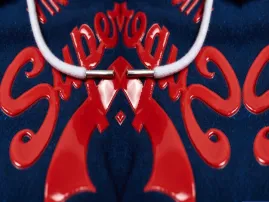
#6 Silicone
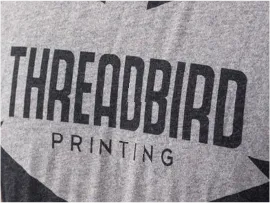
#7 Discharge
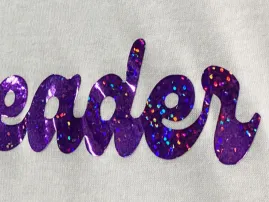
#8 Hologram

#9 Puff
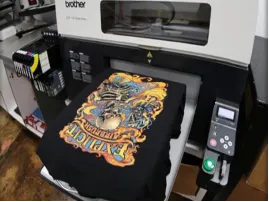
#10 DTG
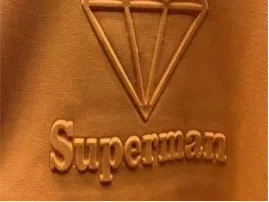
#11 Embossing
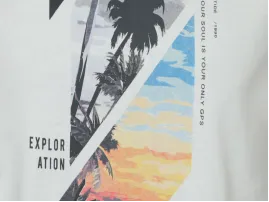
#12 Digital
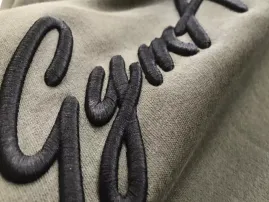
#13 Embroidery
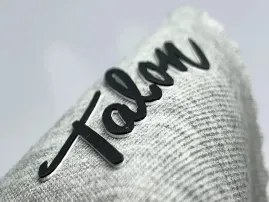
#14 Rubber

#15 Rhinestone
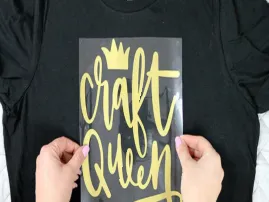
#16 HTV
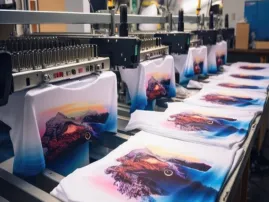
#17 Sublimation
#18 Reflective
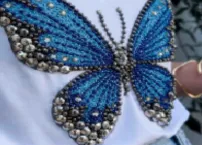
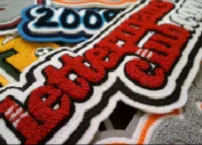
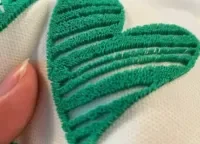
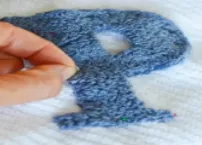
Different Types Of Embroidery Options For Sweatpants
Direct embroidery can be used for upper-thigh logos, hip marks, pocket branding, lower-leg artwork, initials, team identities, or tonal private-label details.
Satin stitch, fill stitch, running stitch, chain stitch, and tonal embroidery create different levels of texture and coverage. Three-dimensional embroidery may be suitable for stable fabrics and compact artwork.
Appliqué can combine twill, felt, fleece, jersey, woven fabric, or another suitable material with stitched borders. Woven, embroidered, chenille, rubber, silicone, or printed patches provide alternative branding routes.
Dense embroidery can stiffen lightweight sweatpants, restrict stretch, or create uncomfortable internal backing. It can also distort cargo pockets or soft wide-leg fabrics.
RYZEAL can adjust thread, stitch density, needle, backing, stabilizer, patch construction, and placement according to the fabric and intended use.
Embroidery should be reviewed after the approved garment wash or finishing route because the body fabric and stitched area may shrink or change differently.
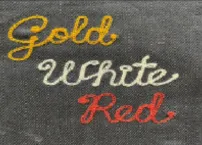
#1 Chain Stitch
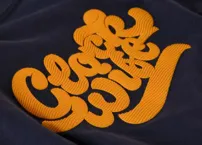
#2 Patch
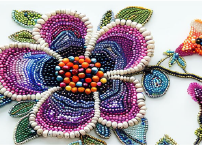
#3 Bead
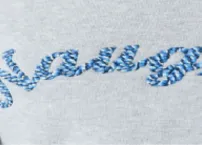
#4 Cording
#5 Zadozi
#6 Chenille
#7 Tooth
#8 Towel
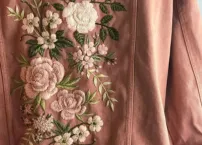
#9 3D Satin Stitch
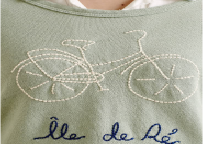
#10 Running Stitch
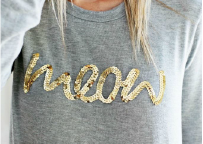
#11 Sequince
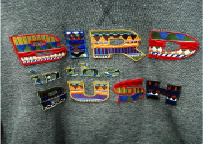
#12 Appliqué
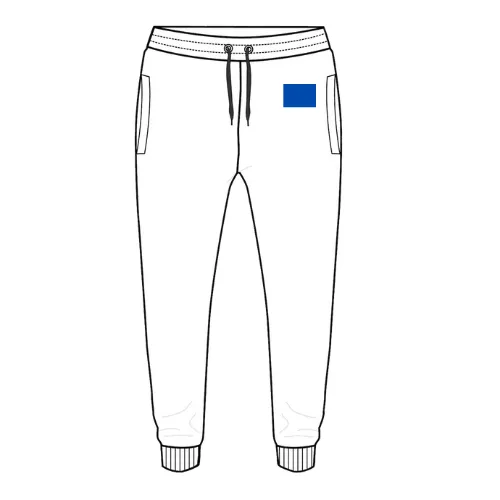
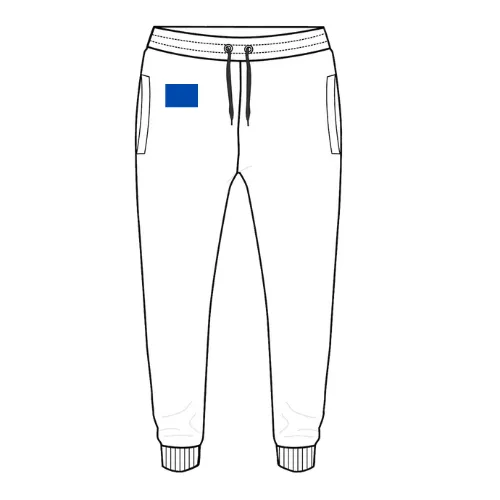
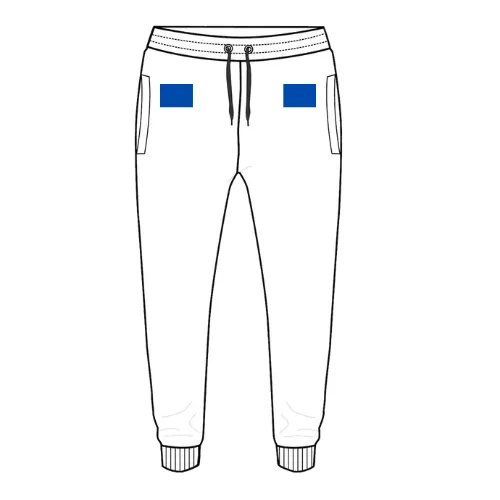
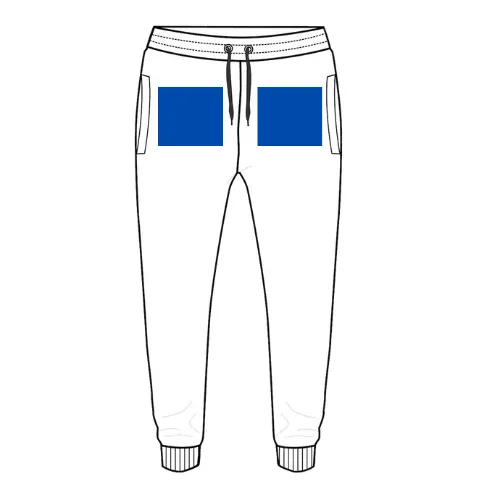
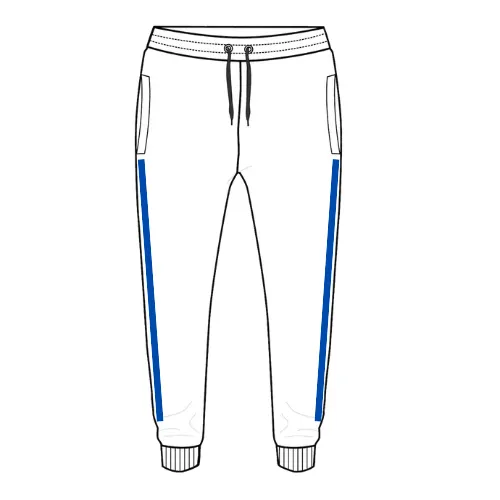
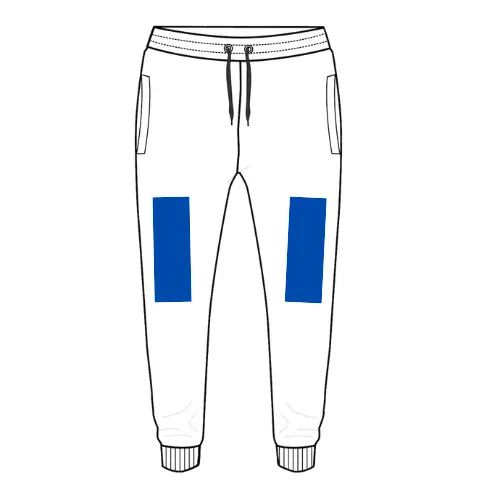
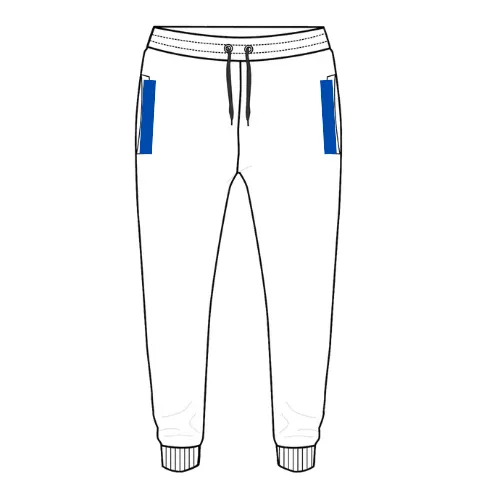
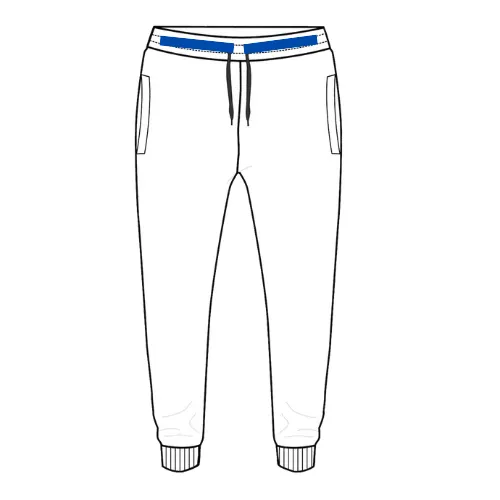
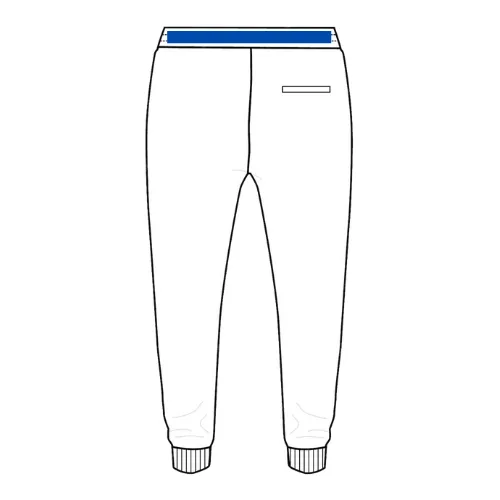
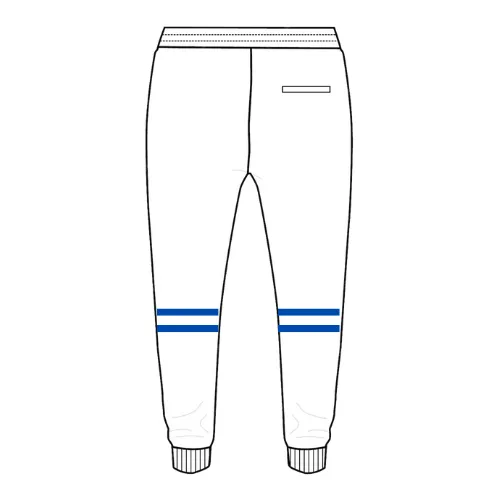
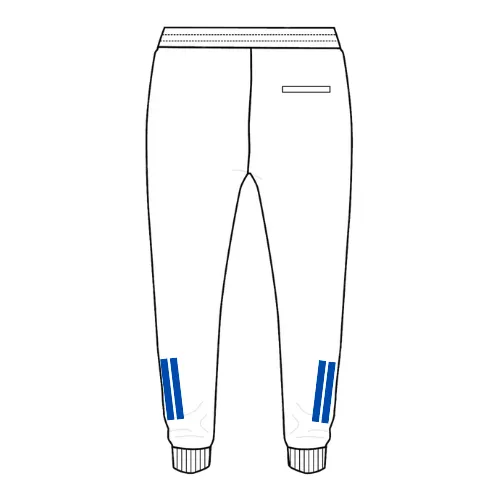
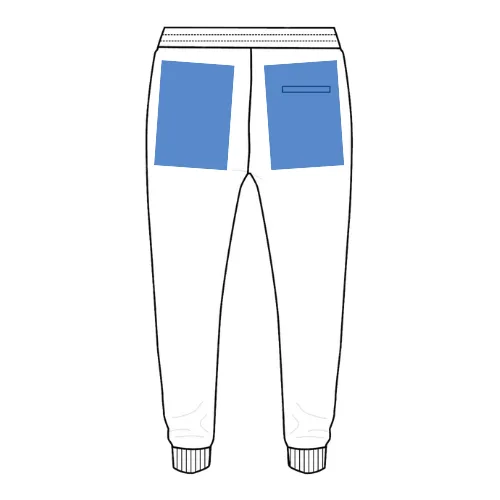
Print And Embroidery Placement Positions For Sweatpants
Common placement positions include:
- Left upper thigh
- Right upper thigh
- Side leg
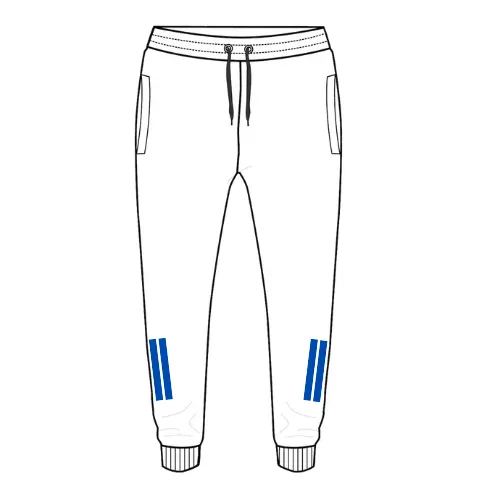
- Lower leg
- Calf
- Hip
- Cargo pocket
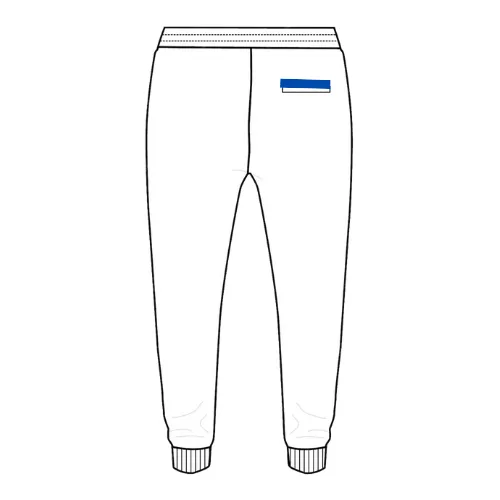
- Back pocket
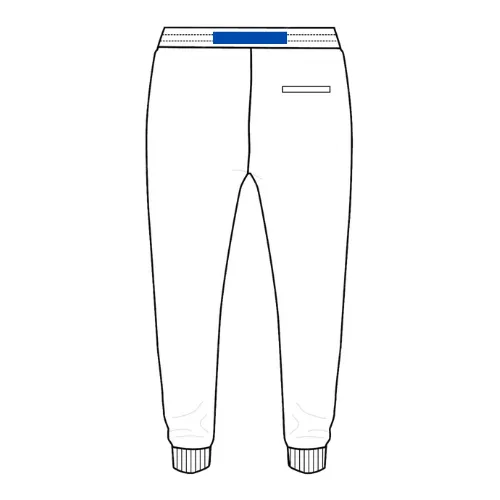
- Waistband
- Side panel
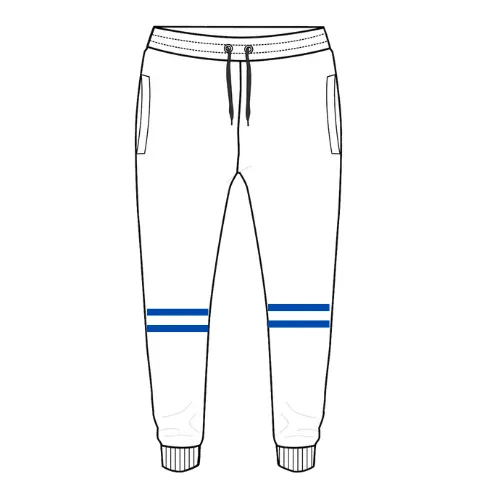
- Near the cuff
- Full-length outer-leg graphic
Men’s baggy or stacked sweatpants can support larger vertical graphics, repeated logos, or lower-leg branding. Women’s wide-leg products may use smaller upper-thigh marks, side-panel decoration, or more discreet pocket branding.
Cargo sweatpants can place labels, embroidery, or patches directly on the pocket flap when the pocket construction can support the decoration.
Children’s graphics should be scaled according to the size group. One adult artwork dimension should not be used across toddler, child, and teenage products.
Placement should avoid unintended conflict with pocket openings, seams, drawcord channels, knees, cuffs, and high-friction areas. RYZEAL can prepare digital mock-ups and physical placement samples before bulk production.
#1
#2
#3
#4
#5
#6
#7
#8
#9
#10
#11
#12
#13
#14
#15
#16
5. Trims, Accessories Options: Your Brand, Fully Dressed
Sweatpants trims influence fit, comfort, function, durability, and brand presentation. The waistband is particularly important because it must hold the garment securely while remaining comfortable.
Waistband options include encased elastic, exposed elastic, multi-channel elastic, drawcord waistbands, fold-over construction, and high-rise shaped waistbands.
Drawcords can be flat, round, tubular, braided, cotton, polyester, reflective, or custom branded. Ends may be heat sealed, folded, stitched, dipped, capped, or finished with approved aglets.
Pocket options include:
- Side-seam pockets
- Slanted front pockets
- Welt pockets
- Zipped pockets
- Patch pockets
- Cargo pockets
- Back pockets
- Concealed security pockets
- Mesh pocket bags
- Internal phone pockets
Bottom openings may use rib cuffs, self-fabric cuffs, elastic, drawcords, toggles, zippers, snaps, split hems, or open-hem construction.
Other trims include eyelets, bartacks, reinforcement tape, piping, side stripes, reflective details, woven labels, heat-transfer labels, size tabs, QR labels, and RFID identification.
Children’s products require secure attachments, smooth internal surfaces, age-appropriate components, and controlled cord details. Small or detachable decorative parts should be reviewed according to the intended age and destination.
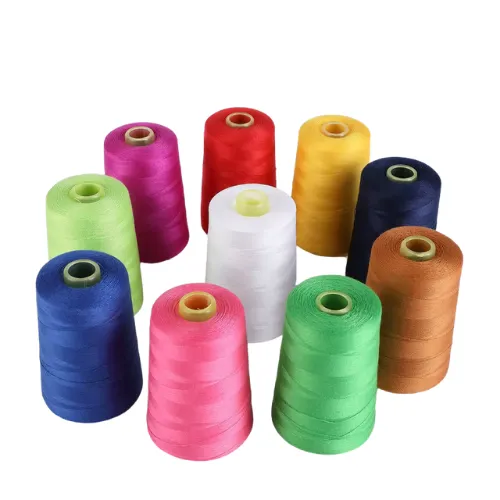
Sewing Thread
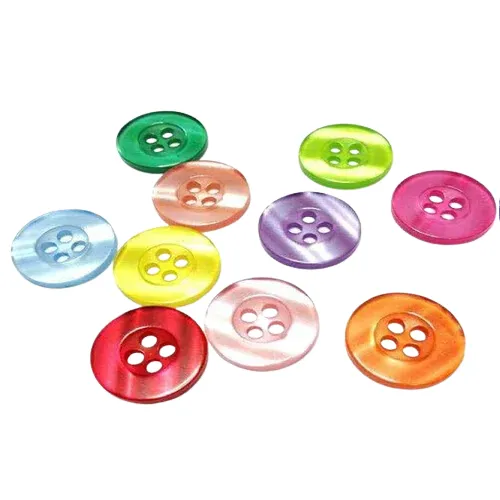
Plastic Button
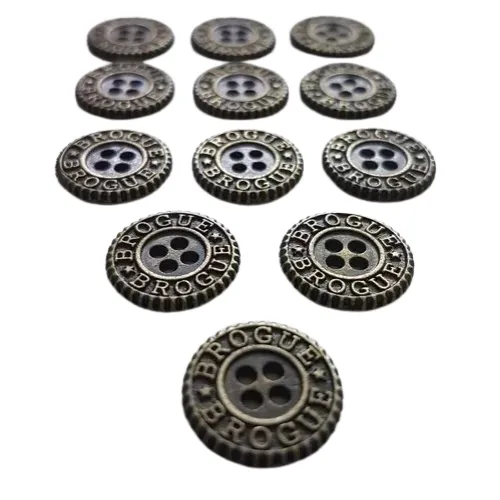
Metal Button
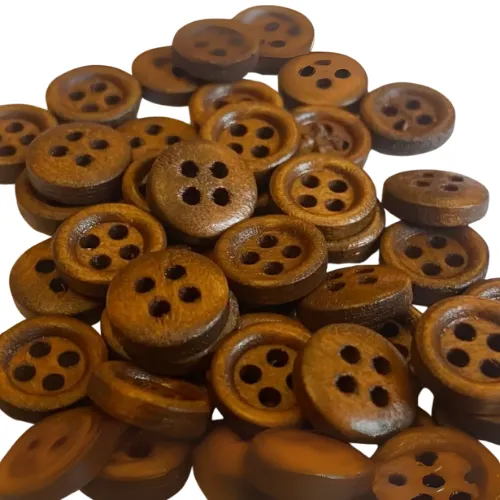
Coconut Shell Button
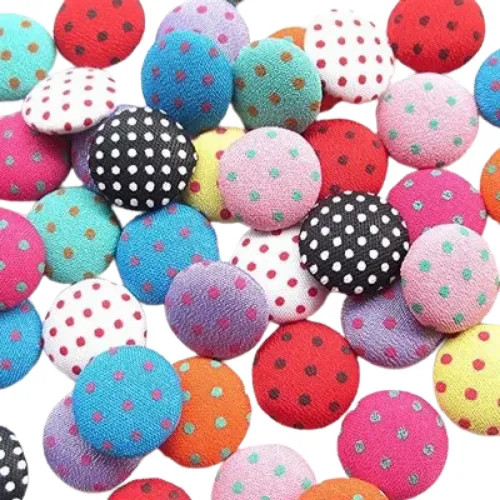
Fabric Button
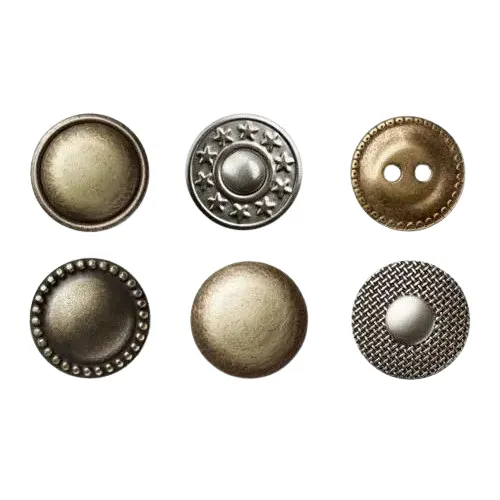
Snap Button
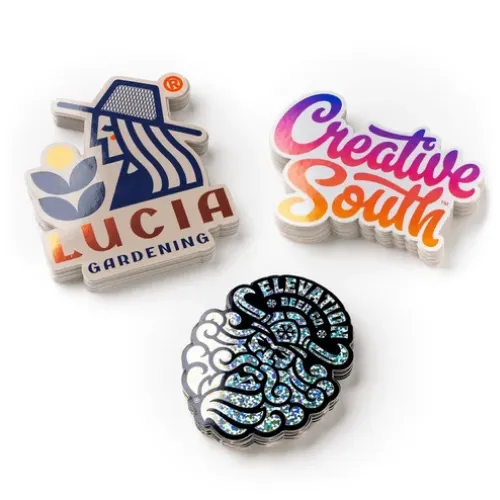
Sticker
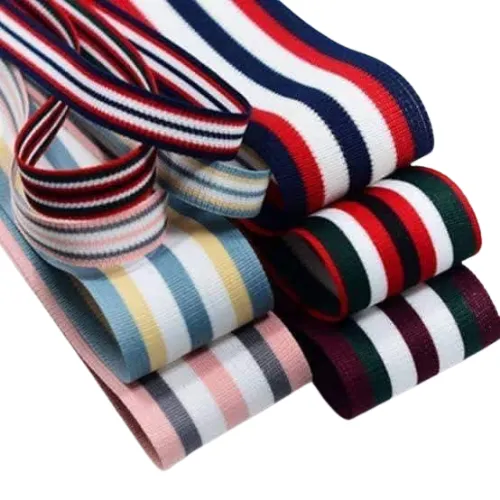
Ribs
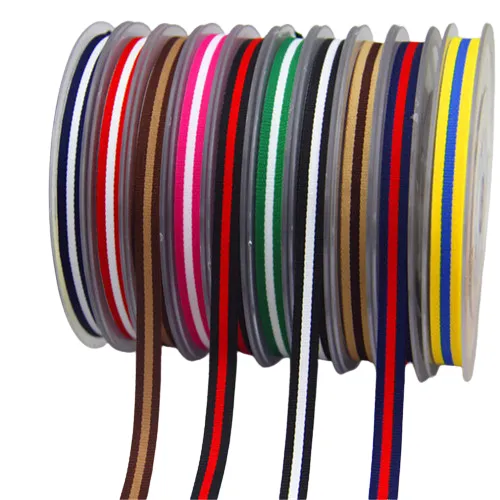
Twill Tape
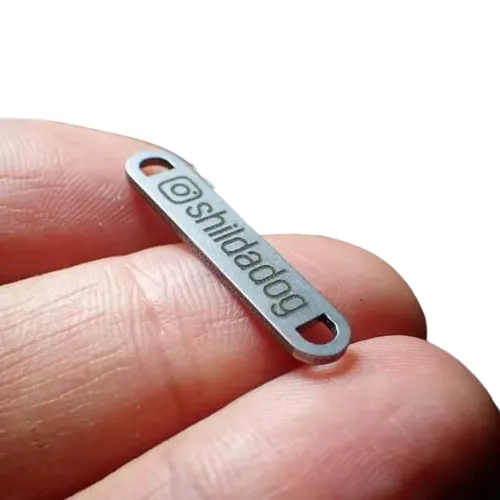
Metal Badge
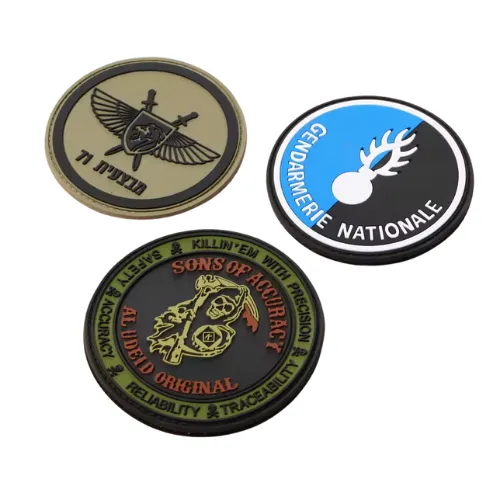
Rubber Patch
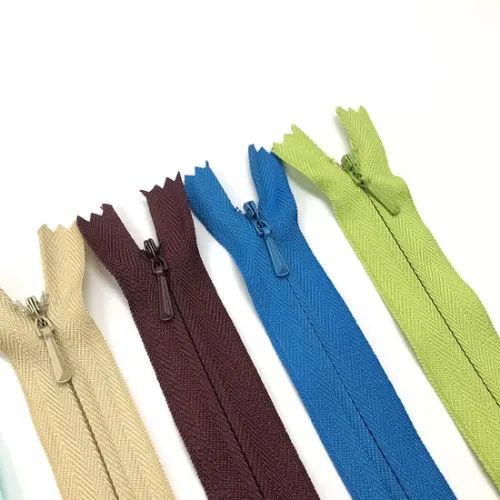
Zipper
6. Finishing and Packaging Options
Sweatpants finishing can change softness, color, measurements, surface, recovery, and retail character. Options may include brushing, bio polishing, enzyme washing, softening, silicone treatment, garment washing, garment dyeing, pigment dyeing, mineral-inspired effects, faded black, vintage washing, over-dyeing, and controlled abrasion.
The finishing process should remain compatible with the waistband elastic, drawcord, cuffs, pockets, zippers, print, embroidery, labels, thread, and body fabric.
Final inspection can review:
- Relaxed and extended waist measurements
- Front and back rise
- Hip and thigh dimensions
- Inseam and outseam
- Knee and leg openings
- Waistband recovery
- Drawcord length and security
- Pocket placement and strength
- Left and right leg balance
- Cuff symmetry
- Decoration
- Labels
- Cleanliness
- Packing accuracy
Children’s products intended for the US generally require permanent identifying tracking information on the product and packaging, to the extent practicable. The information should allow the manufacturer or private labeler, production date and location, and batch or run to be identified.
Textile products marketed in the European Union are subject to Regulation (EU) No 1007/2011 concerning recognized textile fibre names and fibre-composition labelling or marking.
OEKO-TEX STANDARD 100 is a product certification for textiles tested for harmful substances. Product Class 1 applies to products for babies and toddlers and uses the strictest requirements and limit values. Certification must cover the relevant product and component scope rather than being assumed from one fabric certificate.
Packaging options include tissue, backboards, belly bands, hangtags, size strips, standard or custom polybags, zip bags, barcode labels, QR labels, RFID tags, carton assortments, dividers, and carton straps.
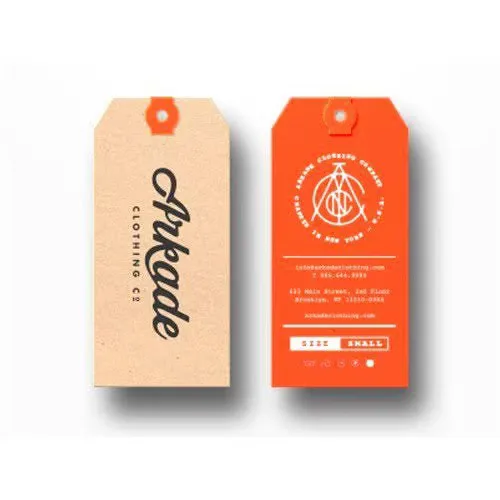
Paper hang tags
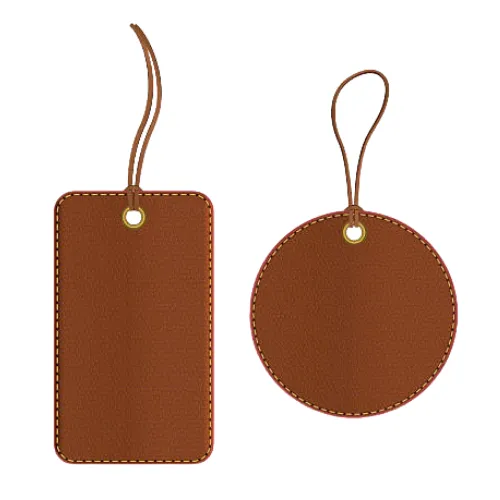
Leather patch
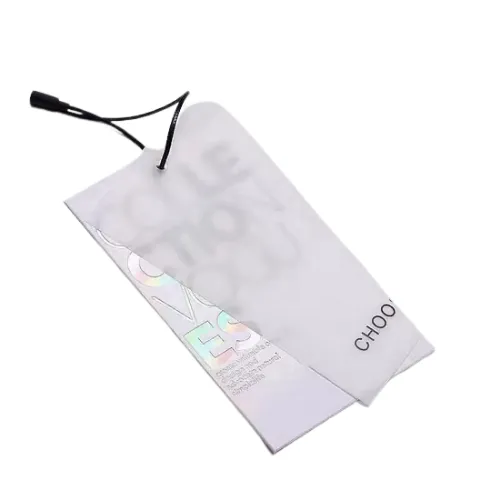
Plastic hang tags
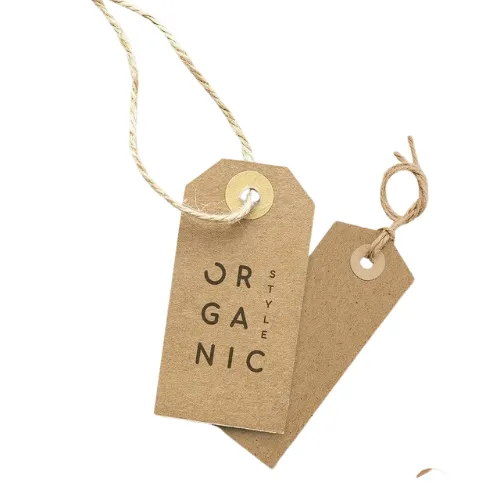
Eco-friendly Hang Tags
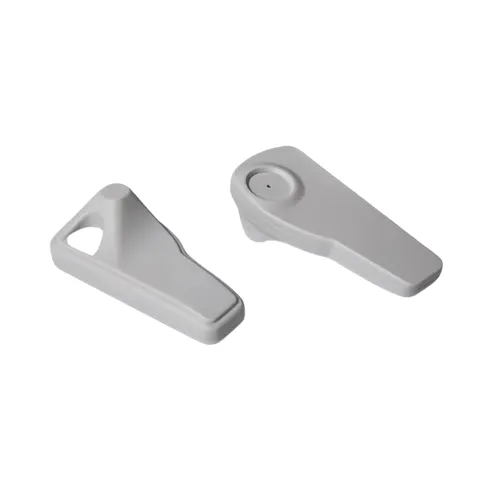
RFID Tags
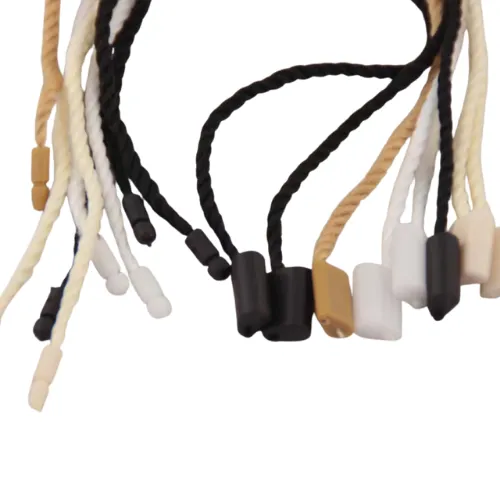
Hang tag string
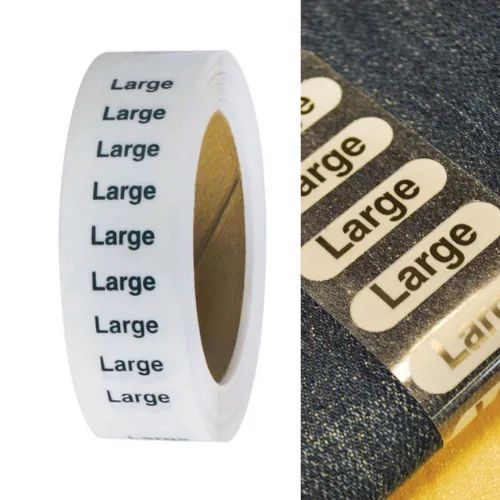
Size Strip
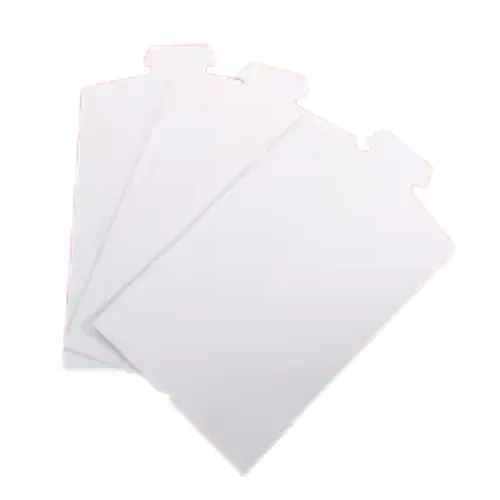
Backboard
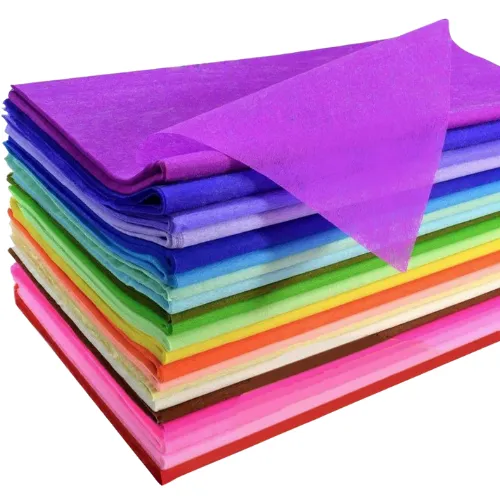
Tissue Paper
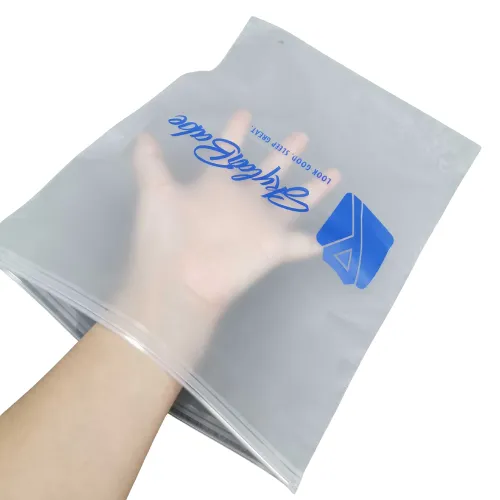
Custom Printed Poly
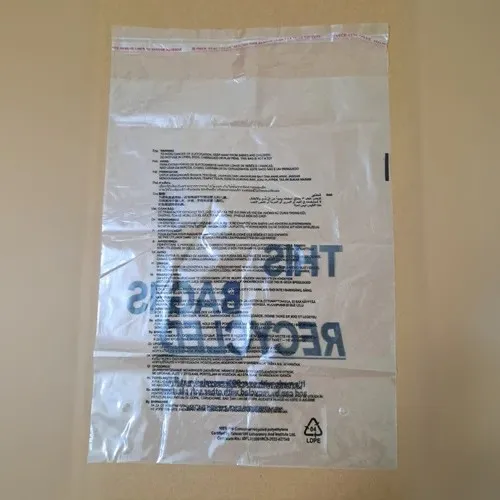
Standard Polybags
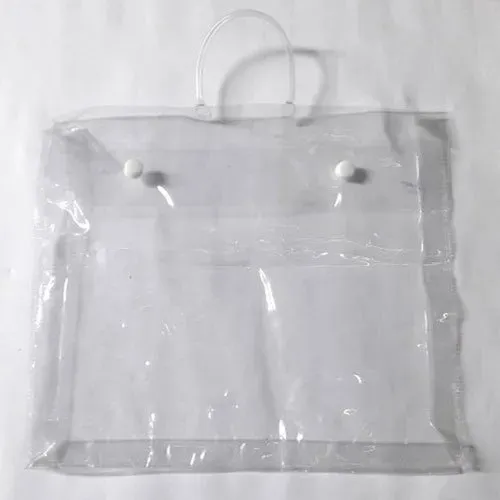
Button Closure Poly
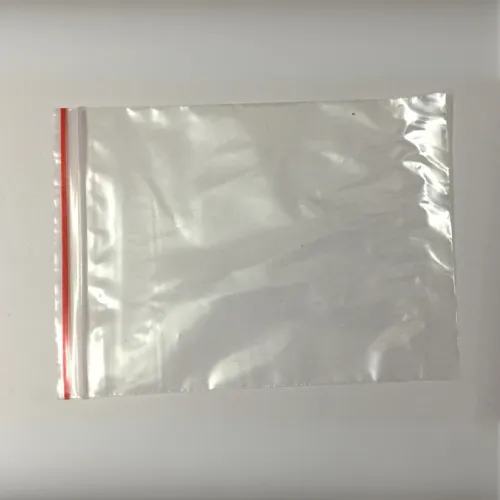
Zip Lock Poly
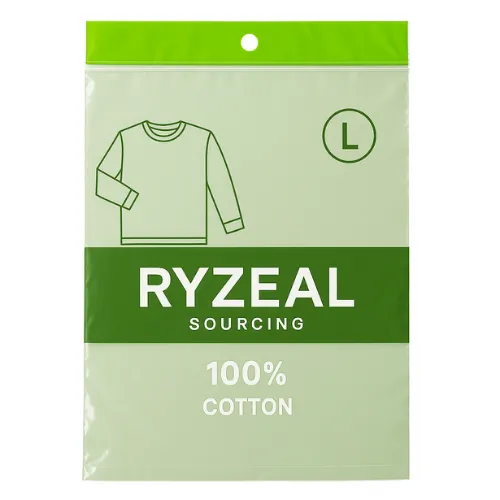
BOPP Poly
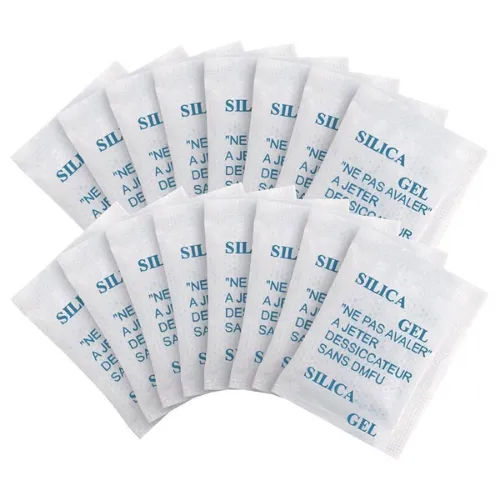
Silica Gel
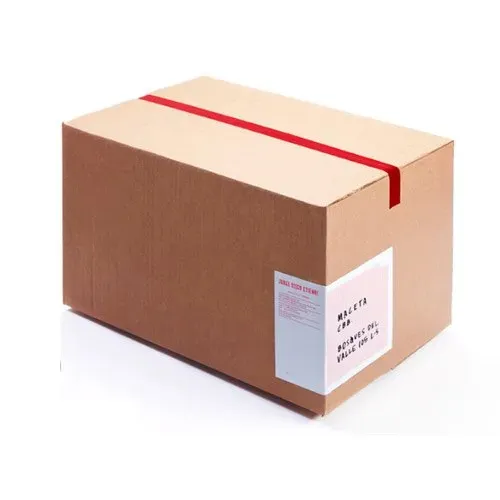
Carton
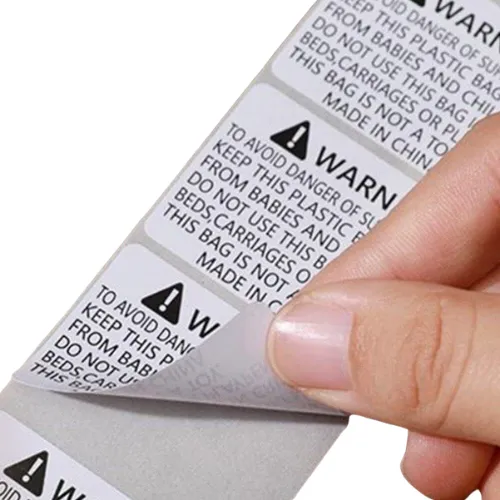
Safety Sticker
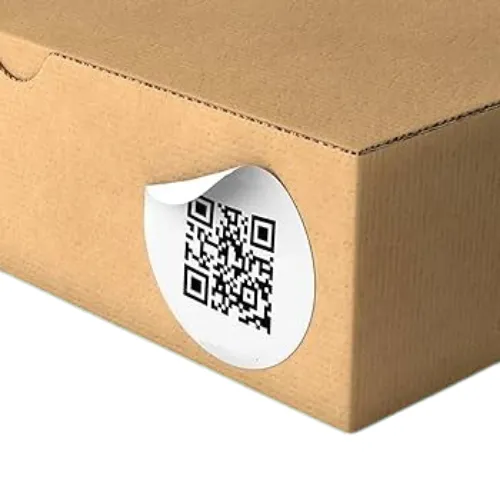
Carton QR Sticker

Safety Sticker
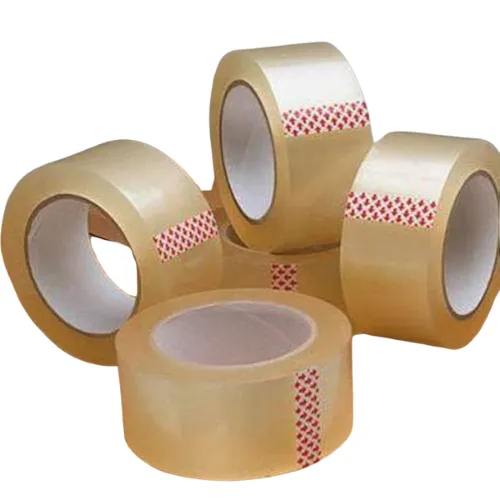
Transparent Tape
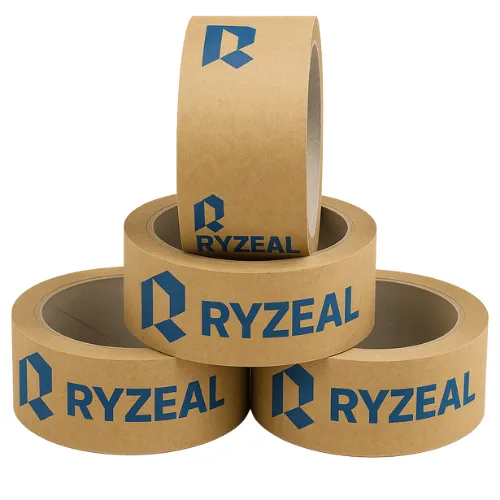
Eco Friendly Tape
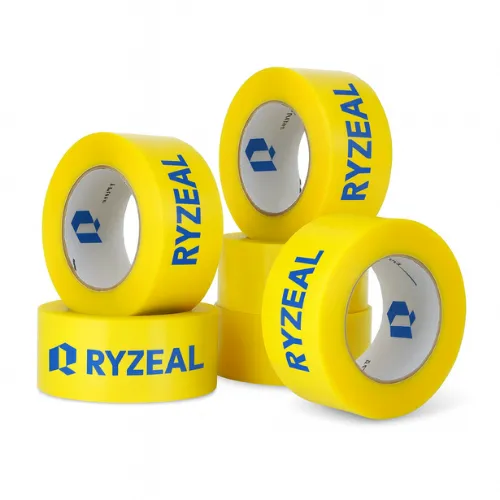
Branded Tape
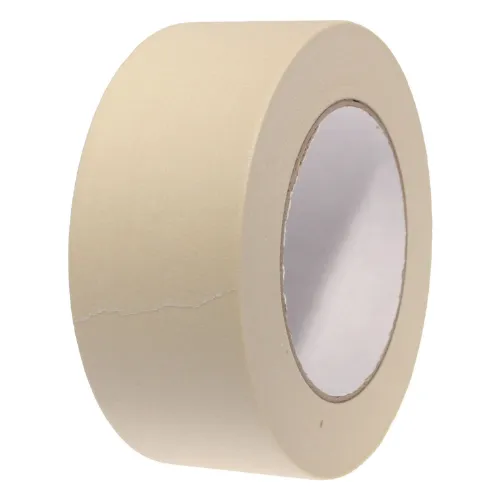
Paper Tape
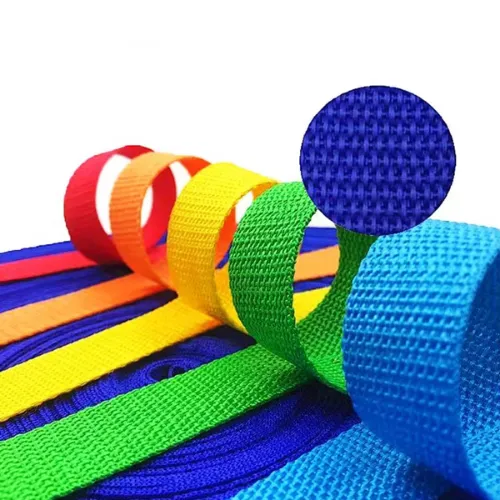
PP Belt
Sweatpants Manufacturing Process And Workflow
Sweatpants development begins when the buyer shares the intended fit, wearer ranges, fabric, GSM, waistband, pockets, leg shape, inseam, colors, branding, finishing, quantity, packaging, and destination.
RYZEAL reviews the rise, seat, thigh, knee, leg opening, waistband extension, cuff, pocket construction, artwork placement, and commercial feasibility before sampling.
Approved body fabric, rib, elastic, drawcords, pocket bags, thread, zippers, labels, and colors are inspected before cutting. Fabric relaxation is especially important for fleece and French terry because uncontrolled relaxation can affect inseam, rise, and leg measurements.
Printing, embroidery, appliqué, or patches may be applied to cut panels before sewing when precise placement is required. Construction then proceeds through pocket preparation, front and back rise joining, inseam, outseam, waistband, drawcord, cuffs or hems, labels, and finishing.
The visual workflow follows:
Contact RYZEAL, Confirm Design, Fabric Selection, Fabric Inspection, Cutting, Embroidery, Printing, Sewing, Ironing, Finishing, Packaging, Shipping.
The sequence may change according to garment dyeing, washing, panel printing, embroidery, heat treatment, or specialist construction. Finished sweatpants proceed through measurement checks, workmanship inspection, decoration review, folding, packing, and shipment preparation.
1. Contact Ryzeal
2. Confirm Design
3. Fabric Selection
4. Fabric Inspection
5. Cutting
6. Embroidery
7. Printing
8. Sewing
9. Ironing
10. Finishing
11. Packaging
12. Shipping
FAQ
What Is Your Minimum Order Quantity For Custom Sweatpants?
Our standard MOQ for knitted sweatpants starts from 50 pieces per color and style. Woven or hybrid products generally start from 100 pieces, while heavyweight, highly washed, or complex designs may require 200 pieces.
Can I Fully Customize The Sweatpants Design?
Yes. Buyers can customize the fit, rise, inseam, fabric, GSM, waistband, drawcord, pockets, cuffs, colors, printing, embroidery, labels, finishing, and packaging.
Can I Request A Sweatpants Sample Before Bulk Production?
Yes. A development sample normally takes around 5-7 days after the design, measurements, fabric, artwork, trims, payment, and technical information are confirmed.
Do You Offer Eco-Conscious Fabric Options For Sweatpants?
Yes. Depending on availability and certification scope, RYZEAL can source organic cotton, recycled polyester, recycled cotton blends, and other documented material options.
Can I Order Sweatpants In Multiple Colors And Sizes?
Yes. Men’s, women’s, and children’s sweatpants can be produced in multiple approved colors and sizes, subject to fabric, dyeing, trims, decoration, and order minimums.
What Payment Options Are Available For Sweatpants Orders?
We accept multiple payment methods, including T/T, L/C, MoneyGram, Western Union, and other agreed payment methods depending on order type, buyer location, and transaction terms.
Yes. RYZEAL manufactures sweatpants, joggers, track pants, shorts, leggings, hoodies, sweatshirts, tracksuits, and coordinated fleece collections for Men, Women & Kids.
Related sweatpants pages:
Men’s sweatpants
Women’s sweatpants
Kid’s sweatpants
No. RYZEAL mainly produces custom-made sweatpants according to the buyer’s approved fit, fabric, size range, colors, branding, quantity, and packaging.
Yes. We can develop petite, regular, tall, extra-long, extended, stacked, wide-leg, baggy, cropped, and buyer-specific size ranges.
Bulk production normally takes around 30-45 days after the sample, fabric, colors, artwork, trims, finishing, packaging, and commercial approvals are completed.
RYZEAL coordinates global shipping to the USA, Canada, Europe, Australia, the Middle East, Asia, Africa, and other international markets.
We generally follow a structured Sample-to-Bulk Production Workflow. Buyers either
(1) confirm the order first, then we develop and ship approval samples, collect staged payments (20%–50%–30%), move into bulk production with inspection, and finally ship after balance payment;
or (2) request samples first by paying a sample charge, review and approve those samples, and then place the bulk order under our standard production and payment terms.
For full step-by-step details, please review our Sample to Bulk Production Process Guide.
Sweatpants Design Collections for Your Brand
Explore custom sweatpants for men, women, and children, including tapered joggers, heavyweight fleece pants, straight-leg sweatpants, open-hem lounge bottoms, baggy silhouettes, stacked sweatpants, wide-leg women’s styles, cargo joggers, flared bottoms, school sweatpants, camo products, performance pants, and matching sets.
Buyers may select an existing direction, combine technically compatible elements, or provide an original tech pack, sample, sketch, artwork, measurement chart, or mood board.
RYZEAL can adapt the fit, rise, inseam, leg shape, fabric, waistband, pockets, cuffs, colors, branding, washing, labels, and packaging for the intended customer and market.
SS 26 Design Collection
WS 26 Design Collection
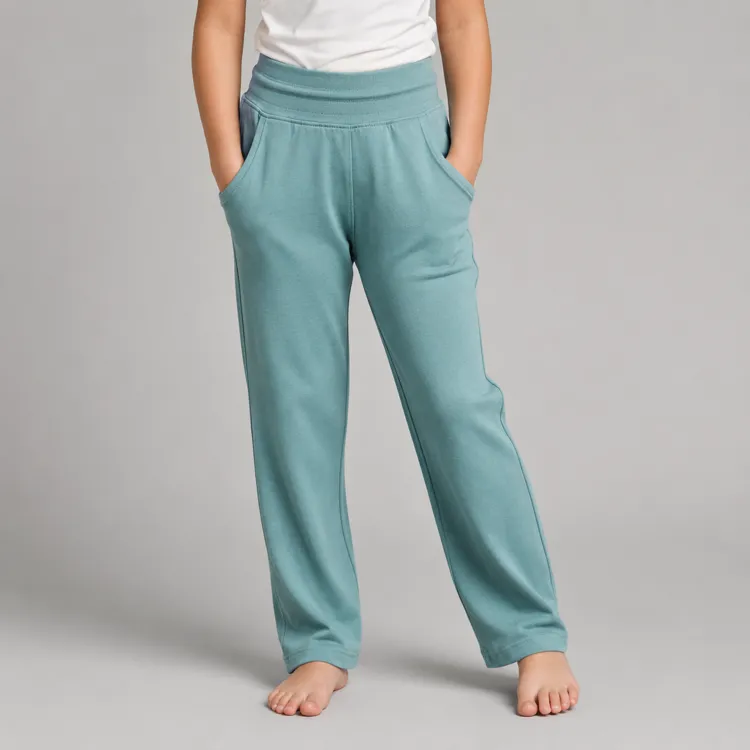
SS 27 Design Collection
WS 27 Design Collection
Interested in reviewing the complete collection? Catalogues are shared with qualified buyers.
Request for Sweatpants Quotation
Share your required styles, quantities, wearer ranges, size charts, fabrics, GSM, colors, pockets, waistbands, artwork, trims, finishing, packaging, and destination.
Attach any available samples, technical drawings, measurement charts, print files, embroidery artwork, or reference images.
RYZEAL will review development feasibility, material options, sampling, costing, and the proposed bulk-production schedule.
Garment Details
Prefer a Face-to-Face Online? Let’s Meet...
About Us
RYZEAL SOURCING (Trade Name of RYZEAL LTD.) is a Bangladesh-based apparel manufacturing and sourcing partner and garments buying house – helping brands, wholesalers, retailers, importers, and clothing businesses manufacture clothing in Bangladesh. We manage production through a vetted network of specialized garment manufacturers selected according to product type, materials, quantity, quality, compliance, and market requirements. Our network supports knit, woven, denim, sweater, activewear, workwear, and other apparel categories, while one RYZEAL team coordinates development, sourcing, sampling, production follow-up, quality control, compliance, and shipment.
We don’t just deliver products – we help build brands.
Our Services
End-to-End Apparel Sourcing & Manufacturing Support
Product Design & Development
We turn ideas, sketches, references, or tech packs into production-ready garment designs with clear style, fit, fabric, and manufacturing direction.
Fabric & Material Sourcing
Pattern Making & Sampling

Bulk Production
Quality Assurance

Compliance Management
Logistics & Shipping

Merchandising & Reporting
How It Works: Simple, Transparent Apparel Manufacturing Process
STEP 1 – Share Your Design or Requirement
Send us your tech pack, reference images, or product idea. Our merchandising team reviews feasibility, fabric options, and customization requirements.
STEP 2 – Costing, MOQ & Timeline Confirmation
STEP 3 – Sampling & Approval
STEP 4 – Bulk Production & Shipment
Why Choose Bangladesh and RYZEAL SOURCING?
Bangladesh has earned global trust as a competitive apparel manufacturing destination, serving many international brands with large-scale production capacity, skilled labor, and strong export experience. Yet for smaller brands and SME buyers, working directly with large factories can be challenging because many production units prioritize high-volume orders and offer limited flexibility.
RYZEAL SOURCING is built to make Bangladesh manufacturing more accessible. We help buyers benefit from competitive pricing, reliable factory expertise, flexible MOQ planning, organized sample development, quality control, and scalable production support. Whether you are starting small or planning future growth, our role is to connect your brand with the right manufacturing solution in Bangladesh.
Bangladesh Manufacturing Advantage
Why Brands Work With RYZEAL SOURCING
Transparent Costing & Realistic MOQs
Clear pricing with no hidden surprises, plus MOQ guidance based on product type, fabric, trims, and production complexity.
Structured Sampling Process
From tech pack review to final approval, we follow a clear sampling process to keep development organized and on track.
Order & Production Management
We manage factory communication, approvals, production timelines, progress updates, and key order follow-up.
Certified & Responsible Factories
We work with vetted manufacturing partners selected for capability, quality, compliance, and buyer requirements.
Strong Quality
Control System
We monitor fabric sourcing, production, and final inspection to ensure consistent quality in every shipment.
Flexible
Production Scale
We support both small trial orders and scalable bulk production, helping brands start carefully and grow with confidence.
Reliable
Lead Times
Clear schedules, production follow-up, and coordinated logistics help you meet delivery targets with better confidence.

Long-Term Partnership Approach
We focus on repeat production, stable partnerships, and helping brands expand sustainably - not one-off deals.
Certifications & Compliance Standards
Certificates of the following icons are shared on request based on product and factory selection.













Frequently Asked Questions
Is RYZEAL SOURCING a clothing manufacturer, sourcing partner, or garments buying house?
RYZEAL operates as an apparel manufacturing and sourcing partner and garments buying house in Bangladesh.
We help buyers manufacture clothing through a vetted network of specialized manufacturers while our team coordinates factory sourcing, product development, materials, sampling, merchandising, production follow-up, quality control, compliance support, and shipment.
This model gives buyers access to broader manufacturing capabilities while maintaining one coordinated point of contact.
What is the official registered name of your company?
Our registered legal name is RYZEAL LTD., and we operate globally under the trade name RYZEAL SOURCING.
What is your office address in Bangladesh?
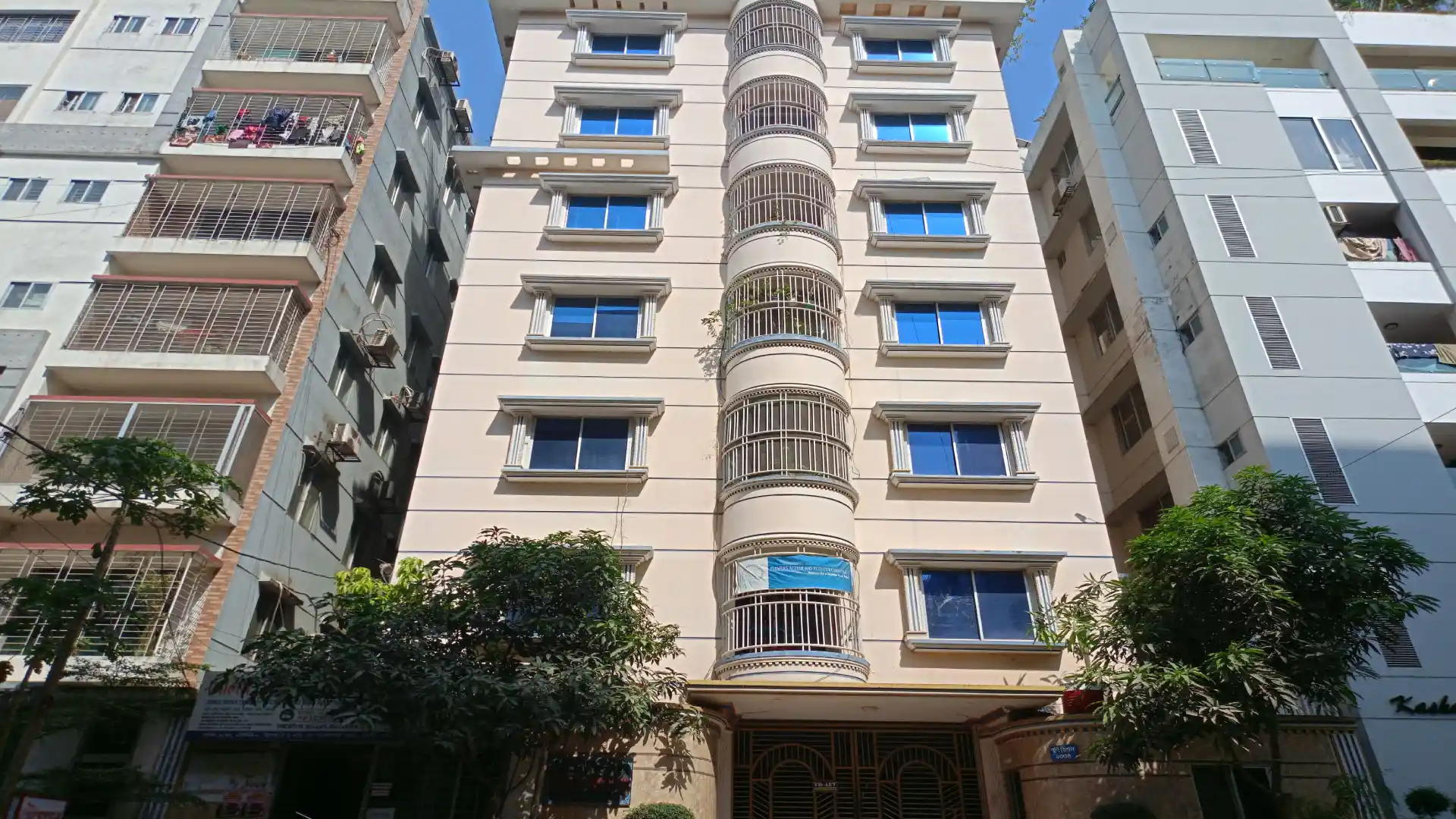
Ryzeal’s Bangladesh Office address is – House #1034 (1st Floor), Avenue #8, Mirpur DOHS, Pallabi, Dhaka-1216, Bangladesh.
You can check out RYZEAL on Google Maps
Do you have an office in China?
Yes. Our China office is located at Room 4206, Tower 1, Jinghua Plaza, Nanhai District, Foshan City, Guangdong Province, China.
How can I contact RYZEAL through WhatsApp?
You can reach RYZEAL SOURCING directly via WhatsApp at +8801958374060
How can I contact RYZEAL for inquiries or project discussions?
You can reach us directly through our official communication channels. For business inquiries, project discussions, or sourcing-related questions, you may contact our Managing Director, Md. Matiur Rahman, through the following:
Email: md@ryzealsourcing.com
WhatsApp: +8801958374060
You can also use our general office contact form for structured inquiries: Click to Visit the Contact Form Page
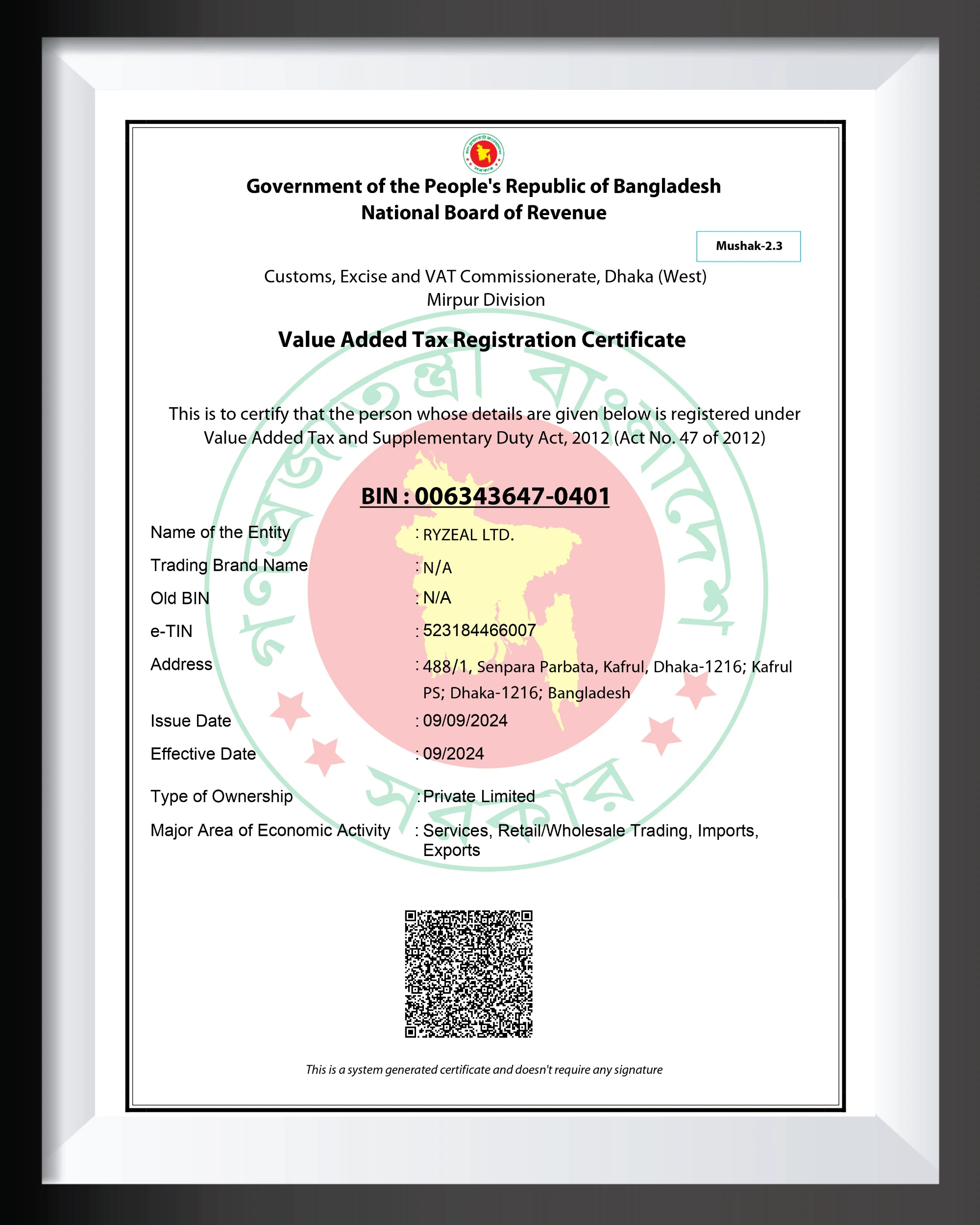
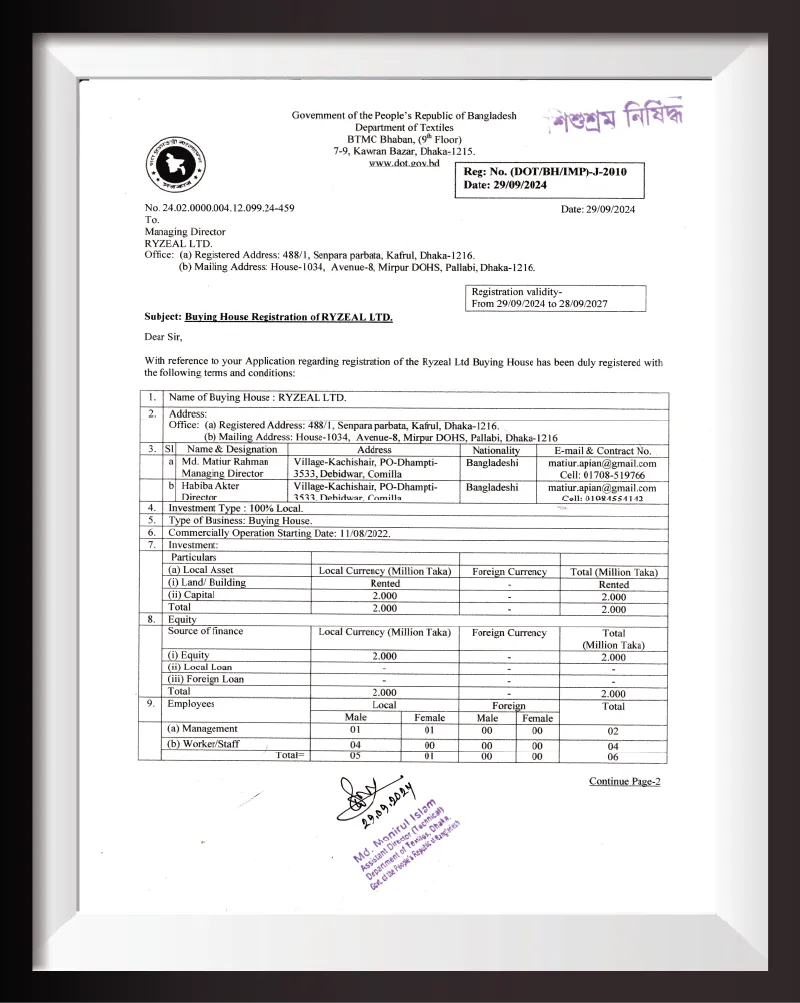
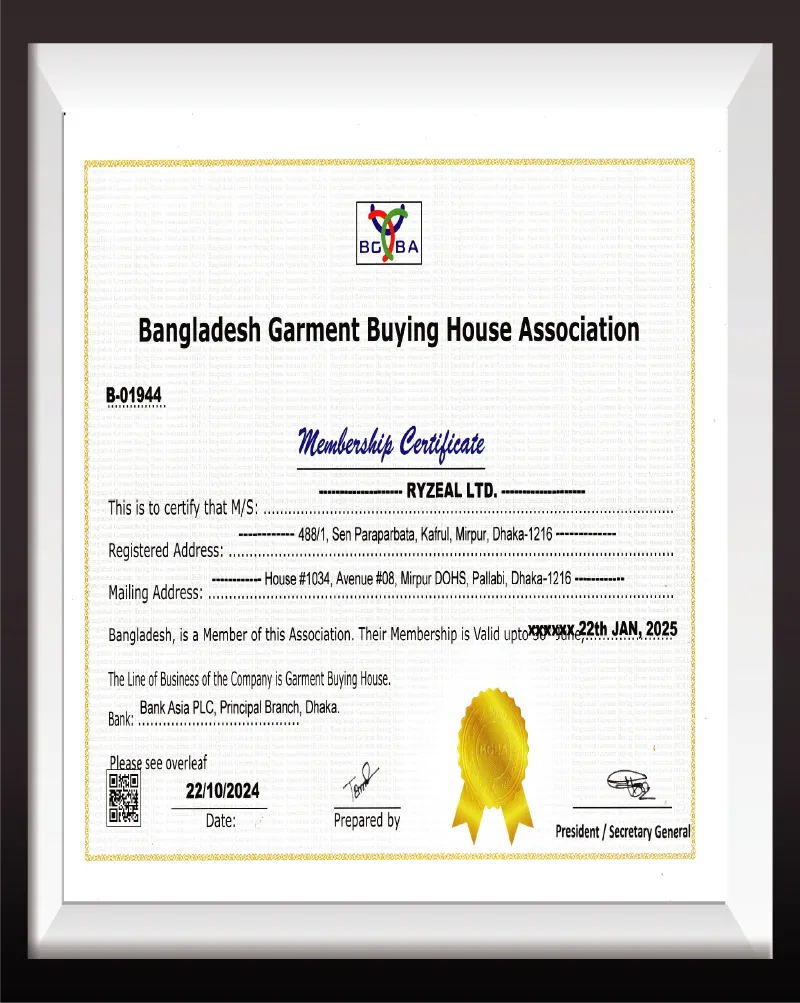
What legal certifications and documents does RYZEAL hold?
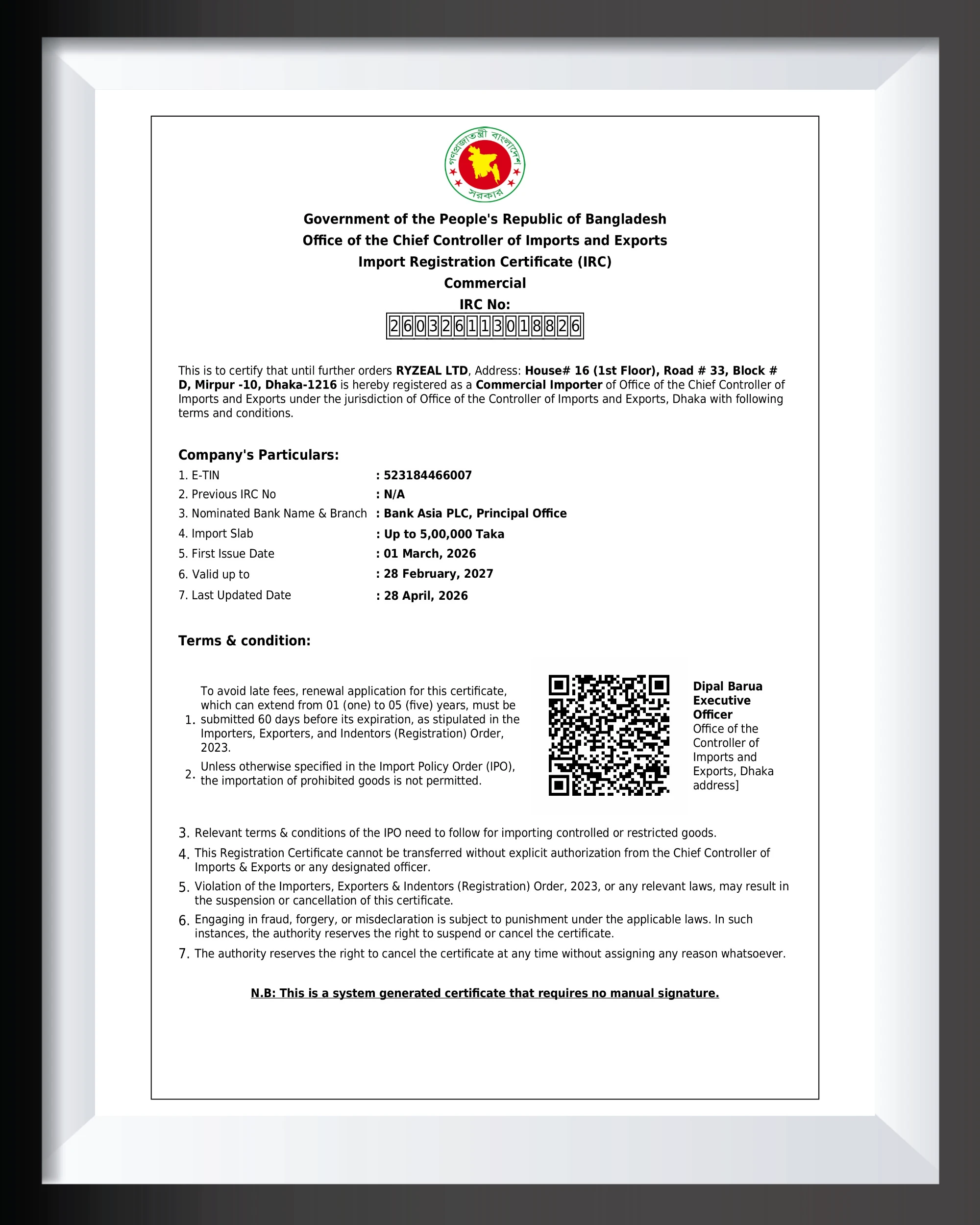
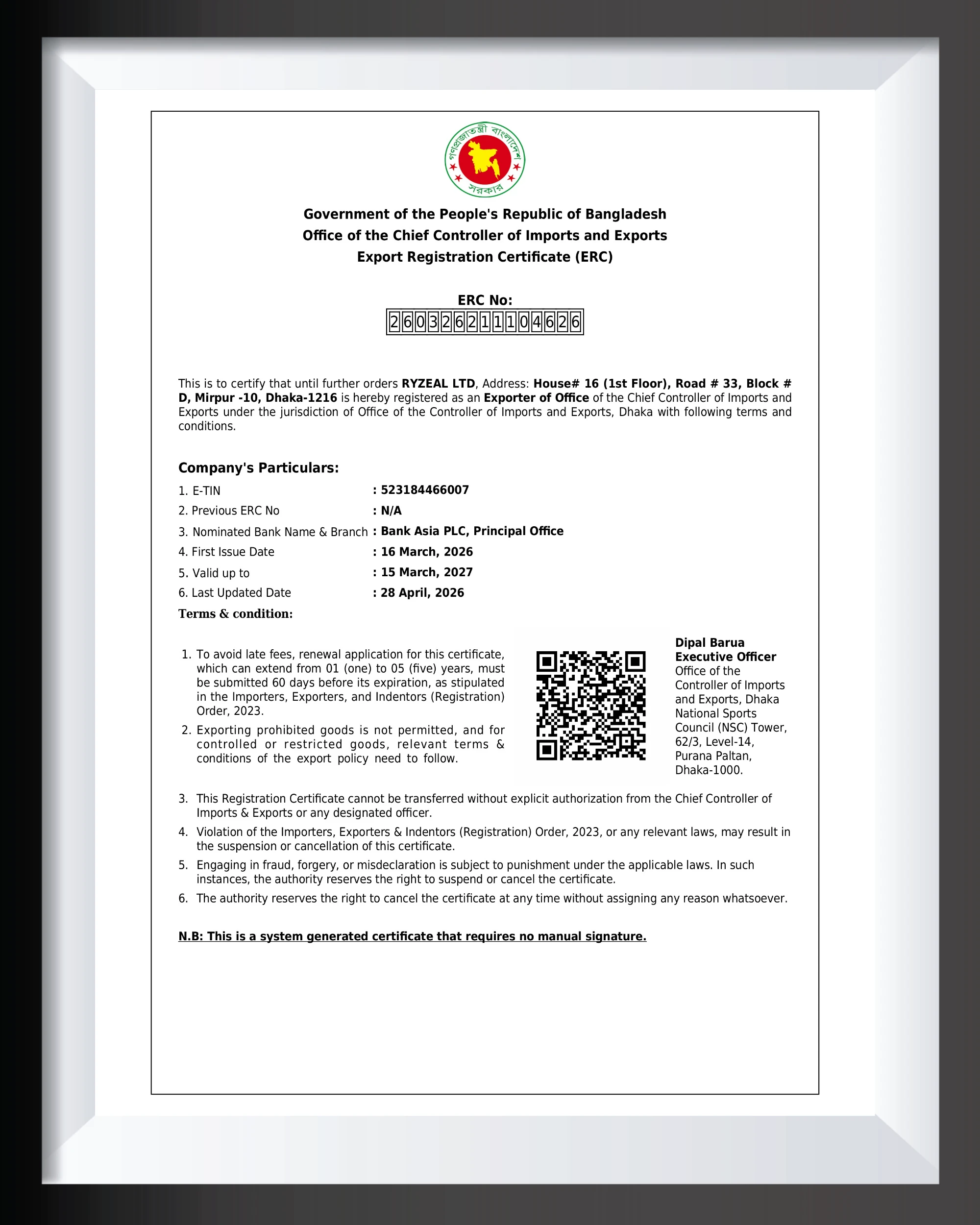
RYZEAL SOURCING maintains multiple operational and legal certifications, including:
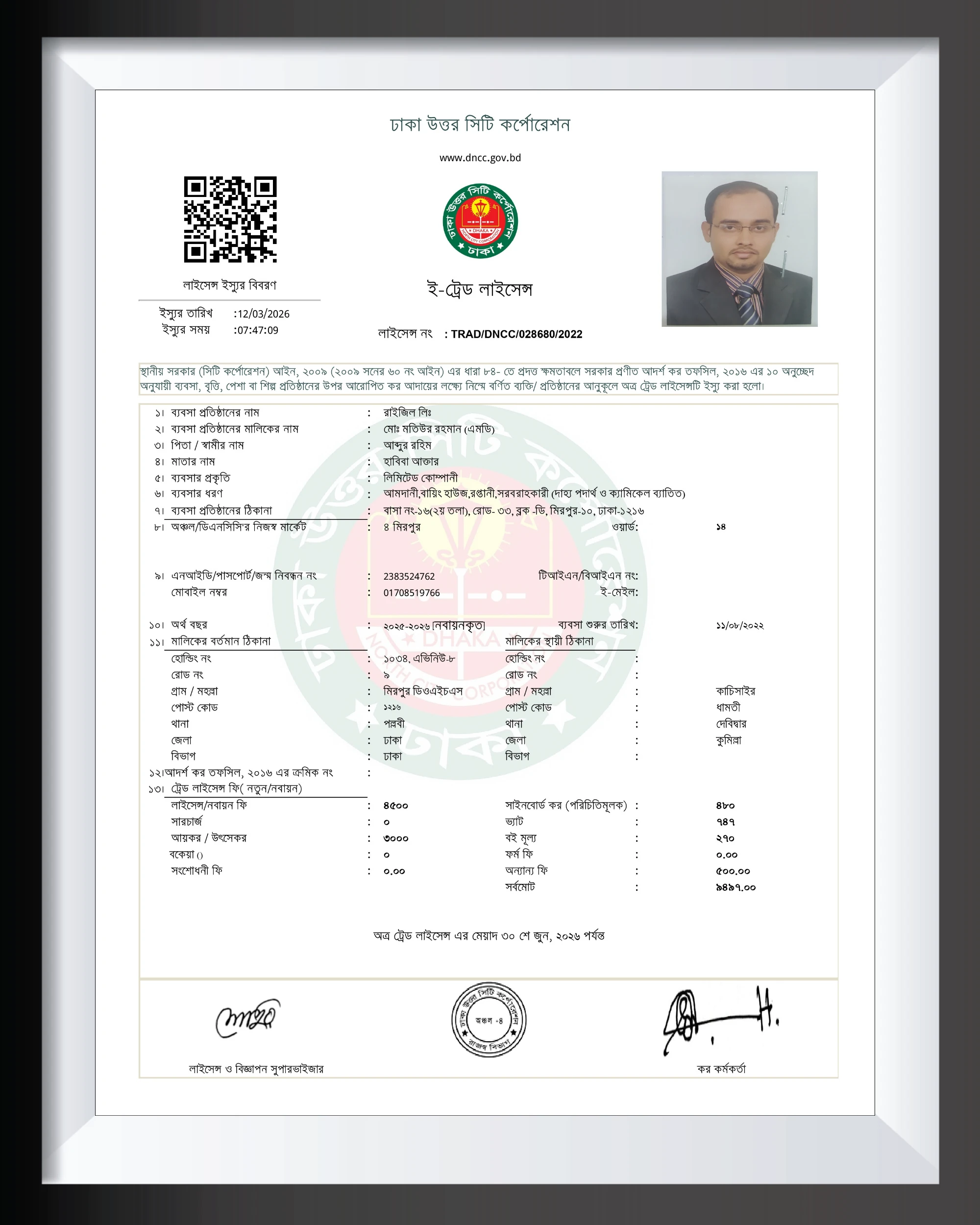
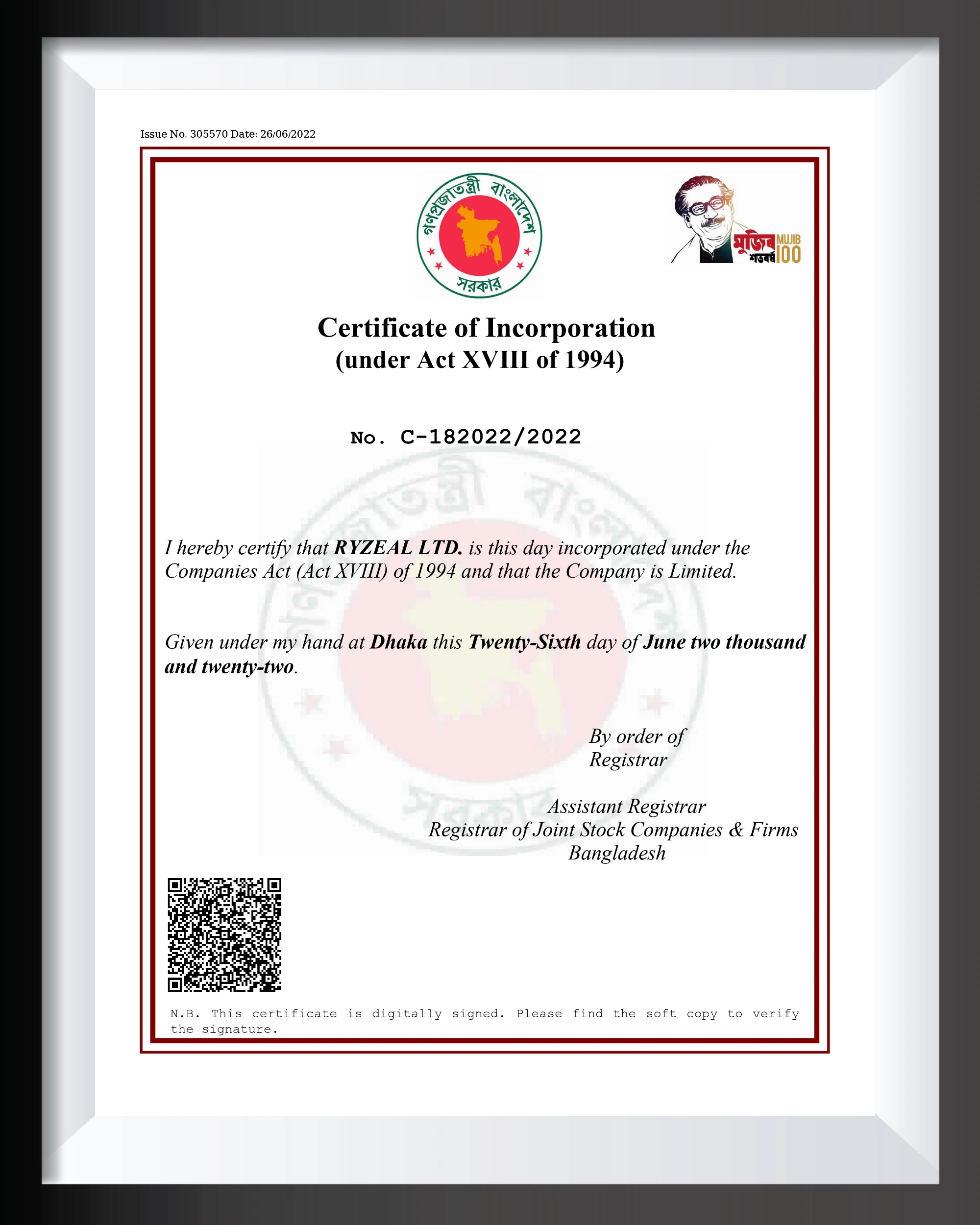
Trade License: TRAD/DNCC/028678/2022
Incorporation No.: C-182020/2022
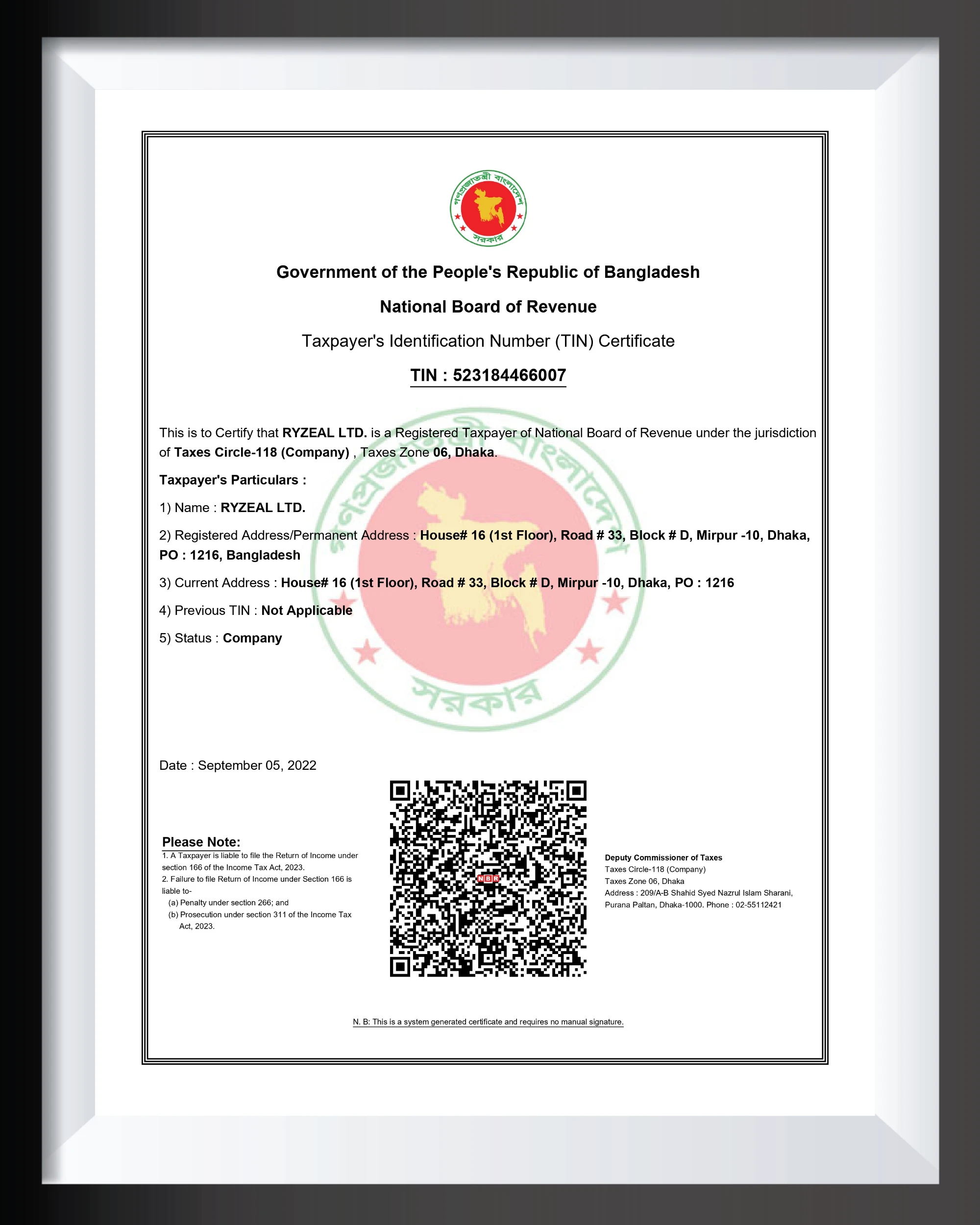
TIN: 459793941431
BIN: 002139014-0202
DoT Registration: (DOT/BH/IMP)-J-2010
BGBA Membership: B-01944
D-U-N-S Number: 73-223-1139
Can you share Google Map directions to your office?
Yes. You can locate RYZEAL SOURCING here:
Click to visit google Map
Does RYZEAL provide a team photo gallery or company visuals?
Yes. We maintain a curated photo library that includes office visuals, team images, and corporate materials. These can be supplied as needed.
To check out our full gallery please visit our page: Photo Gallery
What are your official social media pages?
YouTube: https://www.youtube.com/@RyzealSourcing
LinkedIn: https://www.linkedin.com/company/ryzeal-sourcing/
Facebook: https://www.facebook.com/RyzealSourcing/
Instagram: https://www.instagram.com/ryzealsourcing/
Twitter/X: http://x.com/ryzealsourcing
Pinterest: https://www.pinterest.com/RyzealSourcing/
Tiktok: https://www.pinterest.com/RyzealSourcing/
How is RYZEAL written in different languages?
English: RYZEAL SOURCING
Bangla: রাইজিল সোর্সিং
Arabic (العربية): رايزيل تورسينغ
French (Français): RYZEAL SOURCING
Spanish (Español): RYZEAL SOURCING
Portuguese (Português): RYZEAL SOURCING
German (Deutsch): RYZEAL SOURCING
Italian (Italiano): RYZEAL SOURCING
Russian (Русский): РАЙЗИАЛ СОРСИНГ
Chinese Simplified (中文): 莱泽尔采购
Chinese Traditional (繁體中文): 萊澤爾採購
Japanese (日本語): ライジールソーシング
Korean (한국어): 라이질 소싱
Turkish (Türkçe): RYZEAL Tedarik
Malay (Bahasa Melayu): RYZEAL SOURCING
Indonesian (Bahasa Indonesia): RYZEAL SOURCING
Hindi (हिन्दी): राइजील सोर्सिंग
Urdu (اردو): رائزیل سورسنگ
Thai (ไทย): ไรซีล ซอร์ซิ่ง
Vietnamese (Tiếng Việt): RYZEAL SOURCING
Persian/Farsi (فارسی): رایزیل سورسینگ
What payment methods do you accept?
RYZEAL SOURCING accepts various payment methods, including T/T, L/C, MoneyGram, Payoneer, PayPal, Visa, Mastercard, Western Union.
What's your MOQ for an order?
We start from 500-1000 pcs/style/color but can adjust based on buyer needs. But this may vary depending on the clothing item and style.
What year was RYZEAL SOURCING founded?
RYZEAL LTD. was founded on 26 June 2022.
How many team members does RYZEAL have?
We currently have a team of 15 members.
Who is the Managing Director of RYZEAL?

Our Managing Director is Md. Matiur Rahman, an industry professional with extensive sourcing and manufacturing leadership experience.
Where can I find the business card and contact details of the Managing Director?
Our managing director’s direct email is md@ryzealsourcing.com
and verified WhatsApp link is:
https://wa.me/+8801958374060.
You can get the virtual visiting card upon request.
What makes RYZEAL SOURCING different from other Clothing Manufacturer?
RYZEAL combines apparel manufacturing support, sourcing, and buying-house services through a vetted network of specialized manufacturers.
Instead of limiting every order to one factory’s product category, machinery, MOQ, or capacity, we match each program with suitable manufacturing capability and coordinate development, merchandising, quality control, compliance, and shipment through one RYZEAL team.
Do you have experience working with major brands or retailers?
As a Clothing Manufacturer sourcing company, we haven’t worked with major brands or retailers, but our team members have experience working with major brands or retailers in their previous job roles.
Do you offer private labels and custom design?
Yes! We offer full private label solutions with custom tags, embroidery, prints, and packaging.
How do we start working with RYZEAL SOURCING?
Just contact us with your requirements. We’ll guide you through everything, from product development to final delivery.
Are the factories you work with certified for ethical and sustainable production?
Yes, we prioritize BSCI, SEDEX, WRAP, and LEED-certified factories to ensure ethical labor practices and environmental sustainability.
Can you ship to my warehouse in my country?
Yes. We offer FOB, CIF, or DDP shipping to any country’s port or address.
Talk Directly With Our Merchandising & Sourcing Team
Get clear guidance on pricing, MOQ, sampling, and production directly from our merchandisers.

Discover essential Sweatpants sourcing knowledge that May gives your brand a competitive edge!
1. How Global Demand Is Reshaping The Sweatpants Manufacturer Market
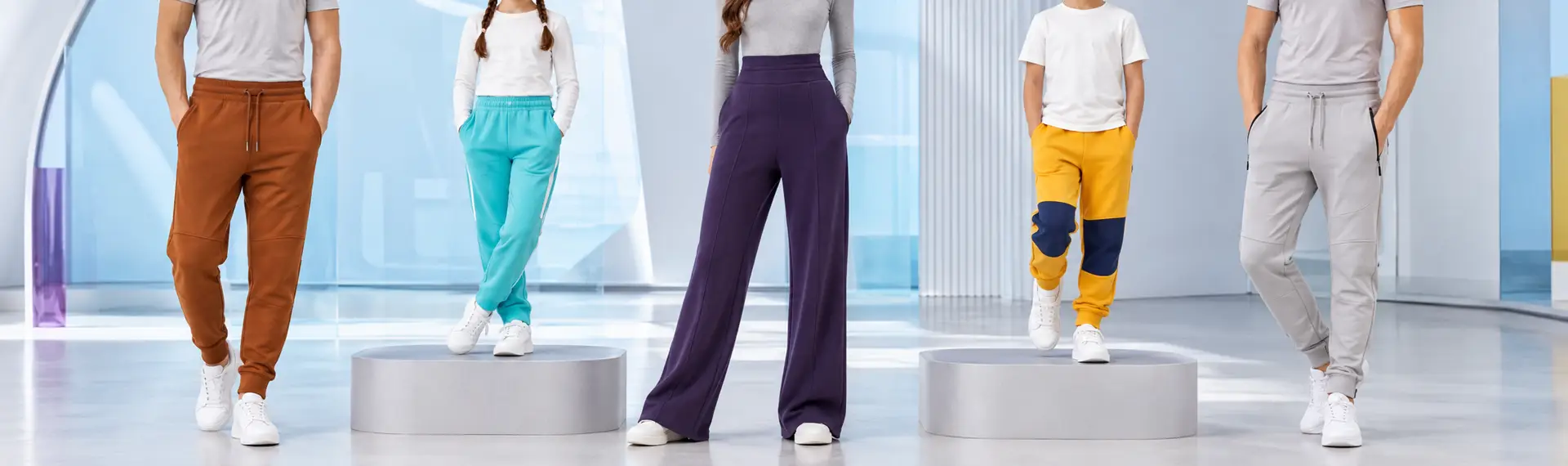
Sweatpants now support leisurewear, streetwear, school uniforms, team apparel, travel collections, gym clothing, creator merchandise, work-from-home ranges, and coordinated family products. Their commercial role has expanded alongside changes in leg shape, fabric weight, pocket systems, waist construction, finishing, and decoration.
A tapered gym jogger, heavyweight baggy style, women’s wide-leg bottom, men’s stacked sweatpant, and children’s school pant cannot be developed from one general pattern. A capable Sweatpants Manufacturer must translate the product’s purpose into a suitable rise, waist, hip, thigh, inseam, lower-leg shape, fabric, and construction route.
Sweatpants Serve Several Commercial Markets
Everyday leisure sweatpants usually prioritize softness, practical pockets, comfortable waist pressure, and dependable laundering. School and team products require stable sizing, durable colors, repeat availability, and secure construction.
Streetwear collections may use dense fleece, deep rises, broad legs, stacked lengths, garment washes, cargo pockets, and large graphics. Athletic joggers often need a closer leg shape, movement through the seat and thigh, stretch, lighter fabric, and zipped storage.
Women’s sweatpants can include high-rise tapered styles, wide-leg bottoms, cargo silhouettes, flared hems, tall lengths, petite proportions, and more polished trouser-inspired products. Children’s collections require age-appropriate waist extension, rise, inseam, pocket access, and leg volume.
The same commercial category therefore contains products with very different technical requirements.
Joggers, Sweatpants And Track Pants Are Not Identical
Joggers generally use a tapered lower leg with ribbed, elasticated, or self-fabric cuffs. Sweatpants can also use straight legs, open hems, wide silhouettes, flared openings, split hems, stacked lengths, or baggy construction.
Track pants are often associated with smoother tricot, interlock, double knit, or woven performance materials. Sweatpants more commonly use French terry and fleece, although the categories can overlap.
Product names alone should not determine manufacturing. The technical specification should define the waist, rise, hip, thigh, knee, calf, inseam, cuff, and leg opening.
This distinction helps prevent a buyer’s relaxed open-hem reference from being interpreted as a conventional tapered jogger.
Core And Statement Collections Need Different Roles
Core wholesale sweatpants may begin with black, navy, charcoal, athletic grey, cream, and neutral colorways. Regular tapered or open-hem silhouettes can support recurring retail, school, merchandise, and team programs.
Statement styles may introduce:
- Heavyweight fleece
- Baggy proportions
- Stacked lower legs
- Cargo pockets
- Women’s wide-leg silhouettes
- Camouflage prints
- Pigment washes
- Large side-leg graphics
Shared fabric, elastic, drawcords, labels, thread, and packaging can make the collection more commercially practical. Visible differences can then come from leg shape, rise, pocket design, color, artwork, or finishing.
Men’s, Women’s And Children’s Fits Must Remain Separate
Men’s sweatpants may use regular, tapered, relaxed, baggy, open-hem, cargo, stacked, or tall proportions. Men’s stacked sweatpants wholesale programs require controlled additional length rather than a simple unrestricted inseam extension.
Women’s sweatpants need product-specific waist placement, hip shaping, rise, thigh ease, knee position, and leg profile. Wide-leg sweatpants for women should flow from the hip without unintended pulling or excessive lower-body volume.
Sweatpants for tall women require more than additional fabric at the hem. The rise, knee level, pocket placement, outseam, and inseam should remain proportionally balanced.
Children’s products need separate grading for toddlers, younger children, older children, and teenagers. Adult patterns should not simply be reduced across the range.
Pockets Add Function And Manufacturing Requirements
Wholesale sweatpants with pockets may include side-seam pockets, slanted openings, welt pockets, zipped storage, cargo pockets, back pockets, phone compartments, or concealed security pockets.
Pocket quality depends on opening size, bag depth, placement, reinforcement, fabric, zipper selection, and intended load. A shallow pocket may appear acceptable on a sample but fail during walking or sitting.
Cargo pockets add weight and can change the way a soft leg hangs. Large pockets may need reinforcement, controlled flap dimensions, and suitable placement away from the knee.
Pocket specifications should be developed alongside the complete pattern rather than added after fit approval.
Wholesale Orders Can Become Commercially Fragmented
A buyer may place a bulk order for 3,000 sweatpants, but the quantity can be divided among several fabrics, fits, colors, inseams, pocket types, washes, prints, and size systems.
Each variation may create separate dyeing quantities, patterns, elastic bookings, print screens, embroidery files, labels, and production batches.
Brands sourcing wholesale sweatpants in bulk can improve feasibility through shared fabric platforms, coordinated trims, controlled opening colors, grouped decoration routes, and repeatable core fits.
Complex cargo construction, garment dyeing, stacked lengths, and specialist graphics can then be reserved for smaller statement groups.
Evaluating Sweatpants Manufacturers
BGMEA reports that Bangladesh exported approximately US$38.70 billion in ready-made garments during FY2025-26. Knitwear represented about US$20.62 billion, while woven apparel accounted for roughly US$18.08 billion. These figures cover the broader apparel sector, not sweatpants specifically. Review Bangladesh’s FY2025-26 apparel export performance.
This manufacturing base supports knitting, dyeing, brushing, cutting, pocket preparation, sewing, printing, embroidery, garment washing, inspection, packing, and export handling.
RYZEAL combines its own manufacturing capability with selected specialist facilities. This allows fleece joggers, heavyweight streetwear bottoms, women’s fashion sweatpants, performance products, and children’s ranges to follow suitable production routes.
Bangladesh Provides Relevant Knitwear Capacity
Buyers should assess lower-body fit development, fabric recovery, waistband construction, pocket strength, inseam control, separate grading systems, decoration, finishing, quality inspection, and facility transparency.
A suitable manufacturer should be able to define the intended silhouette through approved measurements and samples rather than depending on broad descriptions such as baggy, premium, or comfortable.
2. How A Sweatpants Manufacturer Controls Waistbands, Fit And Fabric
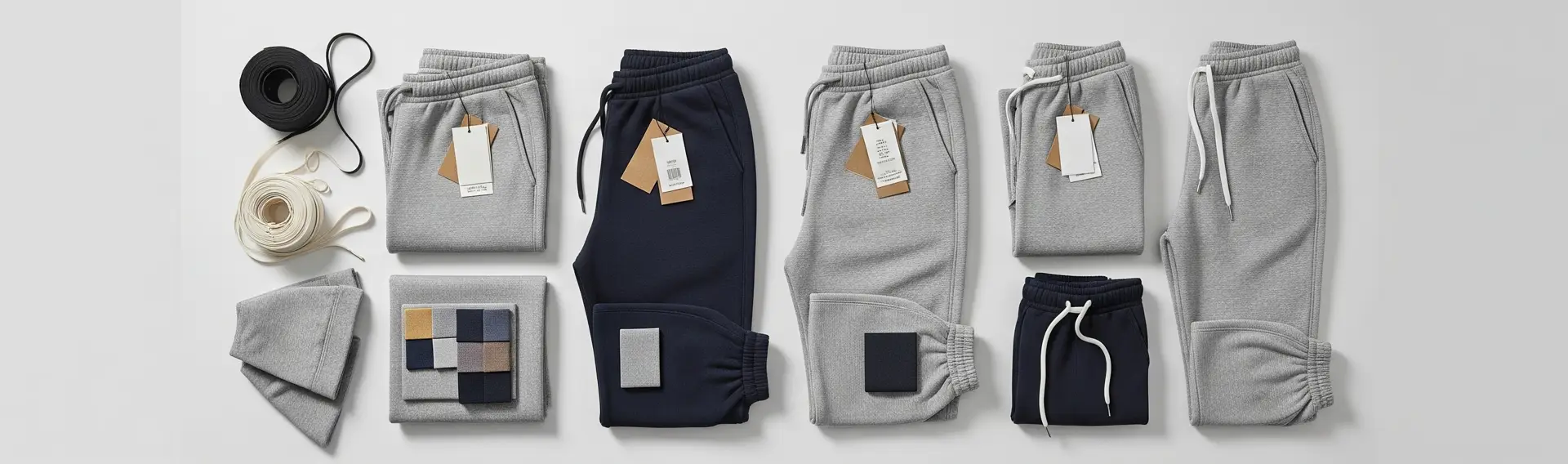
A soft fleece fabric does not automatically produce dependable sweatpants. The waistband can lose recovery, the rise may restrict movement, knees can bag, pockets may open, seams can twist, and the inseam may change after washing.
A reliable Sweatpants Manufacturer controls fabric, elastic, pattern, pockets, sewing, decoration, finishing, and measurements as one product system.
A Reproducible Specification Defines The Product
Terms such as jogger, baggy, straight, stacked, and wide leg can be interpreted differently by different suppliers.
A complete specification should define the intended wearer, activity, rise, waist position, leg silhouette, fabric composition, knit structure, GSM, internal surface, stretch, waistband, drawcord, pockets, cuffs, measurements, decoration, finishing, tolerances, and packaging.
A men’s heavyweight streetwear bottom needs different standards from a women’s high-rise wide-leg style, lightweight performance jogger, or children’s school pant.
The approved fabric, pattern, measurement chart, trim card, artwork, and physical sample create the bulk-production reference.
Fleece And French Terry Need Finished-State Evaluation
French terry has a looped internal surface and can support transitional or lightweight sweatpants. Brushed fleece provides greater insulation and softness but introduces additional considerations around pilling, shedding, compression, and surface appearance.
Relevant fabric checks may include:
- GSM and usable width
- Dimensional stability
- Spirality
- Pilling
- Surface shedding
- Colorfastness
- Rubbing
- Bursting strength
- Stretch and recovery
- Knee and seat appearance
Initial softness does not confirm long-term quality. Fabric should be evaluated after the intended washing or finishing process and in the garment’s actual fit.
A fabric with generous stretch but weak recovery may remain distorted around the knees, seat, or waistband.
Waistband Extension And Recovery Need Control
The waistband should hold the sweatpants securely without creating excessive pressure. Its quality depends on elastic strength, extension, recovery, height, stitching, channel construction, and compatibility with the garment finish.
Both the relaxed and extended waist should be specified. Inspectors should stretch the waistband evenly rather than pulling one section beyond its intended limit.
An internal or external drawcord can provide adjustment, but it should not compensate for weak elastic. Eyelets, buttonholes, cord channels, aglets, and cord ends should remain secure.
Heat treatment, washing, or garment dyeing may affect elastic differently from the body fabric. Recovery should therefore be checked after the approved finishing route.
Rise, Hip, Thigh And Inseam Must Work Together
The front and back rise influence comfort during sitting, bending, and movement. A short rise can restrict the wearer, while excessive rise can create unwanted drop or fabric accumulation.
Hip and seat ease should suit the intended silhouette. Tapered joggers may use controlled thigh volume, while baggy and wide-leg styles require additional ease without losing balance.
The inseam begins at the crotch point and follows the inner leg seam to the bottom opening. It should not be measured along the outer leg.
A correct inseam cannot solve an incorrectly positioned knee, poor rise, unsuitable calf width, or restrictive leg opening. Tall and stacked products need complete pattern adjustments rather than only added hem length.
Pockets And High-Stress Seams Need Reinforcement
The crotch seam, rise, inseam, pocket openings, knees, and inner thighs experience repeated movement and friction.
Pocket bags should suit the intended load. Zipped pockets need smooth operation, secure stops, and adequate reinforcement. Cargo pockets may require controlled volume, bartacks, and flap stability.
Seam construction should suit the fabric weight and stretch. Lightweight performance fabric may require flexible seams, while dense fleece creates additional bulk.
In-line inspection can identify pocket distortion, weak bartacks, uneven inseams, and left-to-right leg imbalance before the defects spread.
Decoration Must Suit Movement And Finishing
Large side-leg prints, puff graphics, embroidery, patches, and garment washes can alter flexibility, drape, and measurements.
Artwork near the knee, seat, pocket opening, or inner leg can experience additional abrasion and stretching. The placement should therefore be tested on the intended garment rather than only on flat fabric.
Dense embroidery may stiffen lightweight sweatpants. Garment washing can change print appearance, thread color, fabric shade, and measurements.
The sequence of printing, embroidery, sewing, and washing should be defined before bulk production.
Children’s Products And US Clothing Requirements
General clothing textiles marketed in the United States are subject to the flammability framework in 16 CFR Part 1610. The standard classifies fabric flammability, and dangerously flammable Class 3 textiles are prohibited for clothing use. Review the CPSC clothing flammability guidance.
Children’s products designed or intended primarily for children aged 12 or younger generally require permanent distinguishing tracking information on the product and packaging, to the extent practicable. Review the CPSC tracking-label guidance.
These obligations are separate from fit, fibre labels, physical testing, component review, and retailer requirements.
Labelling, Certification And Due Diligence Have Different Roles
Textile products marketed in the European Union generally require fibre-composition information using recognized fibre names under Regulation (EU) No 1007/2011. The actual construction should be reviewed when body fabric, rib cuffs, pocket linings, and other components differ.
OEKO-TEX STANDARD 100 tests textile products and components for harmful substances according to intended use. Product Class 1 covers products for babies and children up to three years and carries the strictest requirements and limit values. Certification must cover the relevant product scope.
Final inspection verifies the actual sweatpants, while responsible facility oversight addresses broader supply-chain risks. The OECD garment and footwear guidance supports ongoing risk identification, prevention, mitigation, and remediation rather than one-time document collection.
3. How Sweatpants Are Evolving Across Streetwear, Leisure And Kidswear
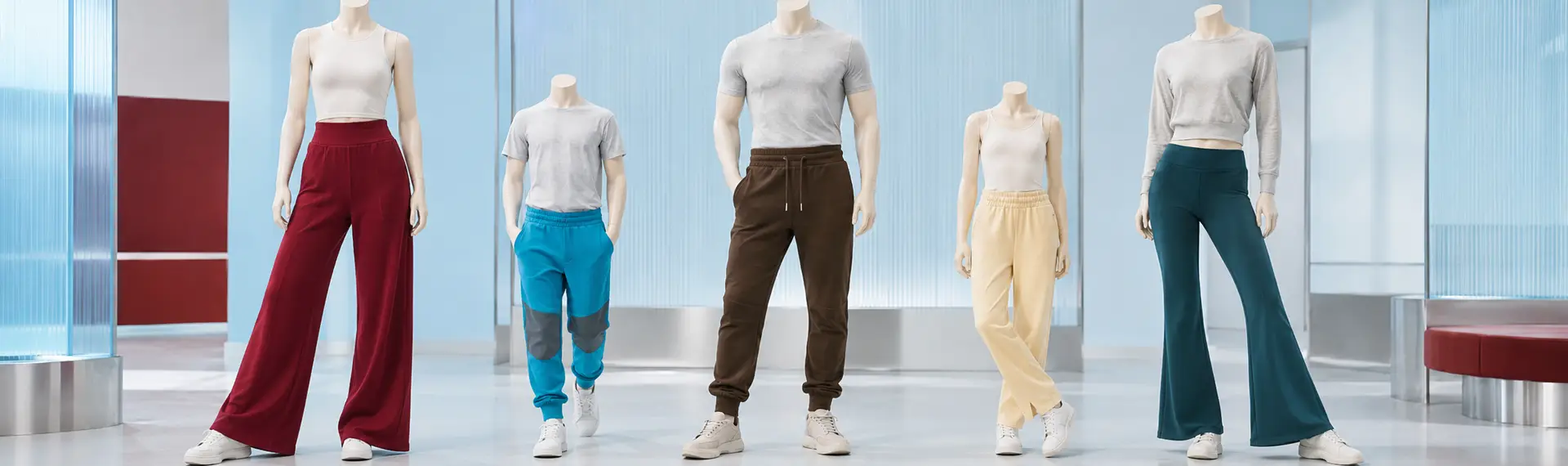
Sweatpants now range from traditional cuffed joggers to structured baggy bottoms, long stacked silhouettes, women’s wide-leg products, cargo styles, performance pants, schoolwear, and coordinated children’s sets.
For a modern Sweatpants Manufacturer, product innovation involves the relationship among rise, leg volume, fabric, recovery, pockets, length, cuffs, decoration, and intended use.
Baggy Sweatpants Are Becoming More Engineered
Baggy sweatpants are not created simply by adding width to a regular jogger.
The rise, seat, hip, thigh, knee, leg opening, pocket placement, and body fabric must support the intended volume. A very wide leg combined with a narrow hip can create pulling, while excessive rise may produce more drop than the buyer expects.
Dense fleece can hold a structured streetwear silhouette. Softer French terry produces more drape and movement.
A baggy sweatpants manufacturer should therefore develop the pattern around the approved fabric rather than using a general oversized block.
Stacked Sweatpants Need Controlled Extra Length
Stacked sweatpants create folds around the lower leg and footwear through additional length and a controlled opening.
The intended effect depends on inseam, outseam, knee position, calf width, fabric recovery, opening size, and the type of footwear used in fitting.
Simply increasing the inseam can produce uncontrolled fabric accumulation or move the knee position too low. The added length should be distributed through a purpose-built pattern.
Men’s stacked sweatpants wholesale programs may also require separate short, regular, and tall options so the stacking effect remains consistent across customers.
Men’s Sweatpants Are Becoming More Specialized
Men’s ranges may include tapered gym joggers, open-hem fleece pants, cargo sweatpants, baggy streetwear products, stacked silhouettes, straight-leg basics, tall fits, and heavyweight blanks.
Tapered performance products need movement through the seat and thigh while remaining controlled around the lower leg. Open-hem products require a balanced relationship among outseam, inseam, knee, and opening.
Tall men’s sweatpants need adjusted rises, knees, pockets, and total proportions. A longer hem alone may leave the rest of the garment unbalanced.
Streetwear bottoms may also use garment dyeing, large graphics, patches, or utility pockets that affect drape and manufacturing.
Women’s Sweatpants Are Expanding Through Silhouette
Women’s sweatpants now include high-rise tapered joggers, wide-leg bottoms, cargo pants, flared hems, petite fits, tall lengths, cotton-rich lounge products, and trouser-inspired styles.
Wide-leg sweatpants for women should fall cleanly from the hip while providing suitable rise and waist shaping. Soft fabric creates a fluid silhouette, while dense fleece can produce a stronger, more structured shape.
Cargo sweatpants for women require careful pocket placement. Large pockets positioned too low can shorten the visual leg line or add unwanted weight.
Women’s sweatpants long and tall ranges require proportional changes to the rise, knee, outseam, inseam, and pocket positions.
Children’s Fashion Needs Age-Based Adaptation
Stacked sweatpants for kids, wide-leg children’s styles, camo products, cargo joggers, and school bottoms can draw inspiration from adult fashion without copying adult proportions directly.
Children’s products need suitable waistband pressure, practical dressing, age-appropriate rises, controlled leg volume, accessible pockets, and safe components.
A heavily stacked toddler product may interfere with movement when the added length is excessive. A wide-leg style should provide fashion volume without creating a dragging hem.
Artwork and pocket dimensions should also change across toddler, child, and teenage sizes.
Performance Sweatpants Are Becoming More Technical
Performance sweatpants may use stretch double knit, polyester-elastane, nylon blends, mapped panels, articulated knees, mesh pocket bags, reflective details, or zipped storage.
The fit should support running, stretching, travel, and warm-up activities. Fabric recovery is especially important around the seat and knees.
Claims such as quick drying, moisture management, anti-odor treatment, water repellency, cooling, or UV-related protection depend on the actual material, finish, garment construction, and test method.
Features should solve a defined customer need rather than being added only to create more marketing language.
Coordinated Sets Are Becoming More Modular
Sweatpants can coordinate with hoodies, crewneck sweatshirts, quarter-zips, track jackets, T-shirts, or children’s casual tops.
A modular collection may offer one hoodie with tapered, straight, cargo, or wide-leg bottoms. This provides customer choice but requires shared color standards, compatible fabric families, product codes, labels, care information, and inventory records.
The top and bottom can coordinate without using identical sizes. Separate product codes make mixed sizing, replacement garments, and repeat ordering easier.
Fibre Claims Require Verification
The Textile Exchange Materials Market Report 2025 states that worldwide fibre production rose from approximately 125 million tonnes in 2023 to 132 million tonnes in 2024. Polyester represented about 59% of total fibre output. Recycled-polyester production increased to roughly 9.3 million tonnes, but its share of polyester production declined to 12%.
These figures describe the global fibre market and do not confirm the composition, certification, or environmental performance of a particular product.
GOTS Version 8.0 was released in March 2026 and becomes fully effective on 1 March 2027 after its transition period. A request for organic cotton does not automatically create a GOTS-certified finished garment.
4. How RYZEAL Solves Sourcing Risks As A Sweatpants Manufacturer

Sweatpants sourcing problems often begin when the fabric, silhouette, waistband, pockets, measurements, and finishing are approved as separate decisions.
RYZEAL connects these elements through a product-specific specification and physical sample before bulk production begins.
Challenge 1: The Silhouette Is Defined Too Broadly
Terms such as jogger, baggy, stacked, relaxed, and wide leg can describe several different products.
A buyer may expect a deep-rise streetwear pant while a supplier develops a regular jogger with additional width. Two garments can share the same half-hip measurement and still look completely different because their rise, thigh, knee, opening, and length differ.
RYZEAL converts the requested style into defined waist, rise, hip, thigh, knee, inseam, outseam, cuff, and opening measurements.
Challenge 2: The Waistband Does Not Hold Or Feel Comfortable
Weak elastic can lose recovery and allow the garment to slip. Excessive tension creates pressure, waistband distortion, or gathering around the upper body.
Problems can also occur when the elastic, body fabric, and stitching respond differently during washing or garment dyeing.
RYZEAL controls the elastic quality, waistband height, relaxed waist, extended waist, channel construction, drawcord, stitching, and post-wash recovery. The drawcord provides adjustment but does not replace suitable elastic.
Challenge 3: Rise, Inseam And Leg Shape Do Not Work Together
A correct inseam cannot compensate for an unsuitable rise, knee position, thigh width, or lower-leg opening.
Stacked sweatpants need controlled additional length. Tall products require proportional adjustment. Wide-leg and baggy styles need enough hip and thigh volume to hang correctly.
RYZEAL evaluates the complete lower-body pattern according to the wearer, activity, fabric, and silhouette. The inseam is measured from the crotch point along the inner leg seam to the bottom opening.
Challenge 4: The Fabric Bags At The Knees Or Seat
A very soft or stretchy fabric can lose shape when its recovery does not suit the garment fit.
Close-fitting knees, tight calves, or insufficient seat ease can increase distortion. Brushing and finishing may also change the fabric’s behavior.
RYZEAL reviews fabric density, stretch, recovery, pilling, finishing, rise, thigh, knee, and intended use together. The garment is assessed after movement and the approved care process rather than only as a new flat sample.
Challenge 5: Pockets Or Decoration Conflict With Movement
Cargo pockets can add weight and change leg drape. Shallow side pockets may release personal items, while dense embroidery can stiffen a lightweight panel.
Large prints near the knees or seat experience repeated flexing and abrasion. Decoration can also interfere with pocket openings or reinforcement.
RYZEAL reviews pocket depth, placement, intended load, bartacks, artwork, stretch, wash performance, and high-friction areas before approving the design.
Challenge 6: The Order Is Divided Into Too Many Small Variations
A custom sweatpants bulk order may be divided among several fits, fabrics, colors, inseams, pockets, prints, embroidery designs, washes, and size systems.
Every combination can create separate minimums, patterns, lab dips, elastic bookings, decoration setups, and production batches.
RYZEAL may recommend shared fabric platforms, coordinated elastic and drawcords, common labels, controlled opening colors, grouped artwork, and phased releases. Complex cargo construction, specialist washes, or stacked patterns can be reserved for selected products.
Before bulk production, the approved fit, fabric, waistband, pockets, colors, decoration, finishing, labels, and packaging are consolidated into the current order package.
5. Building A Faster And More Traceable Sweatpants Supply Chain
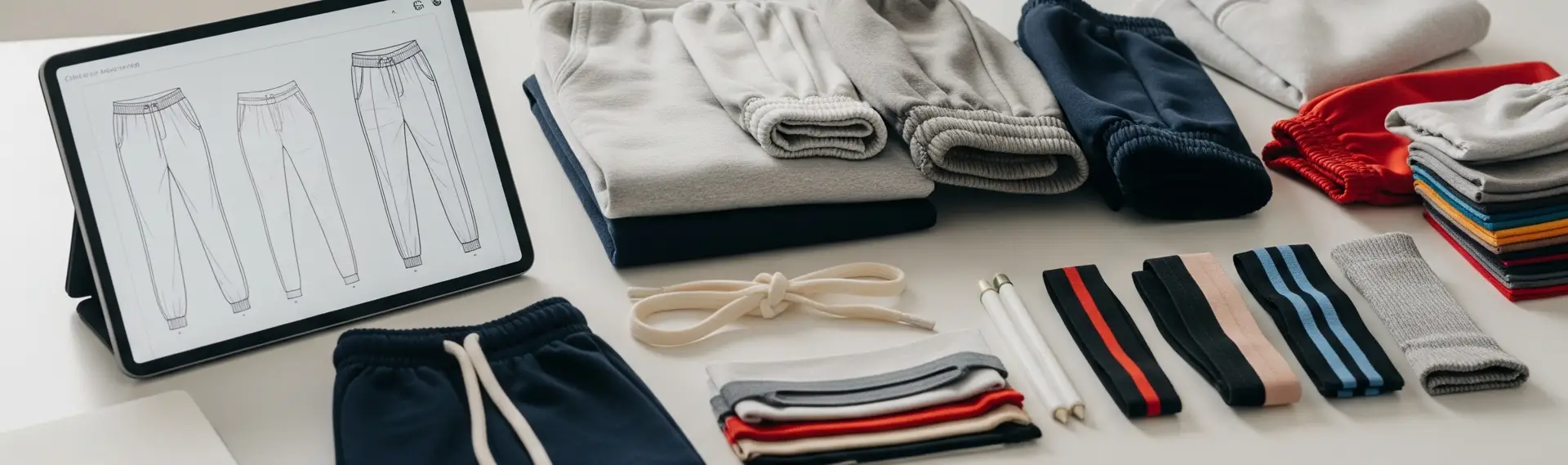
Sweatpants development can slow down when every new pocket, inseam, color, wash, or leg shape restarts fabric and fit approval.
A faster system protects proven technical standards while allowing visible product details to change. For a Sweatpants Manufacturer, agility depends on reusable product foundations, controlled approvals, suitable facility allocation, and organized records.
A Complete Product Brief Protects Development Time
A useful brief should identify the wearer, intended use, waist position, rise, leg shape, fabric, GSM, internal surface, waistband, drawcord, pockets, inseam, cuff or hem, decoration, finishing, quantity, packaging, destination, and delivery requirement.
A reference photograph may not show the rise, waistband extension, pocket depth, fabric recovery, or exact leg volume.
RYZEAL reviews these details before pattern and sample development so conflicts among fit, fabric, cost, MOQ, and timing can be addressed early.
Reusable Fit And Fabric Platforms Improve Speed
Brands can retain approved foundations for men’s tapered joggers, men’s baggy sweatpants, women’s high-rise bottoms, women’s wide-leg styles, tall and petite lengths, children’s school joggers, and heavyweight streetwear products.
New collections can update colors, artwork, pockets, trims, or finishing without repeating every material and grading decision.
A reusable platform protects tested rises, inseams, waistband standards, shrinkage, and fit relationships. It does not remove customization. It allows the development team to focus on meaningful changes.
Core Products And Statement Styles Need Different Routes
Core wholesale sweatpants may prioritize repeatable sizing, stable colors, practical pockets, and reliable replenishment.
Statement products can require garment dyeing, cargo pockets, stacked lengths, heavyweight fleece, dimensional artwork, or specialist washing.
RYZEAL combines its own production capability with selected partner facilities supporting knitting, dyeing, brushing, sewing, printing, embroidery, garment washing, inspection, and packing.
Production can be allocated according to the product’s fabric, complexity, quantity, compliance needs, and delivery plan.
Version Control Protects Bulk Production
Sweatpants development can produce several revisions of the rise, inseam, pockets, elastic, artwork, and finishing.
A controlled product record may include:
- Current tech pack
- Approved pattern
- Measurement and grading chart
- Fabric standard
- Elastic and waistband reference
- Pocket specification
- Lab dip
- Wash approval
- Print or embroidery reference
- Label artwork
- Test reports
- Packing instructions
Each new revision should clearly replace the previous version. Production teams should work only from the approved current package.
Product Codes Support Fit And Length Management
Separate product codes can help distinguish tapered, wide-leg, cargo, baggy, stacked, short, regular, tall, and extra-long styles.
This improves barcode accuracy, inspection, inventory, repeat ordering, and packing. It also allows buyers to offer several inseams without treating every version as an undocumented alteration.
A coordinated hoodie and sweatpants set can retain separate product codes while sharing a collection reference, fabric, color, and branding system.
Digital Product Information Is Becoming More Structured
The European Commission launched the Digital Product Passport Registry on 20 July 2026. The Registry provides EU-level infrastructure for registering unique product identifiers and related metadata, while detailed product data remains decentralized. It supports product groups covered by the Ecodesign for Sustainable Products Regulation, including textiles. Review the European Commission’s DPP Registry announcement.
The launch does not mean that every pair of sweatpants already requires a Digital Product Passport. Detailed apparel obligations depend on applicable product-specific measures.
Brands and manufacturers can nevertheless prepare better records for fibre composition, suppliers, production facilities, certification scope, batches, test reports, care instructions, fit codes, inseam codes, artwork, and packaging identifiers.
These records already improve repeat production, claim verification, corrective action, and supply-chain visibility.
Resilience Requires Approved Alternatives
Fabric availability, elastic supply, drawcord lead times, print capacity, washing schedules, and transport conditions can change.
A resilient program may pre-assess alternative fabrics, elastic, pocket bags, drawcords, decoration routes, or manufacturing facilities.
Any change affecting fit, appearance, performance, certification, price, or timing should be explained and approved before production.
RYZEAL treats flexibility as controlled option management, not silent substitution.
6. Build A Responsible Partnership With A People-First Sweatpants Manufacturer
Sweatpants production depends on coordinated work across knitting, dyeing, brushing, fabric relaxation, pattern development, cutting, pocket preparation, elastic application, sewing, decoration, garment washing, inspection, and packing.
A people-first Sweatpants Manufacturer recognizes that workmanship, workplace systems, production planning, buyer decisions, and supply-chain transparency all influence the finished product.
Sweatpants Production Depends On Specialist Skills
Pattern technicians establish the waistband, rise, hip, thigh, knee, inseam, outseam, calf, cuff, and pocket positions.
Cutting teams must manage fabric direction, relaxation, shade, and panel accuracy. Pocket teams prepare openings, bags, zippers, cargo flaps, and reinforcement.
Sewing operators join rises, inseams, outseams, waistbands, elastic, cuffs, and hems. Decoration and washing specialists can then change the surface or dimensions of the garment.
The final sweatpants may appear simple, but their consistency depends on these linked operations.
Waistbands, Pockets And Crotch Seams Require Experience
Elastic must be applied evenly so the waistband does not twist, gather irregularly, or lose recovery. Drawcord channels and openings need consistent construction.
Crotch seams and inseams receive repeated stress during sitting, walking, bending, and exercise. Uneven feeding can cause leg twisting or measurement differences.
Pocket openings require accurate reinforcement, particularly when they carry phones, keys, or other items. Cargo pockets must be balanced so they do not distort the leg.
Workers and supervisors should be able to report weak elastic, unstable fabric, excessive seam bulk, pocket problems, or repeated measurement drift before defects spread.
People-First Production Must Affect Daily Practice
Responsible production can include safe workplaces, lawful employment, respectful treatment, responsible working hours, worker communication, grievance channels, skills development, and protection from harassment and discrimination.
These expectations should extend across knitting, dyeing, brushing, sewing, printing, embroidery, garment washing, finishing, and packing where those processes form part of the order.
Written policies are not enough when planning creates unrealistic daily pressure. Capacity commitments, pricing, approval timing, design changes, shipment dates, and payment influence how production work is organized.
Bangladesh’s Improvement Programs Provide Context
Better Work Bangladesh reports around 488 participating factories, engagement with 50 brands and retailers, and an impact reaching approximately 1.4 million workers, 49% of whom are women. It also reports that more than 600 female sewing operators have been trained and nearly 400 women promoted to supervisory roles through the GEAR programme. These figures apply specifically to Better Work’s participating network, not every factory in Bangladesh.
Buyers should verify the actual facilities involved in their sweatpants order, including relevant fabric, sewing, printing, embroidery, washing, and finishing locations.
Country-level or program-level statistics provide context but do not replace order-specific facility review.
Audits, Certifications And Tests Serve Different Purposes
A social assessment may evaluate workplace systems. A material certificate can support a defined fibre claim. Harmful-substance testing addresses selected chemical requirements, while physical testing can examine shrinkage, strength, pilling, colorfastness, stretch, or recovery.
Final inspection checks the actual sweatpants for measurements, workmanship, pockets, waistbands, decoration, labels, and packaging.
No single document confirms product fit, fibre origin, workplace conditions, chemical requirements, environmental performance, and supply-chain authorization simultaneously.
The OECD garment and footwear due-diligence guidance supports an ongoing process for identifying, preventing, mitigating, and addressing adverse supply-chain impacts.
Buyer Purchasing Practices Affect Production Conditions
Buyers influence production through specification quality, pricing, forecasts, approvals, design changes, shipment expectations, and payment.
Sweatpants programs can create avoidable pressure when rises and inseams change after pattern approval, new cargo pockets are added after costing, washes are revised after fabric booking, or delivery dates remain fixed after substantial changes.
Responsible purchasing requires complete briefs, realistic schedules, timely approvals, fair management of changes, and payment according to agreed commercial terms.
Manufacturers also have responsibilities. They should disclose capacity constraints, relevant production routes, material changes, delays, and quality risks honestly.
Transparency Should Cover The Complete Production Route
A custom sweatpants order may involve a knitting mill, dyeing and brushing unit, sewing facility, print factory, embroidery supplier, washing plant, and packing team.
Useful transparency can include facility identity, approved subcontracting, material sources, certification scope, testing responsibility, quality findings, corrective actions, and shipment records.
The required level of information may differ by buyer and market, but decisions affecting quality, compliance, certification, price, or delivery should remain visible.
Long-Term Partnerships Preserve Product Knowledge
Repeat collaboration allows RYZEAL to retain approved fabrics, patterns, rises, inseams, waistbands, elastic references, pocket specifications, artwork, wash standards, labels, and packing instructions.
The buyer also develops a clearer understanding of fabric minimums, recovery limitations, inseam options, pocket feasibility, decoration timing, and finishing variation.
RYZEAL operates as a Bangladesh-based manufacturer and sourcing partner, combining its own production capability with selected specialist facilities. The objective is to develop sweatpants programs that can be measured, repeated, improved, and managed responsibly.